Plizio Visual Lab
Trinity Hills Wildlife Sanctuary
Weather…
Water temperature…
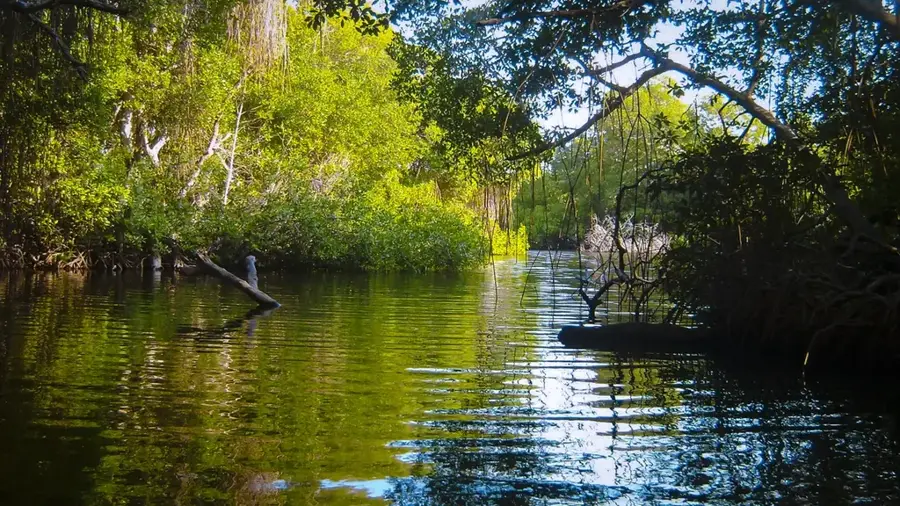
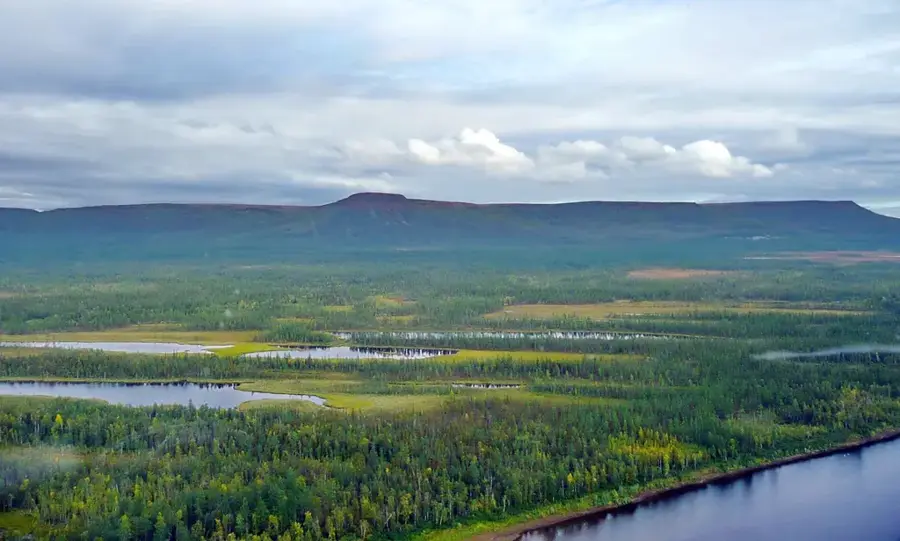
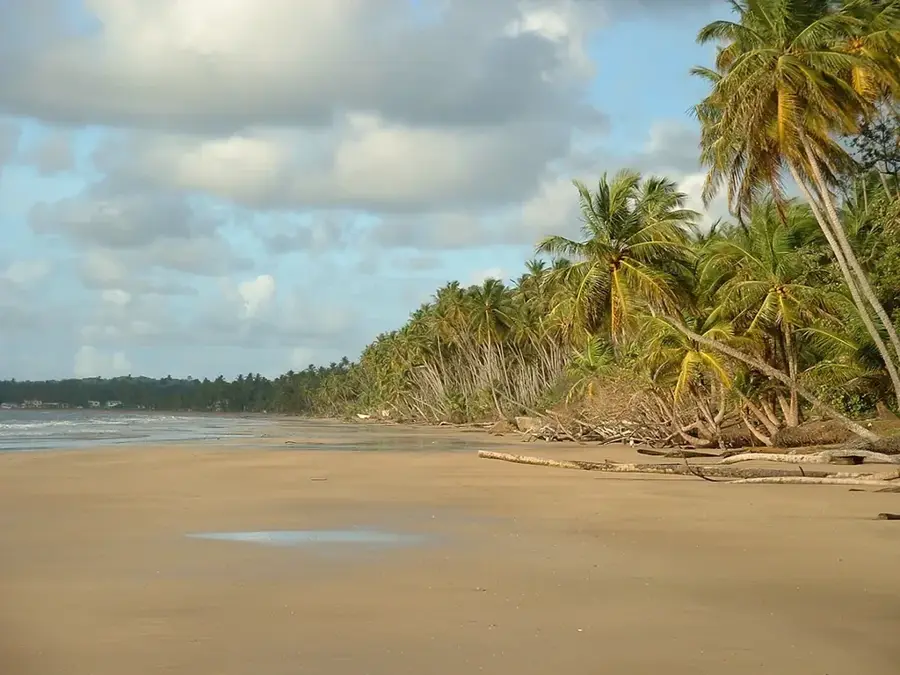
The Trinity Hills Wildlife Sanctuary is located in southeastern Trinidad and encompasses a rugged terrain named after the three prominent peaks sighted by Christopher Columbus in 1498. Established in 1934, it is one of the oldest protected areas in the nation, dedicated to conserving a critical expanse of seasonal evergreen tropical forest. The hills reach elevations of approximately 300 meters and are geologically composed of Tertiary sandstones and shales. This sanctuary is a vital stronghold for endangered species, most notably the Trinidad Piping-guan (Pawi), the island's only endemic bird, and the ocelot. It functions as a key biological corridor in the southern region of Trinidad. The area is also historically significant for its petroleum reserves, necessitating a careful balance between industrial activity and environmental stewardship. The forest canopy includes valuable timber species like mahogany and West Indian cedar. Despite surrounding land use, the sanctuary’s core remains an indispensable refuge for the island's indigenous terrestrial fauna.
Explore on the map
How well do you know Trinidad and Tobago?
Find cities, landscapes and regions in 10 varied challenges on the interactive map.
Your journey, your memory
A postcard from Trinity Hills Wildlife Sanctuary
Turn your own photo into a personal postcard with a local stamp. Free and no sign-up required.
Create a postcard- Location: Trinidad and Tobago
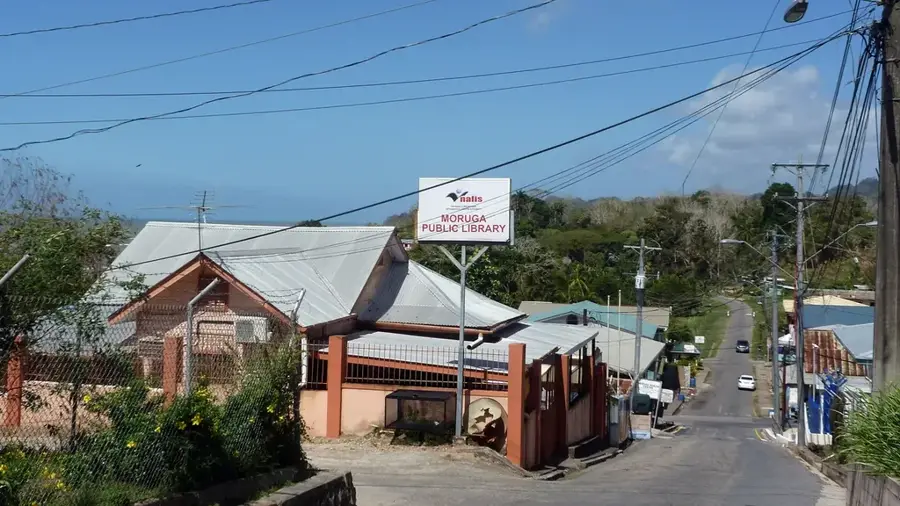
- Nearby: Moruga (14 km)
Best time to visit & climate
The most pleasant time to visit is Feb–Apr.
| Jan | Feb | Mar | Apr | May | Jun | Jul | Aug | Sep | Oct | Nov | Dec | |
|---|---|---|---|---|---|---|---|---|---|---|---|---|
| Avg °C | 26 | 26 | 27 | 28 | 28 | 27 | 27 | 28 | 28 | 28 | 27 | 27 |
| Rain mm | 97 | 56 | 48 | 55 | 125 | 237 | 220 | 220 | 154 | 186 | 209 | 174 |
📋 Practical info
Geography
Facts
- The sanctuary was formally established in 1934.
- The highest of the three peaks rises to 291 meters above sea level.
- It is the primary habitat for the critically endangered Trinidad Piping-guan.
- The hills were the first landmark Columbus saw on his third voyage.
- The total area of the sanctuary exceeds 16,000 acres.
- Geological surveys show rich deposits of sandstone from the Miocene epoch.
Explore nearby
Notable places around
Route planner — Car & Motorhome
Where do you start? We build the route here, with stops and country notes along the way.
© OpenStreetMap contributors · OpenRouteService
Sights nearby
Frequently asked questions
Do I need a guide for the sanctuary?
What equipment should I bring?
What is the difficulty level of the trails?
Are there many mosquitoes in this forest area?
Can you camp in the sanctuary?
Trinity Hills Wildlife Sanctuary: where is it located?
Trinity Hills Wildlife Sanctuary: when is the best time to visit?
Trinity Hills Wildlife Sanctuary: why is it worth visiting?
Nearby cities




Nature
More places