Plizio Visual Lab
Moruga River
Weather…
Water temperature…
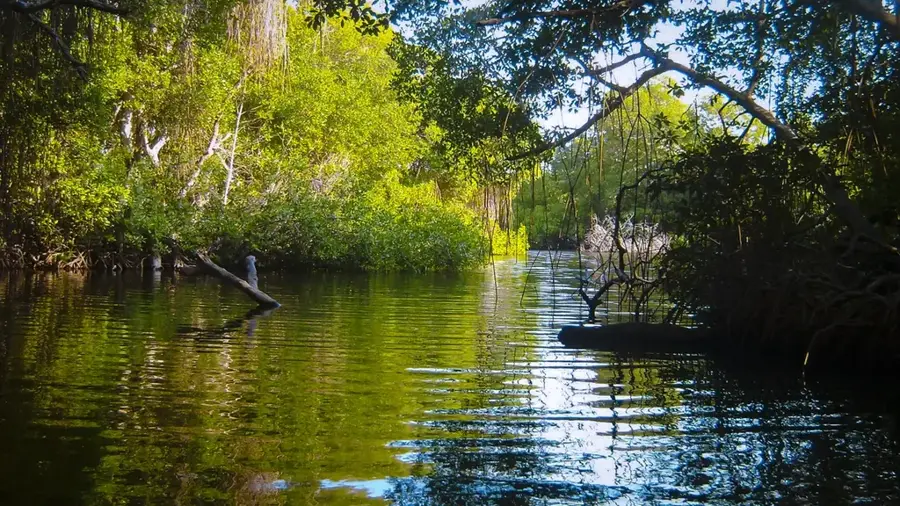
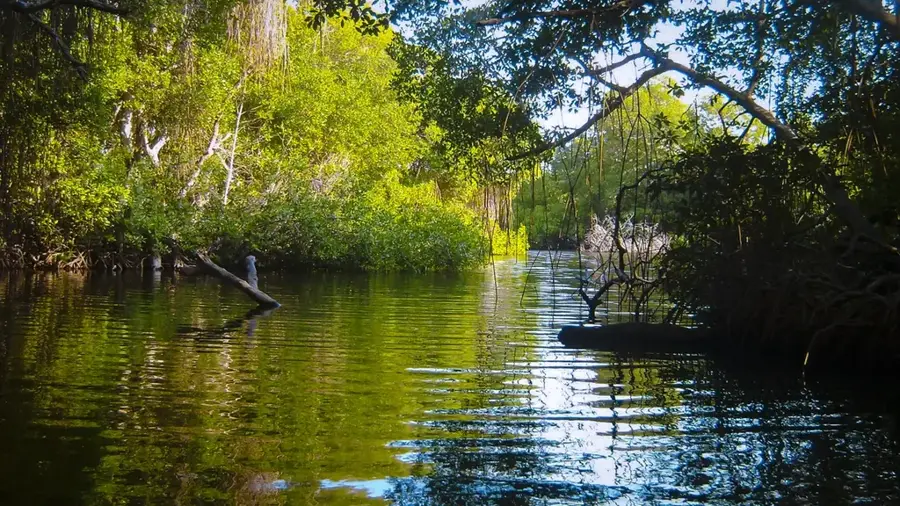
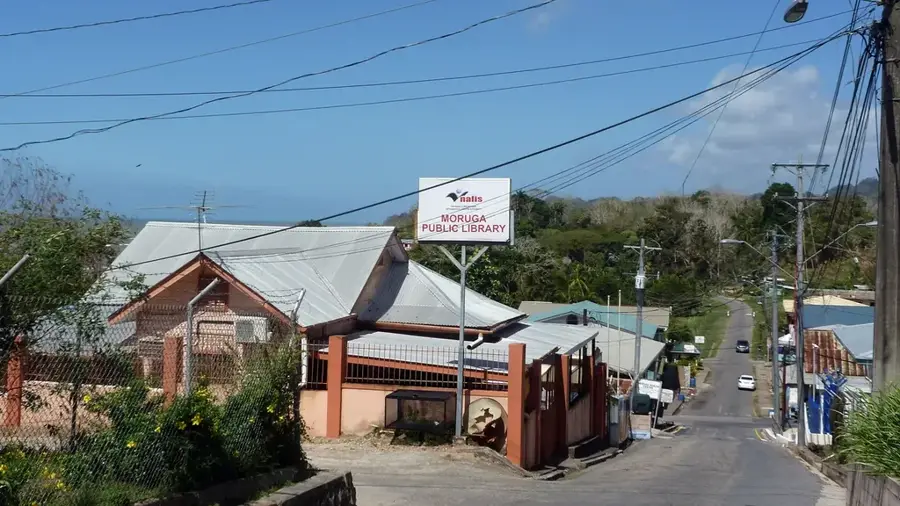
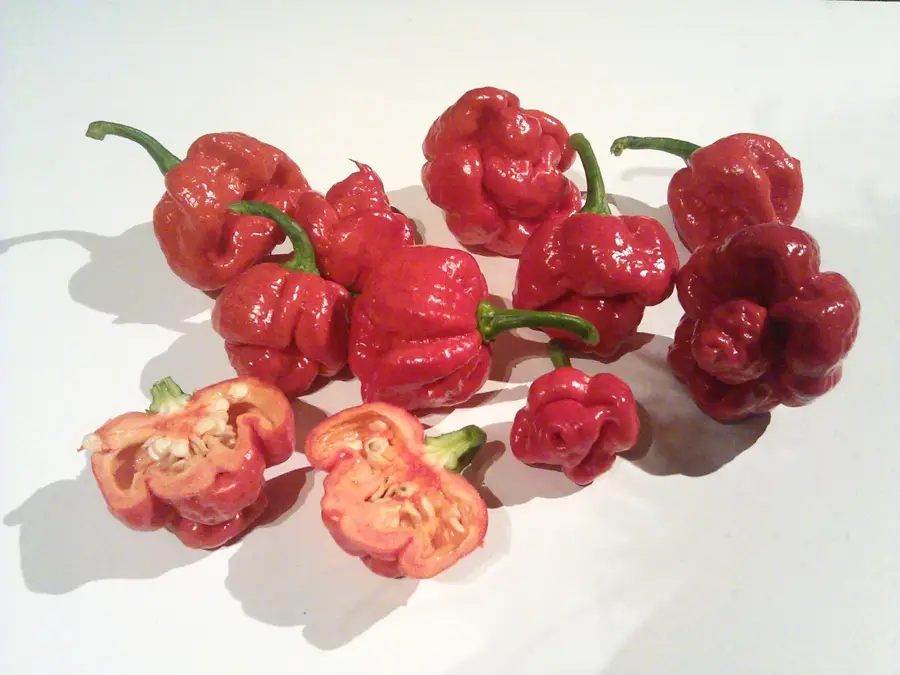
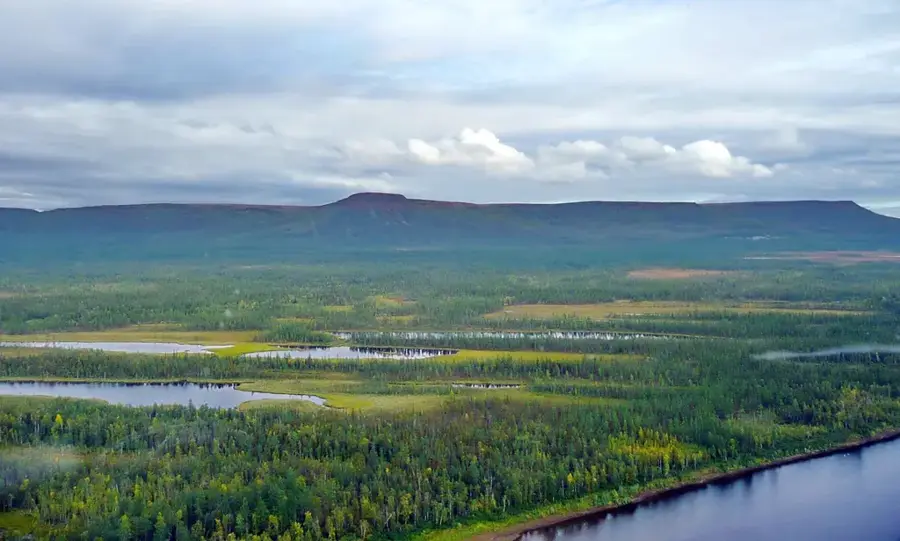
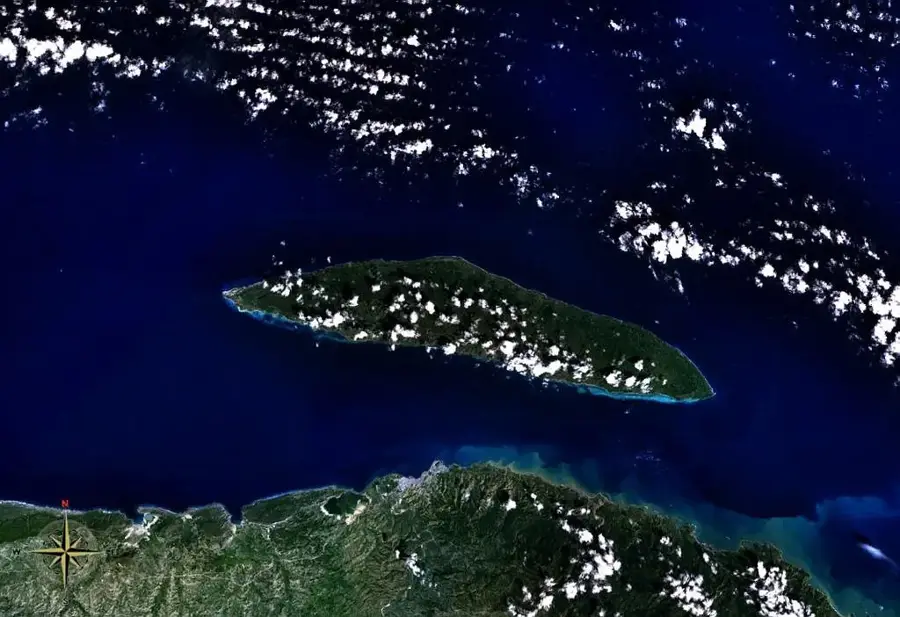
The Moruga River empties into the Columbus Channel on the central southern coast of Trinidad and is deeply embedded in the island's history and ecology. According to tradition, the Moruga area is the site where Christopher Columbus first landed in Trinidad in 1498 during his third voyage. The river winds through dense teak forests and pristine wetlands before reaching its mouth at the sea. Moruga is internationally famous for its agriculture, particularly the cultivation of the extremely spicy Moruga Scorpion pepper, which originated in this region. Ecologically, the river's estuary provides a vital habitat for spectacled caimans and a wide array of waterfowl. The area is also noted for its rich shellfish beds, which have been a sustainable resource for the local community for centuries. The relative remoteness of the region has helped preserve many traditional customs and a diverse range of flora and fauna, making the Moruga River a significant site for natural and cultural heritage.
Explore on the map
How well do you know Trinidad and Tobago?
Find cities, landscapes and regions in 10 varied challenges on the interactive map.
Your journey, your memory
A postcard from Moruga River
Turn your own photo into a personal postcard with a local stamp. Free and no sign-up required.
Create a postcard- Location: Trinidad and Tobago
- Nearby: Tableland (13 km)
Best time to visit & climate
The most pleasant time to visit is Feb–Apr.
| Jan | Feb | Mar | Apr | May | Jun | Jul | Aug | Sep | Oct | Nov | Dec | |
|---|---|---|---|---|---|---|---|---|---|---|---|---|
| Avg °C | 26 | 26 | 27 | 28 | 28 | 27 | 27 | 28 | 28 | 28 | 27 | 27 |
| Rain mm | 97 | 56 | 48 | 55 | 125 | 237 | 220 | 220 | 154 | 186 | 209 | 174 |
📋 Practical info
Geography
Facts
- Moruga is traditionally identified as Columbus's 1498 landing site.
- The Moruga Scorpion pepper, native to the area, held the world record for heat.
- The river basin is surrounded by extensive teak (Tectona grandis) forests.
- Spectacled caimans are frequently sighted in the river's lower reaches.
- The local economy is partly based on harvesting shellfish from the river mouth.
- It is located at the narrowest part of the Columbus Channel across from Venezuela.
Explore nearby
Notable places around
Route planner — Car & Motorhome
Where do you start? We build the route here, with stops and country notes along the way.
© OpenStreetMap contributors · OpenRouteService
Sights in the town Moruga River (1)
Sights nearby
Frequently asked questions
Is Moruga River suitable for kayaks?
Are there picnic spots there?
Is the river strongly affected by tides?
What is the vegetation on the banks like?
Can you see rare animals there?
Moruga River: where is it located?
Moruga River: when is the best time to visit?
Moruga River: why is it worth visiting?
Nearby cities


Nature
More places