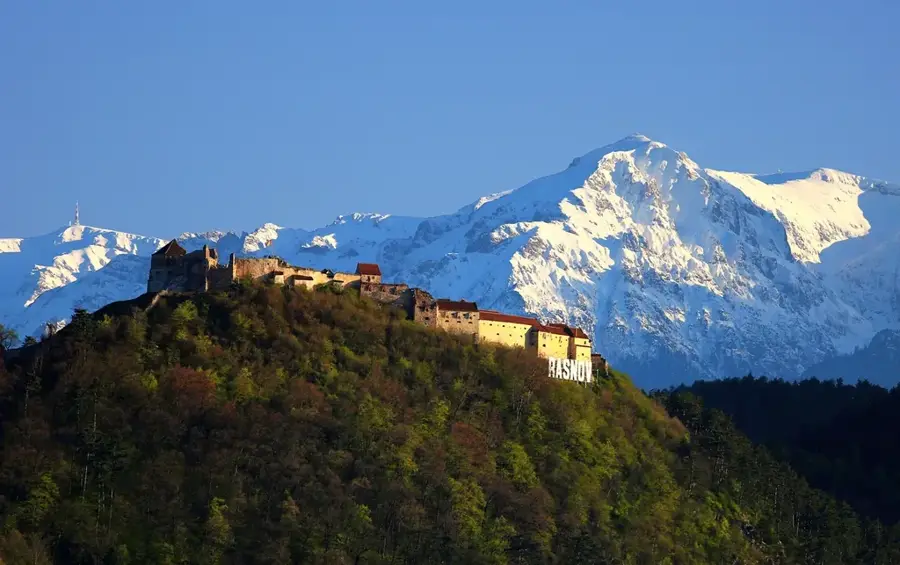
Plizio Visual Lab

Covasna

Plizio editorial teamData Sources
City
—°2911
Covasna (Romania)
ℹ️

Practical info — Covasna

🌤 Weather — 5 days

📍 Nearby

Sights nearby

💡 Tips

  • Bring your own bottles to fill up with fresh mineral water at the public springs scattered around town.
  • Take a scenic ride on the Covasna-Comandău narrow-gauge railway (Mocănița) into the forest.
  • If using the mofettas (dry gas baths), strictly follow the safety instructions and time limits.
  • The weather gets cool in the evenings due to the mountain location, so pack a light jacket.

🍽 Food

🍽
Kürtőskalács / Chimney cake

Buy it freshly baked from street vendors in the central area.

🍽
Szekler Goulash

Look for traditional inns (Csárda) near the main spa area.

🍽
Borviz / Mineral water

Drink it directly from the public taps in the central park.

🛍 Shopping · 🧘 Quiet spots

🛍
Traditional pottery and woodwork

Check out the souvenir stalls near the treatment centers.

🛍
Local honey and jams

Available at the small farmers' market or local grocery shops.

🧘
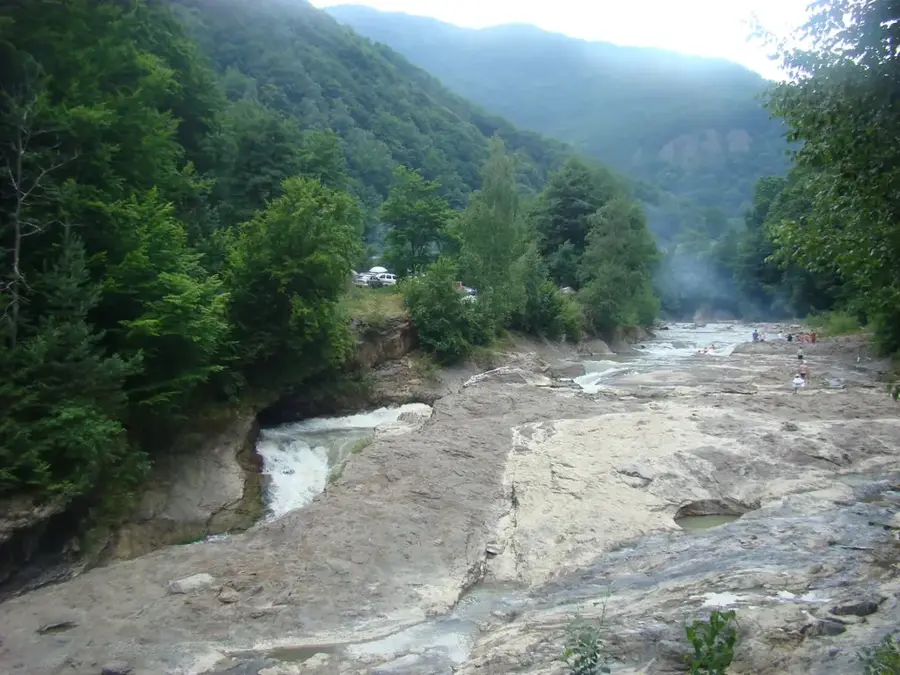
Valea Zânelor (Valley of the Fairies)

A beautiful, forested area at the edge of town great for a peaceful walk.

🧘
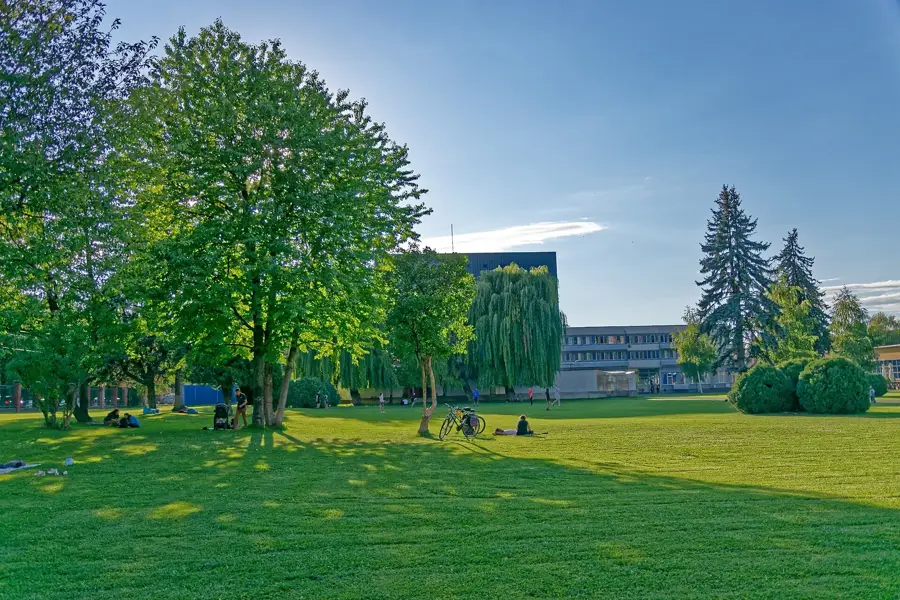
The Central Park

Relax on a bench and watch the locals gather around the mineral springs.

Highlights of 2026

2

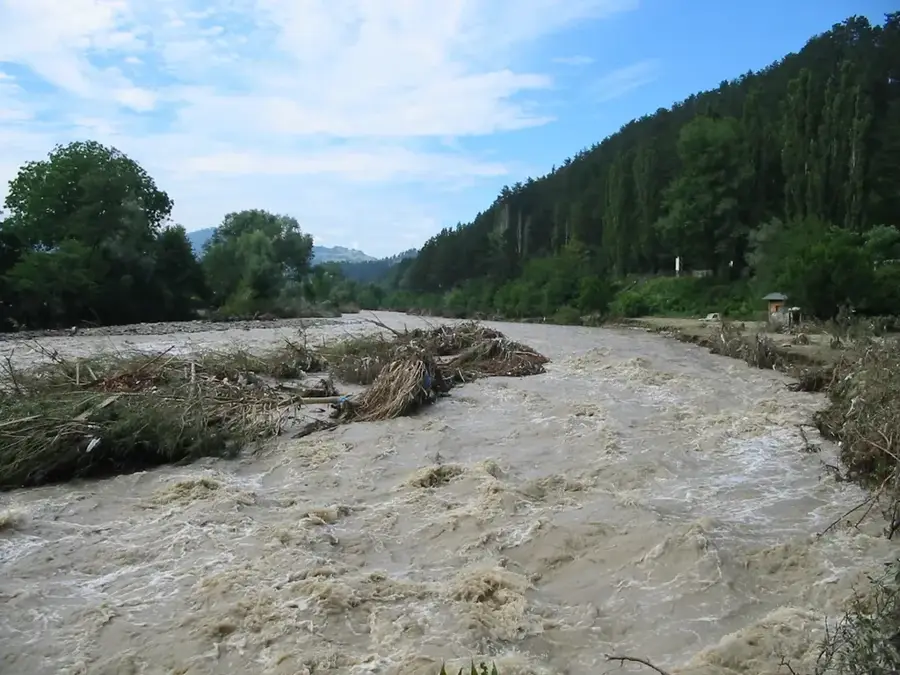
Tap Water Consumption Ban After Floods

Authorities in Covasna issued a ban on tap water consumption after heavy rains and floods contaminated the main supply source. Residents were warned not to consume the water until the safety and quality of the supply are fully restored.
Court Suspends Municipal Job Cuts

The Covasna Court has suspended the planned job cuts in the county's municipal offices. This decision halts the implementation of government administrative reforms aimed at reducing staff levels within local administrations.

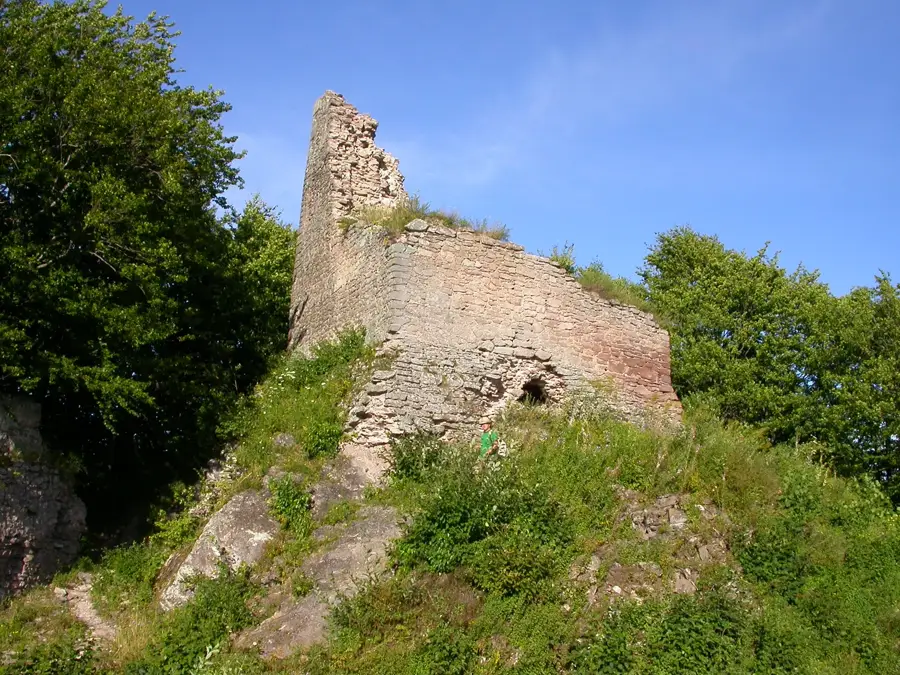
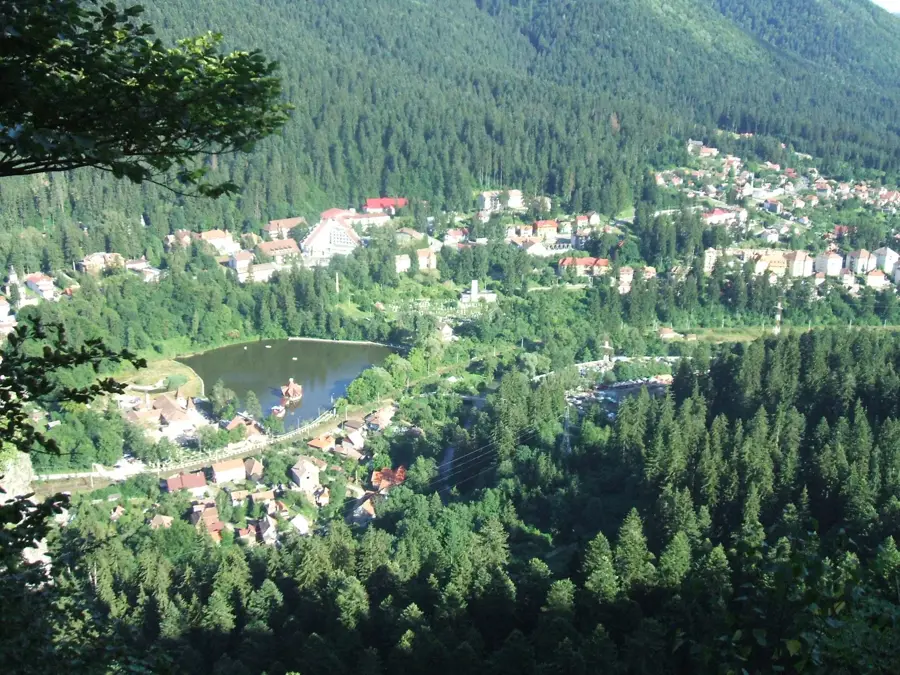
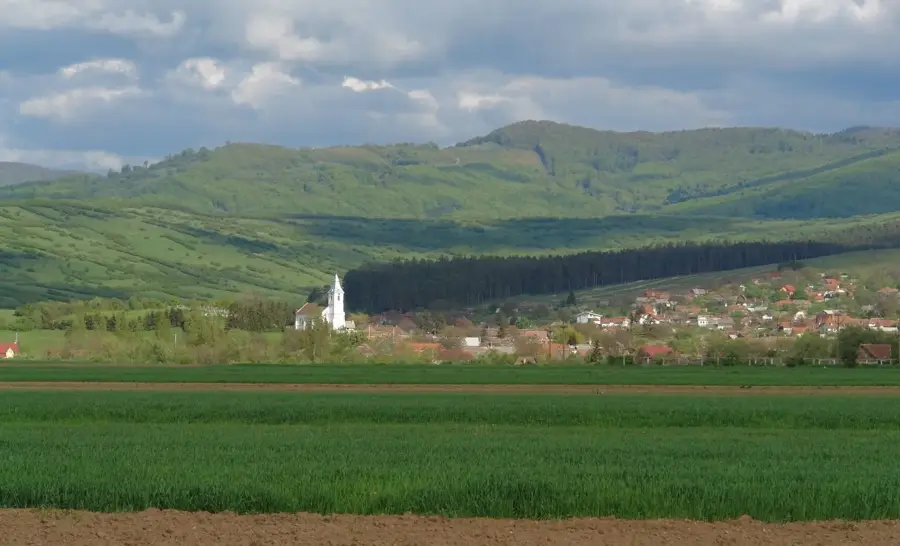
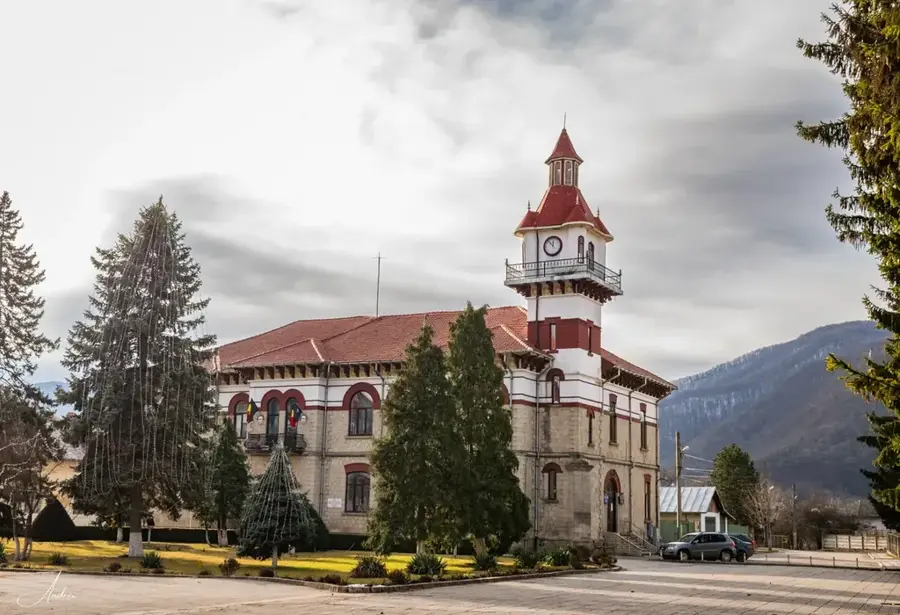
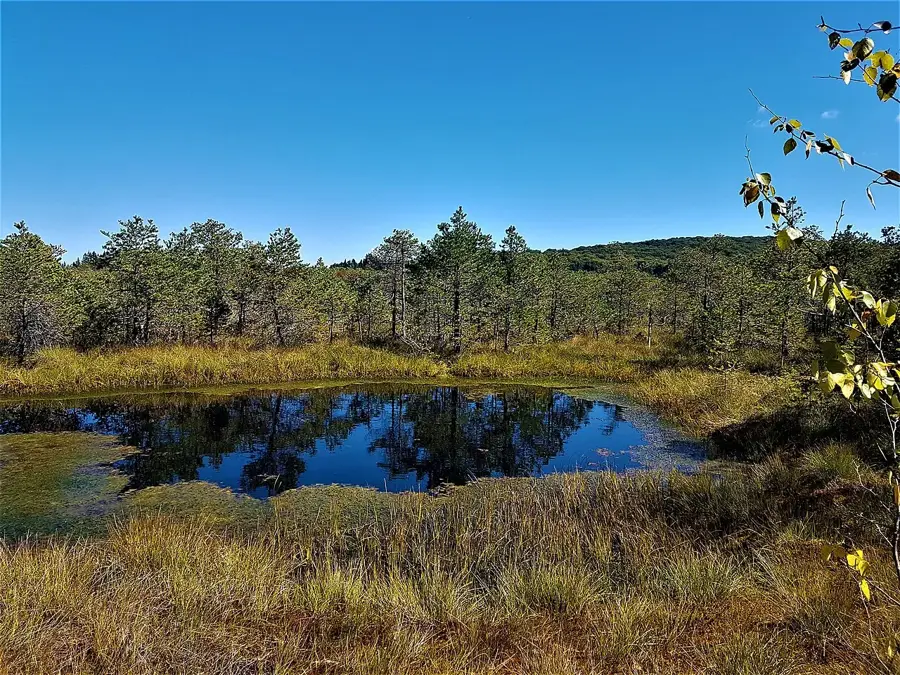
Covasna, often referred to as the 'City of 1000 Springs,' is one of Romania's most unique spa destinations, located at the junction of the Eastern Carpathians and the Transylvanian plateau. The town is world-renowned for its specific geological phenomena, most notably the 'mofettas', natural emanations of carbon dioxide that have been used for cardiovascular treatments for centuries. Beyond the mineral waters that bubble up in various locations throughout the town, Covasna is famous for its 'Devil's Pond' (Balta Dracului), a post-volcanic mud eruption located right in the city center. Historically part of Szeklerland, the town retains a strong cultural heritage that blends with the therapeutic tourism industry. Visitors are often drawn to the 'Valley of the Fairies' (Valea Zânelor), where a narrow-gauge forestry railway once operated, and the ruins of an ancient Dacian fortress. The combination of high-altitude air, diverse mineral water compositions, and the rare dry CO2 baths makes Covasna a focal point for natural health tourism in the region, supporting a wide range of specialized sanatoriums and wellness centers.

Best time to visit & climate

The most pleasant time to visit is Jul–Sep.

JanFebMarAprMayJunJulAugSepOctNovDec
Avg °C-5-417131619191382-3
Rain mm3534435683109956953543840

Geography

Population
10,979
Coordinates
45.84000, 26.17000

Facts

  • A famous spa town, known as the 'town of 1,000 springs'.
  • Known for its mineral waters and mofettas.
  • Specialized in the treatment of cardiovascular diseases.
  • The inclined plane of Covasna is a unique technical monument.
  • The town is located in a volcanic area.
  • Covasna is surrounded by forests and offers opportunities for hiking.

Explore nearby

Notable places around

Route planner — Car & Motorhome

Where do you start? We build the route here, with stops and country notes along the way.

Vehicle
Only stops with (optional):

© OpenStreetMap contributors · OpenRouteService

Sights in the town Covasna (9)

Sala teatru, cinema🎭 culture

A local cultural center featuring theatre and cinema performances in Covasna.

Kőrösi Csoma Sándor szülőháza - emlékház🏛 museum

The memorial house located in the birthplace of the famous linguist Sándor Kőrösi Csoma.

Izvor apă minerală📍 landmark

One of the many curative mineral water springs in the resort town of Covasna.

Mofeta Bene📍 landmark

A natural carbon dioxide mofette in Covasna used for therapeutic purposes.

Izvorul apa minerala Kati📍 landmark

The Kati mineral water spring in Covasna is known for its drinkable medicinal water.

Iustinian Teculescu🏺 historical

A bronze bust of Iustinian Teculescu in the central park of Covasna.

Mofeta Bardocz

A local attraction in Covasna offering a glimpse into the region's unique natural volcanic gas emissions.

Balta Dracului

A fascinating natural attraction in the heart of Covasna, known for its unique geological features.

Frequently asked questions

Why is Covasna called the 'City of 1000 Springs'?
Because of the vast number of mineral water springs with different chemical compositions found within the city.
What is a mofetta?
A natural carbon dioxide dry bath used to treat cardiovascular diseases, a unique feature of Covasna.
What is 'Fairy Valley' (Valea Zânelor)?
A photogenic recreation area on the edge of town with parks, trails, and the famous inclined plane.
Is there a narrow-gauge railway?
Yes, a tourist narrow-gauge railway connects Covasna to Comandău, offering scenic rides through the forests.
Is it worth visiting in winter?
Yes, the spa hotels are open year-round, and the snowy mountain landscape provides a wonderful atmosphere.
Covasna: where is it located?
Covasna is located in Romania.
Covasna: what is there to see?
Highlights include Sala teatru, cinema, Kőrösi Csoma Sándor szülőháza - emlékház, Izvor apă minerală.
Covasna: when is the best time to visit?
The most pleasant time to visit is Jul, Sep.
Covasna: why is it worth visiting?
Covasna, often referred to as the 'City of 1000 Springs,' is one of Romania's most unique spa destinations, located at the junction of the Eastern Carpathians and the Transylvanian plateau.
View on map → The Top 50 Attractions → OpenStreetMap →
Europe
Explore with Plizio Discover more places in Europe
More places in Romania →

Nearby cities

History & landmarks

Nature

More places