Plizio Visual Lab
Coiba National Park
Weather…
Water temperature…
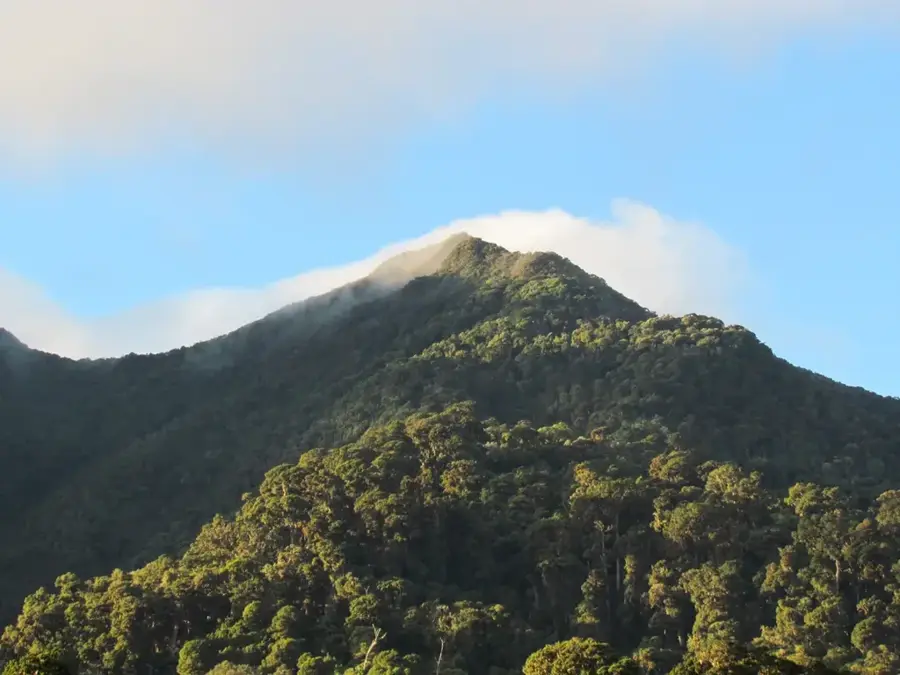
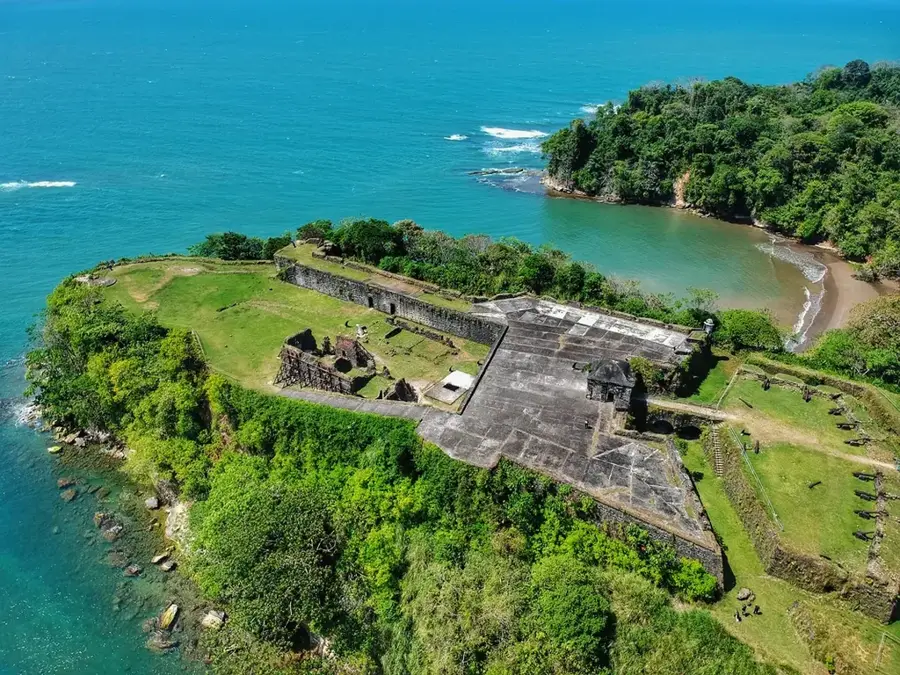
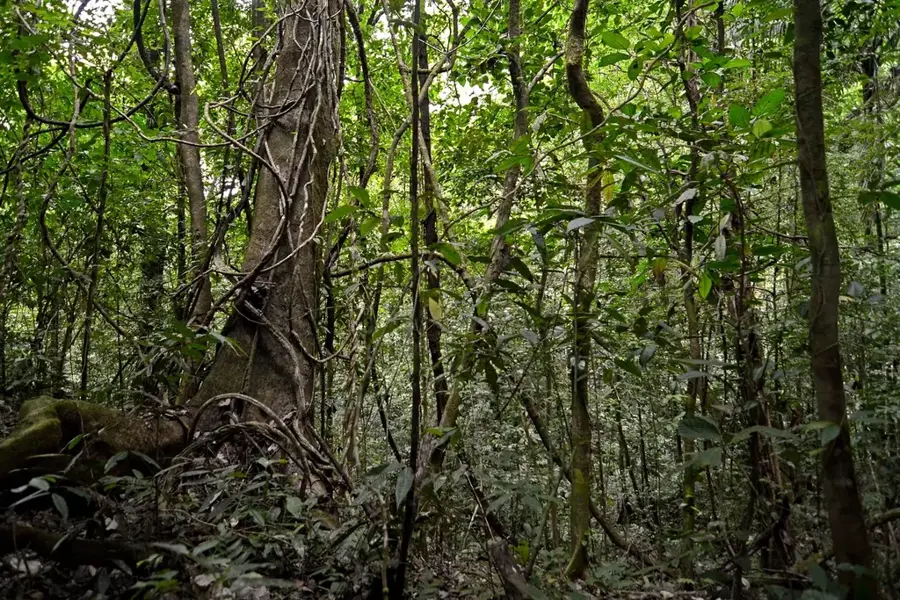
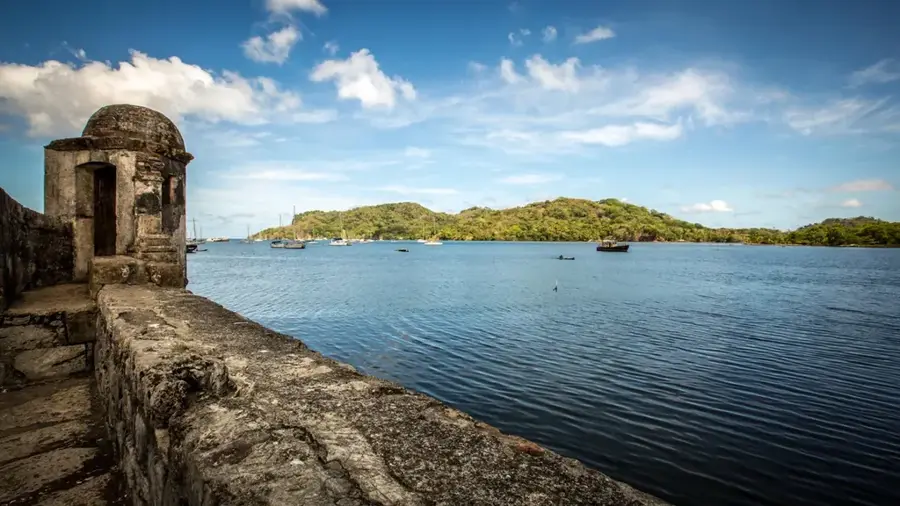
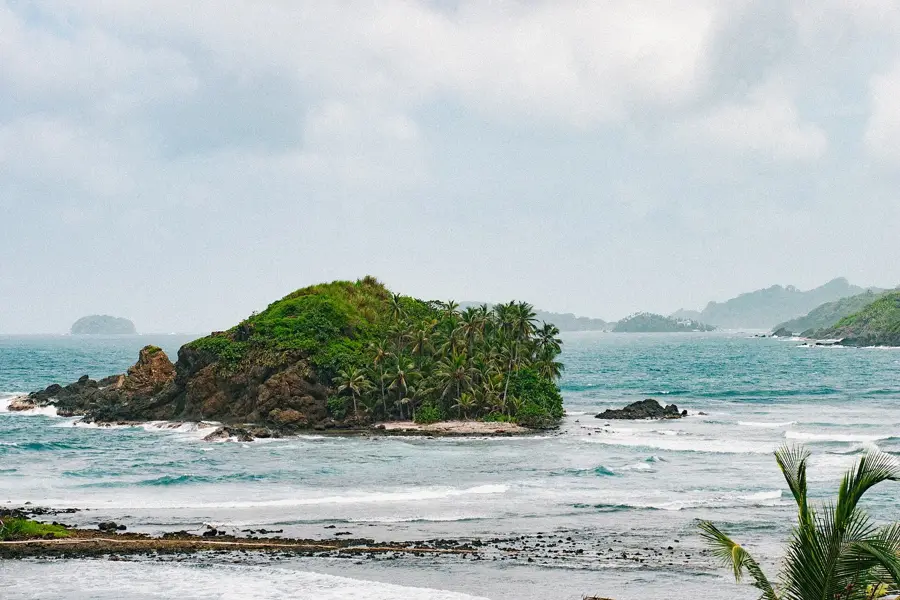
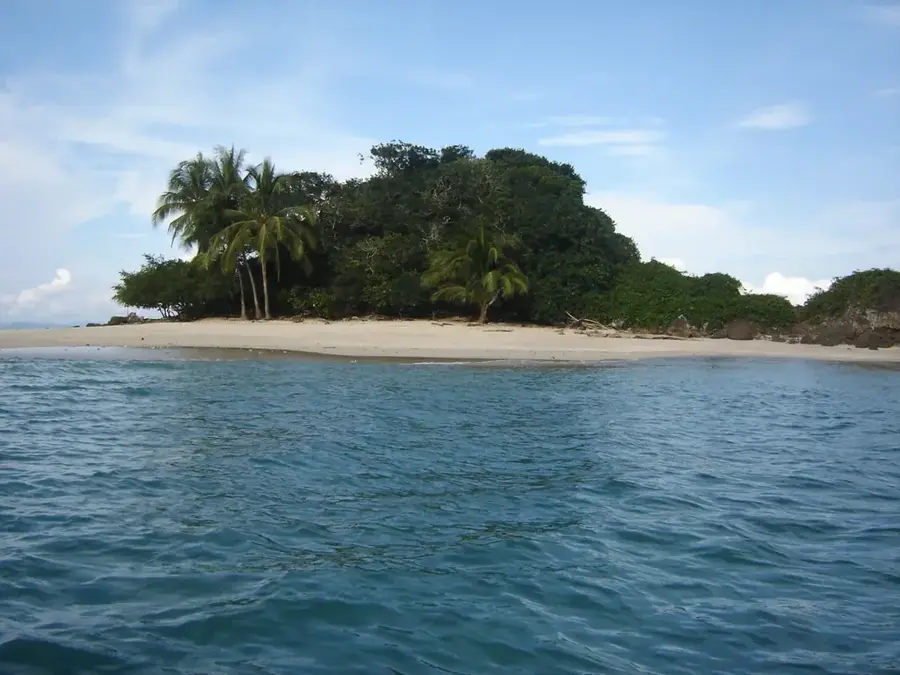
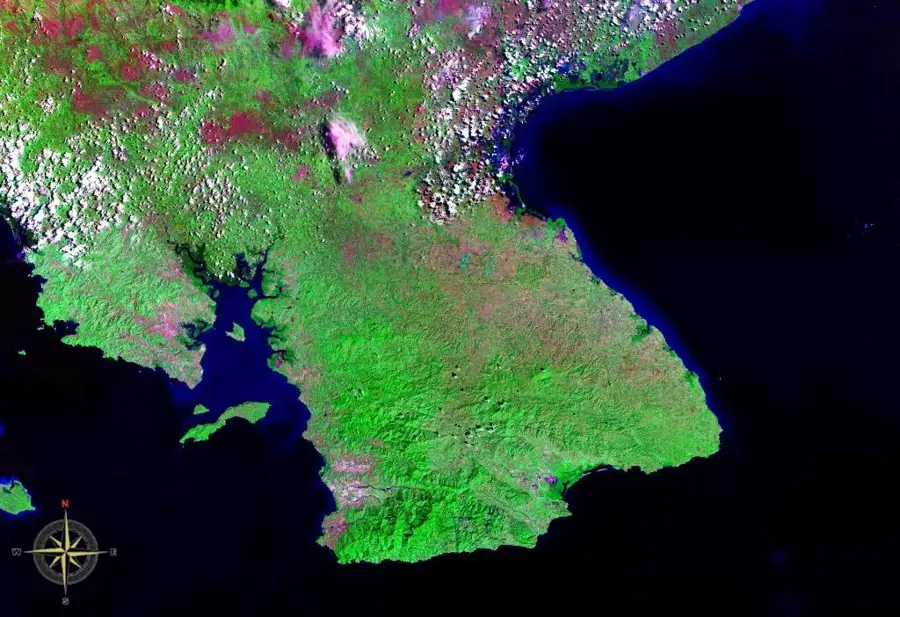
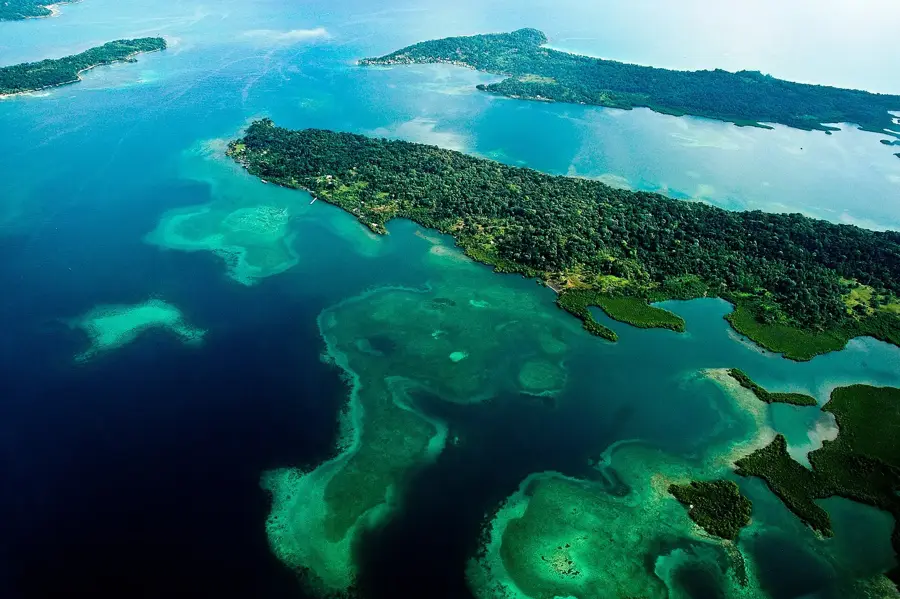
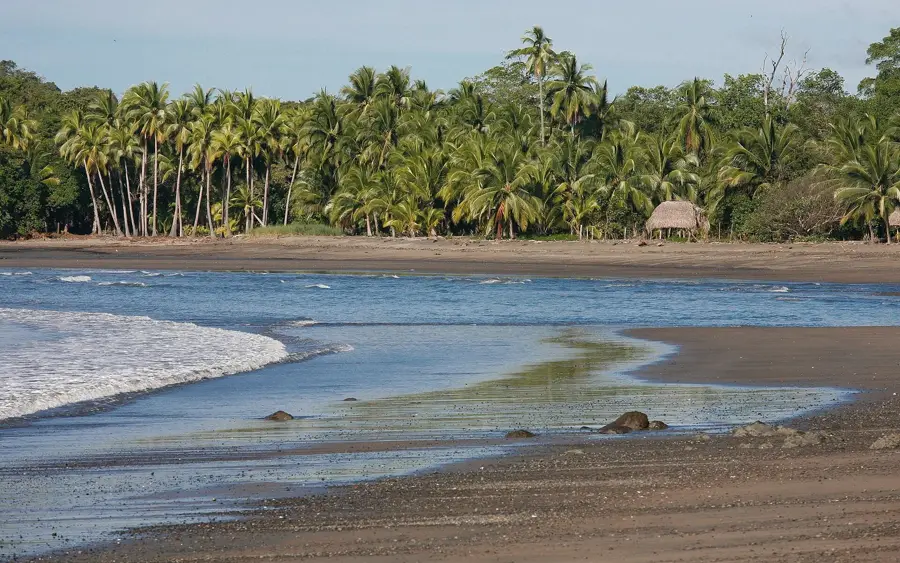
Coiba National Park encompasses the largest island off the Pacific coast of Central America, along with 38 smaller islands and the surrounding marine areas in the Gulf of Chiriquí. The area's natural state was inadvertently preserved between 1919 and 2004, during which time the main island functioned as a high-security penal colony, restricting public access and commercial development. As a result, over 80% of the island remains covered by pristine tropical rainforest, providing a sanctuary for endemic species such as the Coiba Island howler monkey and the Coiba agouti. In 2005, UNESCO designated the park as a World Heritage Site, recognizing its role as a vital link in the Tropical Eastern Pacific Marine Corridor. The waters surrounding Coiba are world-renowned for their marine biodiversity, serving as a habitat for humpback whales, whale sharks, and over 700 species of fish. The park's coral reefs are among the most extensive and diverse in the region.
Explore on the map
How well do you know Panama?
Find cities, landscapes and regions in 10 varied challenges on the interactive map.
Your journey, your memory
A postcard from Coiba National Park
Turn your own photo into a personal postcard with a local stamp. Free and no sign-up required.
Create a postcard- Location: Panama
- Nearby: Santa Catalina (55 km)
Best time to visit & climate
The most pleasant time to visit is Jan–Mar.
| Jan | Feb | Mar | Apr | May | Jun | Jul | Aug | Sep | Oct | Nov | Dec | |
|---|---|---|---|---|---|---|---|---|---|---|---|---|
| Avg °C | 27 | 28 | 29 | 29 | 28 | 27 | 27 | 27 | 27 | 27 | 27 | 27 |
| Rain mm | 26 | 12 | 20 | 116 | 276 | 258 | 308 | 303 | 310 | 303 | 312 | 117 |
📋 Practical info
Geography
Facts
- Largest island in Pacific Central America
- Operated as a penal colony from 1919 to 2004
- UNESCO World Heritage Site since 2005
- 80% of the island is pristine rainforest
- Home to over 700 species of fish
- Vital part of the Eastern Pacific Marine Corridor
Explore nearby
Notable places around

Route planner — Car & Motorhome
Where do you start? We build the route here, with stops and country notes along the way.
© OpenStreetMap contributors · OpenRouteService
Sights nearby
Frequently asked questions
How do you get to Coiba National Park?
Can you stay overnight there?
What makes the park special?
Do I have to pay an entrance fee?
Is it safe to dive?
Coiba National Park: where is it located?
Coiba National Park: when is the best time to visit?
Coiba National Park: why is it worth visiting?
Nearby cities
History & landmarks
Nature
More places