Plizio Visual Lab
Coiba National Park - Animal Watching

Weather…
Water temperature…
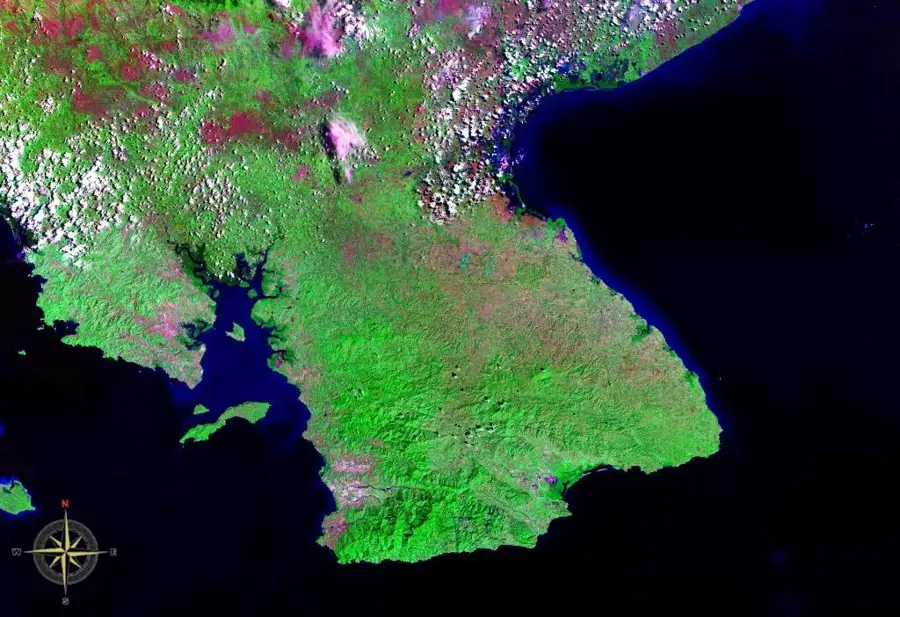
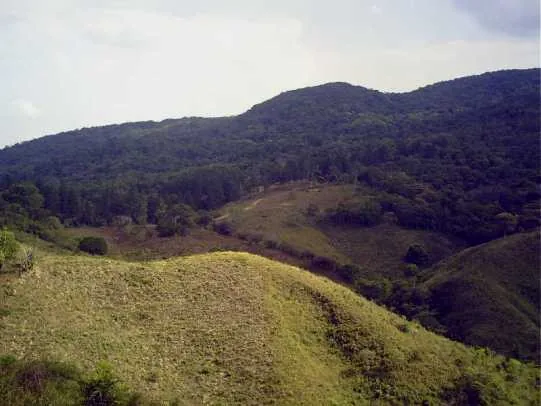
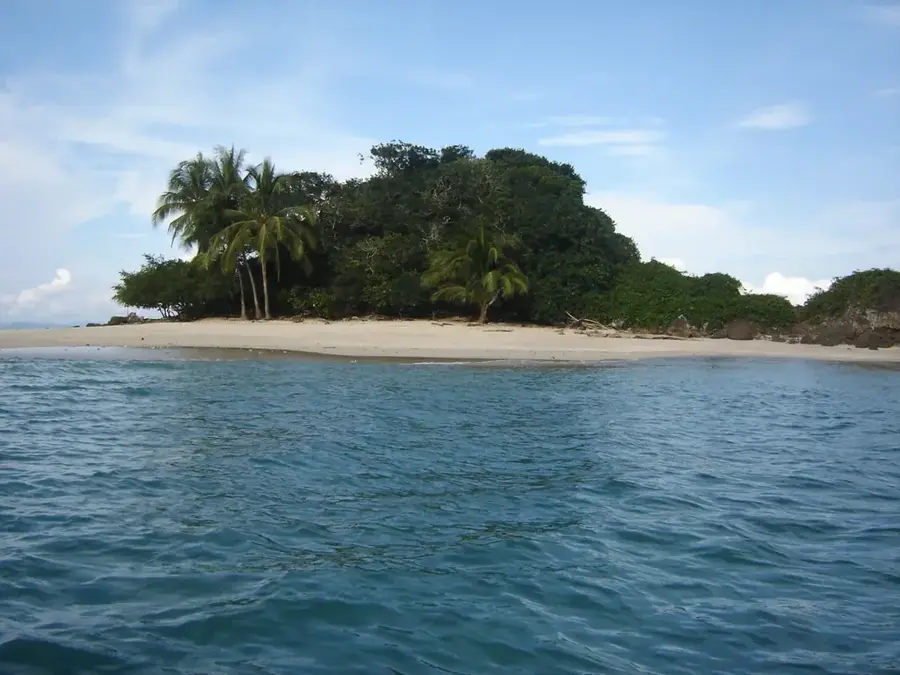
Coiba National Park, often referred to as the 'Galápagos of Central America', provides some of the most extraordinary wildlife viewing opportunities in the world. Because the island served as a notorious high-security prison for over 80 years (until 2004), nature remained largely untouched by deforestation and human development. Today, the island is home to endemic species that have evolved in isolation, such as the Coiba howler monkey and the Coiba agouti. The real magic, however, lies underwater: the protected marine reserve is home to huge whale sharks, reef sharks, manta rays, and dolphins that thrive in the intact coral reefs. The strict protection status of UNESCO preserves this pristine evolutionary laboratory.
Explore on the map
How well do you know Panama?
Find cities, landscapes and regions in 10 varied challenges on the interactive map.
Your journey, your memory
A postcard from Coiba National Park - Animal Watching
Turn your own photo into a personal postcard with a local stamp. Free and no sign-up required.
Create a postcard- Location: Panama
- Nearby: Santa Catalina (57 km)
Best time to visit & climate
The most pleasant time to visit is Jan–Mar.
| Jan | Feb | Mar | Apr | May | Jun | Jul | Aug | Sep | Oct | Nov | Dec | |
|---|---|---|---|---|---|---|---|---|---|---|---|---|
| Avg °C | 27 | 28 | 29 | 29 | 28 | 27 | 27 | 27 | 27 | 27 | 27 | 27 |
| Rain mm | 26 | 12 | 20 | 116 | 276 | 258 | 308 | 303 | 310 | 303 | 312 | 117 |
📋 Practical info
Geography
Facts
- Often called the 'Galápagos of Central America' because of its many endemic species.
- Remained intact as the island was a feared high-security prison until 2004.
- Home to isolated species like the endemic Coiba howler monkey.
- Famous for underwater observation of whale sharks and manta rays.
- Under strict protection as part of the UNESCO World Natural Heritage.
Explore nearby
Notable places around
Route planner — Car & Motorhome
Where do you start? We build the route here, with stops and country notes along the way.
© OpenStreetMap contributors · OpenRouteService
Sights nearby
Frequently asked questions
What animals can I see?
Is a boat trip necessary for observation?
When is the best time for wildlife?
Is there an entrance fee?
Can I go diving there?
Coiba National Park - Animal Watching: where is it located?
Coiba National Park - Animal Watching: when is the best time to visit?
Coiba National Park - Animal Watching: why is it worth visiting?
Nearby cities
Nature
More places