Plizio Visual Lab
Chitré
ℹ️Practical info — Chitré
▾
🌤 Weather — 5 days
📍 Nearby
Sights nearby
💡 Tips
- Chitré is famous for its festivals; check the local calendar for the San Juan Bautista celebrations in June.
- Visit the nearby village of La Arena to watch local potters create traditional ceramics.
- Taxis are very affordable within the city; agree on a fare for trips to El Agallito beach beforehand.
- The city serves as an excellent base for exploring the diverse culture of the Azuero Peninsula.
- Try to visit Parque Unión in the early morning for the most peaceful experience of the city center.
🍽 Food
A thick cream made from nance fruit, typically served topped with fresh local cheese.
A traditional fermented corn drink commonly found during local festivals and fairs.
The regional version of chicken soup, flavored heavily with local wild cilantro (culantro).
🛍 Shopping · 🧘 Quiet spots
Buy hand-painted ceramics directly from the workshops on the main street of nearby La Arena.
A great spot for seasonal tropical fruits and locally made traditional sweets.
Look for hand-embroidered elements of the national dress in the small downtown shops.
A wildlife refuge with boardwalks through mangroves, first-rate for quiet birdwatching.
A quiet coastal area that is very peaceful, especially for a walk during low tide.
The central square has plenty of shaded benches under large, old trees.
Water temperature…
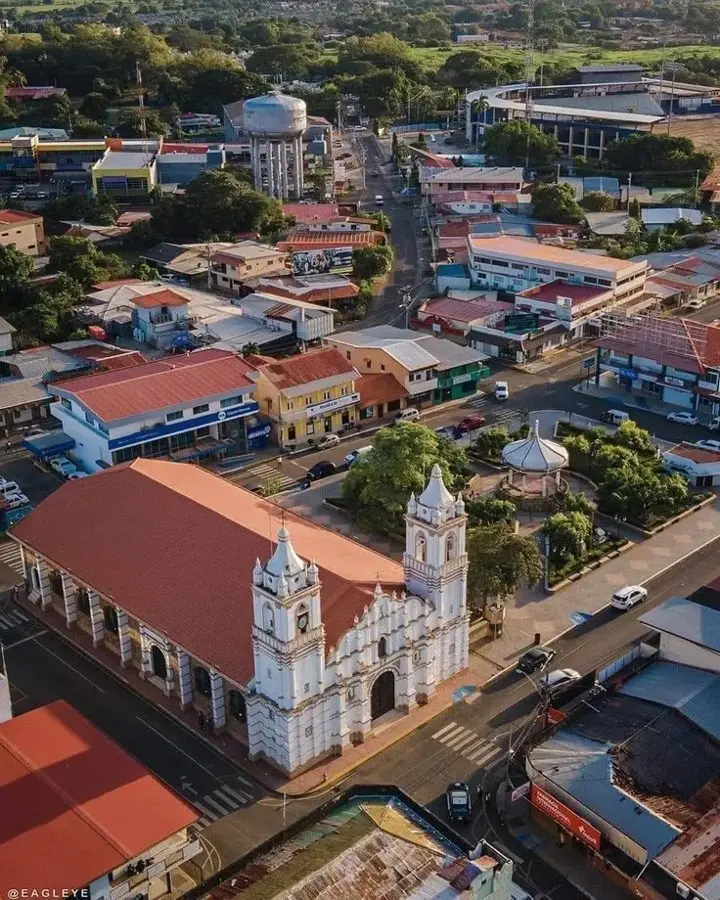
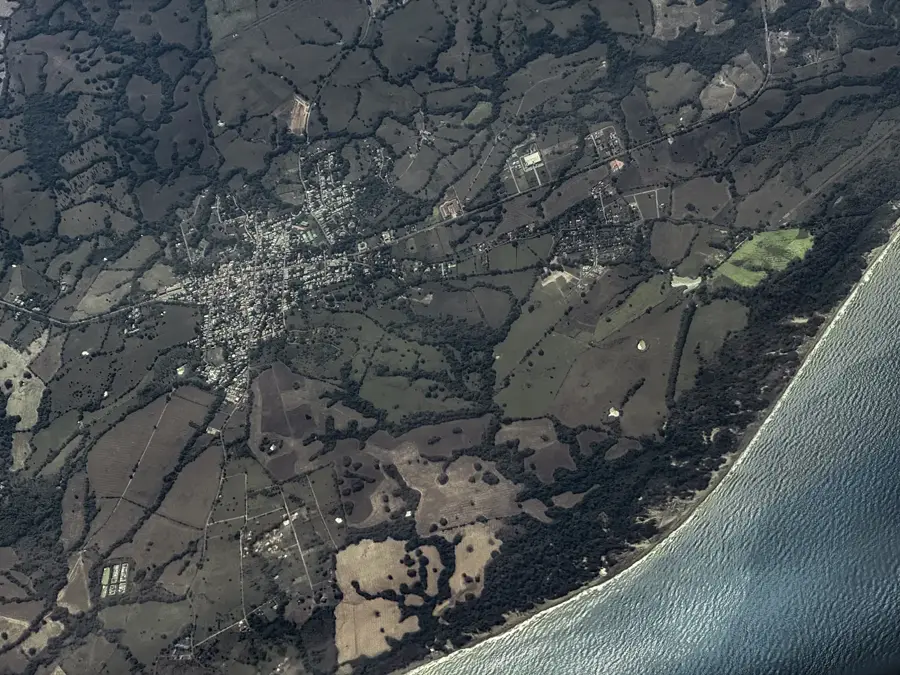
Chitré is the capital of Herrera Province and is located on the Azuero Peninsula, approximately seven kilometers from the Pacific coast. Founded on October 19, 1848, the city is famous for its slogan, 'The city where no one is a stranger,' which highlights the warmth of its inhabitants. Chitré serves as the most important economic and industrial hub of the Azuero region, with a strong focus on agriculture, livestock ranching, and commerce. The city possesses a rich cultural identity, reflected in religious festivities such as the Feast of Saint John the Baptist and various traditional dances. Significant archaeological sites and the Sarigua National Park, actually a salt desert created by erosion, are located in the vicinity. Chitré features a well-developed infrastructure including hotels, shopping malls, and a regional airport, making it an attractive destination for both business travelers and tourists.
Explore on the map
How well do you know Panama?
Find cities, landscapes and regions in 10 varied challenges on the interactive map.
Your journey, your memory
A postcard from Chitré
Turn your own photo into a personal postcard with a local stamp. Free and no sign-up required.
Create a postcard- Location: Panama
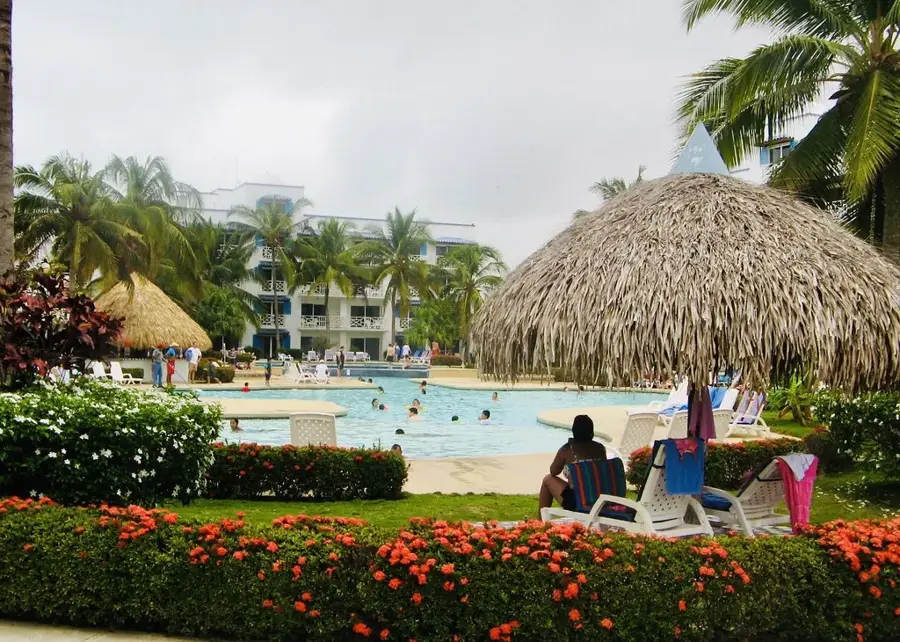
- Highlights: Museo de Chitre · Parque · Public Pool
- Nearby: Playa Blanca (53 km)
- Population: ~8.969 (2026)
Best time to visit & climate
The most pleasant time to visit is Jan–Mar.
| Jan | Feb | Mar | Apr | May | Jun | Jul | Aug | Sep | Oct | Nov | Dec | |
|---|---|---|---|---|---|---|---|---|---|---|---|---|
| Avg °C | 25 | 27 | 28 | 29 | 27 | 27 | 26 | 26 | 26 | 26 | 26 | 26 |
| Rain mm | 16 | 9 | 16 | 99 | 246 | 212 | 202 | 217 | 255 | 246 | 243 | 86 |
History & landmarks
Modern
1848
Geography
Facts
- Chitré was officially founded on October 19, 1848.
- Capital city of Herrera, Panama's smallest province.
- Known as the economic heart of the Azuero Peninsula.
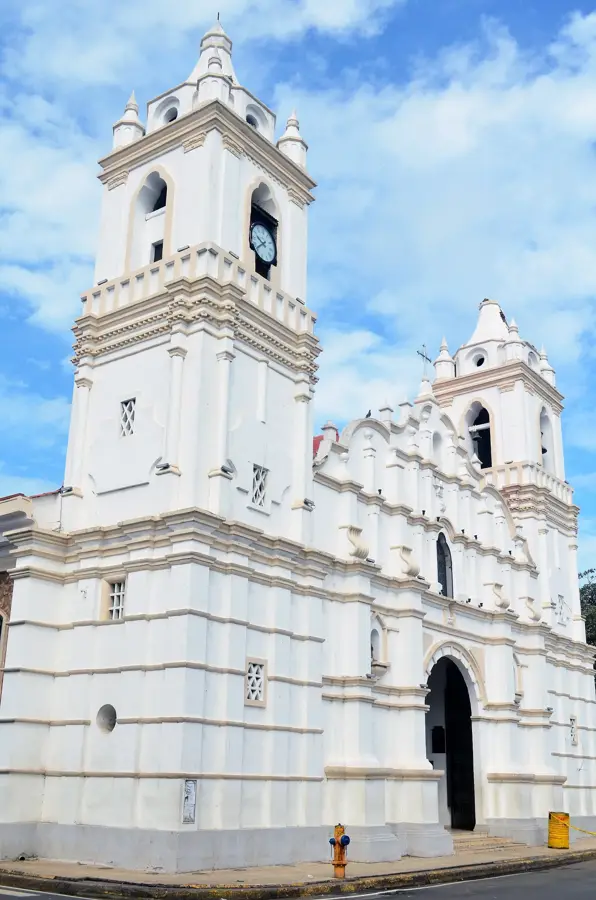
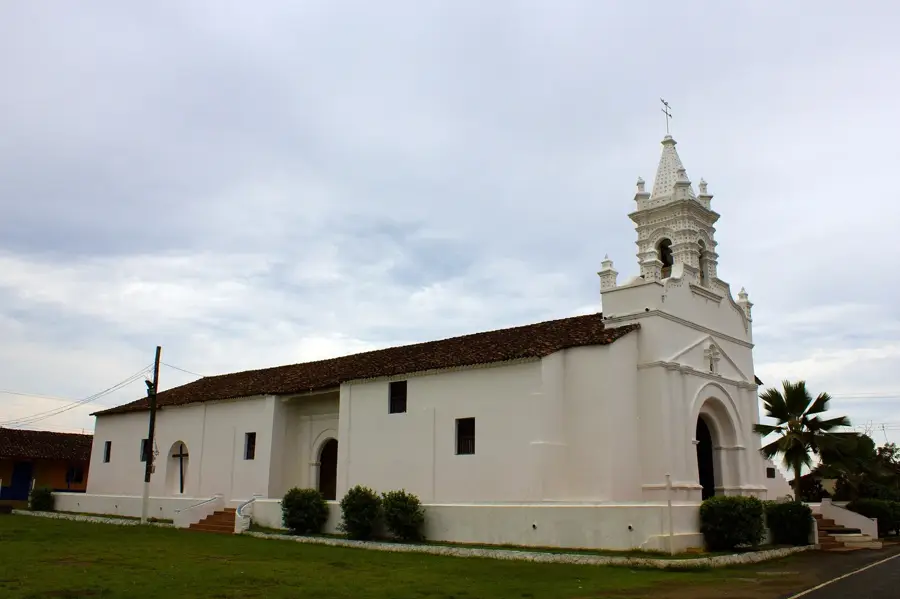
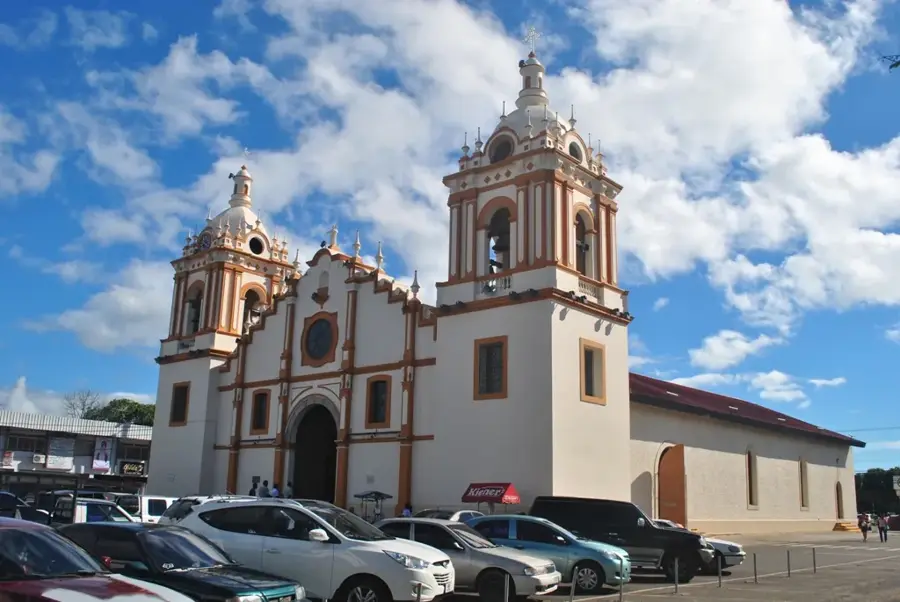
- Home to the 19th-century San Juan Bautista Cathedral.
- Located near the unique arid landscapes of Sarigua National Park.
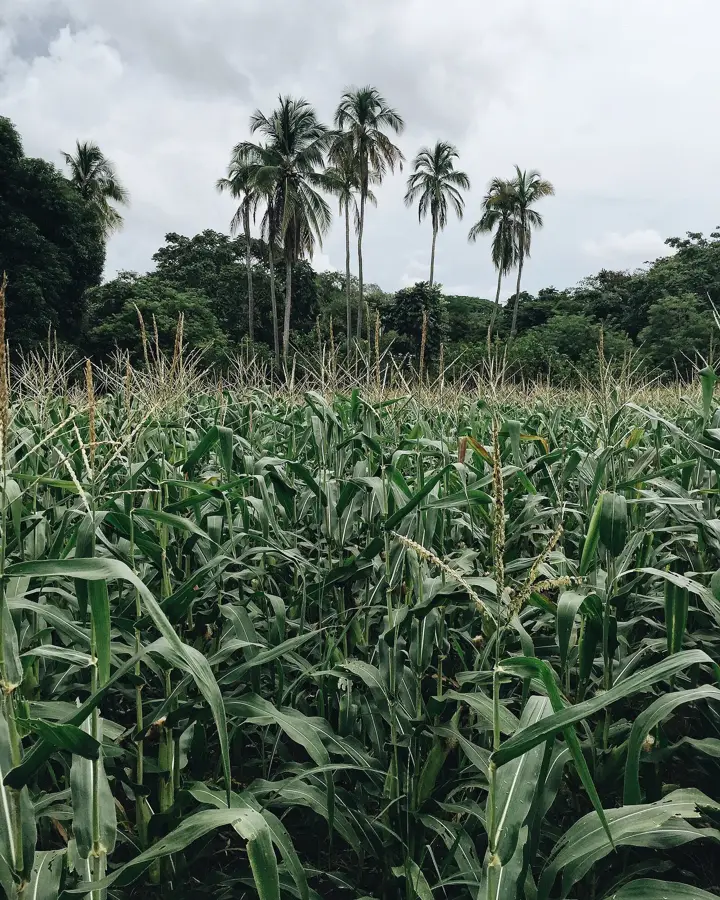
- Major hub for sugarcane production and livestock trade.
Explore nearby
Notable places around
Route planner — Car & Motorhome
Where do you start? We build the route here, with stops and country notes along the way.
© OpenStreetMap contributors · OpenRouteService
Sights in the town Chitré (4)
Frequently asked questions
Is Chitré culturally interesting?
How is the weather in Chitré?
Is it worth a visit for tourists?
What is nearby?
Are there good accommodations?
Chitré: where is it located?
Chitré: what is there to see?
Chitré: when is the best time to visit?
Chitré: why is it worth visiting?

Nearby cities
History & landmarks
Nature
More places