Plizio Visual Lab
Marcovia
ℹ️Practical info — Marcovia
▾
🌤 Weather — 5 days
📍 Nearby
Sights nearby
💡 Tips
- The Pacific sun is extremely strong here; use high-SPF sunscreen and wear a hat.
- Visit beaches like Cedeño, but be aware that the dark volcanic sand gets very hot.
- This is the place to eat seafood in southern Honduras, especially locally farmed shrimp.
- Watch out for high tides, as the ocean can sometimes reach the beachside thatched-roof restaurants.
🍽 Food
Order garlic or breaded shrimp at the beachside restaurants in Cedeño, as they are locally sourced.
Try the rich seafood soup, a staple of the southern Honduran coast, often served with coconut bread.
A local delicacy of black clams marinated in lime juice and onions-well-suited with a cold beer.
🛍 Shopping · 🧘 Quiet spots
Buy bags of coarse sea salt produced in the nearby traditional salt flats.
Look for small shell crafts and souvenirs sold by vendors along the main beaches.
A quieter beach area compared to Cedeño, handy for relaxing and watching the spectacular Pacific sunsets.
Take a small boat tour through the quiet mangroves to observe seabirds and local wildlife.
Water temperature…
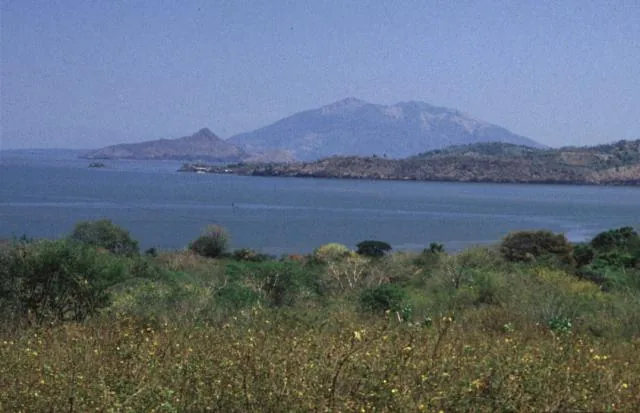
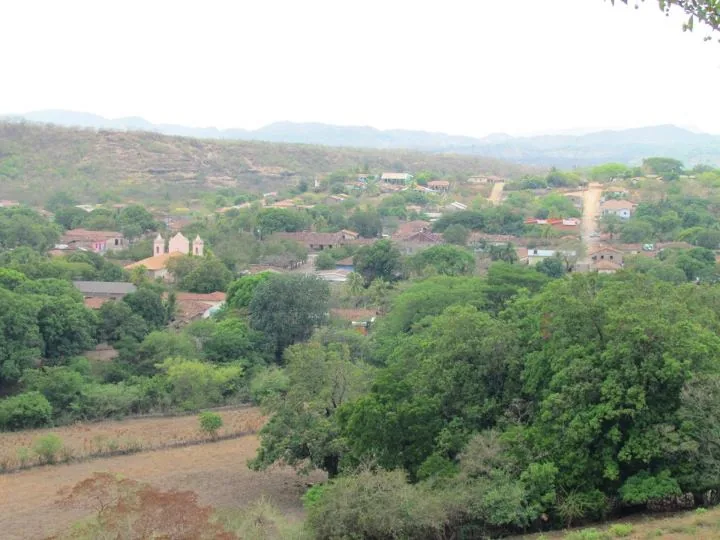
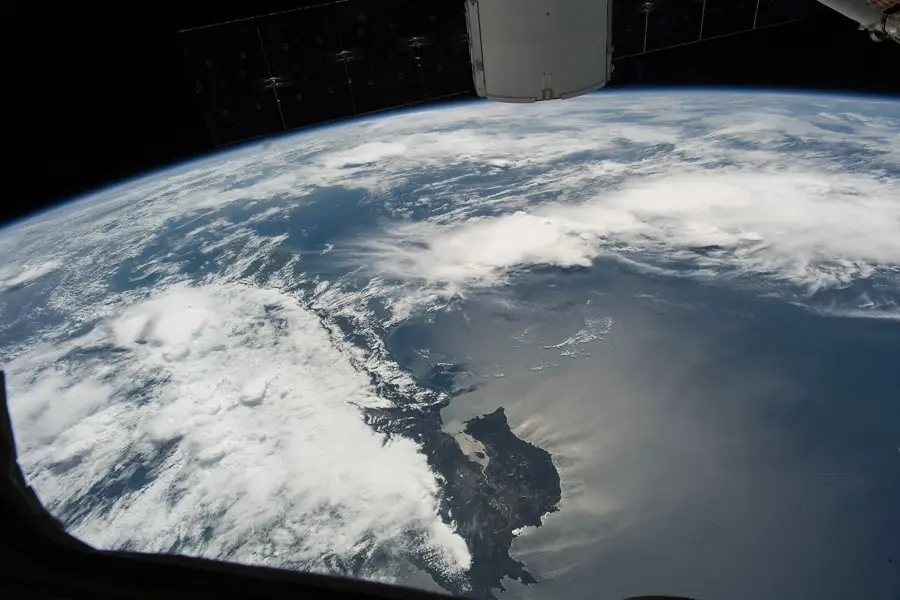
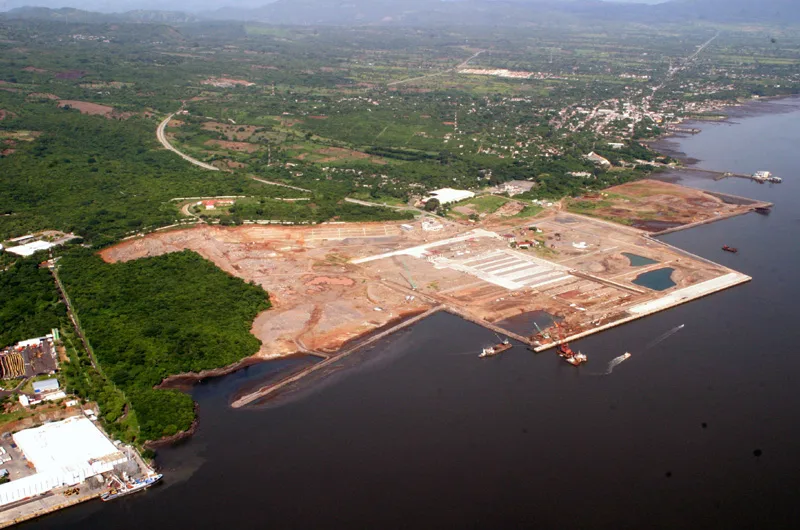
Marcovia is a prominent coastal municipality located in the Choluteca Department of southern Honduras, situated along the Gulf of Fonseca on the Pacific Ocean. Officially established in 1882, the municipality has since developed into one of the most critical economic centers of the southern region. Geographically, Marcovia is defined by its extensive coastline, mangrove forests, and low-lying coastal plains, which provide handy conditions for specialized industries. The local economy is heavily dominated by shrimp farming (camaronicultura), with Marcovia being a leading exporter of farmed shrimp in Central America. In addition to aquaculture, salt production in sea salt evaporation ponds and artisanal fishing play vital roles in the livelihoods of the local population. Over recent decades, tourism has also grown in significance, particularly in beach towns like Cedeño, famous for their distinctive dark volcanic sand beaches. Marcovia represents a key nexus between industrial resource utilization and the conservation of fragile coastal ecosystems. Despite its economic importance, the municipality faces ongoing challenges such as coastal erosion and the broader impacts of climate change on sea levels.
Explore on the map
How well do you know Honduras?
Find cities, landscapes and regions in 10 varied challenges on the interactive map.
Your journey, your memory
A postcard from Marcovia
Turn your own photo into a personal postcard with a local stamp. Free and no sign-up required.
Create a postcard- Location: Honduras
- Nearby: Cedeño (19 km)
- Population: ~24.646 (2026)
Best time to visit & climate
The most pleasant time to visit is Jan, Nov, Dec.
| Jan | Feb | Mar | Apr | May | Jun | Jul | Aug | Sep | Oct | Nov | Dec | |
|---|---|---|---|---|---|---|---|---|---|---|---|---|
| Avg °C | 27 | 28 | 29 | 30 | 28 | 27 | 28 | 28 | 27 | 26 | 26 | 26 |
| Rain mm | 3 | 3 | 7 | 37 | 198 | 214 | 111 | 160 | 250 | 231 | 39 | 17 |
Geography
Facts
- The municipality was officially established in 1882.
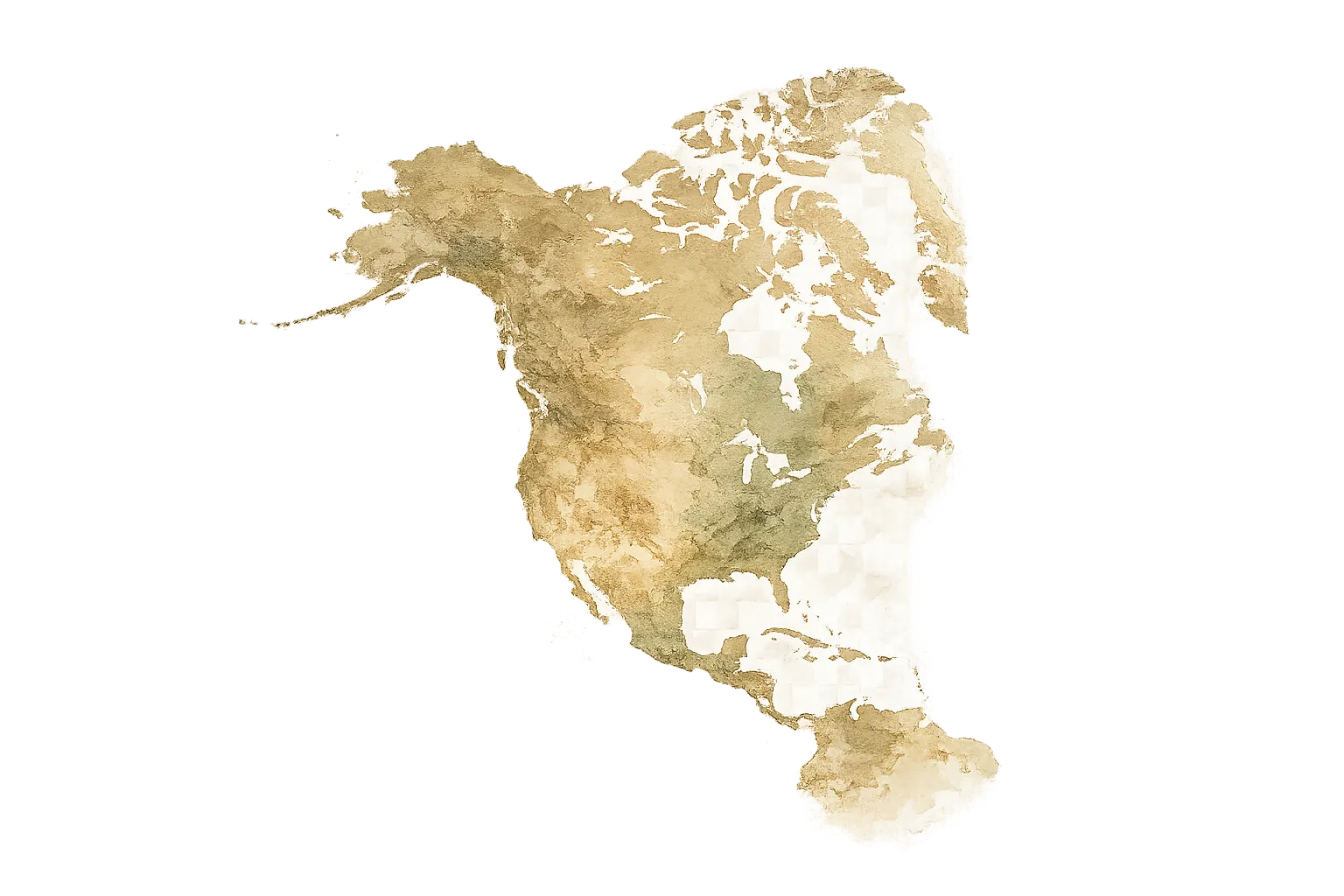
- It is located along the Gulf of Fonseca in the Pacific South.
- Shrimp farming is the dominant industrial activity in Marcovia.
- Cedeño is a popular tourist destination known for its volcanic sand.
- The production of sea salt is a key traditional economic activity.
- Mangrove conservation is a high priority for the local environmental authorities.
Explore nearby
Notable places around
Route planner — Car & Motorhome
Where do you start? We build the route here, with stops and country notes along the way.
© OpenStreetMap contributors · OpenRouteService
Frequently asked questions
Which beach is the most famous in Marcovia?
What can you eat in Marcovia?
What is the climate like in the south?
When is Cedeño most crowded?
Are there mangroves there?
Marcovia: where is it located?
Marcovia: when is the best time to visit?
Marcovia: why is it worth visiting?
Nearby cities

History & landmarks
Nature
More places