Plizio Visual Lab
Estebanía
ℹ️Practical info — Estebanía
▾
🌤 Weather — 5 days
📍 Nearby
Sights nearby
💡 Tips
- The climate is extremely dry, typical of the Azua region, so use sun protection and bring plenty of water.
- Take a motoconcho to explore the nearby agricultural areas where they grow plantains and tomatoes.
- It's a very small and traditional town; carrying cash is an absolute must as cards are rarely accepted.
- Visit around the local patron saint festivals for a glimpse into genuine rural Dominican celebrations.
🍽 Food
Look for these fried cornmeal cakes at street food stalls in the evenings.
A specialty of the south; seek out this stewed goat dish in the small, rustic eateries around town.
As a major tomato-producing area, any local salad will feature incredibly flavorful tomatoes.
🛍 Shopping · 🧘 Quiet spots
Buy fresh plantains and tomatoes straight from the local vendors or at the market.
Ask at the colmados for traditional southern sweets made from milk and local fruits.
The central plaza is a quiet spot to observe the slow-paced daily life of the locals.
Stroll along the dusty paths on the outskirts to appreciate the arid, cactus-dotted landscape of the Azua region.
Water temperature…
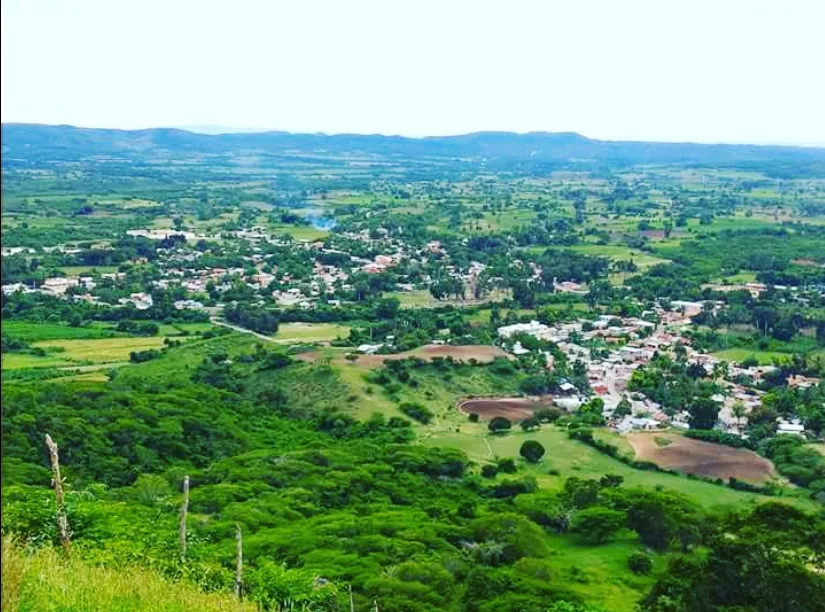
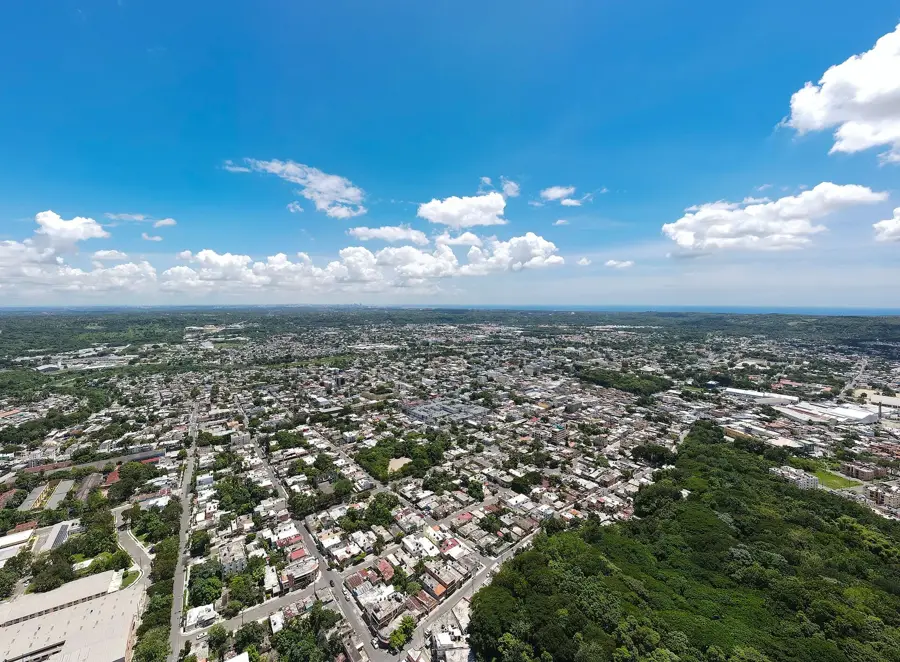
Estebanía is a prominent municipality located in the Azua province of the Dominican Republic, situated very close to the scenic Ocoa Bay. The community's economy is primarily driven by agriculture, with the cultivation of bananas, plantains, and various vegetables providing the main livelihood for its residents. Geographically, the area is characterized by a semi-arid climate, which has been rendered productive through the implementation of extensive irrigation networks. Over recent decades, Estebanía has seen steady infrastructural improvements, enhancing its connectivity with the provincial capital, Azua de Compostela. The town's cultural identity is deeply rooted in religious traditions and annual festivals held in honor of its patron saint, attracting visitors from across the region. Despite ongoing modernization, the municipality maintains its traditional rural character and functions as a vital link between the coastal regions and the interior of the province.
Explore on the map
How well do you know Dominican Republic?
Find cities, landscapes and regions in 10 varied challenges on the interactive map.
Your journey, your memory
A postcard from Estebanía
Turn your own photo into a personal postcard with a local stamp. Free and no sign-up required.
Create a postcard- Location: Dominican Republic
- Nearby: Las Charcas (6 km)
- Population: ~5.591 (2016)
Best time to visit & climate
The most pleasant time to visit is Jan–Mar.
| Jan | Feb | Mar | Apr | May | Jun | Jul | Aug | Sep | Oct | Nov | Dec | |
|---|---|---|---|---|---|---|---|---|---|---|---|---|
| Avg °C | 23 | 23 | 23 | 24 | 25 | 25 | 25 | 26 | 26 | 25 | 24 | 23 |
| Rain mm | 23 | 20 | 22 | 40 | 67 | 47 | 56 | 69 | 60 | 66 | 70 | 43 |
Geography
Facts
- Estebanía was officially elevated to the status of a municipality on November 20, 2001.
- The town is located approximately 12 kilometers east of Azua de Compostela.
- The territory falls within the hydrographic region of the Yaque del Sur river.
- The average annual temperature remains steady between 26 and 28 degrees Celsius.
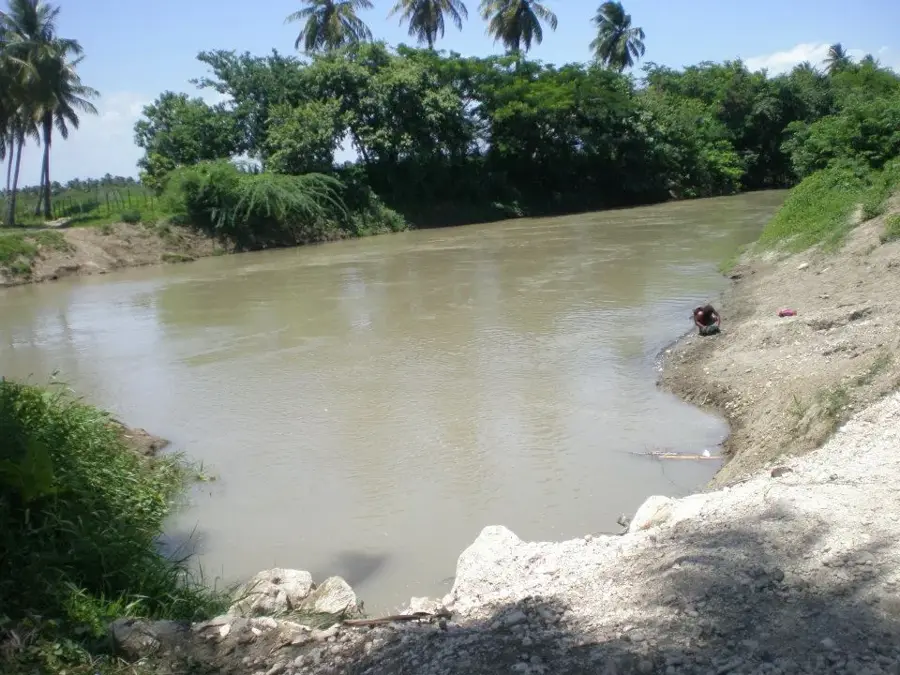
- Irrigation canals such as Ysura are crucial for the local agricultural output.
- The region is well-known for producing high-quality bananas for international markets.
Explore nearby
Notable places around
Route planner — Car & Motorhome
Where do you start? We build the route here, with stops and country notes along the way.
© OpenStreetMap contributors · OpenRouteService
Frequently asked questions
What is special about Estebanía?
Are there nature parks nearby?
What is the weather usually like?
What is produced there?
Is there medical care available?
Estebanía: where is it located?
Estebanía: when is the best time to visit?
Estebanía: why is it worth visiting?

Nearby cities


History & landmarks
Nature
More places