Plizio Visual Lab
Las Charcas
ℹ️Practical info — Las Charcas
▾
🌤 Weather — 5 days
📍 Nearby
Sights nearby
💡 Tips
- The coastal areas are relatively undeveloped; bring your own shade (umbrella) and snacks.
- Sun protection is a must, as the Azua region is one of the driest and sunniest.
- Renting a reliable vehicle is recommended to explore pristine beaches like Playa Caracoles.
- Stop at roadside stalls to buy local agricultural products, as large supermarkets are scarce.
- If visiting the bay areas, insect repellent is useful for the late afternoons.
🍽 Food
A traditional dish of the southern region, often served with goat meat.
Available at small, rustic beachfront eateries.
Try homemade sweets from local roadside vendors.
🛍 Shopping · 🧘 Quiet spots
Buy mangoes and bananas directly from farmers along the main highway.
Pick these up at the main colmados in town before heading to the coast.
A secluded, historic beach first-rate for a quiet afternoon.
Beautiful and calm for enjoying the sunset away from crowds.
Water temperature…
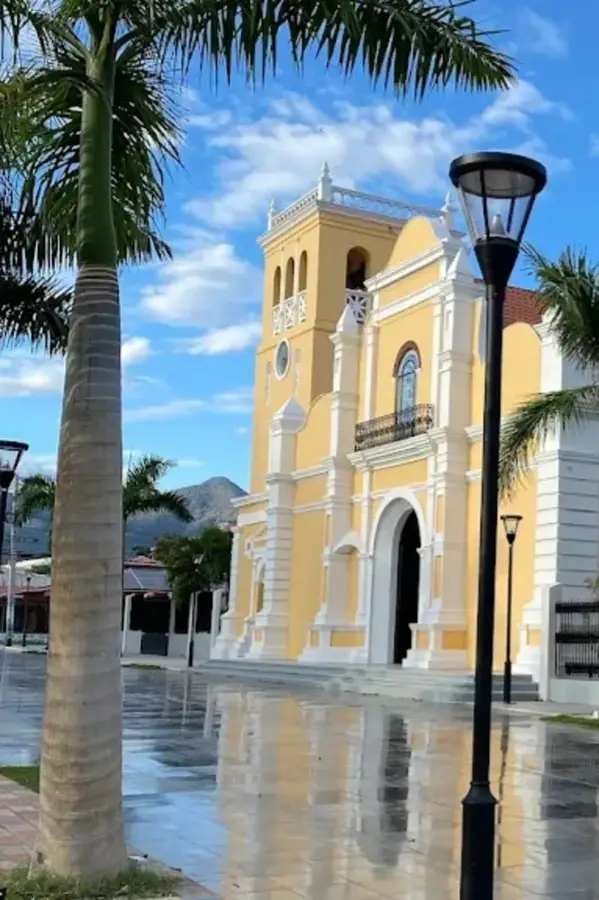
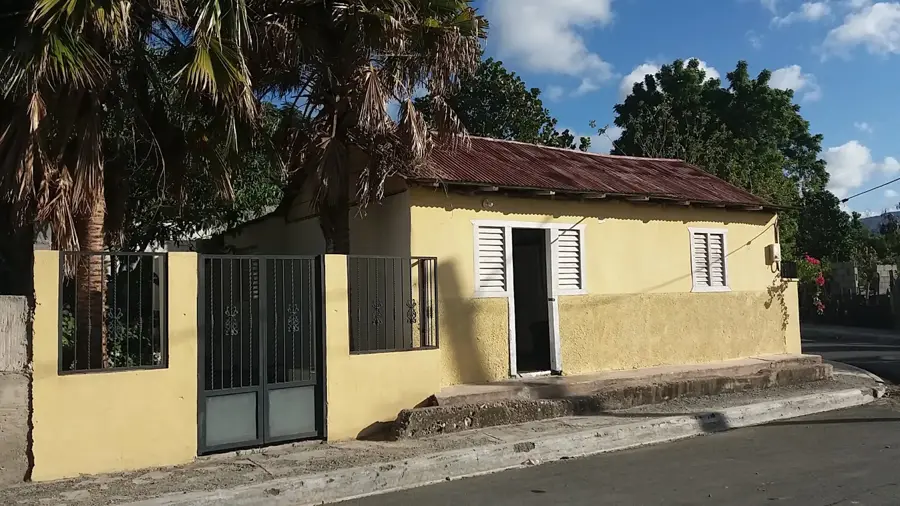
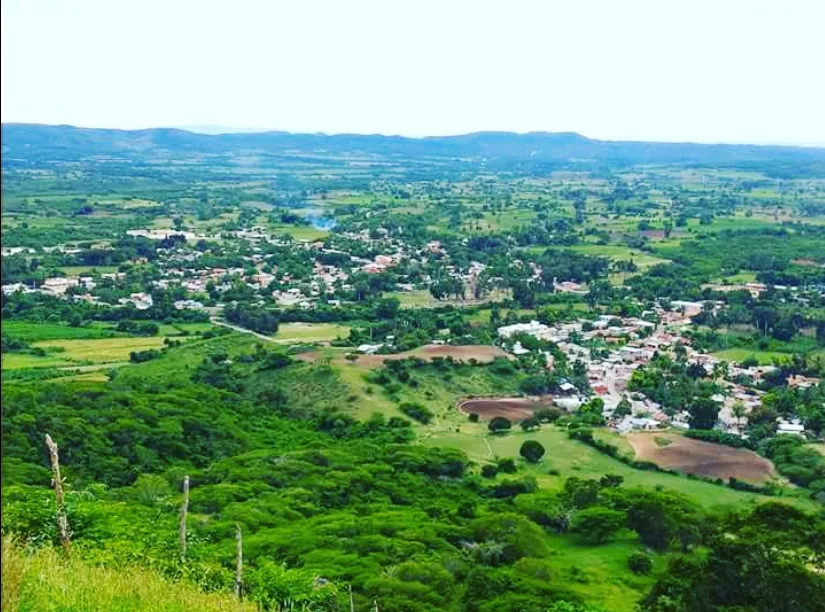
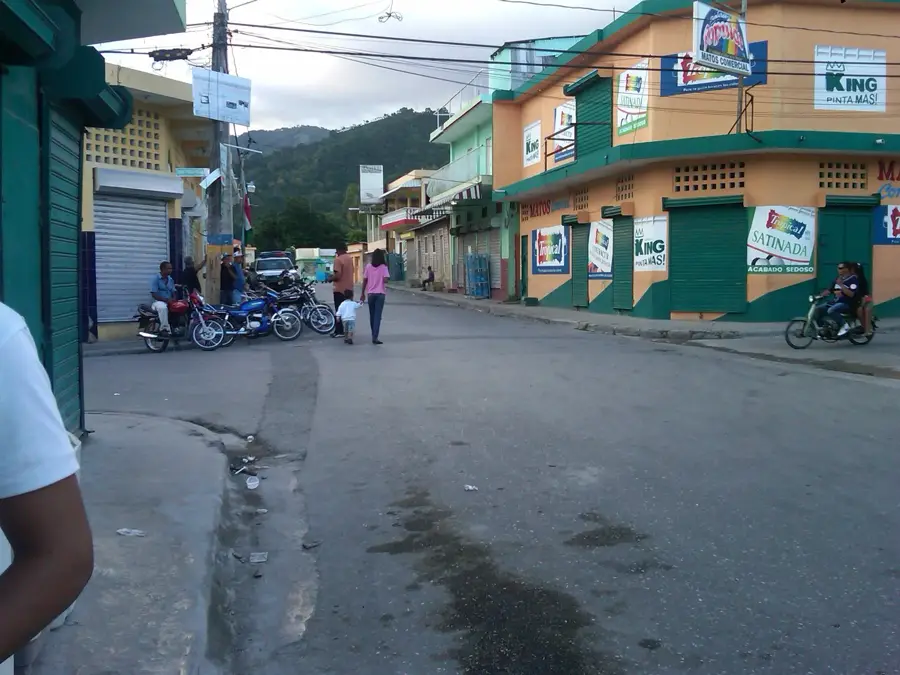
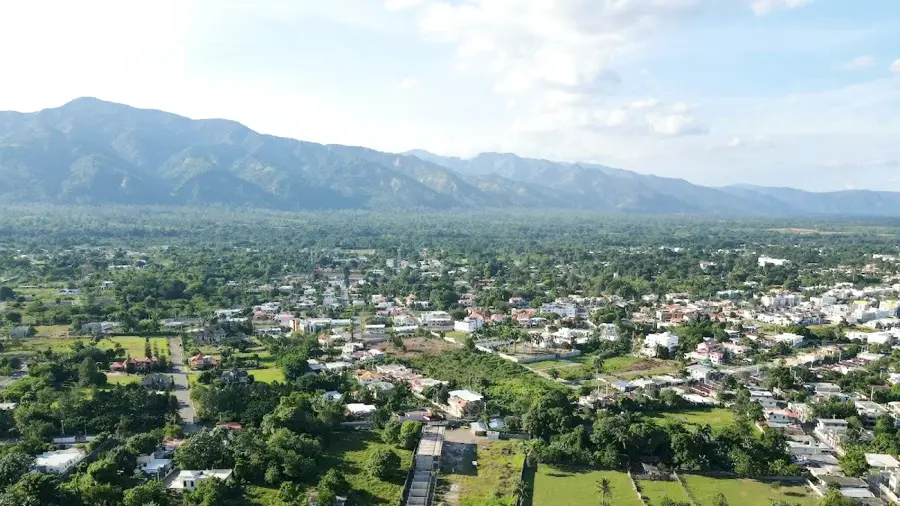
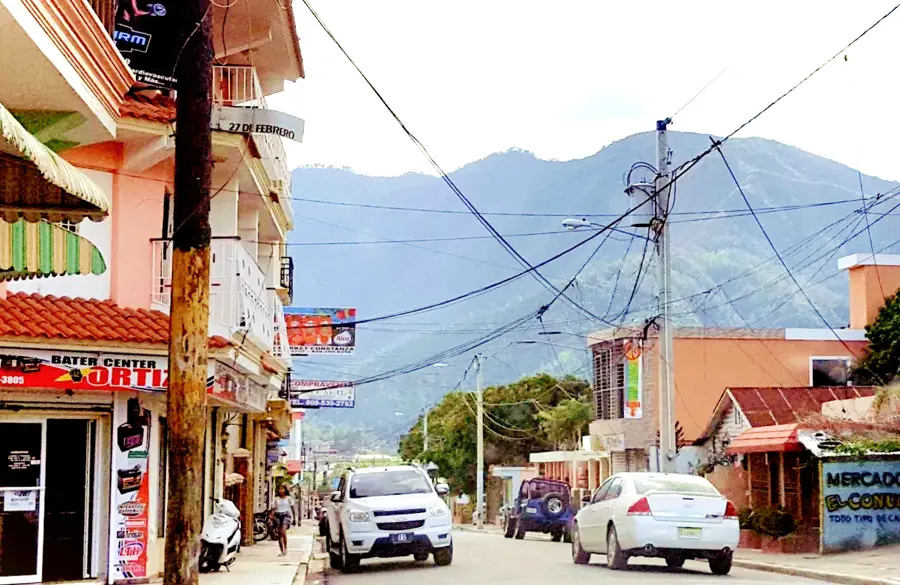
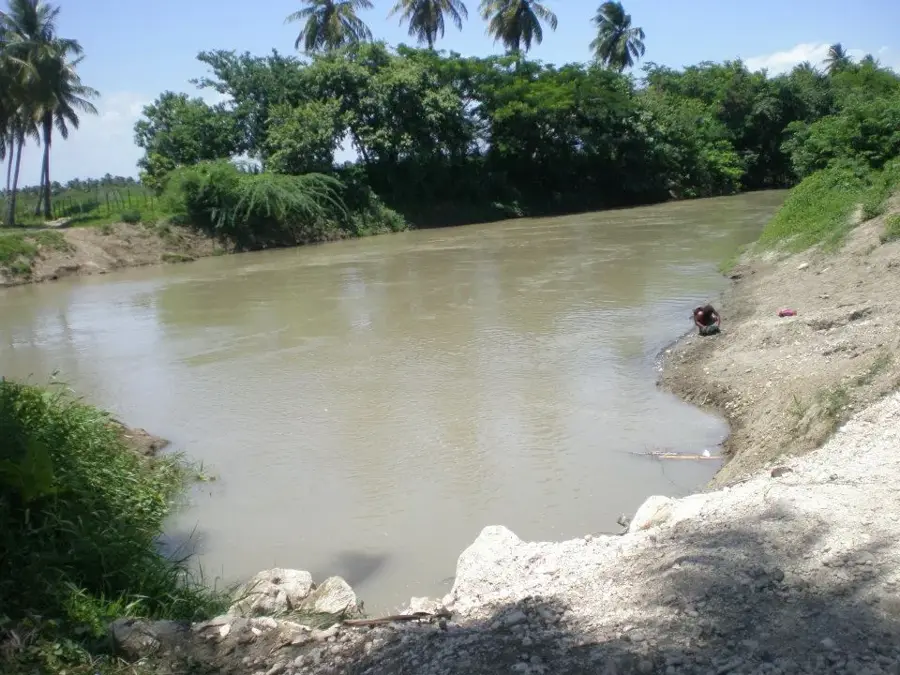
Las Charcas is a dynamic municipality in the Azua province, located on the southern coast of the Dominican Republic. The municipality borders the Ocoa Bay directly, granting it significant tourist and maritime potential. Las Charcas was established on January 1, 2001, after separating from the provincial capital, Azua de Compostela. The region is characterized by a dry, hot climate, which nevertheless allows for intensive agriculture via irrigation systems. The town is particularly famous for the cultivation of tomatoes and onions, produced in large quantities for the food industry. In recent years, Las Charcas has also developed into a hub for renewable energy, as the high solar radiation is good for large-scale solar parks. Geographically, the municipality features a contrast between the arid coastal zone and fertile fields. Proximity to the sea also enables local fishing, which supplies the region's markets. Las Charcas serves as an example of a transition from a purely agrarian municipality to a modern economic location.
Explore on the map
How well do you know Dominican Republic?
Find cities, landscapes and regions in 10 varied challenges on the interactive map.
Your journey, your memory
A postcard from Las Charcas
Turn your own photo into a personal postcard with a local stamp. Free and no sign-up required.
Create a postcard- Location: Dominican Republic
- Nearby: Estebanía (6 km)
- Population: ~4.720 (2016)
Best time to visit & climate
The most pleasant time to visit is Jan–Mar.
| Jan | Feb | Mar | Apr | May | Jun | Jul | Aug | Sep | Oct | Nov | Dec | |
|---|---|---|---|---|---|---|---|---|---|---|---|---|
| Avg °C | 23 | 23 | 23 | 24 | 25 | 25 | 25 | 26 | 26 | 25 | 24 | 23 |
| Rain mm | 23 | 20 | 22 | 40 | 67 | 47 | 56 | 69 | 60 | 66 | 70 | 43 |
Geography
Facts
- Las Charcas was officially elevated to municipality status on January 1, 2001.
- The municipality is located on the strategically important Ocoa Bay.
- Industrial tomatoes are the main product of local agriculture.
- The region hosts significant photovoltaic plants for electricity generation.
- The Sánchez national highway connects the town with the capital, Santo Domingo.
- Las Charcas features several untouched pebble beaches along its coastline.
Explore nearby
Notable places around
Route planner — Car & Motorhome
Where do you start? We build the route here, with stops and country notes along the way.
© OpenStreetMap contributors · OpenRouteService
Frequently asked questions
What is there to see in Las Charcas?
Is Las Charcas by the sea?
What is the local cuisine like?
Can you refuel there?
Are there cultural festivals?
Las Charcas: where is it located?
Las Charcas: when is the best time to visit?
Las Charcas: why is it worth visiting?

Nearby cities




History & landmarks
Nature
More places