Plizio Visual Lab
Leche Lagoon
Weather…
Water temperature…
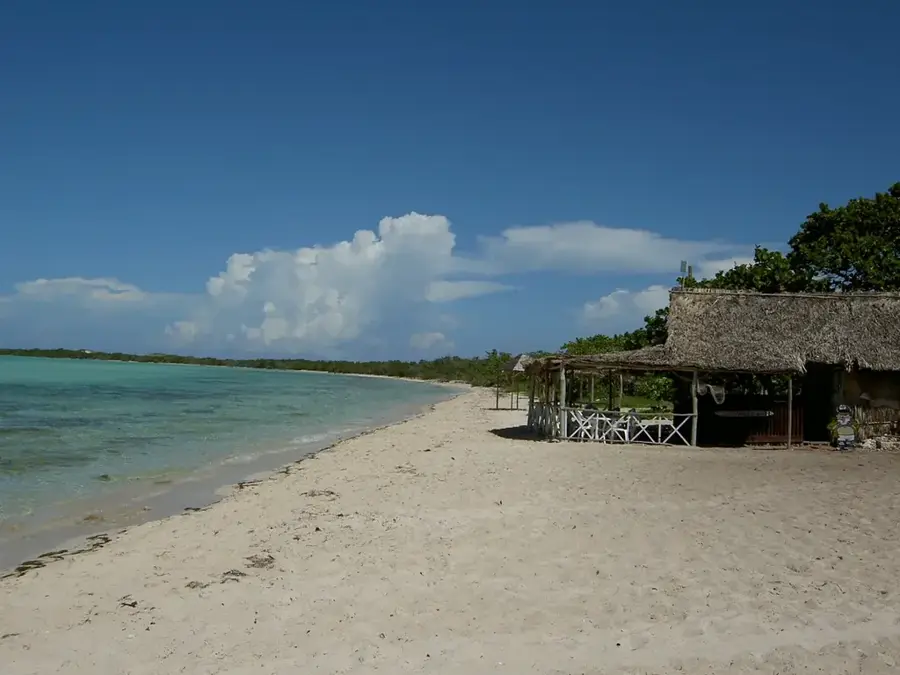
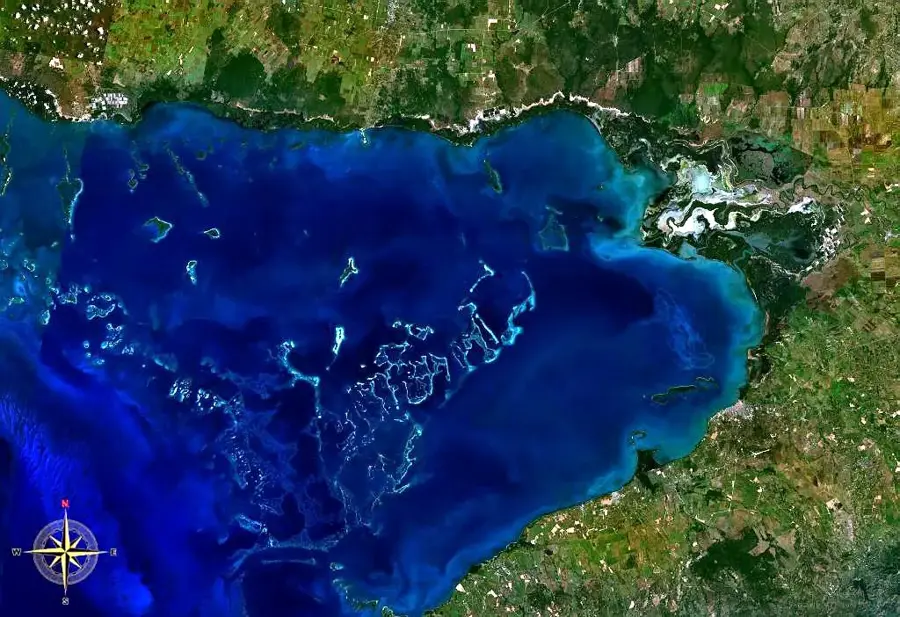
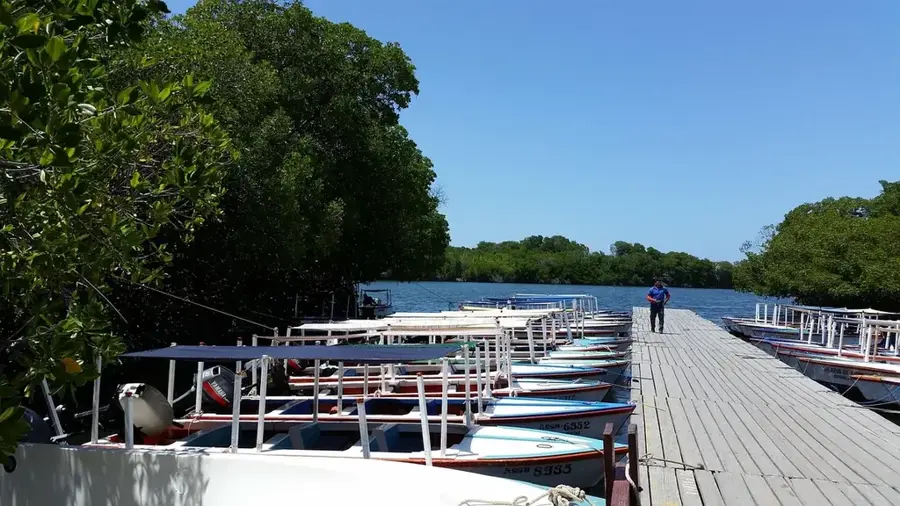
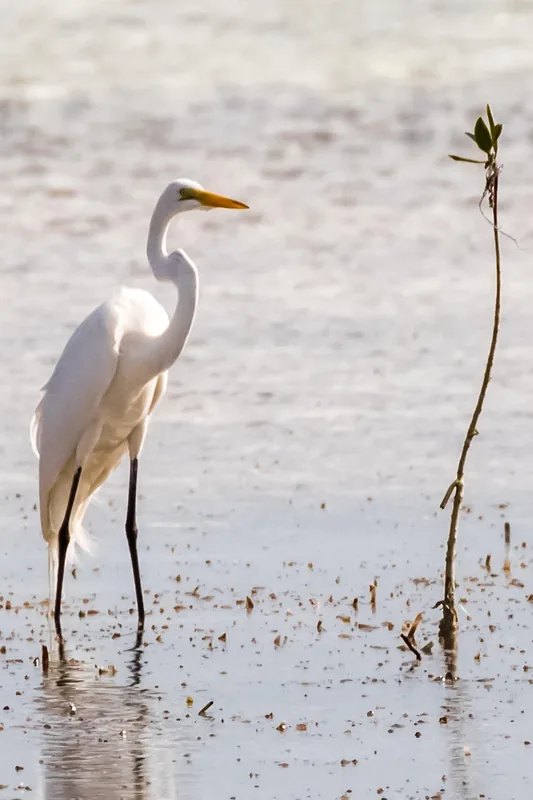
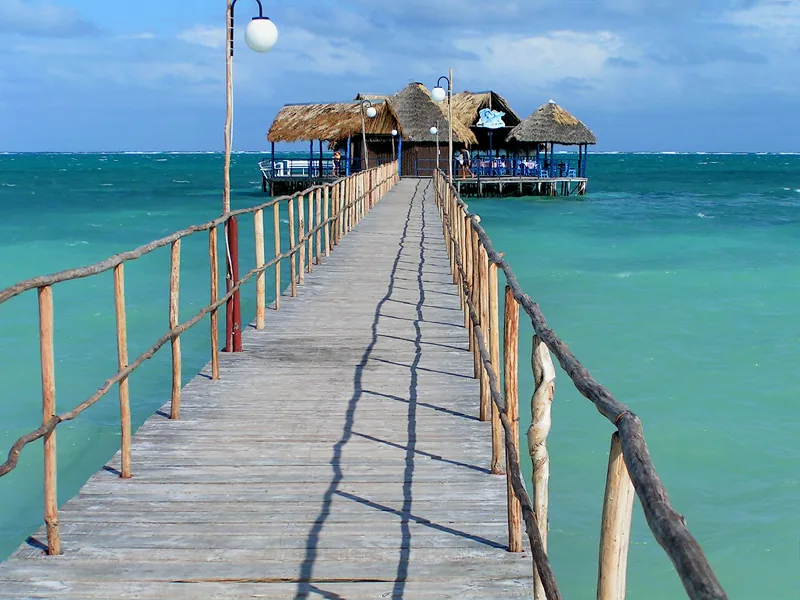
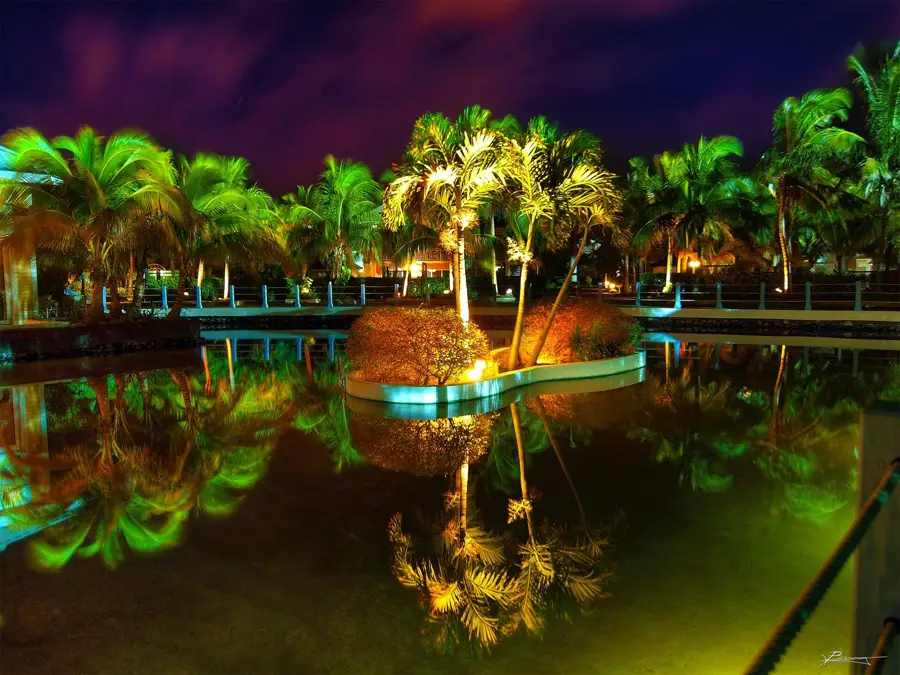
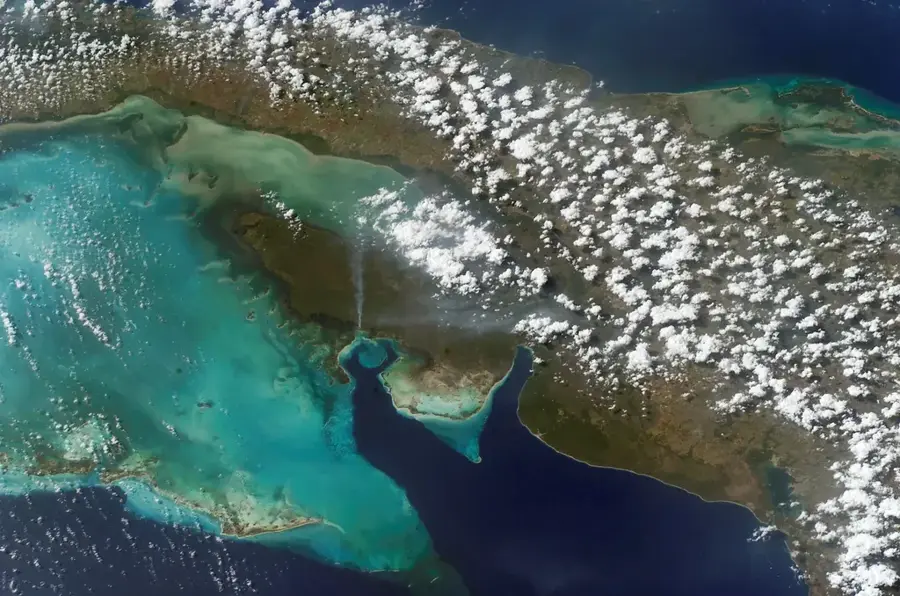
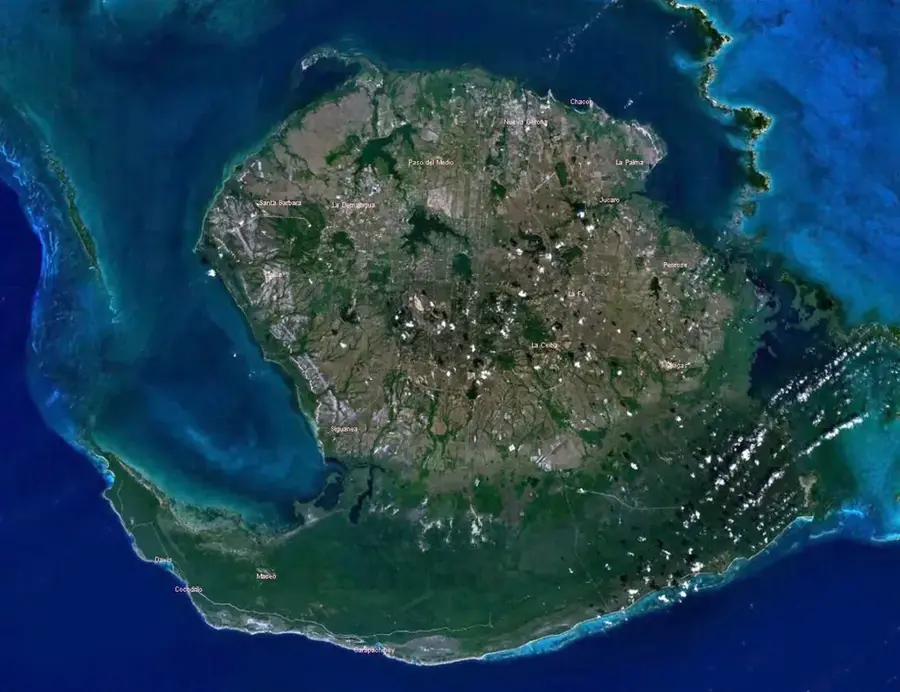
Leche Lagoon, also known as the Milky Lagoon, is the largest natural lake in Cuba, covering an area of approximately 67 square kilometers. Located in the Ciego de Ávila province, just north of the city of Morón, the lagoon is connected to the Caribbean Sea via a man-made canal. Its distinctive name is derived from the milky-white appearance of its water, caused by limestone deposits on the lakebed that are stirred up by wind and currents. Geologically, it is a brackish water lagoon, receiving fresh water from surrounding streams and salt water from the ocean. The ecosystem surrounding Leche Lagoon is characterized by extensive mangrove forests that provide a sanctuary for various bird and aquatic species. The lake is a premier destination for sport fishing, particularly famous for tarpon and snook, which thrive in its nutrient-rich environment. Historically, the lagoon served as an important transportation route for agricultural goods moving between the coast and the island's interior. Today, it is primarily a recreational and tourist site, especially given its proximity to the causeway (pedraplén) that leads to the popular resort island of Cayo Coco.
Explore on the map
How well do you know Cuba?
Find cities, landscapes and regions in 10 varied challenges on the interactive map.
Your journey, your memory
A postcard from Leche Lagoon
Turn your own photo into a personal postcard with a local stamp. Free and no sign-up required.
Create a postcard- Location: Cuba
- Nearby: Morón (25 km)
Best time to visit & climate
The most pleasant time to visit is Jan, Feb, Dec.
| Jan | Feb | Mar | Apr | May | Jun | Jul | Aug | Sep | Oct | Nov | Dec | |
|---|---|---|---|---|---|---|---|---|---|---|---|---|
| Avg °C | 23 | 24 | 25 | 27 | 27 | 28 | 28 | 28 | 28 | 27 | 25 | 24 |
| Rain mm | 16 | 21 | 36 | 53 | 142 | 154 | 84 | 128 | 137 | 116 | 40 | 19 |
📋 Practical info
Geography
Facts
- Largest natural lake in Cuba at 67 square kilometers.
- Named for white lime deposits stirred up by currents.
- Features a shallow average depth of about 2 meters.
- Connected to the sea through the Chicola Channel.
- Renowned internationally as a top spot for tarpon fishing.
- Located in the Ciego de Ávila province near Morón.
Explore nearby
Notable places around

Route planner — Car & Motorhome
Where do you start? We build the route here, with stops and country notes along the way.
© OpenStreetMap contributors · OpenRouteService
Sights nearby
Frequently asked questions
Why is it called 'Milk Lagoon'?
Is it fresh water or salt water?
Can you go bird watching there?
Are there water sports activities?
Where is the lagoon located?
Leche Lagoon: where is it located?
Leche Lagoon: when is the best time to visit?
Leche Lagoon: why is it worth visiting?
Nearby cities
History & landmarks
Nature
More places