Plizio Visual Lab
Camaguey
ℹ️Practical info — Camaguey
▾
🌤 Weather — 5 days
📍 Nearby
Sights nearby
💡 Tips
- The city's street layout is famously labyrinthine to confuse pirates; use offline maps or landmarks like the tinajones (clay pots) to navigate.
- Tinajones are everywhere; they were originally used to catch rainwater and are now the city's symbol.
- Bici-taxis (bicycle taxis) are the easiest way to navigate the narrow, winding alleys of the historic center.
- The Plaza San Juan de Dios is the most well-preserved colonial square, best visited in the early morning for photos.
- Stay in a Casa Particular to experience the beautiful interior patios hidden behind unassuming street facades.
🍽 Food
Dried, salted beef cooked in a rich tomato sauce, served in traditional paladares.
Crispy cassava bread often served as a side dish in authentic Cuban eateries.
Seek out the state-run Coppelia branch or private parlors along Calle República.
🛍 Shopping · 🧘 Quiet spots
A bustling pedestrian street filled with small shops and vendors.
Buy a small clay replica of the city's symbol from local ceramic workshops.
Find contemporary local art and souvenirs by artist Orestes Larios Zaak.
Cuba's largest urban park, excellent for a shaded walk away from the narrow streets.
A beautifully restored, tranquil square featuring life-sized bronze statues depicting local characters.
Water temperature…
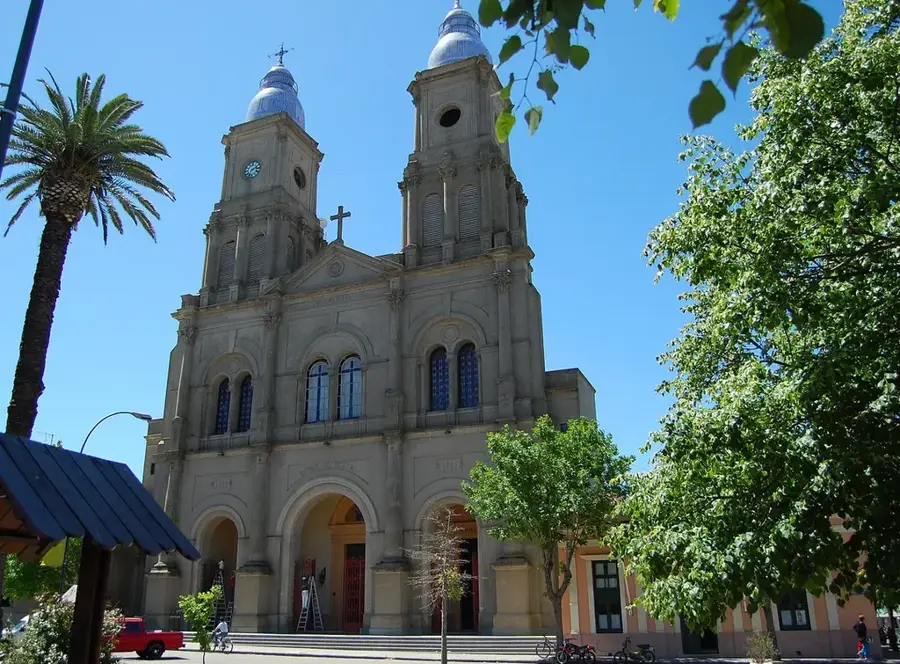
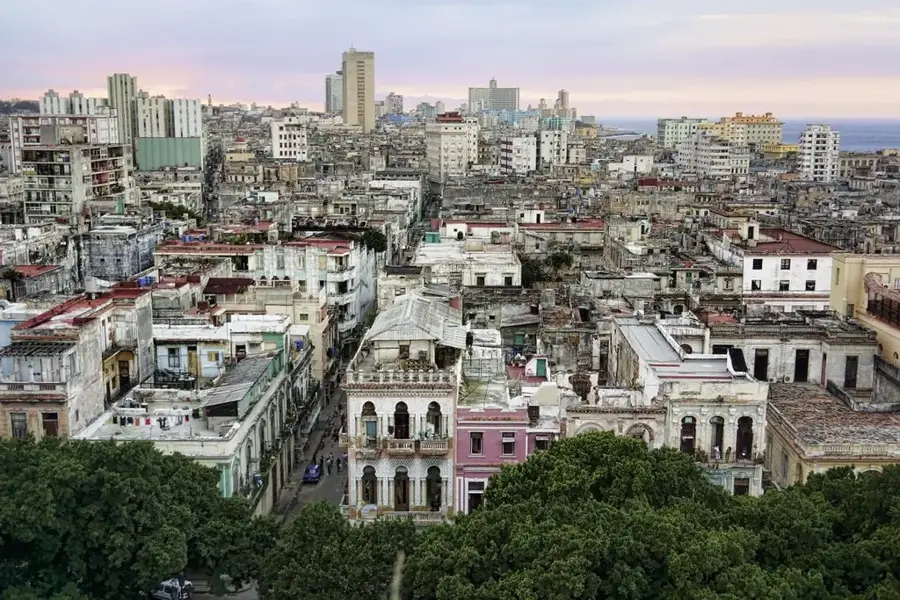
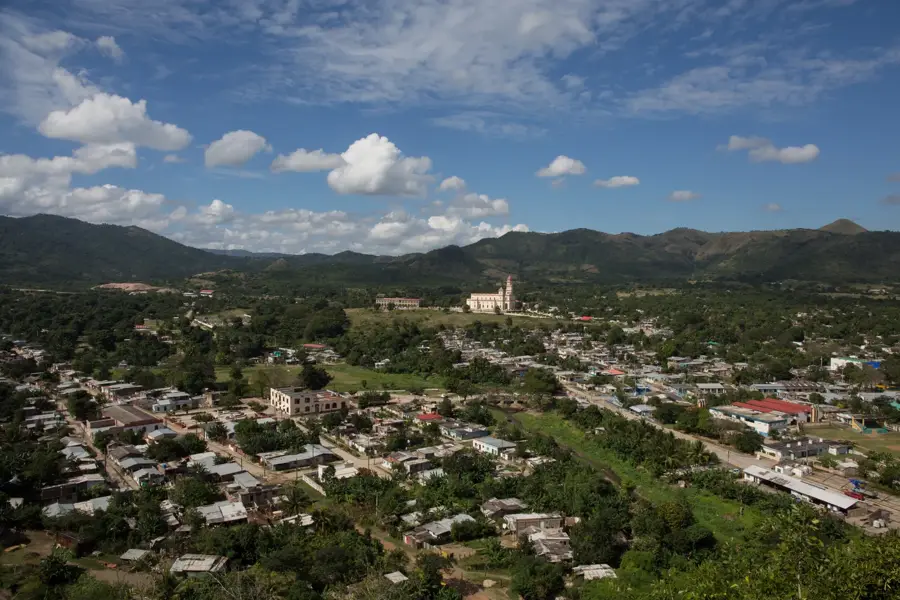
Camagüey, the third-largest city in Cuba, was originally founded in 1514 as Santa María del Puerto del Príncipe on the northern coast before being moved to its current inland location in 1528. The city is renowned for its extraordinary labyrinth of narrow, winding streets and irregular plazas, a layout deliberately designed to confuse pirates and facilitate defense during the 16th century. This unique urban configuration distinguishes Camagüey from the standard grid pattern typical of most Spanish colonial settlements in the Americas. The historic center was designated a UNESCO World Heritage site in 2008, featuring numerous ancient churches, Baroque facades, and welcoming interior courtyards. A signature symbol of the city is the "tinajón," a large clay pot originally used to collect rainwater, which can now be found throughout the city as a token of local heritage. Camagüey is also a prominent cultural hub, particularly famous for its professional ballet company and animated contemporary art scene. The surrounding province is traditionally the center of Cuba's cattle ranching industry, which significantly influences both the local economy and the region's culinary traditions.
Explore on the map
How well do you know Cuba?
Find cities, landscapes and regions in 10 varied challenges on the interactive map.
Your journey, your memory
A postcard from Camaguey
Turn your own photo into a personal postcard with a local stamp. Free and no sign-up required.
Create a postcard- Location: Cuba
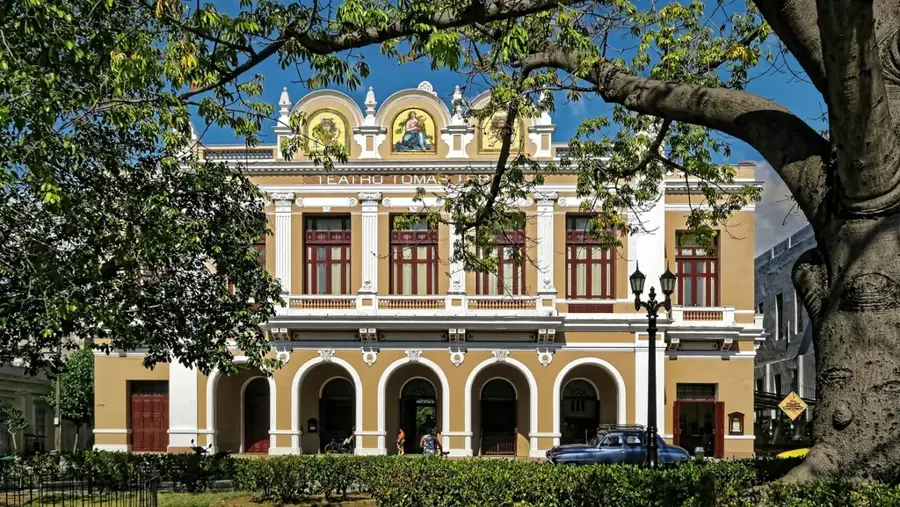
- Highlights: Teatro Avellaneda · Iglesia de Santa Ana · Teatro Principal
- Nearby: Florida (36 km)
- Population: ~347.562 (2026)
Best time to visit & climate
The most pleasant time to visit is Jan, Feb, Dec.
| Jan | Feb | Mar | Apr | May | Jun | Jul | Aug | Sep | Oct | Nov | Dec | |
|---|---|---|---|---|---|---|---|---|---|---|---|---|
| Avg °C | 23 | 24 | 25 | 27 | 27 | 28 | 28 | 28 | 28 | 27 | 25 | 24 |
| Rain mm | 16 | 22 | 38 | 56 | 153 | 161 | 83 | 132 | 146 | 122 | 41 | 17 |
History & landmarks
1514
Geography
Facts
- Originally founded in 1514 and moved inland in 1528.
- UNESCO World Heritage site status since 2008.
- Famous for 'tinajones', large clay water-storage jars.
- The maze-like street layout was designed to deter pirates.
- Home to the second-largest professional ballet in Cuba.
- Features over 15 historic churches in its central district.
Explore nearby
Notable places around
Route planner — Car & Motorhome
Where do you start? We build the route here, with stops and country notes along the way.
© OpenStreetMap contributors · OpenRouteService
Sights in the town Camaguey (15)
Frequently asked questions
Why are the streets in Camagüey so winding?
What are tinajones?
Are there many churches in the city?
Is the city overcrowded with tourists?
How is it best to get around in the center?
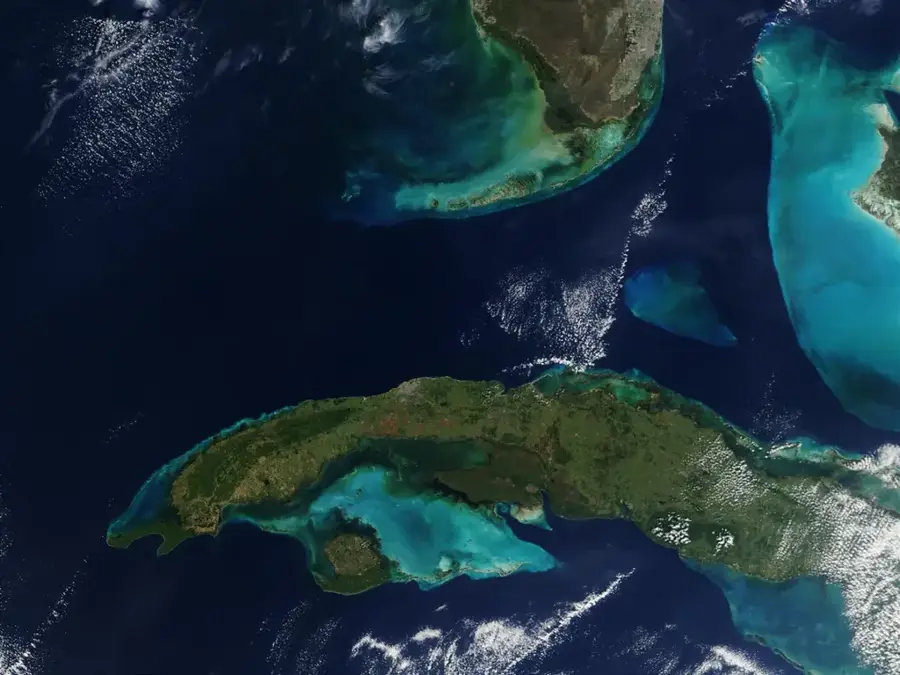
Camaguey: where is it located?
Camaguey: what is there to see?
Camaguey: when is the best time to visit?
Camaguey: why is it worth visiting?
Nearby cities
History & landmarks
Nature
More places