Plizio Visual Lab
Viñales
ℹ️Practical info — Viñales
▾
🌤 Weather — 5 days
📍 Nearby
Sights nearby
💡 Tips
- Rent a bicycle to explore the valley at your own pace; the roads are generally quiet.
- Withdraw enough cash in Havana before arriving; ATMs here are limited and often run out of money.
- Bring a raincoat if visiting during the summer, as sudden heavy downpours are common.
- Book a guided horseback tour through the tobacco fields for an authentic local experience.
- Sunset from the viewpoint near Hotel Los Jazmines has the iconic photo of the valley.
🍽 Food
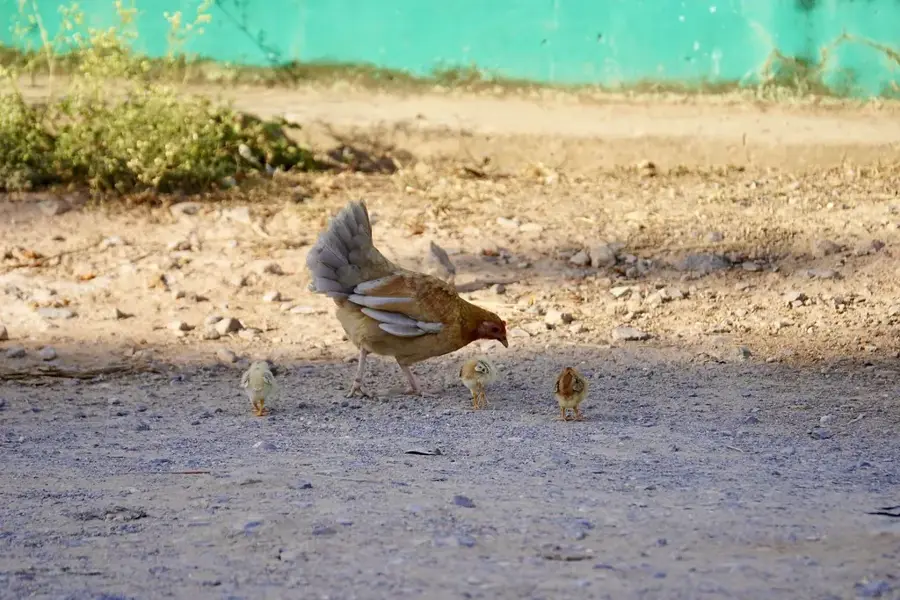
Barbecue chicken served at most local farm-to-table paladares.
Enjoy mangoes, pineapples, and guavas served at the casas particulares for breakfast.
Smoke one dipped in honey while visiting a local tobacco farm.
🛍 Shopping · 🧘 Quiet spots
Buy handmade crafts and souvenirs directly from the makers.
Often sold by farmers directly during valley tours.
Take a boat ride through the underground river early to beat the crowds.
Find a quiet spot away from the main restaurant to admire the valley walls.
Water temperature…
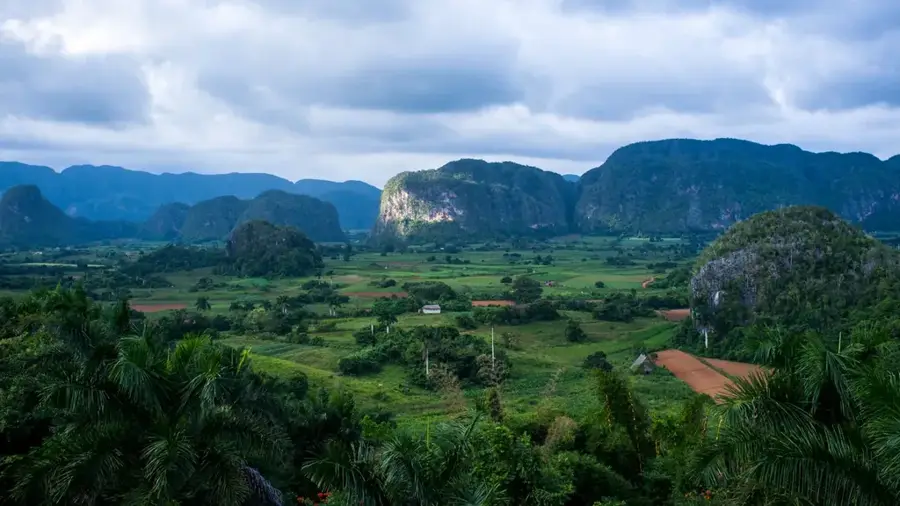
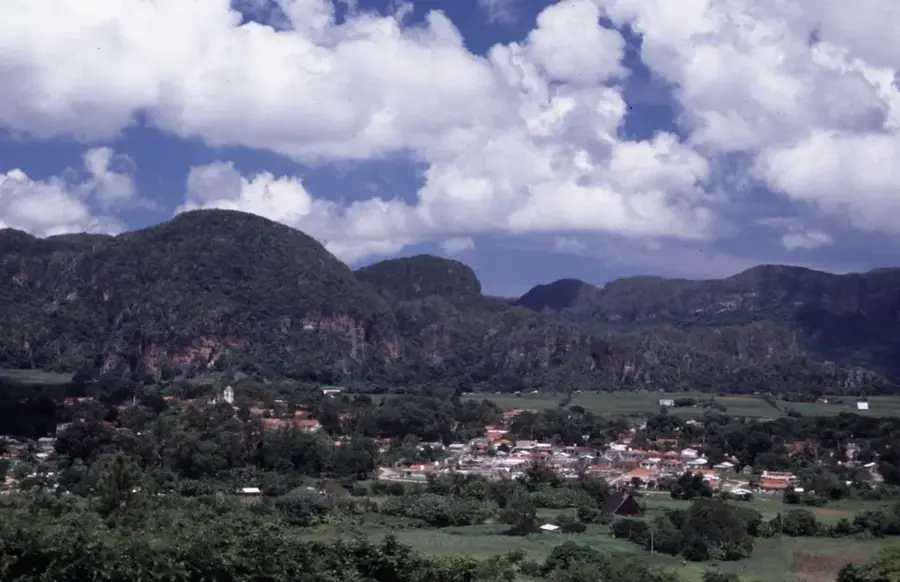
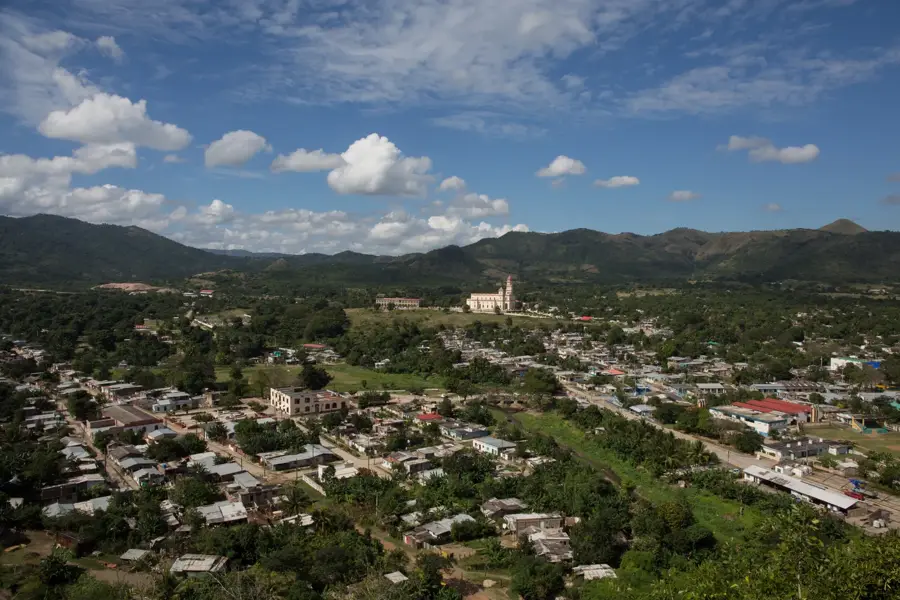
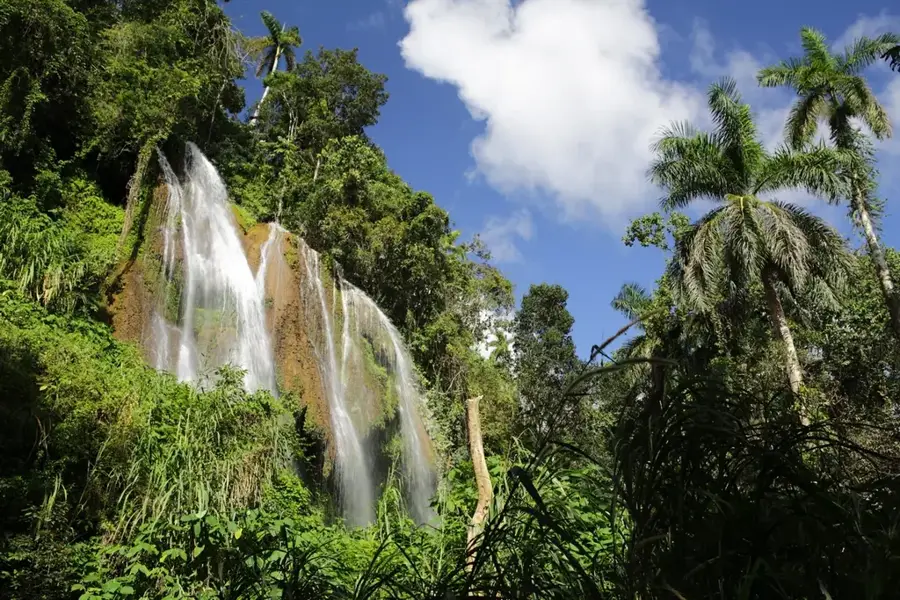
The Viñales Valley is located in the Pinar del Río province of western Cuba and stands as one of the most scenic landscapes on the island. It was designated a UNESCO World Heritage site in 1999 under the category of Cultural Landscape. The valley is distinguished by its "mogotes," which are steep-sided karst limestone hills with rounded tops that rise dramatically from the flat valley floor. This region is world-renowned for cultivating high-quality tobacco using traditional farming methods, where oxen are still frequently employed for plowing the fields. A famous landmark is the Mural de la Prehistoria, a massive painting on a cliffside of the Sierra de los Órganos depicting the history of evolution. The valley also contains extensive cave systems, including the Gran Caverna de Santo Tomás, the largest cave in Cuba. Viñales has become a hub for ecotourism, offering visitors activities such as hiking, horseback riding, and rock climbing. The architecture of Viñales village, characterized by low houses with wide porches, perfectly reflects the rustic charm of the Cuban countryside.
Explore on the map
How well do you know Cuba?
Find cities, landscapes and regions in 10 varied challenges on the interactive map.
Your journey, your memory
A postcard from Viñales
Turn your own photo into a personal postcard with a local stamp. Free and no sign-up required.
Create a postcard- Location: Cuba
- Highlights: Museo Municipal de Viñales Adela Azcuy Labrador · Casa del campesino · Centro Cultural Casa del Veguero
- Nearby: Consolación del Sur (24 km)
- Population: ~27.129 (2016)
Best time to visit & climate
The most pleasant time to visit is Jan, Feb, Dec.
| Jan | Feb | Mar | Apr | May | Jun | Jul | Aug | Sep | Oct | Nov | Dec | |
|---|---|---|---|---|---|---|---|---|---|---|---|---|
| Avg °C | 22 | 23 | 24 | 26 | 28 | 28 | 29 | 29 | 28 | 27 | 25 | 23 |
| Rain mm | 35 | 28 | 25 | 35 | 76 | 124 | 95 | 120 | 119 | 93 | 38 | 24 |
History & landmarks
1878
Geography
Facts
- Designated a UNESCO World Heritage site in 1999
- Famous for the limestone karst hills known as mogotes
- Global center for high-quality tobacco cultivation
- Features the 120-meter-long Mural de la Prehistoria
- Gran Caverna de Santo Tomás is Cuba's largest cave system
- Farming is still largely carried out using traditional oxen
Explore nearby
Notable places around
Route planner — Car & Motorhome
Where do you start? We build the route here, with stops and country notes along the way.
© OpenStreetMap contributors · OpenRouteService
Sights in the town Viñales (10)
Frequently asked questions
What makes Viñales so special?
Can you visit tobacco farms?
What is the best way to explore the valley?
Are there caves there?
How long should you stay?
Viñales: where is it located?
Viñales: what is there to see?
Viñales: when is the best time to visit?
Viñales: why is it worth visiting?

Nearby cities
History & landmarks
Nature
More places