Plizio Visual Lab
Holguin
ℹ️Practical info — Holguin
▾
🌤 Weather — 5 days
📍 Nearby
Sights nearby
💡 Tips
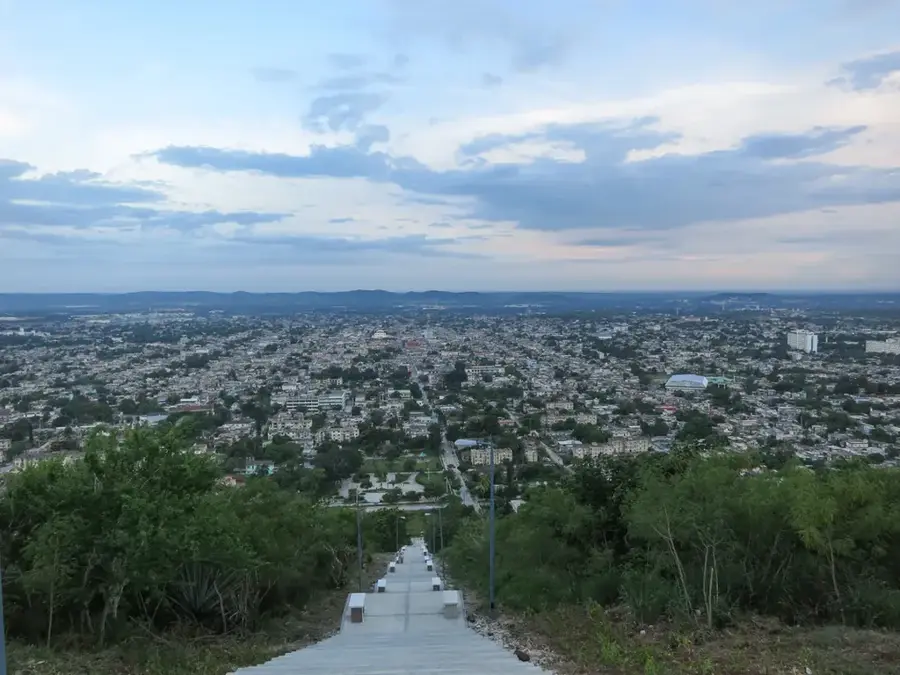
- Climb the Loma de la Cruz in the late afternoon; the hundreds of steps are grueling in the midday sun.
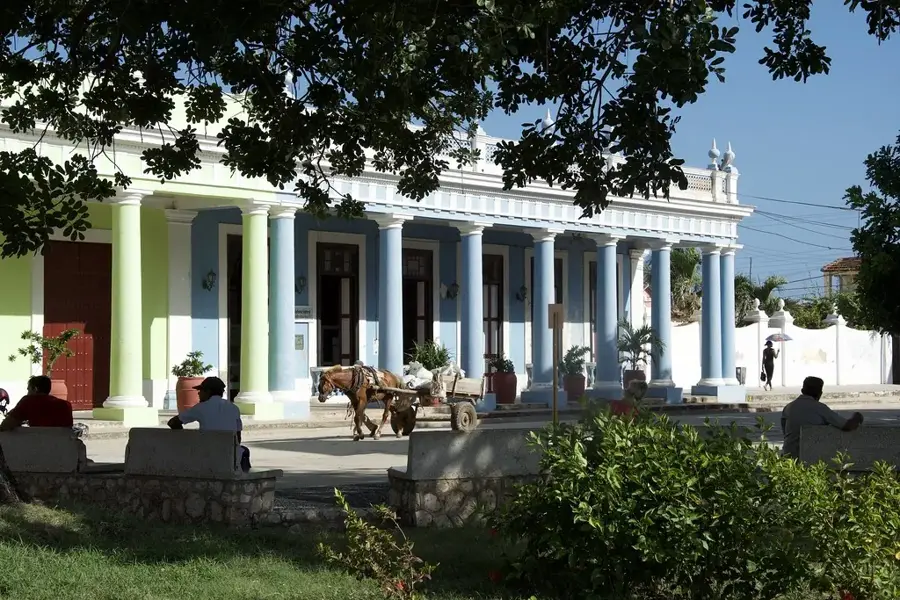
- The city is defined by its many interlinked parks; orient yourself by learning the sequence of the main plazas.
- Holguin is less touristy than Havana; learning a few basic Spanish phrases goes a long way here.
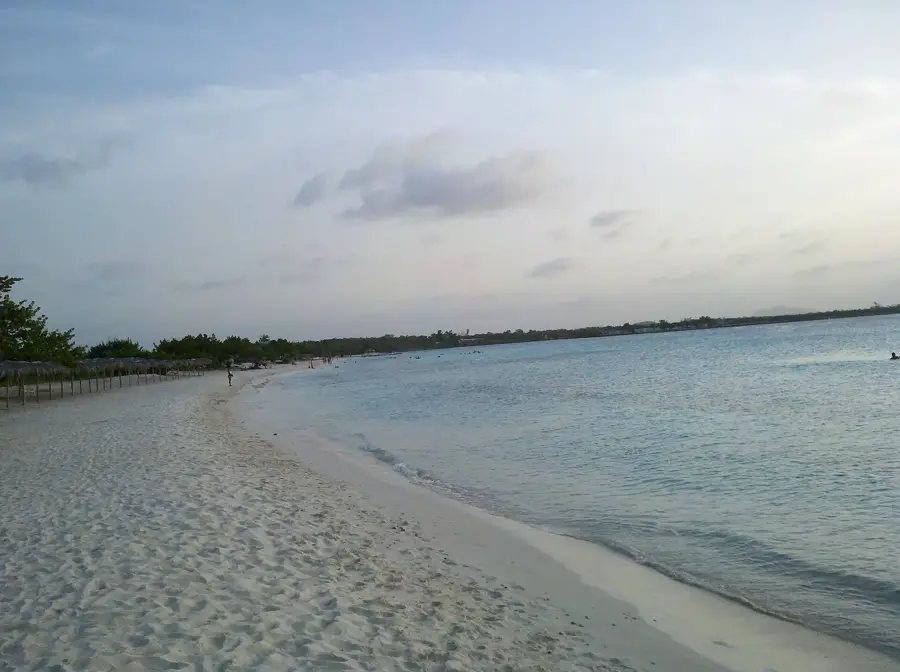
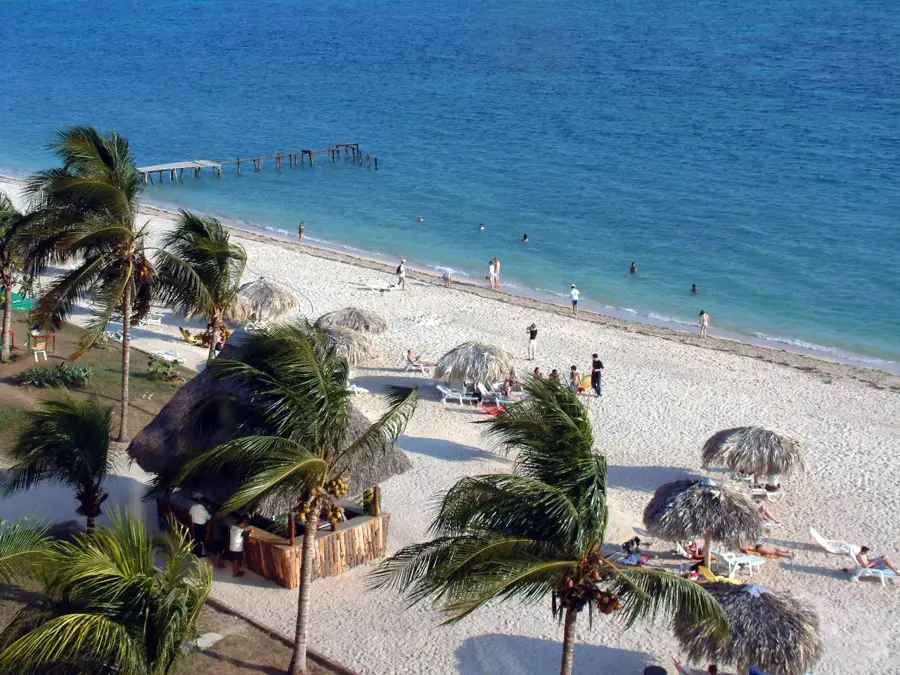
- Renting a scooter is a great way to access the pristine beaches like Guardalavaca, which are about an hour's drive away.
- Try the local Cristal beer; it is brewed right here in Holguin.
🍽 Food
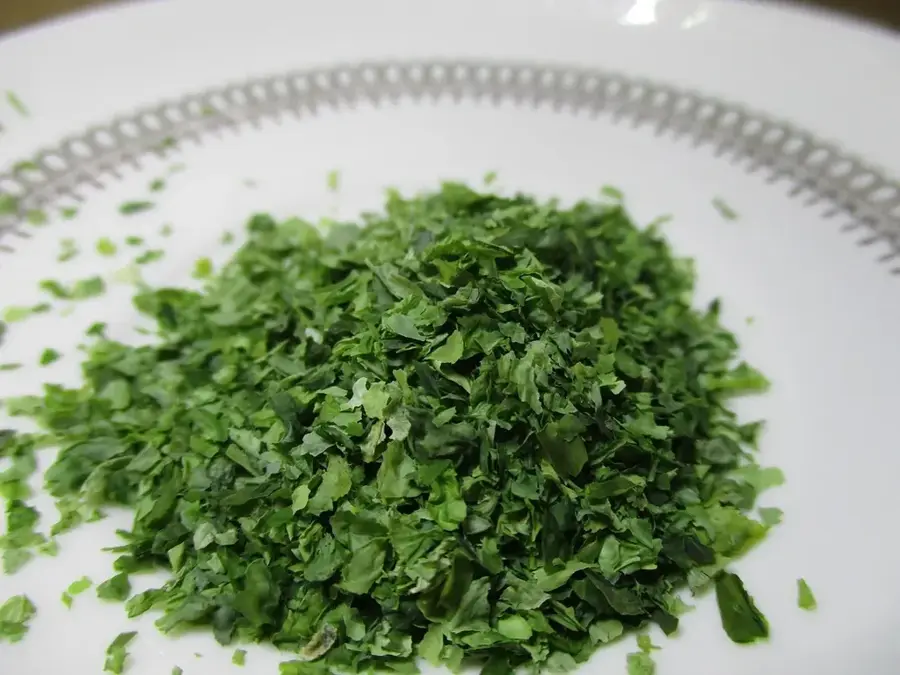
Roast pork on a spit, a regional specialty often served at countryside restaurants outside the city.
Fried green plantains, excellent for dipping, available at paladares around Calixto García Park.
The pride of Holguin, best served ice-cold at any local bar.
🛍 Shopping · 🧘 Quiet spots
A craft market near the main squares offering wooden instruments and local souvenirs.
Look for local textile shops selling the traditional Cuban linen shirt.
A calmer park compared to the central plazas, good for reading in the shade.
Located outside the city, offering serene views over the valley (famous for a beer-drinking donkey).
Water temperature…
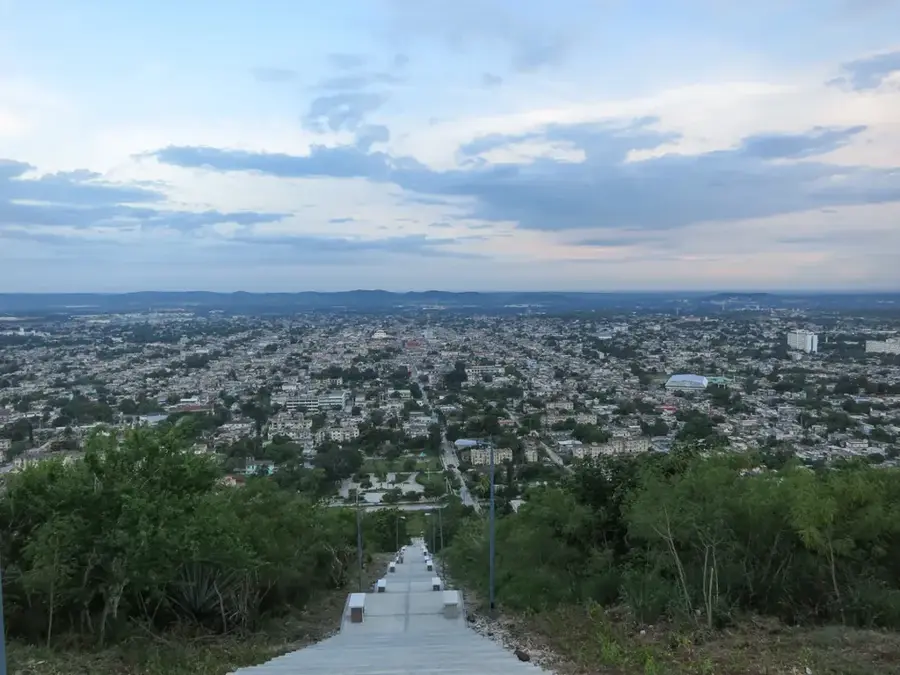
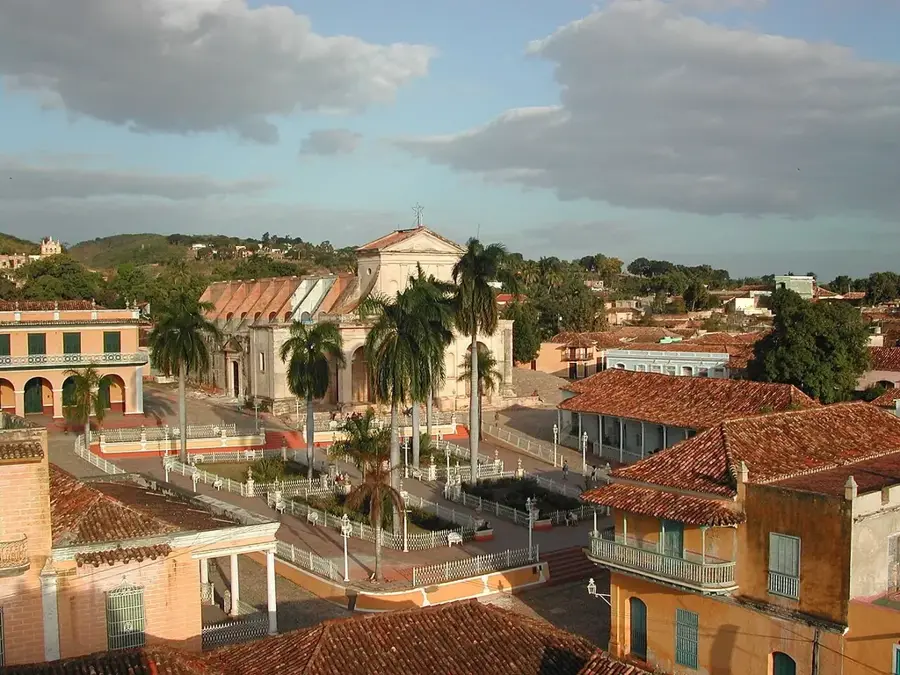
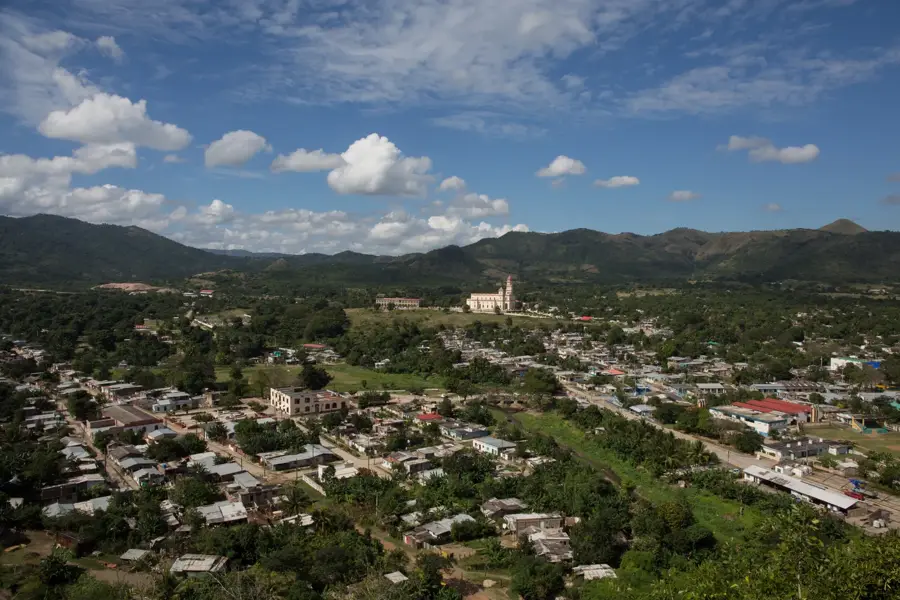
Holguín, frequently referred to as the "City of Parks," was founded in 1523 by García de Holguín and has grown to become the fourth-largest city in Cuba. The urban landscape is defined by its numerous interconnected public squares and green spaces, with Parque Calixto García serving as the primary social and cultural epicenter. A prominent landmark is the Loma de la Cruz (Hill of the Cross), accessible via a staircase of 458 steps, offering a comprehensive panoramic view of the surrounding valley. The region holds immense historical significance as the site where Christopher Columbus first landed on Cuban soil in 1492 at nearby Bariay Bay. The city's architecture features a blend of colonial remnants and more contemporary structures built following a significant earthquake in 1868. Holguín is a major industrial hub for Cuba, notably housing large breweries and serving as a logistics base for the nickel export industry from the mines in Moa. Culturally, the city is famous for the "Romerías de Mayo" festival, which blends traditional religious processions with modern artistic expression. It also serves as the gateway to the pristine beaches of Guardalavaca, among the most popular coastal resorts on the island.
Explore on the map
How well do you know Cuba?
Find cities, landscapes and regions in 10 varied challenges on the interactive map.
Your journey, your memory
A postcard from Holguin
Turn your own photo into a personal postcard with a local stamp. Free and no sign-up required.
Create a postcard- Location: Cuba
- Highlights: Teatro Eddy Suñol · La Periquera · Museo de la clandestinidad
- Nearby: Cacocum (17 km)
- Population: ~319.102 (2026)
Best time to visit & climate
The most pleasant time to visit is Jan, Feb, Dec.
| Jan | Feb | Mar | Apr | May | Jun | Jul | Aug | Sep | Oct | Nov | Dec | |
|---|---|---|---|---|---|---|---|---|---|---|---|---|
| Avg °C | 24 | 25 | 26 | 27 | 27 | 28 | 29 | 29 | 29 | 27 | 26 | 25 |
| Rain mm | 26 | 22 | 25 | 41 | 100 | 97 | 58 | 77 | 86 | 122 | 62 | 31 |
History & landmarks
1523
Geography
Facts
- Founded in 1523 by Spanish officer García de Holguín.
- Ranked as the fourth-largest city in Cuba.
- Loma de la Cruz hill features a 458-step staircase.
- Columbus first landed nearby on October 27, 1492.
- Home to the major Bucanero and Mayabe breweries.
- Famous for the annual Romerías de Mayo festival.
Explore nearby
Notable places around
Route planner — Car & Motorhome
Where do you start? We build the route here, with stops and country notes along the way.
© OpenStreetMap contributors · OpenRouteService
Sights in the town Holguin (12)
Frequently asked questions
Why is Holguín called the 'City of Parks'?
What is Loma de la Cruz?
Are there beaches in Holguín province?
Can Holguín be explored on foot?
When is the best time to visit?
Holguin: where is it located?
Holguin: what is there to see?
Holguin: when is the best time to visit?
Holguin: why is it worth visiting?
Nearby cities
History & landmarks
Nature
More places