Plizio Visual Lab
Masaya Volcano
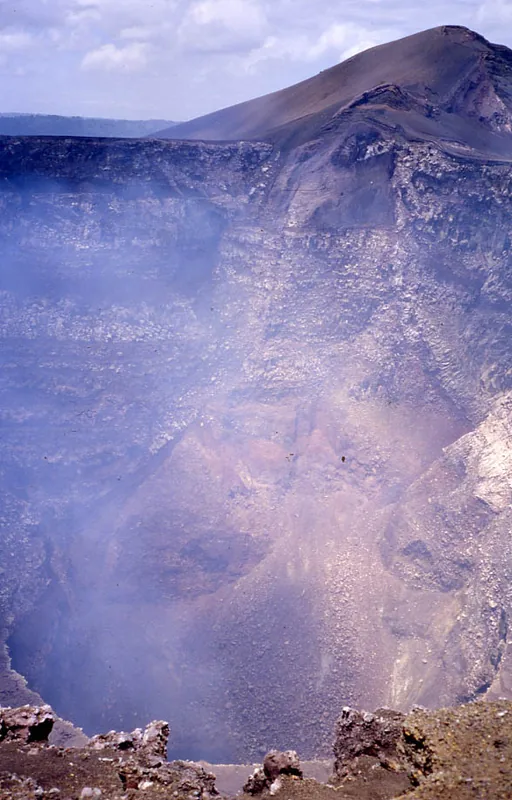
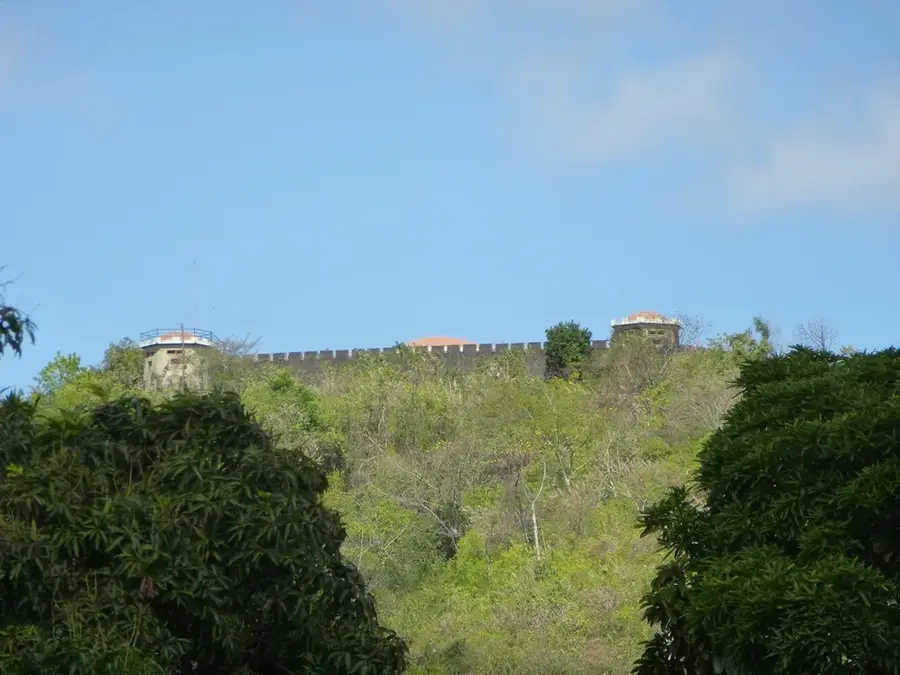
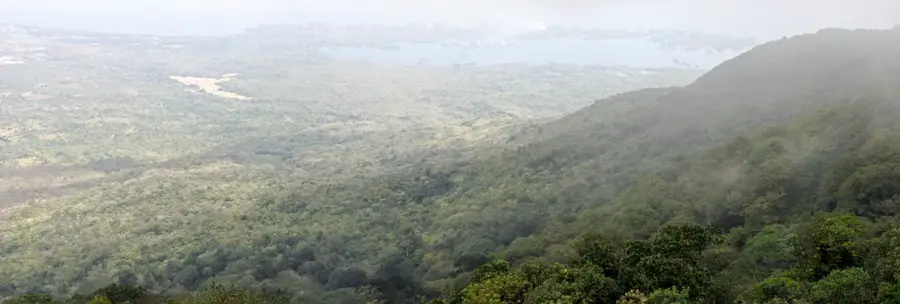
Masaya Volcano is one of the most active and accessible volcanoes in the world, located just south of Nicaragua's capital city, Managua. It serves as the focal point of Nicaragua's first national park, established in 1979 to protect its unique geological features. During the colonial era, Spanish friars called the volcano 'The Mouth of Hell' and placed a large cross on the crater rim to ward off perceived demonic forces. The Masaya complex consists of a massive caldera containing several craters, with the Santiago crater currently exhibiting the most intense activity, often featuring a persistent glowing lava lake. Unlike most volcanoes, visitors can drive all the way to the rim of the active crater to observe the degassing process and, depending on volcanic levels, see the churning molten rock below. The national park also features a network of underground lava tubes home to specialized bat colonies and a visitor center that provides comprehensive displays on Central American volcanology and history.
Explore on the map
How well do you know Nicaragua?
Find cities, landscapes and regions in 10 varied challenges on the interactive map.
Your journey, your memory
A postcard from Masaya Volcano
Turn your own photo into a personal postcard with a local stamp. Free and no sign-up required.
Create a postcard- Location: Nicaragua
- Nearby: La Concepción (6 km)
Best time to visit & climate
The most pleasant time to visit is Jan, Feb, Dec.
| Jan | Feb | Mar | Apr | May | Jun | Jul | Aug | Sep | Oct | Nov | Dec | |
|---|---|---|---|---|---|---|---|---|---|---|---|---|
| Avg °C | 27 | 28 | 29 | 30 | 29 | 27 | 27 | 28 | 27 | 26 | 26 | 26 |
| Rain mm | 1 | 2 | 5 | 27 | 202 | 207 | 115 | 172 | 289 | 313 | 113 | 8 |
📋 Practical info
Geography
Facts
- Masaya became Nicaragua's first national park upon its creation in 1979.
- The Santiago crater is famous for hosting a rare, persistent lava lake.
- The 'Bobadilla Cross' was first erected at the crater’s edge in 1528.
- It is one of the only active volcanoes in the world accessible by car.
- The volcano releases high concentrations of sulfur dioxide gases daily.
- Green parakeets have adapted to nest within the acidic walls of the crater.
Explore nearby
Notable places around
Route planner — Car & Motorhome
Where do you start? We build the route here, with stops and country notes along the way.
© OpenStreetMap contributors · OpenRouteService
Sights nearby
Frequently asked questions
Can you look into the Masaya volcano?
Are night visits allowed in the national park?
How close can you get to the crater by car?
How long can you stay at the crater?
Is a visit safe for people with respiratory issues?
Masaya Volcano: where is it located?
Masaya Volcano: when is the best time to visit?
Masaya Volcano: why is it worth visiting?

Nearby cities
History & landmarks
Nature
More places