Plizio Visual Lab
Managua
ℹ️Practical info — Managua
▾
🌤 Weather — 5 days
📍 Nearby
Sights nearby
💡 Tips
- Managua lacks a traditional center; landmarks are spread out, so rely on taxis (negotiate the fare beforehand) or ride-hailing apps for safe transport.
- Use landmarks for navigation instead of street names, as locals navigate using reference points (e.g., 'two blocks south from the old tree').
- The weather is constantly hot and humid; light, breathable clothing and an umbrella for sudden afternoon showers are essential.
- Visit Puerto Salvador Allende in the late afternoon for sunset views over Lake Managua and a safe, lively atmosphere.
- Always carry small bills (Córdobas) for street vendors and small shops, as changing large notes can be difficult.
🍽 Food
Start your day with this traditional rice and beans dish, easily found in any local 'comedor' or market.
A hearty dish of yucca and pork rinds topped with cabbage salad, popular at food kiosks near local parks.
Try this cheesy snack wrapped in a tortilla with pickled onions, often sold by street vendors in busy transit areas.
🛍 Shopping · 🧘 Quiet spots
A cleaner and safer market option to buy traditional Nicaraguan handicrafts, hammocks, and souvenirs.
The largest market in Central America; it is overwhelming and chaotic, so only visit with a local guide.
A historical park offering panoramic views of the city, Lake Managua, and the Momotombo volcano.
A small, well-maintained Japanese garden offering a peaceful retreat from the city's busy traffic.
Water temperature…
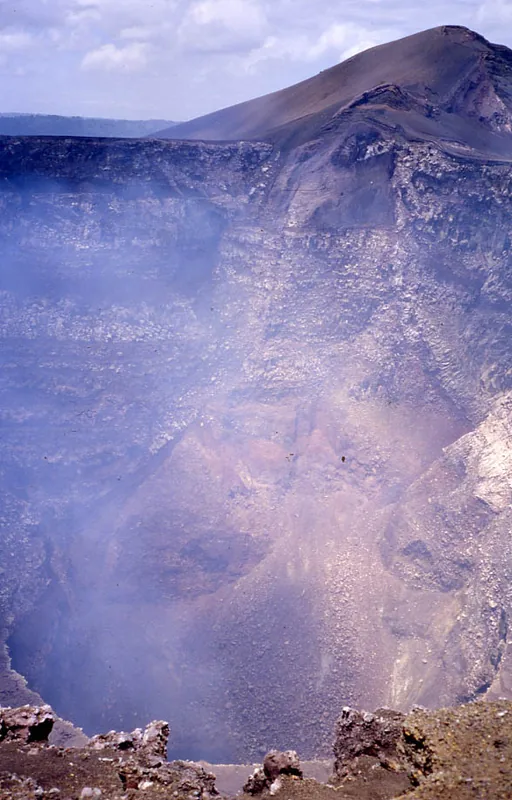
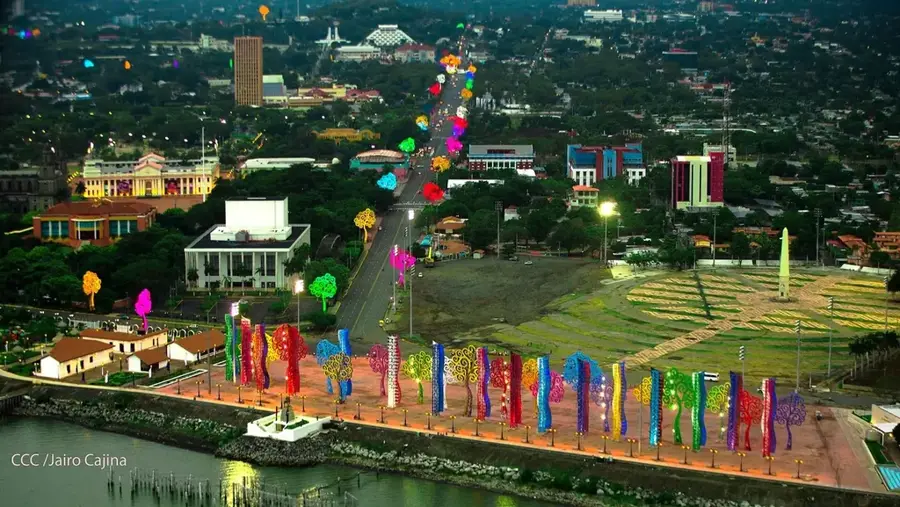
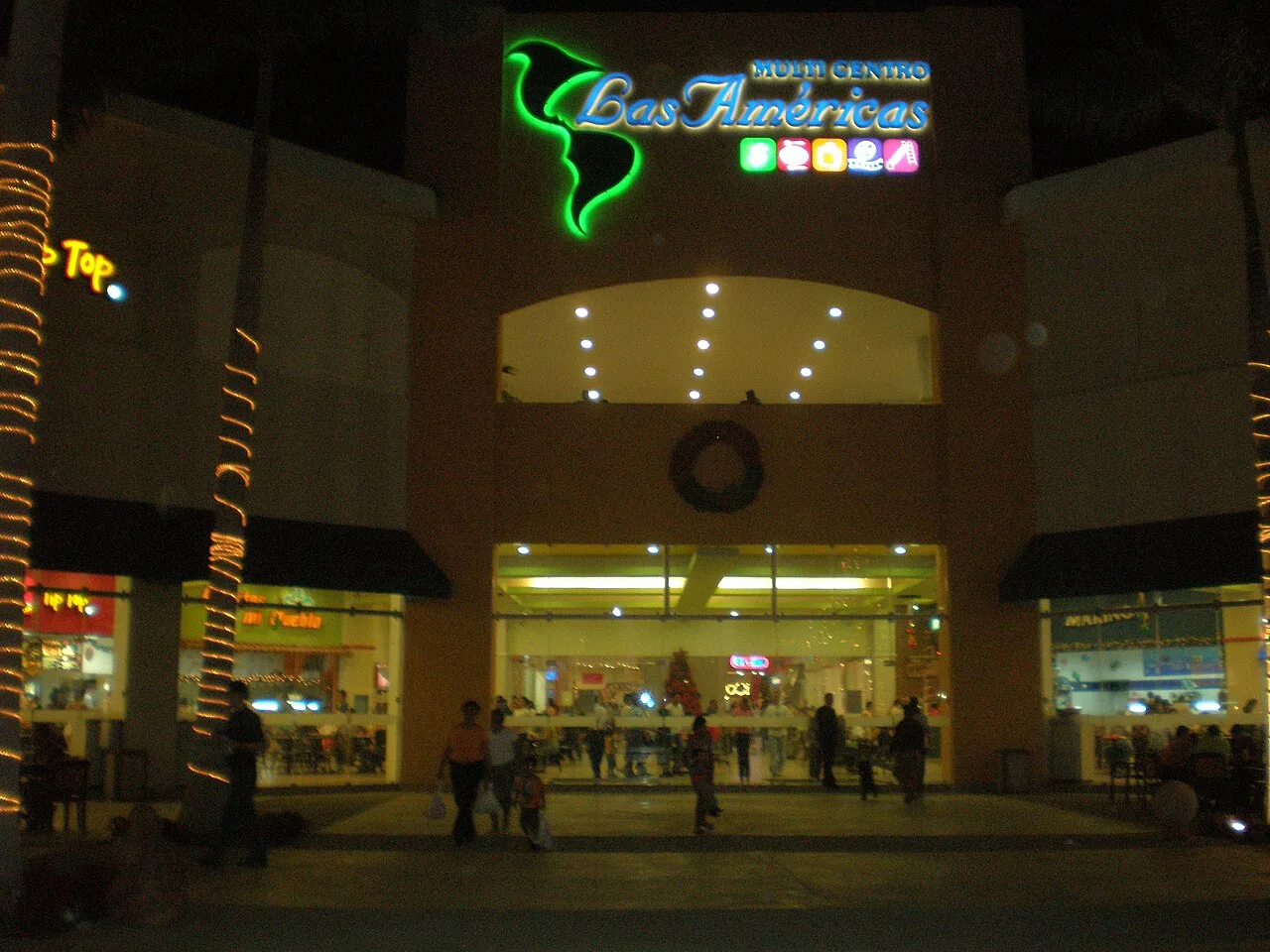
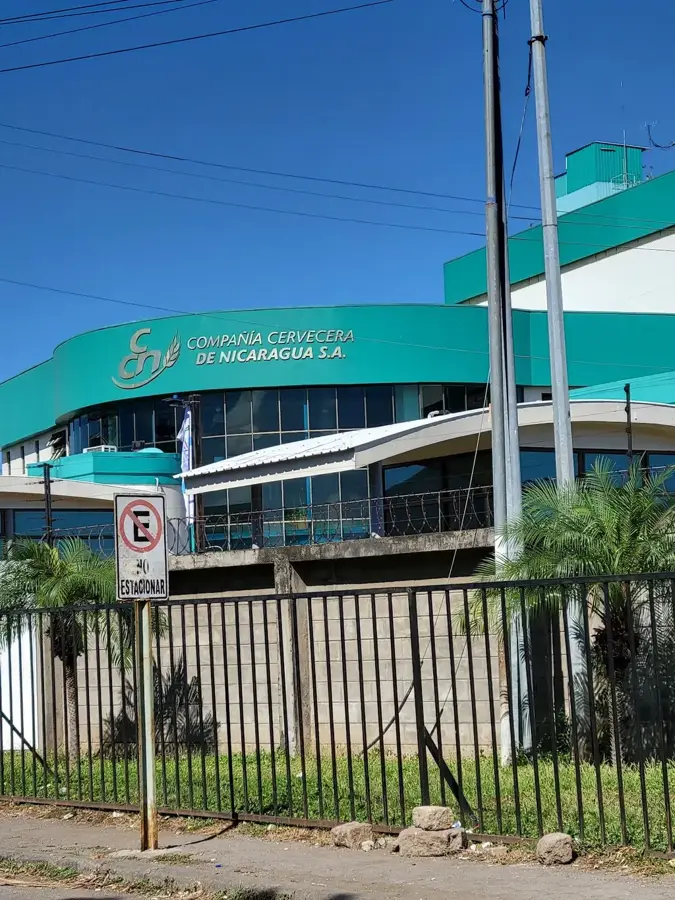
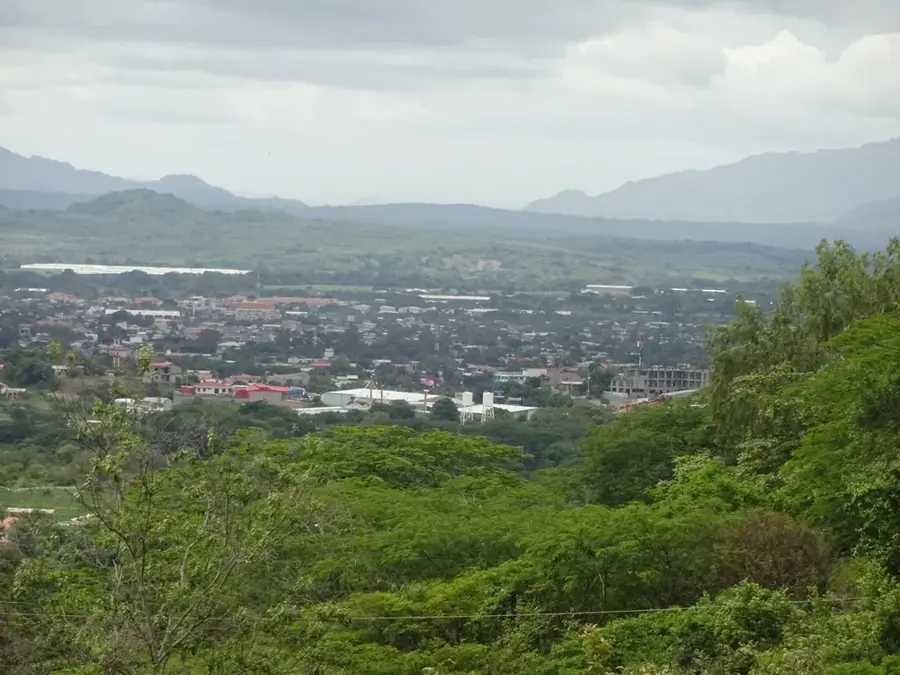
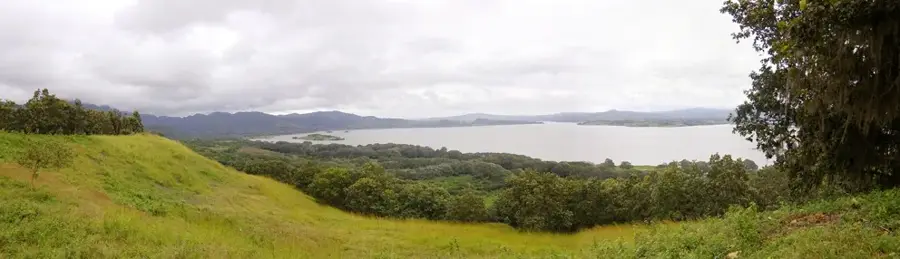
Managua, the sprawling capital of Nicaragua, stands as a testament to endurance and transformation on the southern shores of Lake Managua. Established as a compromise capital in 1852 between the feuding cities of Leon and Granada, it has survived numerous natural disasters, most notably the 1931 and 1972 earthquakes. The latter event fundamentally altered the city's trajectory, leading to a unique urban layout where green spaces and scattered commercial hubs replaced a traditional central business district. Geographically, the city is punctuated by several volcanic craters, including the iconic Tiscapa Lagoon, which provides a dramatic vantage point over the urban landscape and the distant Momotombo volcano. Managua serves as the nation's primary economic engine, housing the headquarters of major banks, telecommunications firms, and manufacturing plants ranging from beer production to construction materials. The city's cultural heart beats in places like the Ruben Dario National Theater and the National Palace of Culture, which preserves pre-Columbian artifacts and colonial history. Modern Managua is defined by its wide boulevards, such as the Carretera a Masaya, and the revitalized waterfront area featuring the Salvador Allende Port, which has become a major destination for dining and entertainment. Demographically, it is the country's largest urban center, reflecting a melting pot of rural migrants and a growing professional class. The climate is characterized by high humidity and consistent tropical temperatures, influenced by its low elevation above sea level. As Nicaragua continues to develop, Managua remains the focal point of its political life and international diplomacy, blending revolutionary history with a forward-looking commitment to infrastructure and social programs that aim to modernize the capital for the 21st century.
Explore on the map
How well do you know Nicaragua?
Find cities, landscapes and regions in 10 varied challenges on the interactive map.
Your journey, your memory
A postcard from Managua
Turn your own photo into a personal postcard with a local stamp. Free and no sign-up required.
Create a postcard- Location: Nicaragua
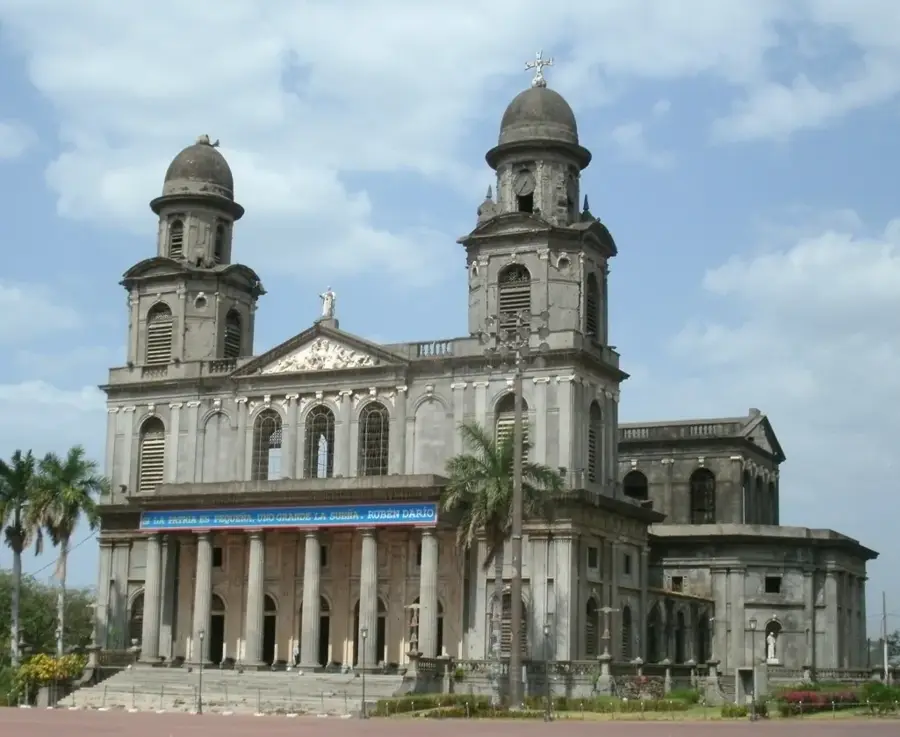
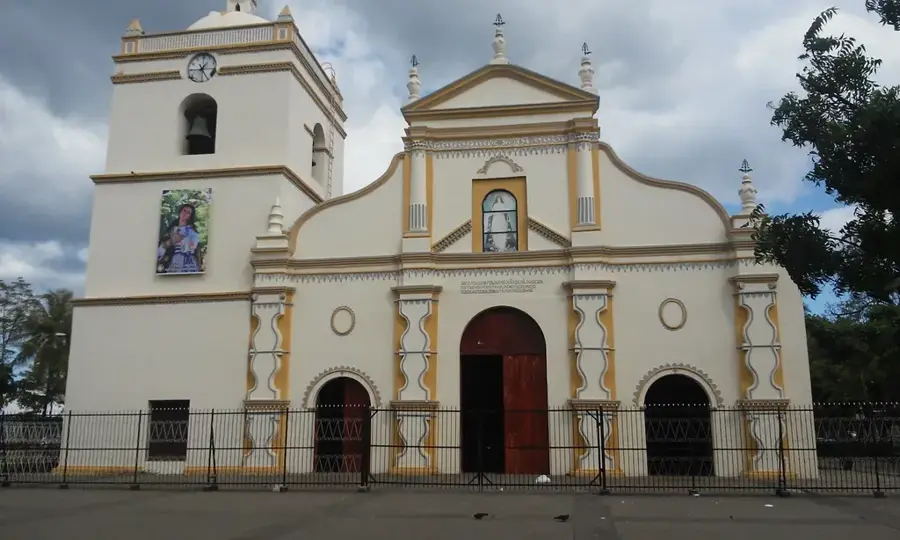
- Highlights: Managua Department · Immaculate Conception Cathedral, Managua · Archdiocese of Managua
- Nearby: Ciudad Sandino (10 km)
- Population: ~973.087 (2026)
Best time to visit & climate
The most pleasant time to visit is Jan, Feb, Dec.
| Jan | Feb | Mar | Apr | May | Jun | Jul | Aug | Sep | Oct | Nov | Dec | |
|---|---|---|---|---|---|---|---|---|---|---|---|---|
| Avg °C | 27 | 28 | 29 | 30 | 29 | 27 | 27 | 28 | 27 | 26 | 26 | 26 |
| Rain mm | 1 | 2 | 5 | 27 | 202 | 207 | 115 | 172 | 289 | 313 | 113 | 8 |
Live webcam – Managua
See what it looks like near Managua right now.
Managua › North · 1.6 km · Open webcam on Windy · Webcams provided by Windy.com
History & landmarks
1852
Geography
Facts
- The name Managua originates from the Nahuatl word Mana-ahuac, meaning 'adjacent to water'.
- The 1972 earthquake caused an estimated 10000 deaths and displaced 250000 people.
- The city covers a total land area of approximately 267 square kilometers.
- Managua is home to the largest university in the country, the UNAN-Managua.
- The Dennis Martinez National Stadium is one of the most modern baseball facilities in Latin America.
- The city receives an average annual rainfall of about 1100 millimeters.
- The Plaza de la Revolucion was the site of the Sandinista victory celebration in 1979.
- Managua has one of the lowest crime rates among Central American capital cities.
Explore nearby
Notable places around
Route planner — Car & Motorhome
Where do you start? We build the route here, with stops and country notes along the way.
© OpenStreetMap contributors · OpenRouteService
Sights in the town Managua (3)
Frequently asked questions
How many days should you plan for Managua?
Which local specialty must you try?
Is the city safe for tourists?
What is the best way to get around?
Best time to visit Managua?
Managua: where is it located?
Managua: what is there to see?
Managua: when is the best time to visit?
Managua: why is it worth visiting?
Nearby cities
History & landmarks
Nature
More places