Plizio Visual Lab
Waspam
ℹ️Practical info — Waspam
▾
🌤 Weather — 5 days
📍 Nearby
Sights nearby
💡 Tips
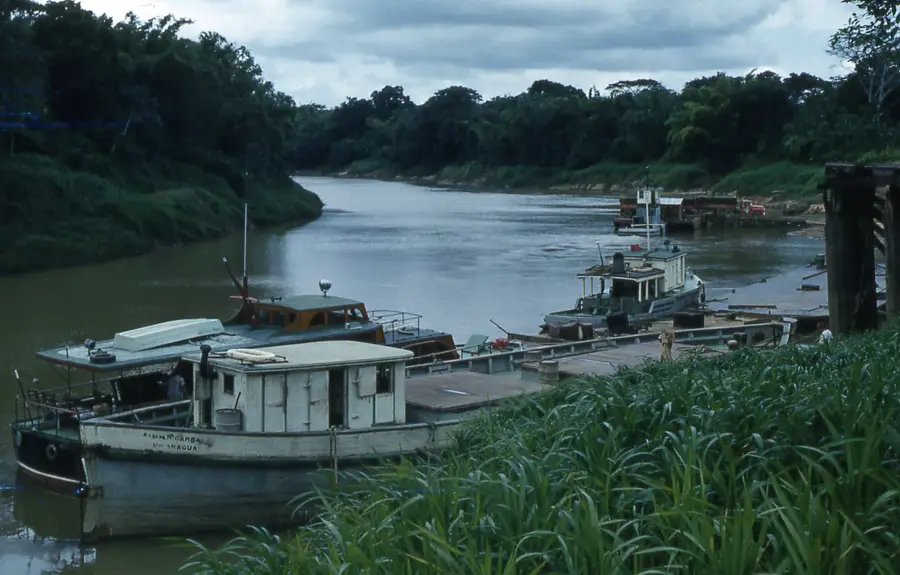
- Boat travel on the Rio Coco is the main transport; arrange 'pangas' (motorboats) at the riverbank.
- Carry enough cash (Córdobas) as ATMs are unreliable and credit card acceptance is very limited.
- Respect Miskito traditions and always ask for permission before taking photos of people or ceremonies.
- Pack high-strength insect repellent; the riverside location means many mosquitoes, especially at dusk.
- The climate is very humid; quick-dry clothing is highly recommended for river trips and outdoor activities.
🍽 Food
A traditional Miskito stew made with fish or meat, coconut milk, and tubers; find it in small eateries near the market.
A thick, nutritious drink made from mashed green bananas and coconut milk, often served in family-run cafes.
A hearty beef soup with local vegetables, typically served for lunch in central diners.
🛍 Shopping · 🧘 Quiet spots
The hub for local commerce where you can find Miskito textiles and basic regional supplies.
Handcrafted items made from processed bark cloth, sold by local artisans in the town center.
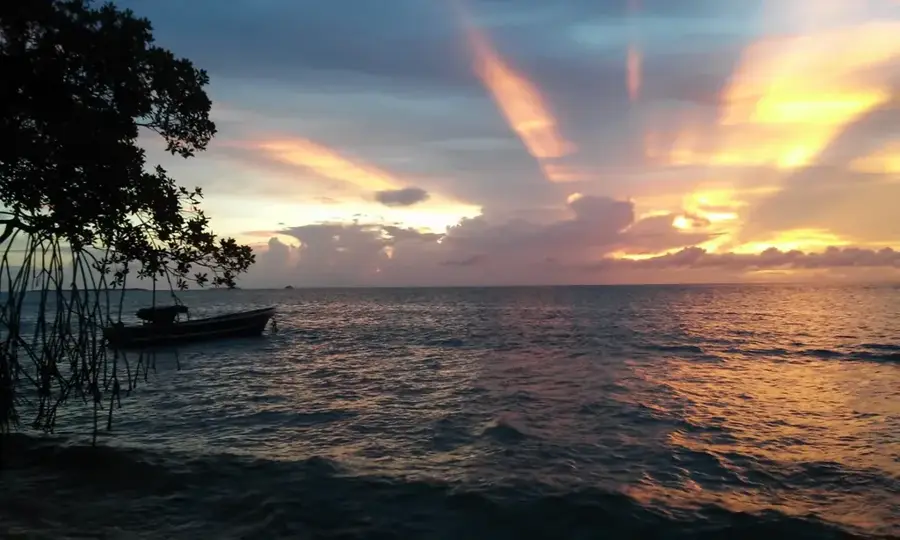
A peaceful spot to watch the sunrise or sunset over the massive river border with Honduras.
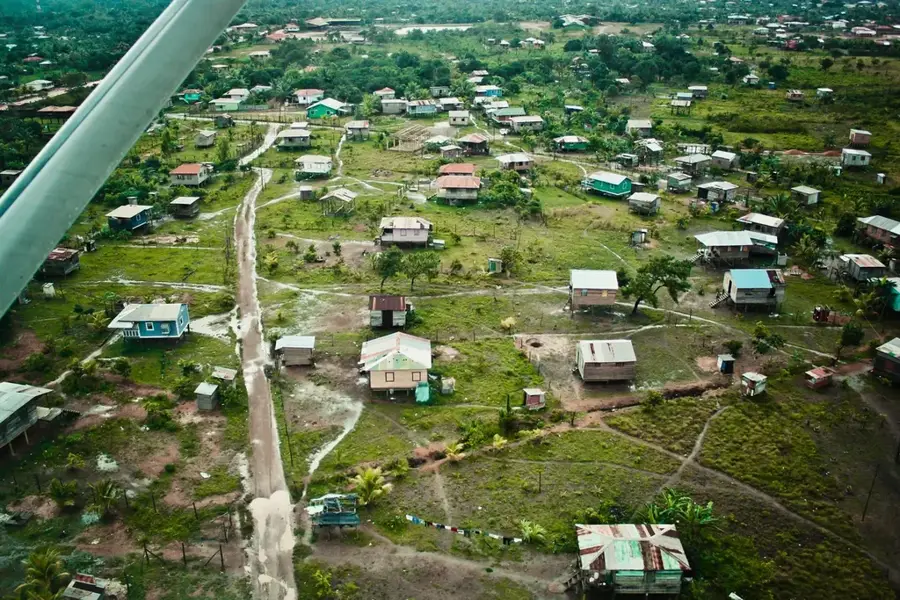
Walking towards the outlying neighborhoods features a glimpse into traditional Miskito wooden architecture.
Water temperature…
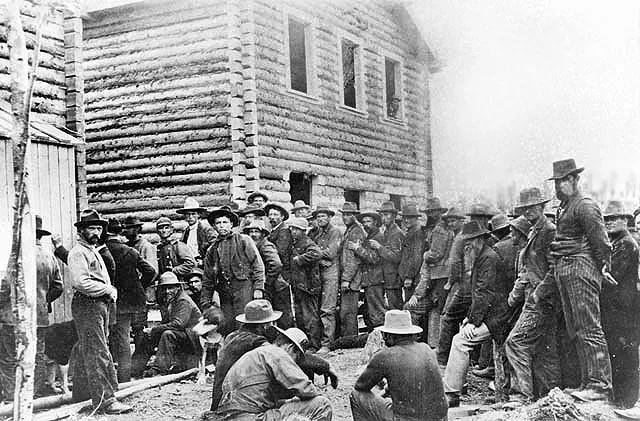
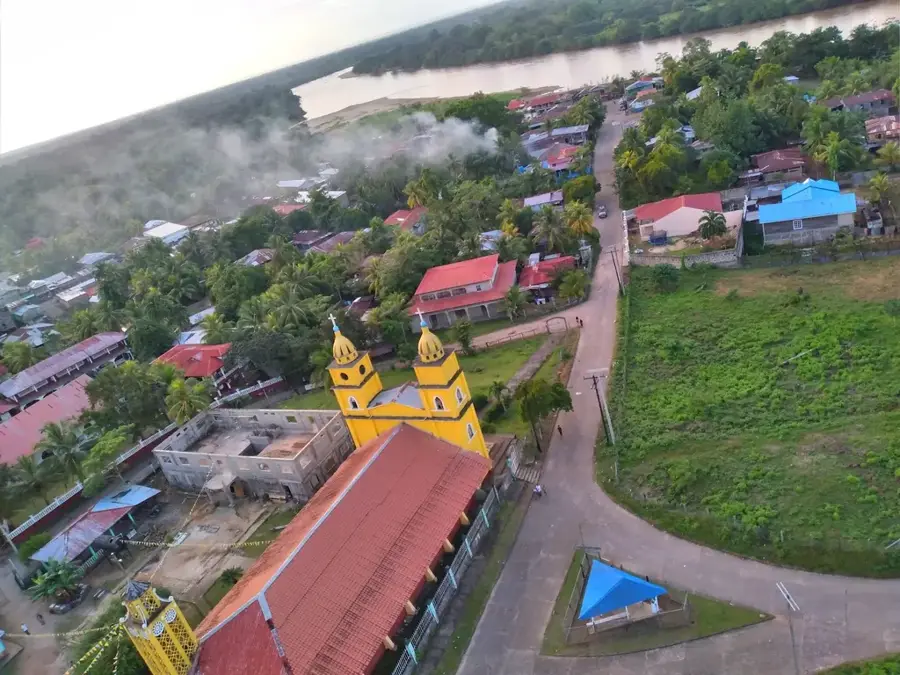
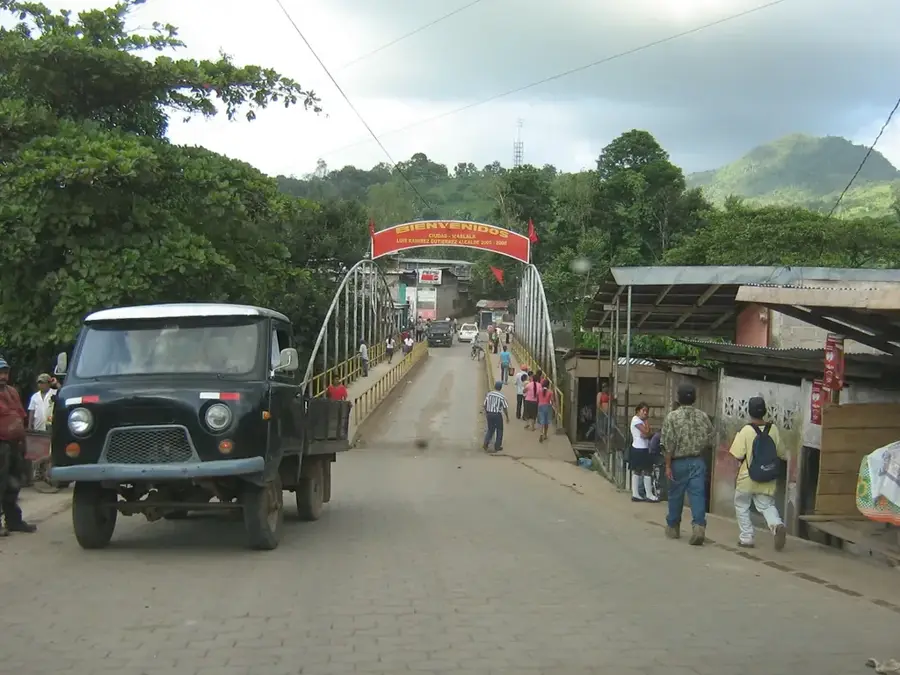
Waspam is the most significant town on the lower reaches of the Coco River (Wangki) in Nicaragua's North Caribbean Coast Autonomous Region (RACCN) and is considered the cultural heartland of the Miskito people. Geographically, the town sits directly on the border with Honduras and serves as a vital commercial hub for numerous indigenous communities dispersed along the riverbanks. The history of Waspam is intricately linked to the timber and banana industries of the early 20th century, but it was profoundly shaped by the mass displacements that occurred during the 1980s civil war. Today, the town is the administrative seat of the largest municipality in Nicaragua and stands as a symbol of the Caribbean coast's drive for political autonomy. The local economy is based on fishing, subsistence farming, and the trade of gold and precious hardwoods. Because year-round paved roads to the country's interior are lacking, the river remains the primary artery for transporting people and goods. The culture in Waspam is distinctive, featuring a trilingual environment of Miskito, English, and Spanish, while maintaining ancient customs such as the 'King Pulanka' festival. The region's isolation protects immense biological diversity but also presents significant infrastructural challenges. Waspam remains a place of resistance and the preservation of indigenous identity within a modern state.
Explore on the map
How well do you know Nicaragua?
Find cities, landscapes and regions in 10 varied challenges on the interactive map.
Your journey, your memory
A postcard from Waspam
Turn your own photo into a personal postcard with a local stamp. Free and no sign-up required.
Create a postcard- Location: Nicaragua
- Highlights: MUSEO AUKA TANGNI · EMBARCADERO WASPÁM · Piales
- Nearby: Almicamba (52 km)
- Population: ~6.403 (2026)
Best time to visit & climate
The most pleasant time to visit is Feb–Apr.
| Jan | Feb | Mar | Apr | May | Jun | Jul | Aug | Sep | Oct | Nov | Dec | |
|---|---|---|---|---|---|---|---|---|---|---|---|---|
| Avg °C | 24 | 25 | 25 | 27 | 28 | 27 | 27 | 27 | 27 | 26 | 25 | 25 |
| Rain mm | 109 | 67 | 50 | 55 | 144 | 212 | 216 | 198 | 166 | 345 | 252 | 149 |
Geography
Facts
- Waspam is the administrative seat of the largest municipality by land area in Nicaragua.
- The vast majority of the population belongs to the indigenous Miskito ethnic group.
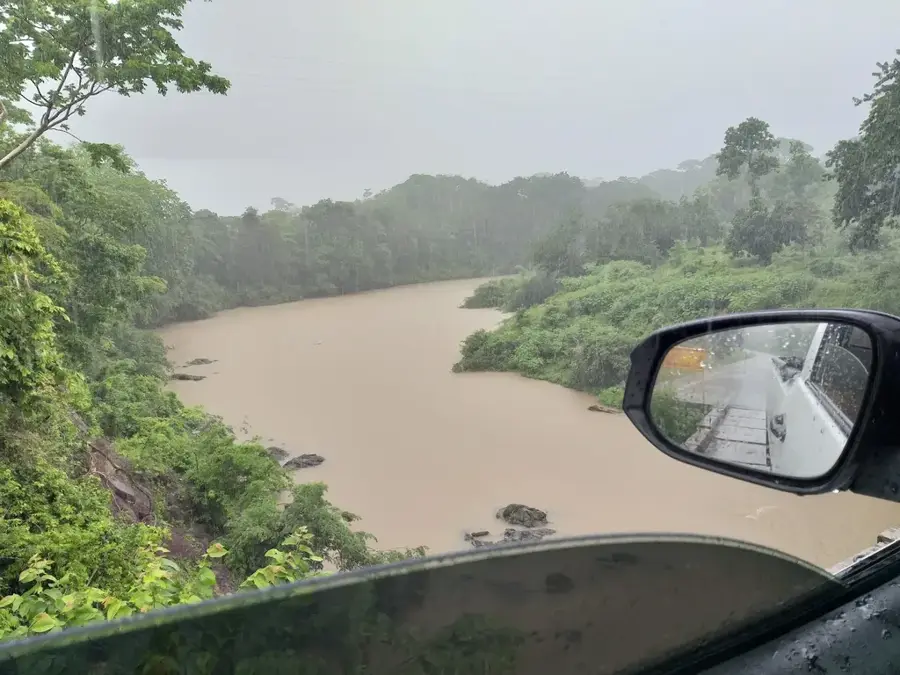
- The Coco River separates Nicaragua from Honduras here and serves as the main transit route.
- The town has a small airstrip providing connections to the regional capital, Puerto Cabezas.
- The name Waspam translates to 'ant river' in the Miskito language.
- The King Pulanka festival celebrated here is a satirical reenactment of the Miskito monarchy.
Explore nearby
Notable places around
Route planner — Car & Motorhome
Where do you start? We build the route here, with stops and country notes along the way.
© OpenStreetMap contributors · OpenRouteService
Sights in the town Waspam (5)
Frequently asked questions
What characterizes Waspam?
How do I get to Waspam?
What culture prevails?
Is it tourist-developed?
What should I keep in mind?
Waspam: where is it located?
Waspam: what is there to see?
Waspam: when is the best time to visit?
Waspam: why is it worth visiting?

Nearby cities
Nature
More places