Plizio Visual Lab
Bonanza

ℹ️Practical info — Bonanza
▾
🌤 Weather — 5 days
📍 Nearby
Sights nearby
💡 Tips
- Rubber boots are practically essential in this humid mining region, as unpaved streets can get very muddy.
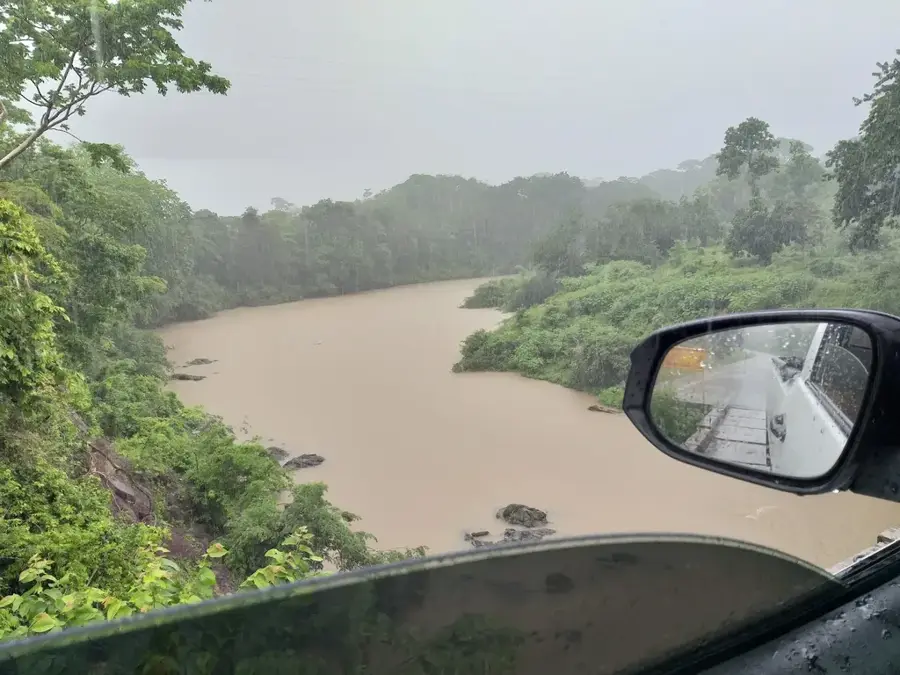
- Always carry rain gear with you, as tropical downpours are frequent and can happen without warning.
- Show respect when encountering local artisanal gold miners (güiriseros), and always ask before taking pictures of their work.
- Banking services are limited, so it is highly advisable to bring plenty of cash in local currency.
🍽 Food
In the Caribbean region, the traditional rice and beans dish is often cooked with coconut milk. Find it at local comedores.
A hearty stew made with root vegetables and meat or seafood, often requiring advance ordering at traditional eateries.
Twice-fried plantains, a popular and filling snack available at small food stalls around the center.
🛍 Shopping · 🧘 Quiet spots
Given its mining history, local gold artisanal work is available, but only buy from trusted, established vendors.
A lively spot to buy fresh tropical fruits, vegetables, and everyday essentials.
A short hike up the gentle elevations provides a peaceful view over the rooftops and the surrounding jungle.
The broader area borders the untouched biosphere reserve, offering total immersion in nature sounds.
Water temperature…
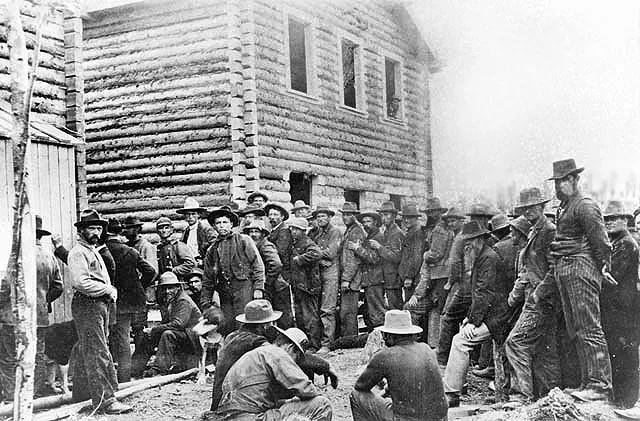
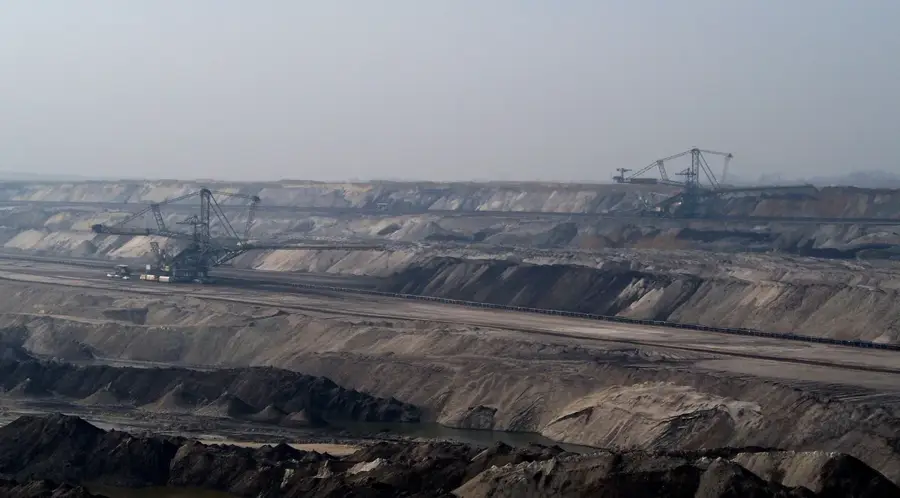
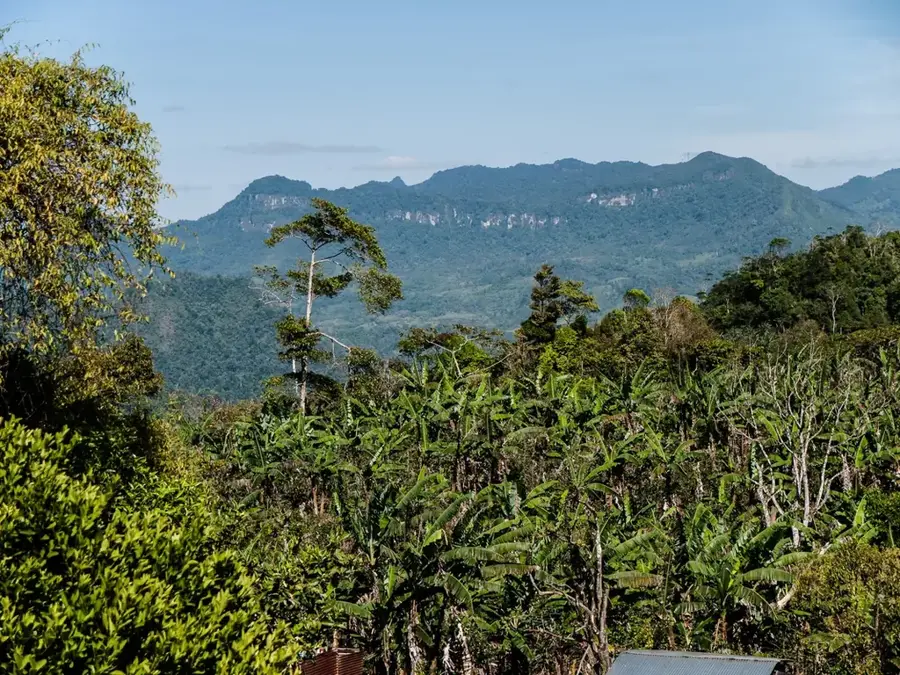
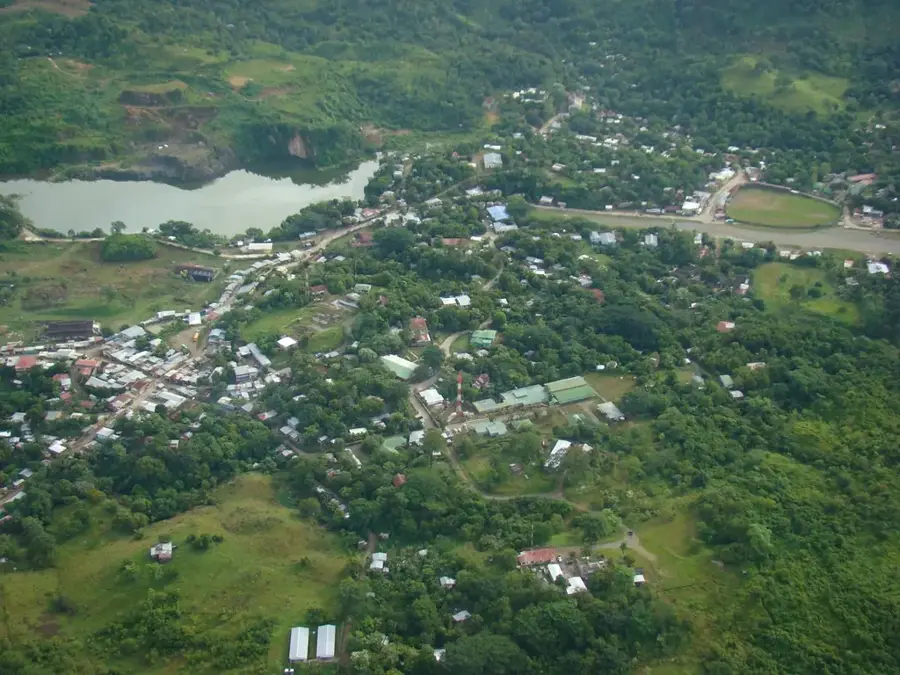
Bonanza is the northernmost and most geographically isolated city of the 'Mining Triangle' in the RACCN, surrounded by the dense, pristine jungles of the Bosawás Biosphere Reserve. True to its name, the town was founded on rich veins of gold and remains the only one of the three mining cities where large-scale, industrial underground gold mining is still the primary economic engine. The city is carved into steep, uneven hillsides, giving it a chaotic, multi-level layout. Artisanal miners operate alongside massive corporate processing plants. Due to its proximity to Bosawás, Bonanza is a critical zone for conservation efforts balancing economic survival with rainforest protection.
Explore on the map
How well do you know Nicaragua?
Find cities, landscapes and regions in 10 varied challenges on the interactive map.
Your journey, your memory
A postcard from Bonanza
Turn your own photo into a personal postcard with a local stamp. Free and no sign-up required.
Create a postcard- Location: Nicaragua
- Nearby: Rosita (24 km)
- Population: ~6.315 (2026)
Best time to visit & climate
The most pleasant time to visit is Jan–Mar.
| Jan | Feb | Mar | Apr | May | Jun | Jul | Aug | Sep | Oct | Nov | Dec | |
|---|---|---|---|---|---|---|---|---|---|---|---|---|
| Avg °C | 23 | 24 | 25 | 27 | 28 | 26 | 26 | 26 | 26 | 25 | 24 | 24 |
| Rain mm | 82 | 54 | 40 | 43 | 127 | 191 | 193 | 174 | 144 | 267 | 191 | 109 |
Geography
Facts
- The only city in the 'Mining Triangle' where industrial underground gold mining remains dominant.
- The urban area is built on steep, uneven hillsides, creating a chaotic layout.
- Bordered immediately by the massive Bosawás Biosphere Reserve, Central America's largest forest.
- Artisanal miners (güiriseros) sell raw ore directly to large corporate processing plants.
- Heavy rainfall is common year-round, contributing to difficult transport conditions.
- The Mayangna indigenous people inhabit several surrounding communal territories.
Explore nearby
Notable places around
Route planner — Car & Motorhome
Where do you start? We build the route here, with stops and country notes along the way.
© OpenStreetMap contributors · OpenRouteService
Sights in the town Bonanza (1)
Frequently asked questions
What is the main highlight of Bonanza?
Is Bonanza accessible to tourists?
What should I keep in mind when packing?
Where can I find food?
What is the security situation?
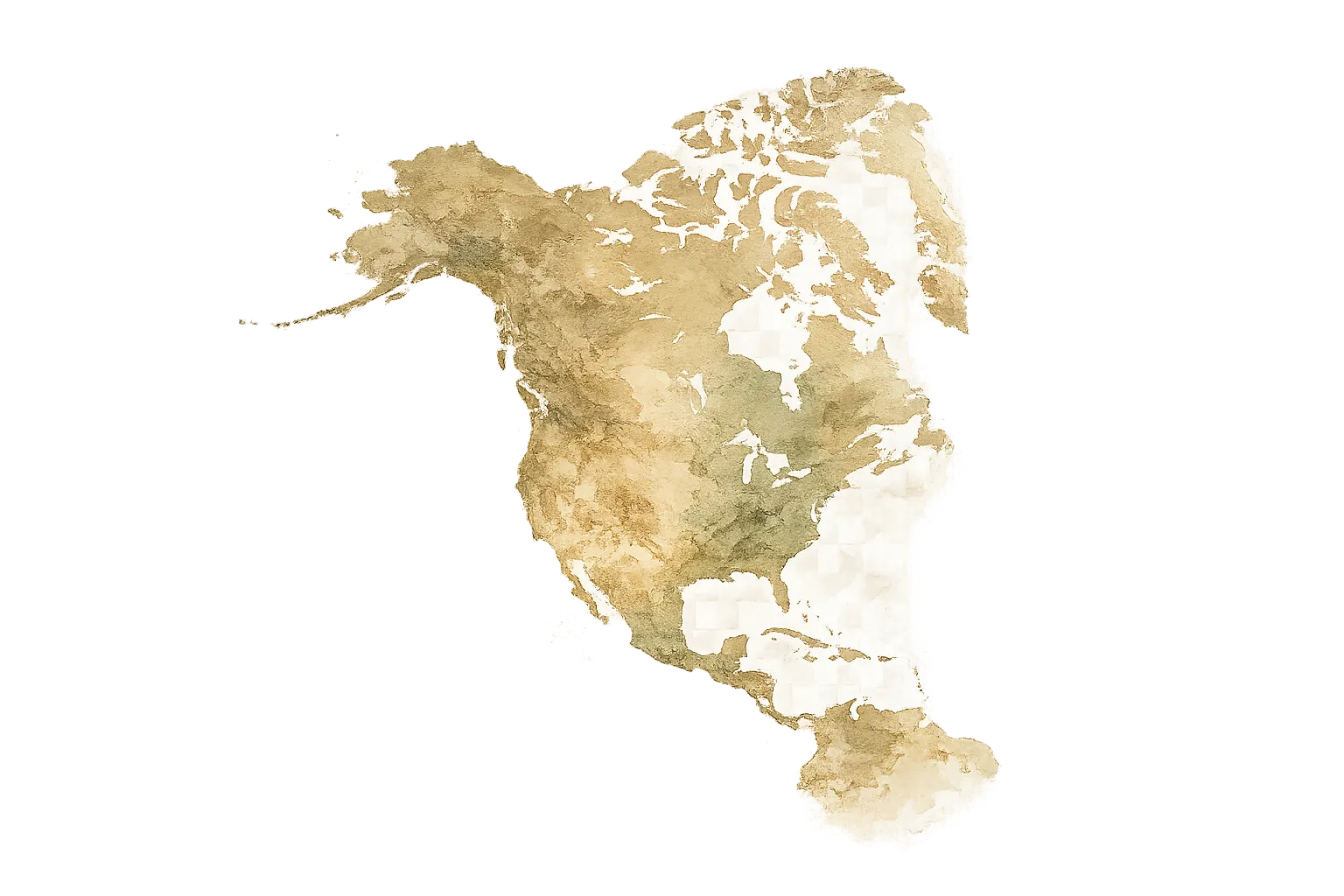
Bonanza: where is it located?
Bonanza: when is the best time to visit?
Bonanza: why is it worth visiting?
Nearby cities
Nature
More places