Plizio Visual Lab
Cuero y Salado Wildlife Refuge

Weather…
Water temperature…
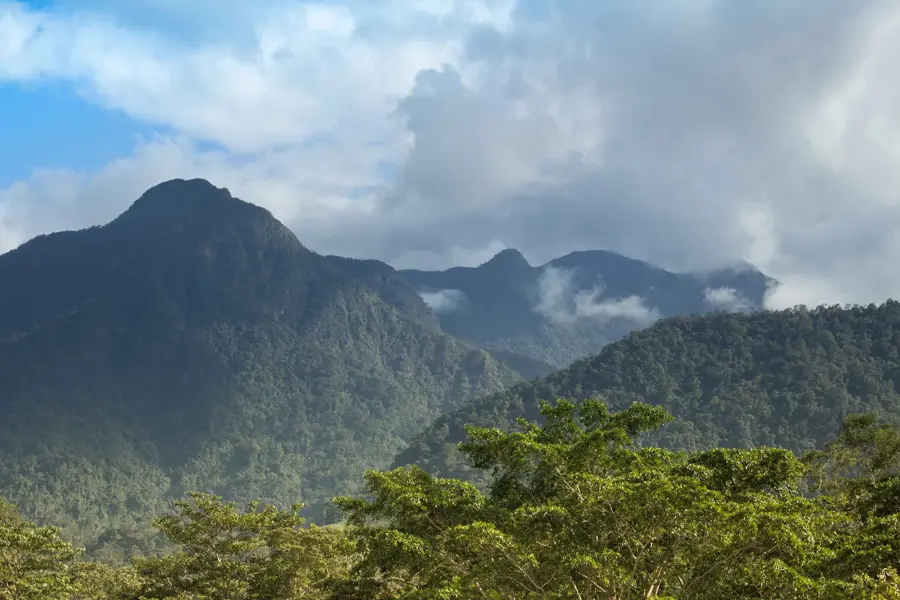
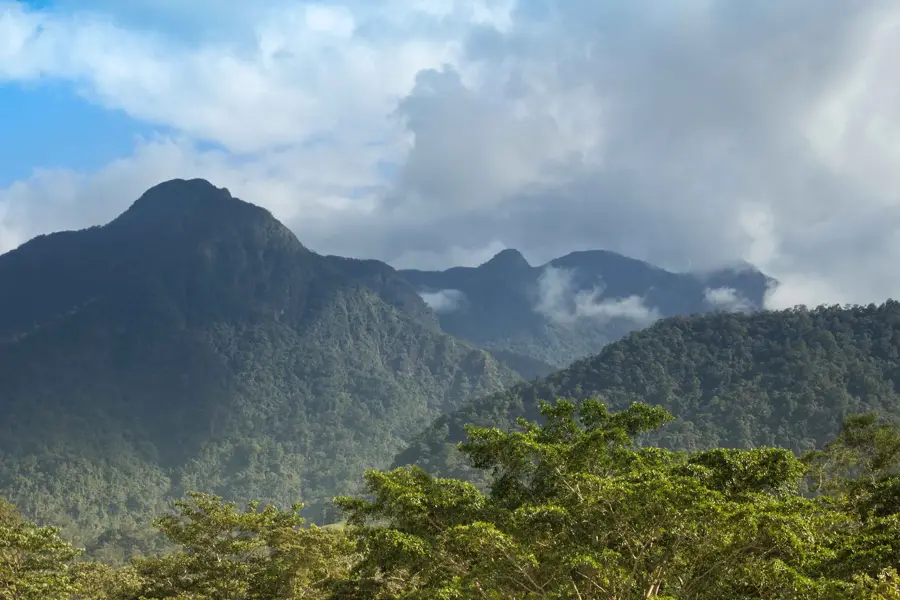
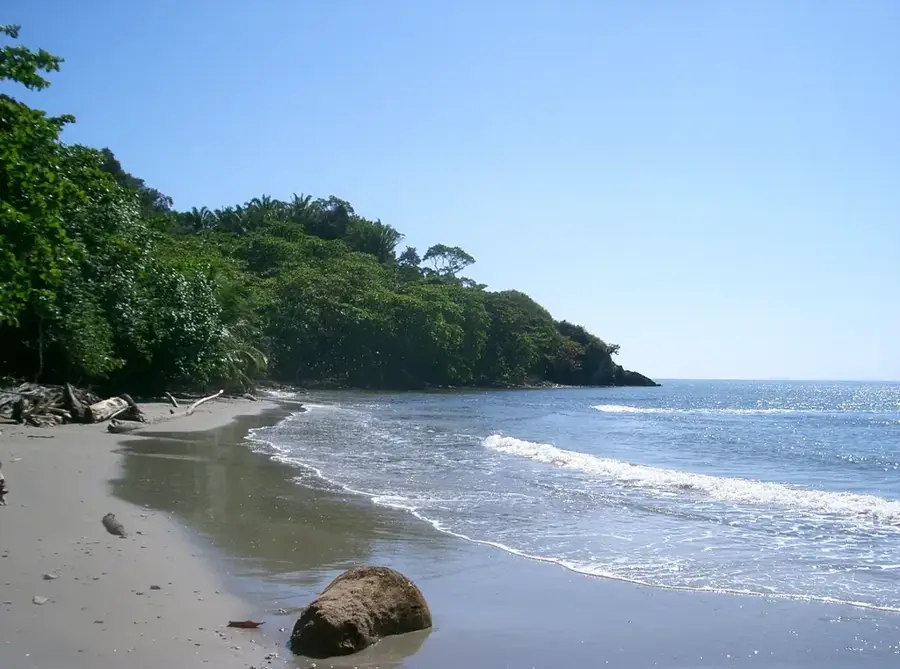
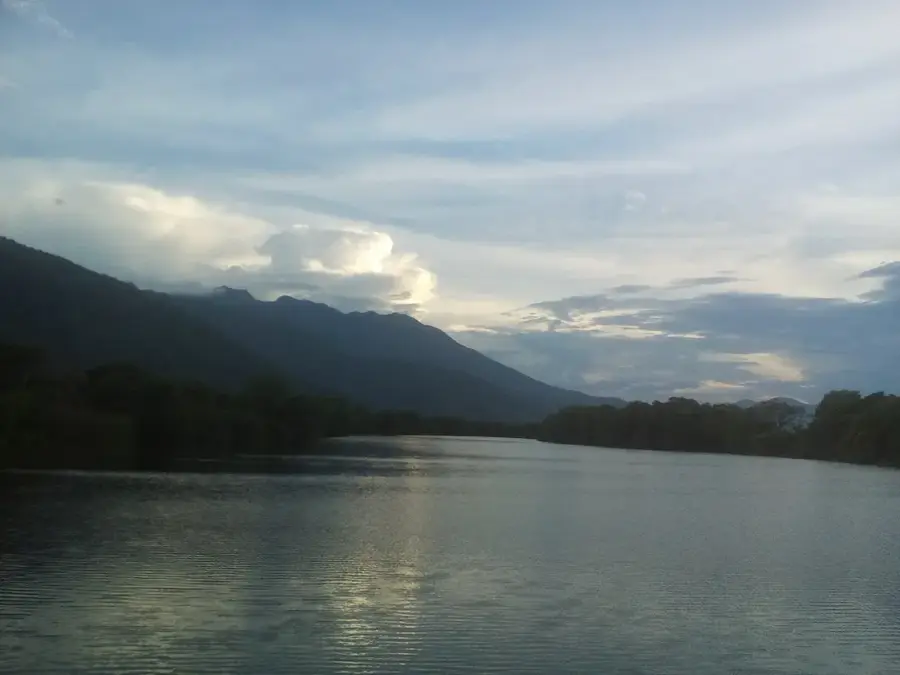
The Cuero y Salado Wildlife Refuge, located on the Caribbean coast of Honduras, is a premier wetland conservation area officially established in 1987. Spanning approximately 13,000 hectares near the city of La Ceiba, the refuge is situated at the confluence of the Cuero and Salado rivers. The landscape is dominated by a complex network of brackish lagoons, dense mangrove forests, and tropical rainforests that support a vast array of biodiversity. It is most famous for being a sanctuary for the endangered West Indian manatee, which finds refuge in its calm, nutrient-rich waterways. A unique feature of the refuge is its access via a historic narrow-gauge train, originally built by the Standard Fruit Company for banana transport in the early 20th century. In addition to manatees, the area is home to howler and capuchin monkeys, crocodiles, and over 350 bird species, making it a critical site for biological research and eco-conscious tourism in the region.
Explore on the map
How well do you know Honduras?
Find cities, landscapes and regions in 10 varied challenges on the interactive map.
Your journey, your memory
A postcard from Cuero y Salado Wildlife Refuge
Turn your own photo into a personal postcard with a local stamp. Free and no sign-up required.
Create a postcard- Location: Honduras
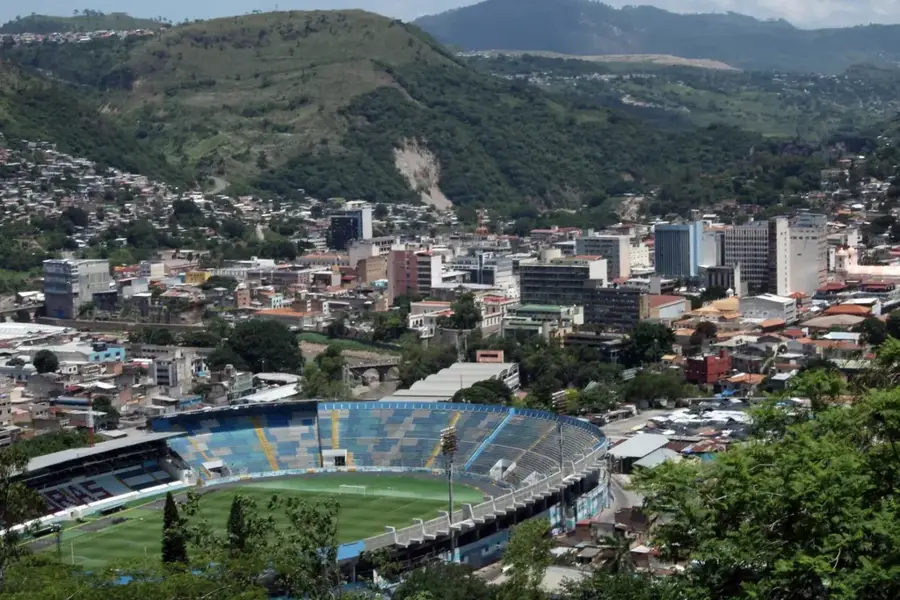
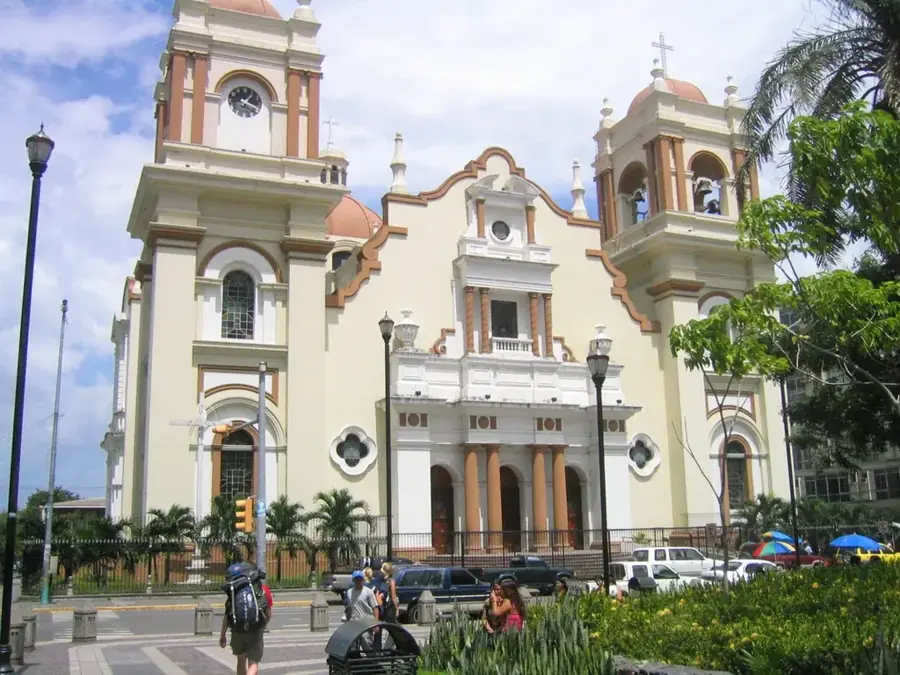
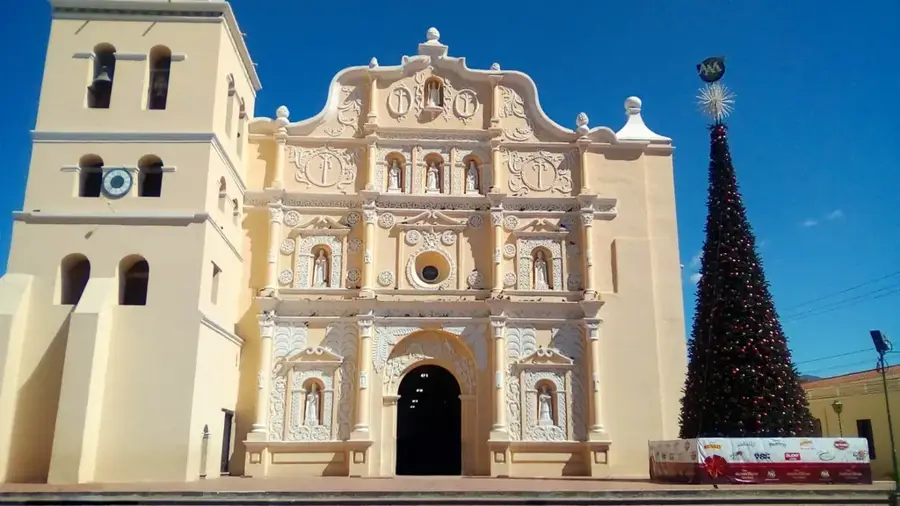
- Highlights: Diocese of La Ceiba · Estadio Nilmo Edwards · La Ceiba
- Nearby: La Ceiba (4 km)
Best time to visit & climate
The most pleasant time to visit is Feb–Apr.
| Jan | Feb | Mar | Apr | May | Jun | Jul | Aug | Sep | Oct | Nov | Dec | |
|---|---|---|---|---|---|---|---|---|---|---|---|---|
| Avg °C | 24 | 25 | 25 | 27 | 28 | 28 | 27 | 28 | 28 | 27 | 26 | 25 |
| Rain mm | 207 | 123 | 90 | 52 | 101 | 164 | 152 | 155 | 179 | 305 | 322 | 219 |
📋 Practical info
Geography
Facts
- The refuge was officially established on July 29, 1987, via Decree 101-87.
- It encompasses a total protected area of approximately 13,225 hectares.
- The historic banana train used for access covers a distance of about 15 km.
- The park is a primary sanctuary for the Trichechus manatus in Honduras.
- More than 350 distinct bird species have been recorded within the refuge.
- The ecosystem includes essential habitats like primary forests and mangroves.
Explore nearby
Notable places around

Route planner — Car & Motorhome
Where do you start? We build the route here, with stops and country notes along the way.
© OpenStreetMap contributors · OpenRouteService
Sights in the town Cuero y Salado Wildlife Refuge (3)
Sights nearby
Frequently asked questions
How do you enter the refuge?
Which animals are the highlight?
Are there boat tours?
When is the best time to see manatees?
Are there mosquitoes?
Cuero y Salado Wildlife Refuge: where is it located?
Cuero y Salado Wildlife Refuge: what is there to see?
Cuero y Salado Wildlife Refuge: when is the best time to visit?
Cuero y Salado Wildlife Refuge: why is it worth visiting?

Nearby cities

History & landmarks
Nature
More places