Plizio Visual Lab
Ore Mountains
Weather…
Water temperature…
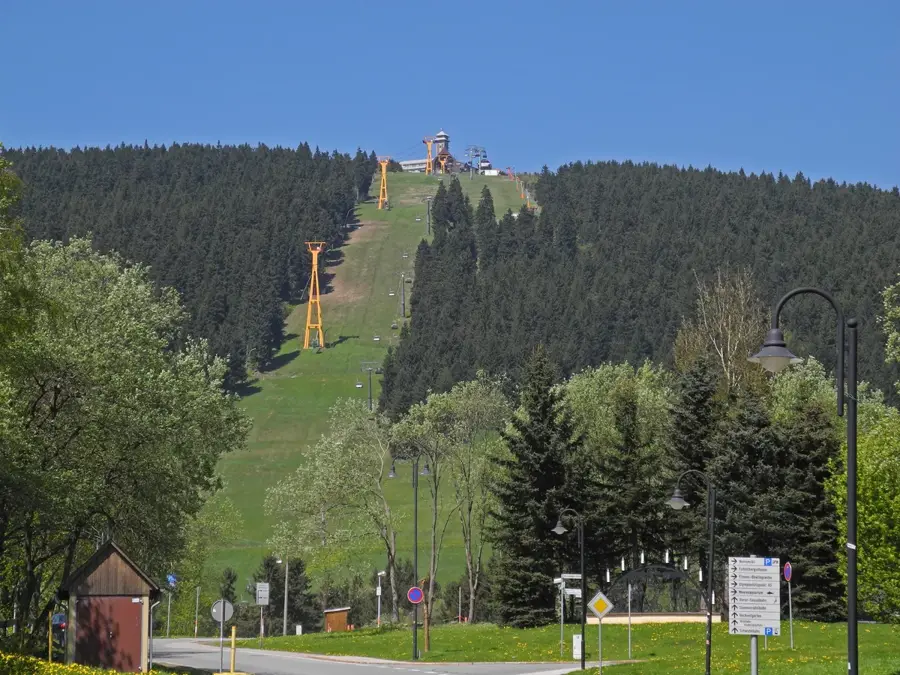
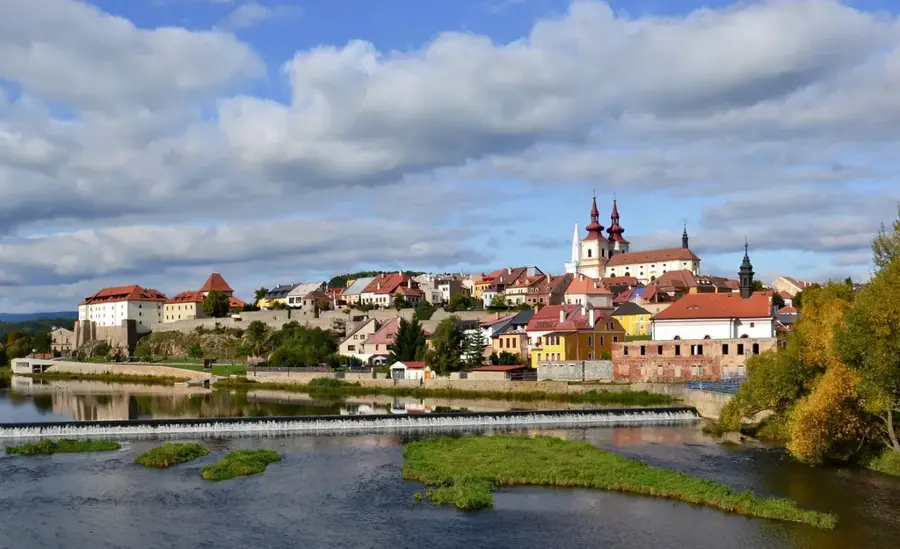
The Ore Mountains (Erzgebirge) are a historic low mountain range situated on the border between Saxony and Bohemia, shaped by over eight centuries of mining activity. The region stretches approximately 150 kilometers in length, forming a natural frontier between Germany and the Czech Republic. Since the 12th century, significant quantities of silver, tin, iron, and cobalt were extracted here, driving the economic rise of the Electorate of Saxony. In 2019, the Erzgebirge/Krušnohoří Mining Region was designated as a UNESCO World Heritage site for its unique technological and cultural monuments. Beyond its industrial heritage, the range is globally famous for its traditional woodcarving art, known for Christmas figures like nutcrackers and candle arches. The Fichtelberg is the highest peak on the Saxon side, reaching an elevation of 1,214.7 meters. Today, the Ore Mountains serve as a vital recreational area in Central Europe, offering extensive opportunities for hiking, cycling, and winter sports.
Explore on the map
How well do you know Germany?
Find cities, landscapes and regions in 10 varied challenges on the interactive map.
Your journey, your memory
A postcard from Ore Mountains
Turn your own photo into a personal postcard with a local stamp. Free and no sign-up required.
Create a postcard- Location: Saxony, Germany
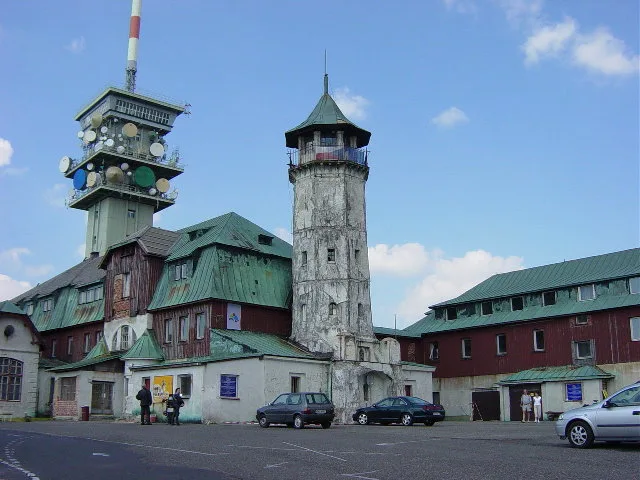
- Highlights: Suppenmuseum · Fichtelberg · Vápenka
- Nearby: Oberwiesenthal (4 km)
Best time to visit & climate
The most pleasant time to visit is Jun–Aug.
| Jan | Feb | Mar | Apr | May | Jun | Jul | Aug | Sep | Oct | Nov | Dec | |
|---|---|---|---|---|---|---|---|---|---|---|---|---|
| Avg °C | -3 | -2 | 2 | 7 | 12 | 16 | 18 | 18 | 13 | 8 | 3 | -1 |
| Rain mm | 58 | 41 | 48 | 40 | 69 | 75 | 84 | 78 | 62 | 53 | 57 | 58 |
📋 Practical info
Geography
Facts
- UNESCO World Heritage site since 2019
- Highest Saxon peak: Fichtelberg (1,214 m)
- Stretches for approximately 150 km
- Mining history dates back to the 12th century
- Center of German woodcarving traditions
- Natural border with the Czech Republic
Explore nearby
Notable places around
Route planner — Car & Motorhome
Where do you start? We build the route here, with stops and country notes along the way.
© OpenStreetMap contributors · OpenRouteService
Sights in the town Ore Mountains (5)
Sights nearby
Frequently asked questions
Why is the Ore Mountains a UNESCO World Heritage site?
Which is the highest mountain in the Ore Mountains?
What are typical woodcrafts from the region?
Can you go skiing in the Ore Mountains?
Are there historic steam trains?
Ore Mountains: where is it located?
Ore Mountains: what is there to see?
Ore Mountains: when is the best time to visit?
Ore Mountains: why is it worth visiting?
Nearby cities