Zweibrücken City Festival
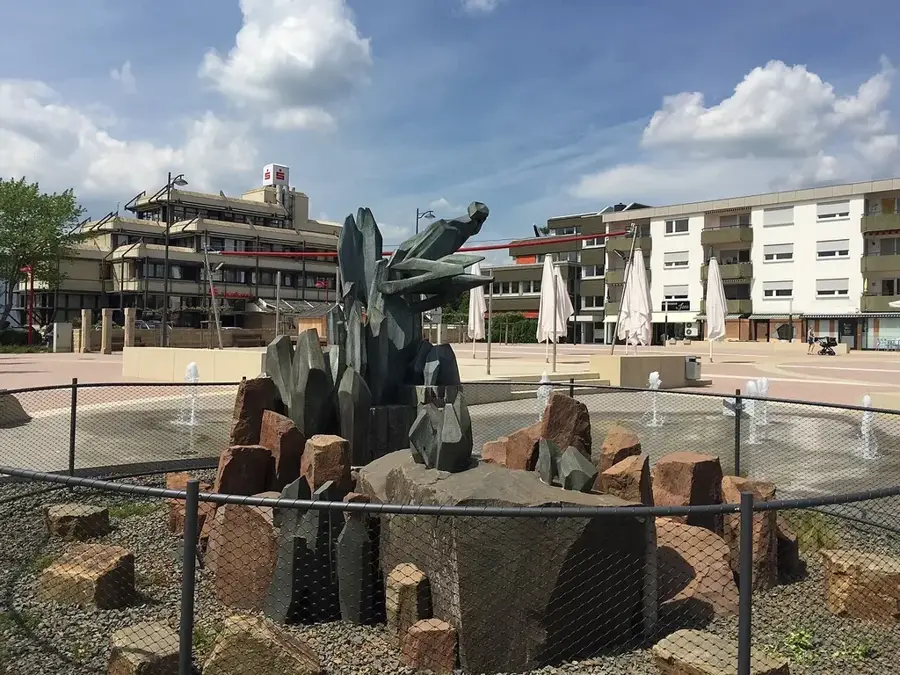
A three-day city festival in the town centre, traditionally held in midsummer, with numerous acts and a varied live programme. A fixture of the municipal calendar with more than 40 editions.
Plizio Visual Lab
A hearty, pan-fried potato dish typical of the region, often served with applesauce in local inns.
Try the famous white wines from the nearby Pfalz region in one of the cozy wine bars near Hallplatz.
These local potato pancakes are best enjoyed fresh at the weekly markets or local festivals.
One of Germany's largest designer outlets, featuring a wide range of international brands at discounted prices.
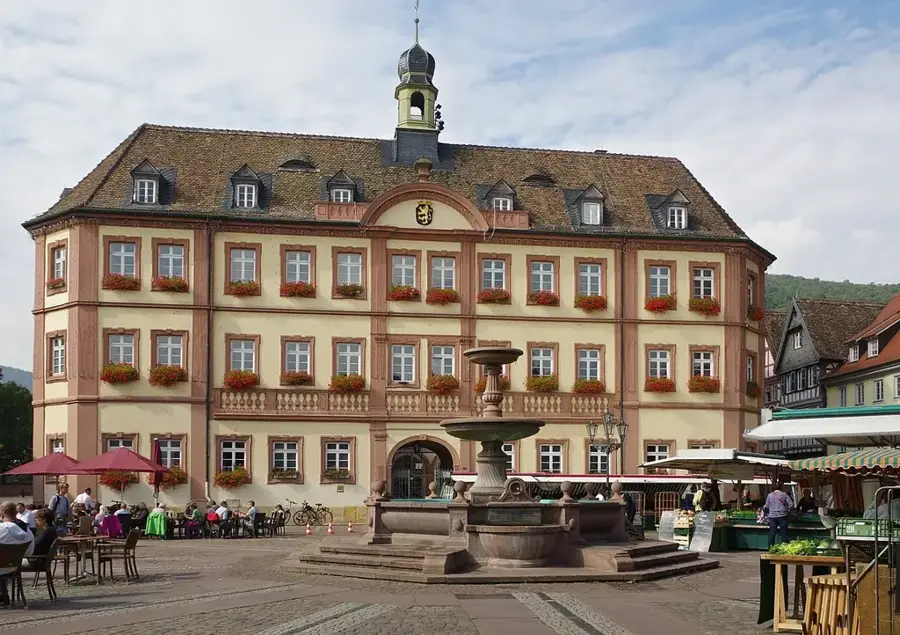
A great spot to find regional products, fresh local food, and handmade goods in the city center.
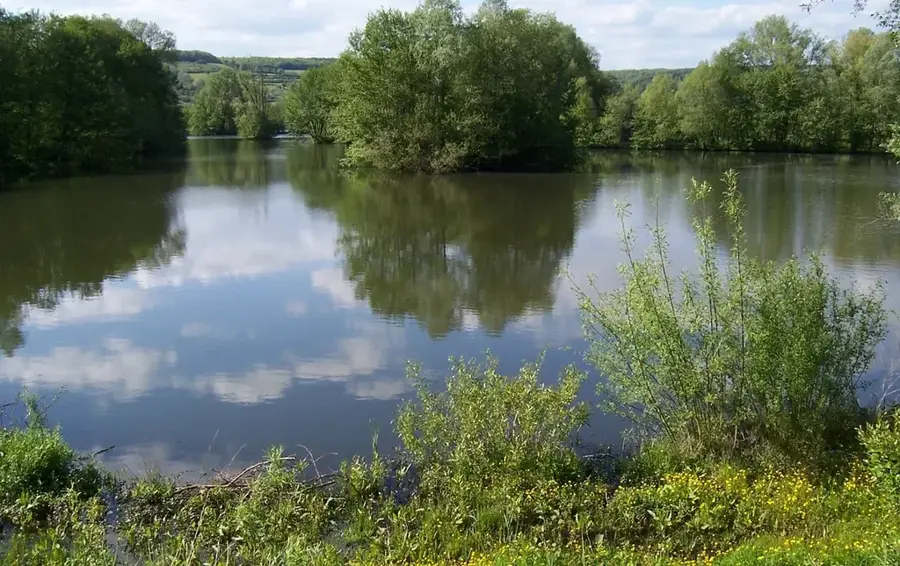
An idyllic valley along the stream, excellent for long, quiet walks surrounded by greenery.
The park behind the Ducal Palace provides shaded paths and a peaceful atmosphere away from the city noise.
Water temperature…
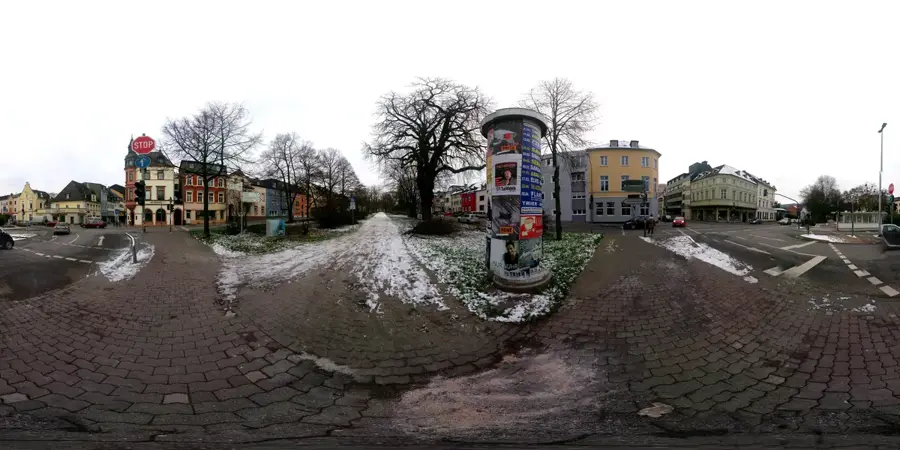
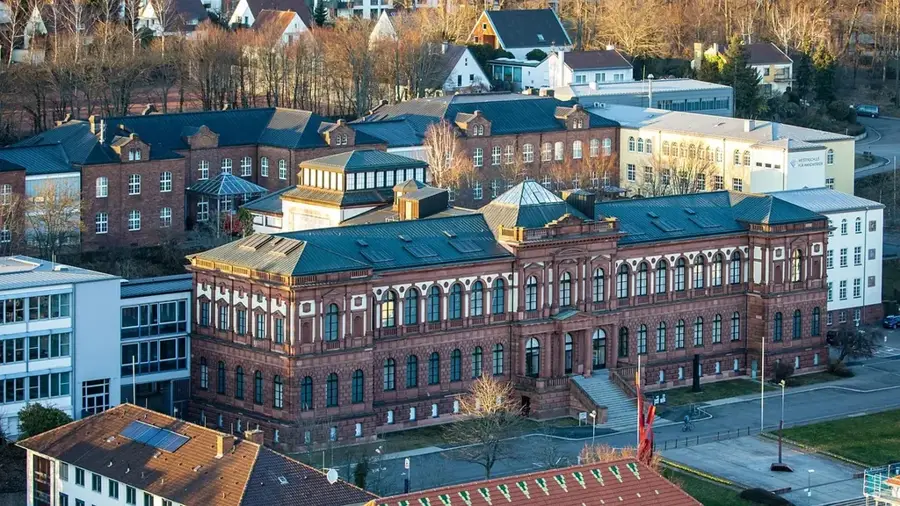
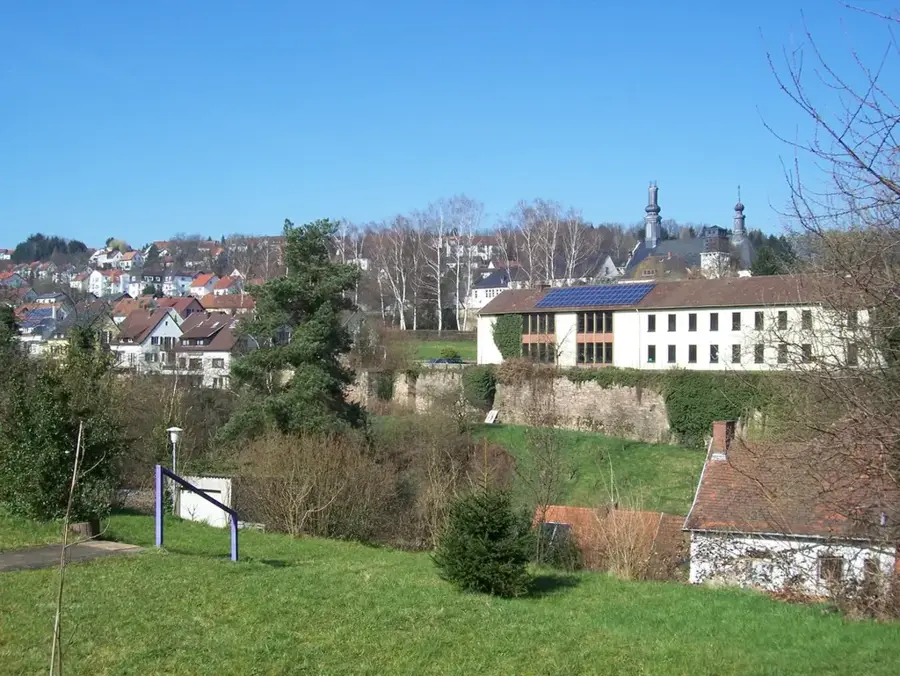
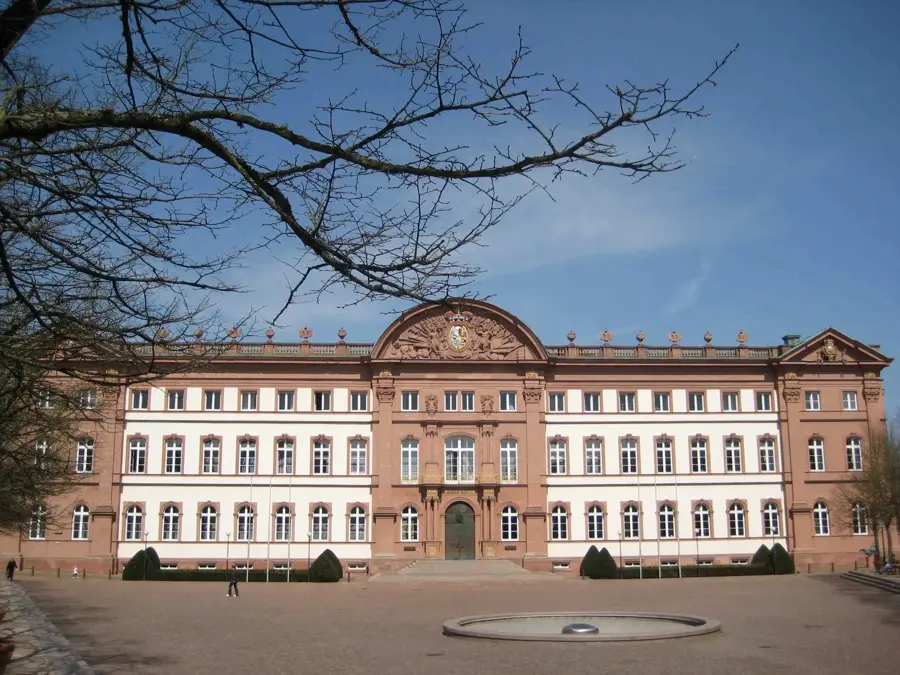
Zweibrücken, located in the southwestern Palatinate, is widely recognized as the city of roses and horses. The central attraction is the Zweibrücken Rose Garden, a 50,000-square-meter park featuring over 60,000 rose bushes of 2,000 different varieties, making it one of the largest rose gardens in Europe. Adjacent to the park is the state stud farm, which maintains a horse-breeding tradition originally established by the Dukes of Palatinate-Zweibrücken. The historical urban center is anchored by the Ducal Palace, a large 18th-century Baroque building that now houses the Palatinate Higher Regional Court. Contrasting with this historical legacy is the Zweibrücken Fashion Outlet located on the town's outskirts. As one of Germany's largest factory outlet centers, it draws a massive amount of shopping tourism year-round. The surrounding landscape, shaped by the rolling hills of the Palatinate Forest and the proximity to the French border, provides ample space for outdoor recreation. The downtown pedestrian areas still reflect the town's former status as a noble residence through classical facades and tree-lined avenues.
Explore on the map
Find cities, landscapes and regions in 10 varied challenges on the interactive map.
Your journey, your memory
Turn your own photo into a personal postcard with a local stamp. Free and no sign-up required.
Create a postcardThe most pleasant time to visit is Jun–Aug.
| Jan | Feb | Mar | Apr | May | Jun | Jul | Aug | Sep | Oct | Nov | Dec | |
|---|---|---|---|---|---|---|---|---|---|---|---|---|
| Avg °C | 1 | 1 | 5 | 10 | 14 | 18 | 20 | 19 | 15 | 10 | 5 | 1 |
| Rain mm | 63 | 51 | 54 | 44 | 75 | 66 | 68 | 71 | 54 | 65 | 63 | 75 |
Notable places around
Where do you start? We build the route here, with stops and country notes along the way.
© OpenStreetMap contributors · OpenRouteService
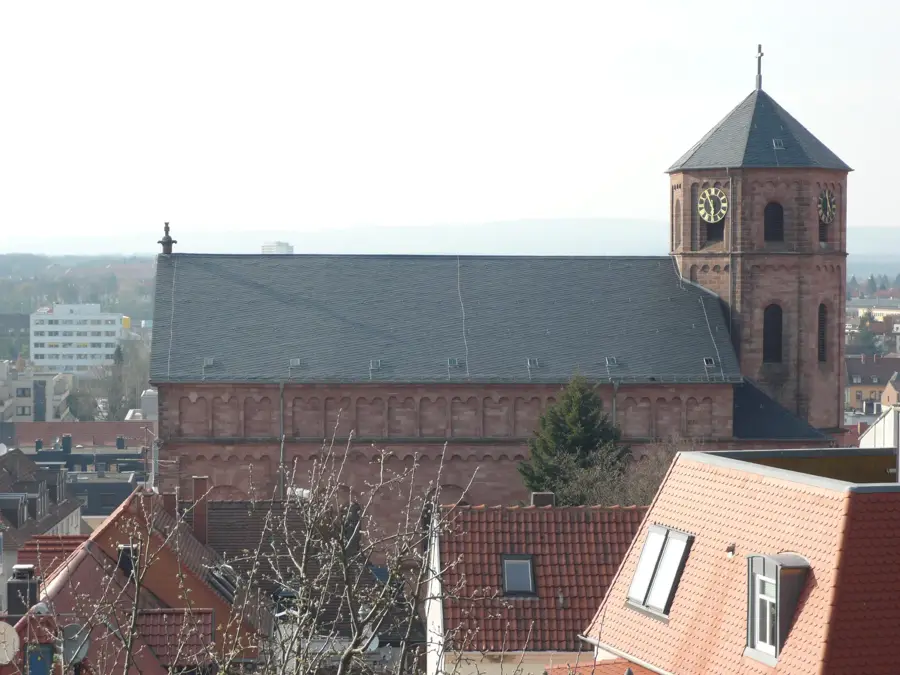
Your day begins at the central Hallplatz, the pulsing heart of the city. After visiting the historic Alexander's Church, walk to the magnificent Ducal Palace, which reflects the city's history. Charles' Church offers a Baroque contrast. At midday, enjoy the freshness in the Schwarzbachaue. The crowning finale is the world-famous Rose Garden, followed by a quick look at the Zweibrücken State Stud.
Zweibrücken is excellent for exploring by bike. From Hallplatz, the route leads past the palace to Alexander's Church. Cycle relaxedly along the Schwarzbachaue to the Rose Garden and the State Stud. The furthest but most rewarding part takes you out to the Fasanerie, an idyllic park area. Finally, return to the city center for a look at Charles' Church.
Zweibrücken by car offers flexibility for both the city and surroundings. Start in the center with the palace and churches (Cluster 1). Then drive to the world-famous Rose Garden and the neighboring State Stud (Cluster 2). A short trip takes you to the idyllic Fasanerie on the outskirts. End the day at the famous Fashion Outlet, easily reachable by car.