German Gemstone Cutter and Goldsmith Market
On the first weekend of August around 50 gemstone cutters, gold- and silversmiths and jewellery designers demonstrate their craft in the Oberstein town centre. The event has run for more than 20 years.
Plizio Visual Lab
Marinated meat roasted over an open beechwood fire. Try it at a traditional inn in the town center.
Potato dumplings stuffed with meat and liver sausage. Look for rustic taverns near the historic market square.
Another local pork specialty. Enjoy it with a local beer at a traditional Gasthaus.
Explore the numerous independent jewelers and lapidaries in the Idar district for unique pieces.
Many shops along the main pedestrian zone offer raw minerals and beautiful geodes from around the world.
Visit the only gemstone mine in Europe accessible to visitors for a cool, fascinating underground tour.
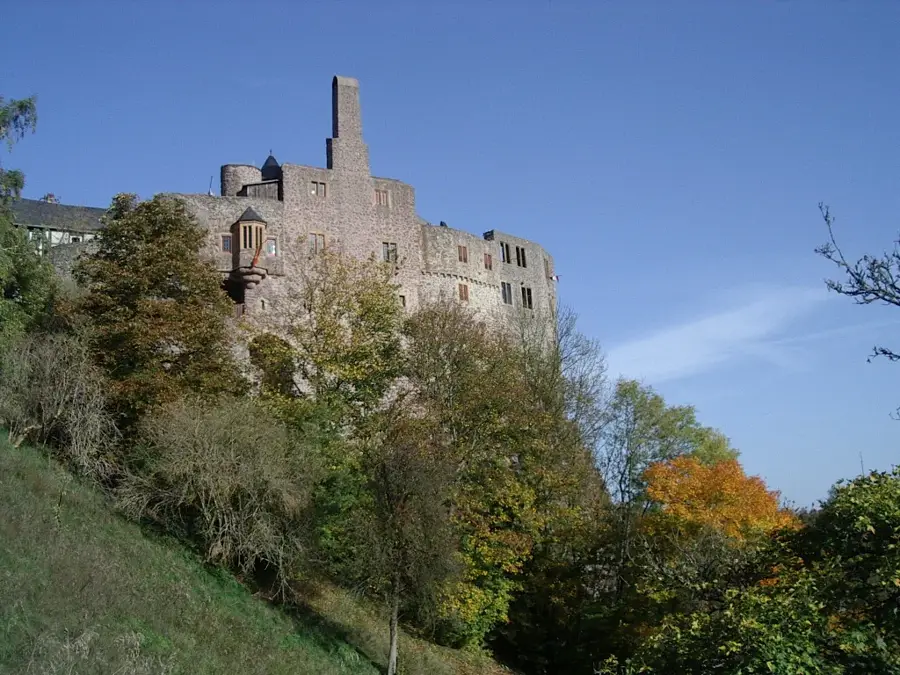
Walk up to the castle ruins for a peaceful atmosphere and panoramic views of the Nahe valley.
Water temperature…
On the first weekend of August around 50 gemstone cutters, gold- and silversmiths and jewellery designers demonstrate their craft in the Oberstein town centre. The event has run for more than 20 years.
International mineral and gemstone fair, usually held in late May, with dealers of gemstones, fossils and jewellery from Europe and overseas. Each year features a changing special exhibition.
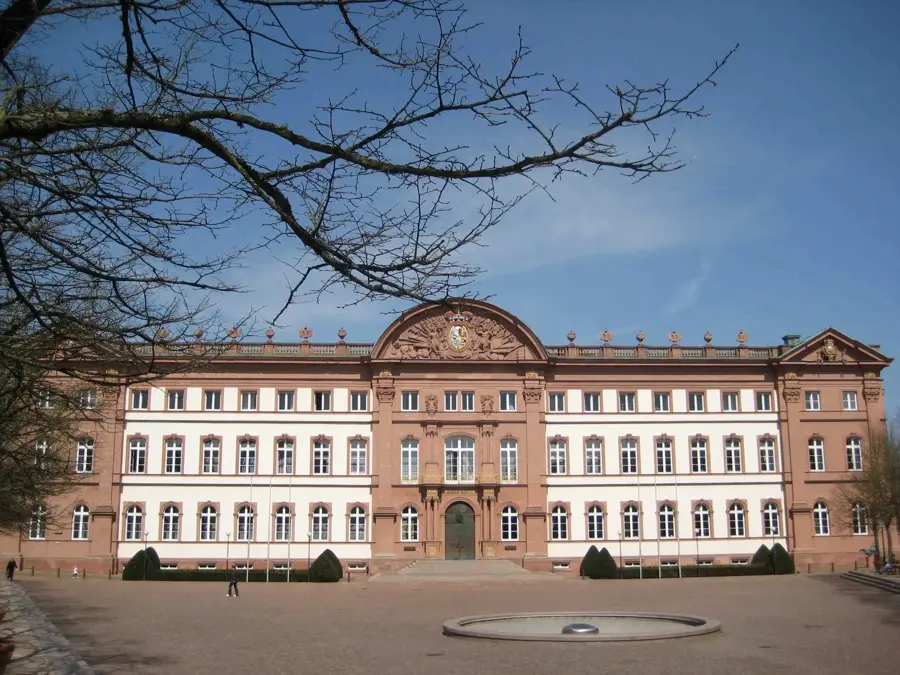
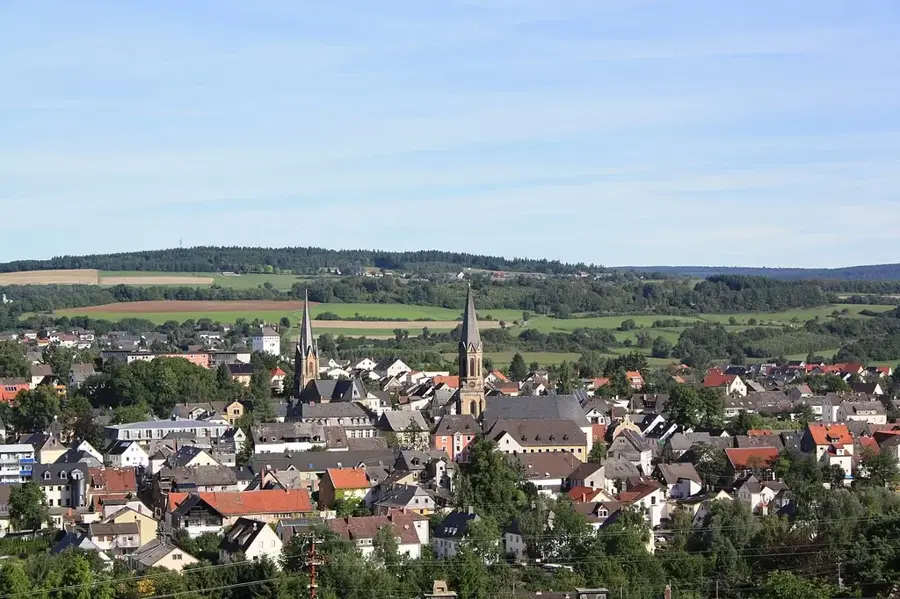
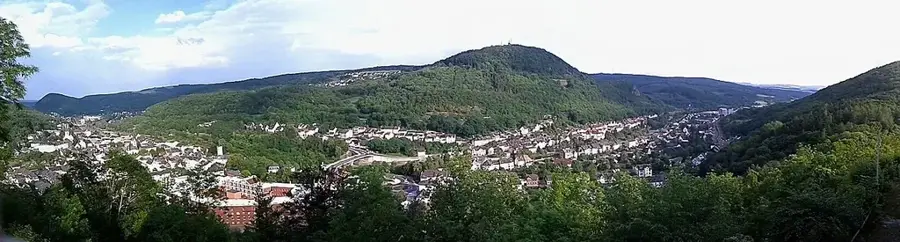
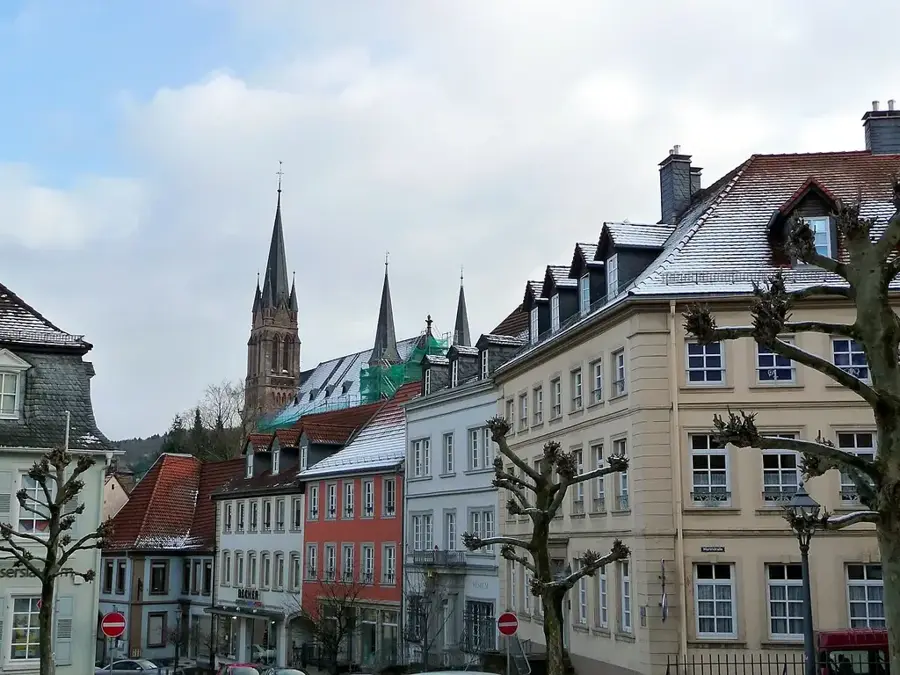
Idar-Oberstein is globally recognized as the gemstone and jewelry capital of Germany, deeply embedded in the steep valleys of the Hunsrueck mountains. The historical trajectory of the town shifted when agate and amethyst deposits were discovered centuries ago, leading to a massive local lapidary industry. Visitors can explore this legacy firsthand at the Steinkaulenberg, the only gemstone mine in Europe open to the public, where sparkling minerals are still visible within the tunnel walls. The German Gemstone Museum in the center showcases over 10,000 intricately cut stones and historical polishing machines powered by water wheels. Architecturally, the most prominent landmark is the Felsenkirche, a unique Protestant church constructed in 1482 directly into a natural recess in a steep rock face, accessible only through a tunnel carved into the cliff. Culinary traditions are heavily shaped by the historical traders who brought back customs from South America, resulting in the famous local Spießbraten: large cuts of marinated meat roasted over an open beechwood fire. The steep topography and intense industrial heritage give the destination an unpolished, authentic atmosphere.
Explore on the map
Find cities, landscapes and regions in 10 varied challenges on the interactive map.
Your journey, your memory
Turn your own photo into a personal postcard with a local stamp. Free and no sign-up required.
Create a postcardThe most pleasant time to visit is Jun–Aug.
| Jan | Feb | Mar | Apr | May | Jun | Jul | Aug | Sep | Oct | Nov | Dec | |
|---|---|---|---|---|---|---|---|---|---|---|---|---|
| Avg °C | 0 | 1 | 4 | 9 | 13 | 17 | 19 | 19 | 14 | 10 | 5 | 1 |
| Rain mm | 60 | 49 | 52 | 42 | 71 | 65 | 65 | 69 | 51 | 60 | 61 | 72 |
See what it looks like near Idar-Oberstein right now.
Idar-Oberstein › North-east: Felsenkirche - Oberstein · 0.8 km · Open webcam on Windy · Webcams provided by Windy.com
Notable places around
Where do you start? We build the route here, with stops and country notes along the way.
© OpenStreetMap contributors · OpenRouteService
The day starts at the Mineral Museum, followed by a climb to the iconic Rock Church. After exploring Bosselstein ruins and Oberstein Castle, enjoy local cuisine in the market square. A relaxed walk to the City Theater concludes the day.
This bike tour connects industrial history at Weiherschleife with the geology of the gemstone mines. After visiting the grand Gemstone Museum, enjoy a relaxed ride along the Nahe river to the historic center of Oberstein.
By car, you can easily reach the mines and grinding mills located outside town. Afterward, park centrally in Oberstein to explore the historic highlights like the rock church and castle on foot. The day blends nature experiences with cultural treasures.