Trier Christmas Market 2026
Large Christmas market on Hauptmarkt and Domfreihof with stalls, mulled wine, and Advent atmosphere in the historic center.
Plizio Visual Lab
Enjoy Moselle wine or Viez (apple wine) best in the rustic wine taverns along the Zurlaubener Ufer.
A hearty local dish of mashed potatoes, sauerkraut, and bacon. Look for it in traditional Trier taverns.
Pork marinated in marc spirit. A local specialty often offered in traditional restaurants around the Hauptmarkt.
Surrounded by beautiful architecture, this square is great for finding local products, especially regional wine.
The bustling main shopping street that connects the Porta Nigra directly to the historic Hauptmarkt.
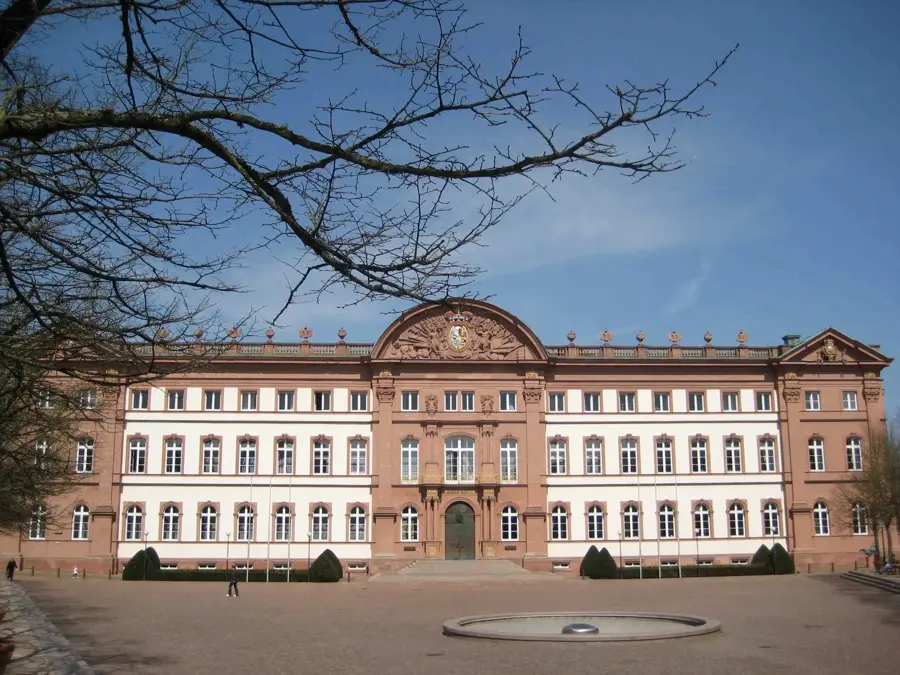
The beautiful garden behind the Electoral Palace invites you to relax among its statues and flower beds.
Has a fantastic panoramic view over the city and the Moselle valley, especially welcoming at sunset.
The paved path right by the water is convenient for a quiet morning stroll away from the traffic.
Water temperature…
Large Christmas market on Hauptmarkt and Domfreihof with stalls, mulled wine, and Advent atmosphere in the historic center.
Special evening within the Underworlds festival featuring a concentrated night program across several underground city venues.
Festival in cellars, excavations, and underground city-center sites with guided tours, theater, readings, film, and food.
An elegant evening full of athletic excellence and aesthetic dance performances by TSC Trier at Europahalle.
A festive concert featuring the unforgettable melodies of the legendary film composer and Oscar winner Ennio Morricone.
Germany's most famous stand-up comedy show brings fresh jokes and the scene's top comedians directly to Trier.
A humorous tribute to the grand master of German comedy in Trier.
A nostalgic tribute to the legendary German comedian Heinz Erhardt, featuring his best sketches and puns at Europahalle.
The dinosaur-themed metal band for kids rocks the Europahalle – a highlight for young fans.
Sharp-witted cabaret at the piano – Hagen Rether inspires thought and laughter in Trier.
A magical musical for the whole family, transporting you into the world of the little dragon.
The well-known comedy trio performs their latest program at the Europahalle in Trier.
Free concert series in the Brunnenhof courtyard; in late September the regional music association presents ensembles from around Trier.
Four-day Trier wine festival in Olewig with winemakers' courtyards, live music, food, and the crowning of Trier's wine queen.
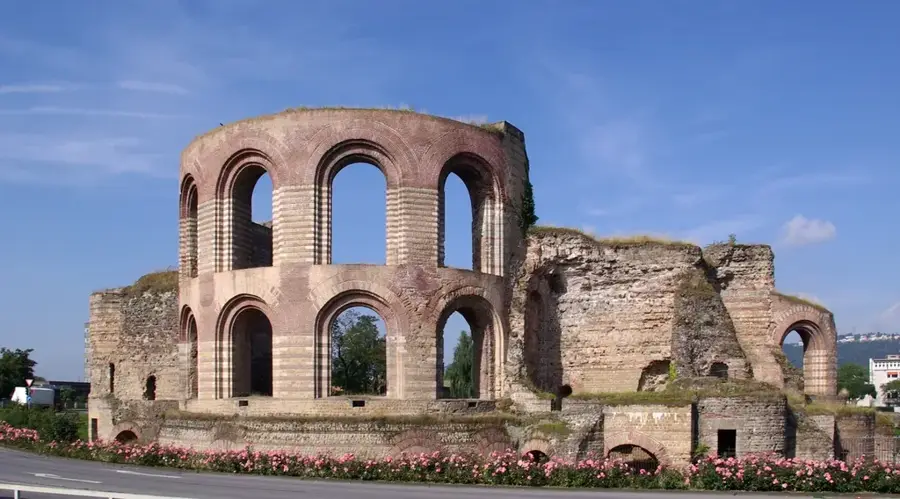
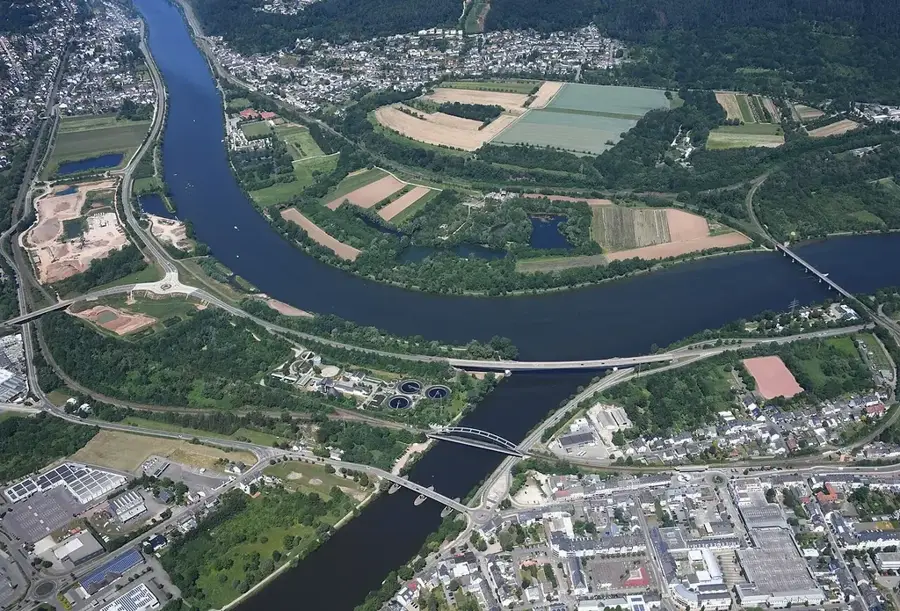
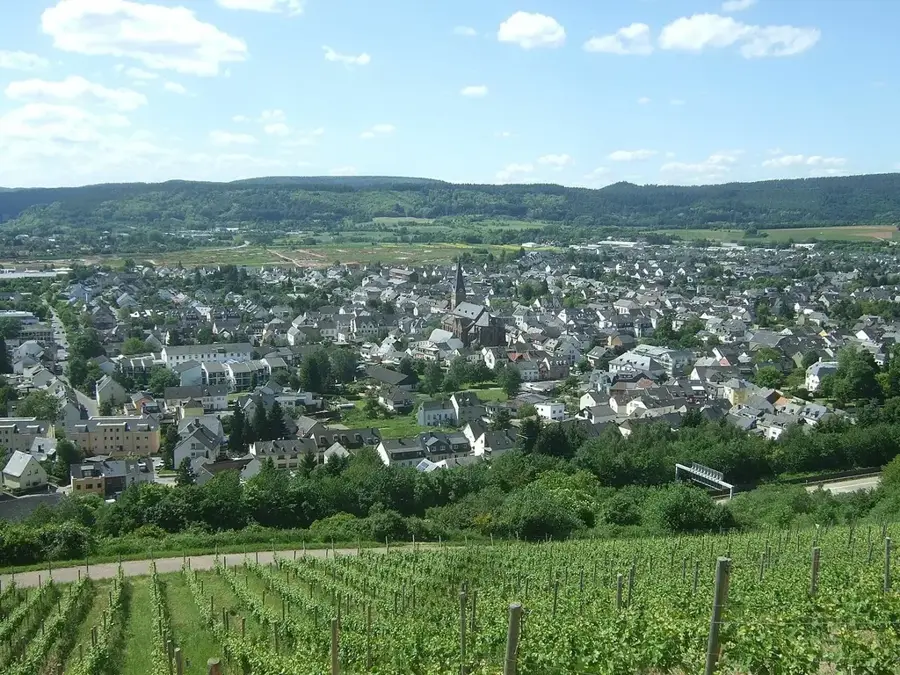
Trier, set in the scenic Moselle Valley, claims the title of Germany's oldest city. Founded by the Romans under Emperor Augustus in 16 BC as Augusta Treverorum, the city rose to become a prominent imperial residence and a key administrative center of the Roman Empire in Late Antiquity. Witnesses to this grand era include the monumental Porta Nigra, the best-preserved Roman city gate north of the Alps, as well as the Imperial Baths and the Constantine Basilica. These structures, along with several others, were designated UNESCO World Heritage sites in 1986. Trier Cathedral, the oldest bishop's church in Germany, combines architectural styles spanning nearly two millennia and houses the relic of the Holy Robe. Beyond its ancient significance, Trier is famously known as the birthplace of Karl Marx, whose childhood home now serves as a museum. The city is also a hub for Moselle viticulture, blending its rich historical depth with a lively student atmosphere and close proximity to nearby Luxembourg.
Explore on the map
Find cities, landscapes and regions in 10 varied challenges on the interactive map.
Your journey, your memory
Turn your own photo into a personal postcard with a local stamp. Free and no sign-up required.
Create a postcardThe most pleasant time to visit is Jun–Aug.
| Jan | Feb | Mar | Apr | May | Jun | Jul | Aug | Sep | Oct | Nov | Dec | |
|---|---|---|---|---|---|---|---|---|---|---|---|---|
| Avg °C | 1 | 1 | 5 | 9 | 13 | 17 | 19 | 19 | 15 | 10 | 5 | 2 |
| Rain mm | 67 | 57 | 57 | 46 | 70 | 68 | 65 | 72 | 56 | 65 | 68 | 79 |
Notable places around
Where do you start? We build the route here, with stops and country notes along the way.
© OpenStreetMap contributors · OpenRouteService
The best-preserved Roman city gate north of the Alps and a world-famous landmark of Trier, built in the 2nd century.