Plizio Visual Lab
Trier – Porta Nigra
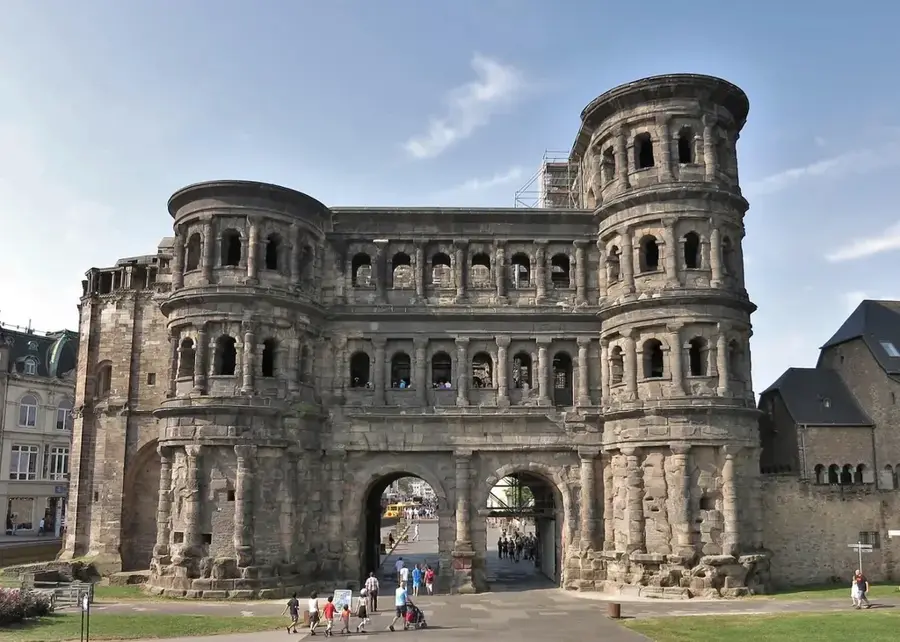
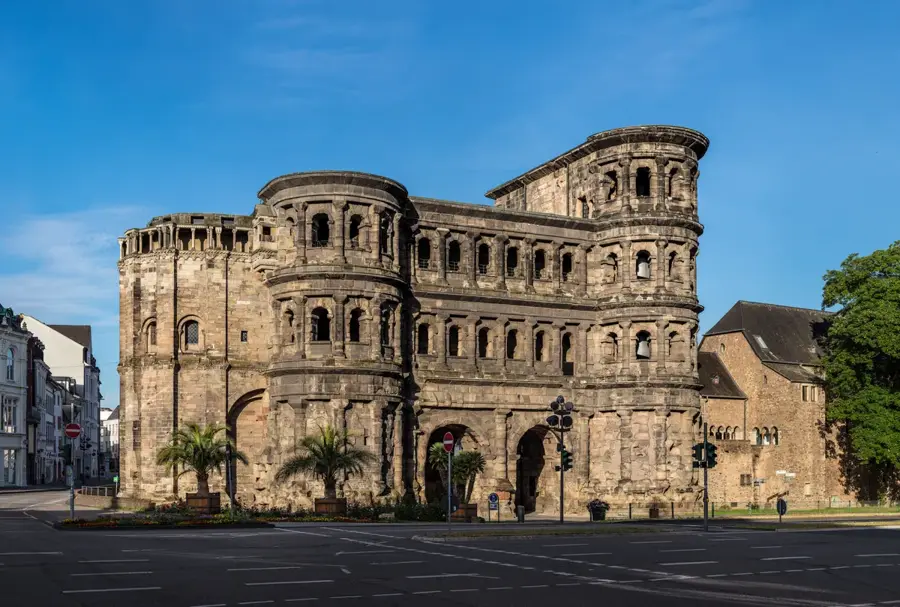
The Porta Nigra in Trier is the best-preserved Roman city gate north of the Alps and an outstanding monument of ancient architecture. This monumental structure was built around 170 AD using massive blocks of grey sandstone, which were layered without the use of mortar. It earned its name, meaning 'Black Gate,' during the Middle Ages due to the dark discoloration of the stone caused by weathering. The gate survived the centuries because of the Greek hermit Simeon, who took up residence there in the 11th century, leading to its conversion into a double church. It was not until the early 19th century, by order of Napoleon, that the ecclesiastical additions were removed and the gate was restored to its original Roman state. Since 1986, the Porta Nigra has been part of the UNESCO World Heritage list alongside other Roman monuments in Trier. Today, it serves as the city's landmark and provides an impressive look into Roman military architecture and Trier's significance as an imperial residence.
Explore on the map
How well do you know Germany?
Find cities, landscapes and regions in 10 varied challenges on the interactive map.
Your journey, your memory
A postcard from Trier – Porta Nigra
Turn your own photo into a personal postcard with a local stamp. Free and no sign-up required.
Create a postcard- Location: Rhineland-Palatinate, Germany
- Highlights: Petrusbrunnen · St. Gangolf · Marktkreuz
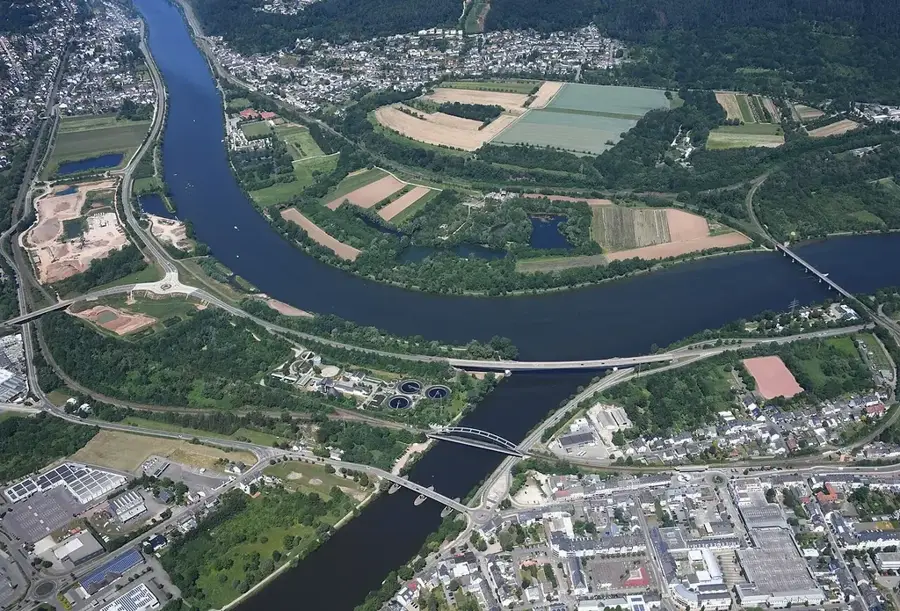
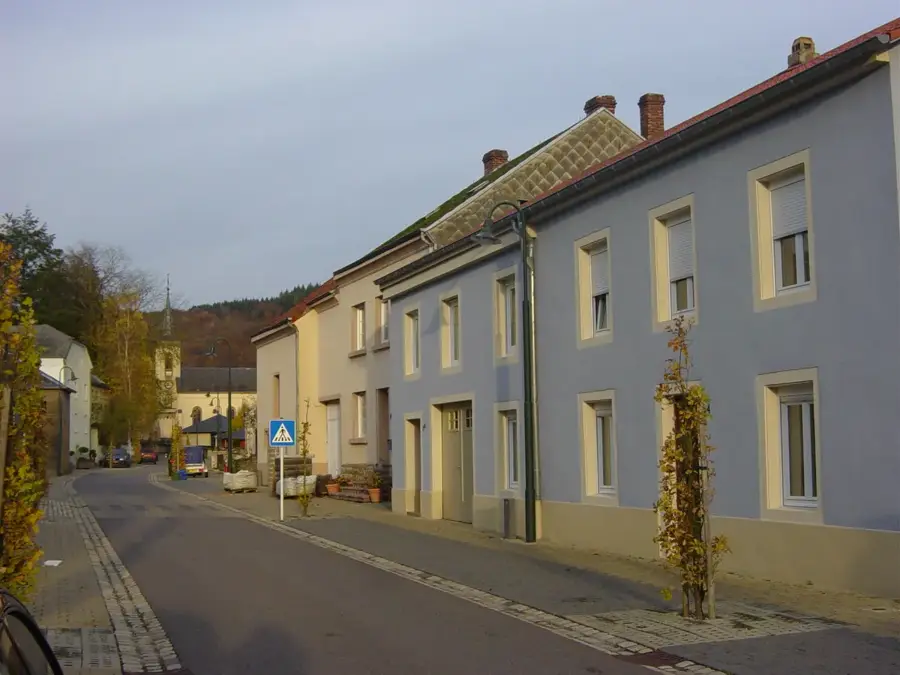
- Nearby: Konz (7 km)
Best time to visit & climate
The most pleasant time to visit is Jun–Aug.
| Jan | Feb | Mar | Apr | May | Jun | Jul | Aug | Sep | Oct | Nov | Dec | |
|---|---|---|---|---|---|---|---|---|---|---|---|---|
| Avg °C | 0 | 1 | 4 | 8 | 12 | 16 | 18 | 17 | 14 | 9 | 5 | 1 |
| Rain mm | 75 | 64 | 63 | 49 | 75 | 75 | 74 | 81 | 59 | 67 | 72 | 84 |
📋 Practical info
Geography
Facts
- The city gate was built around 170 AD
- Height of the structure is exactly 29.8 meters
- Approximately 7,200 stone blocks were used for construction
- Iron clamps originally held the stones together
- UNESCO World Heritage status granted in 1986
- Used as a Christian church from the 11th to 18th century
Explore nearby
Notable places around
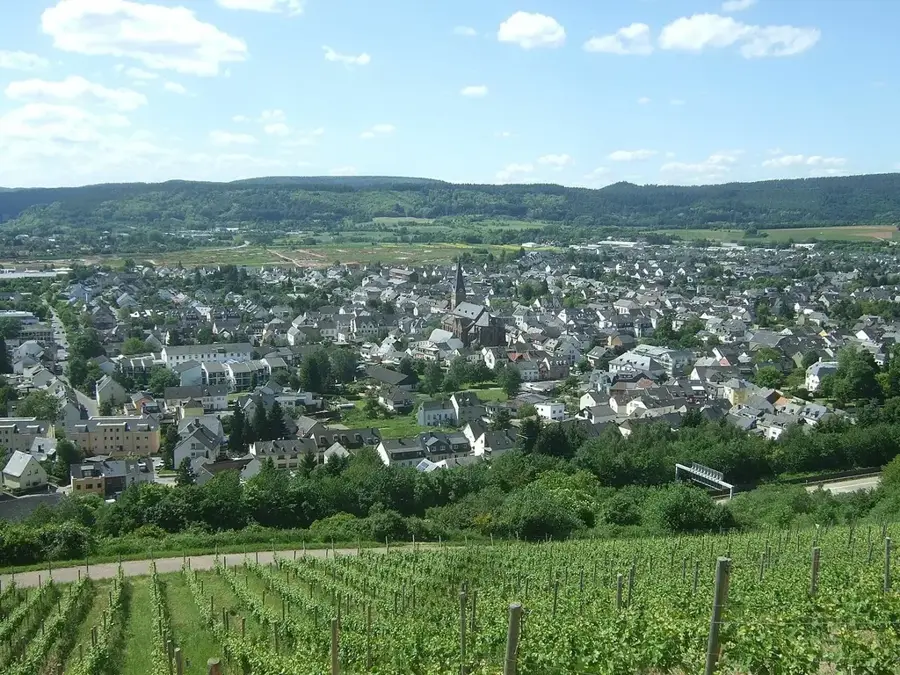
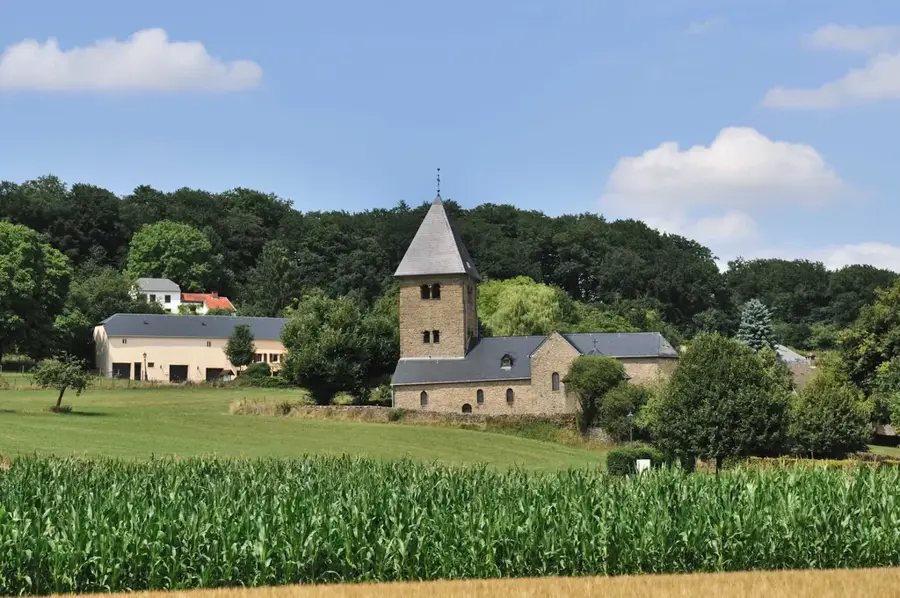

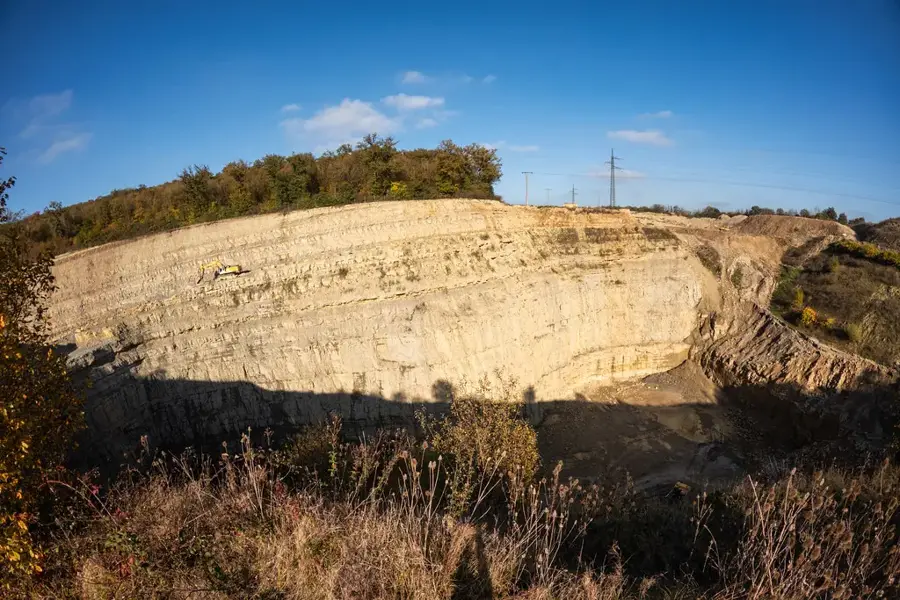
Route planner — Car & Motorhome
Where do you start? We build the route here, with stops and country notes along the way.
© OpenStreetMap contributors · OpenRouteService
Sights in the town Trier – Porta Nigra (10)
Steipe
Steipe in Trier, a late Gothic building complex at the main market.
Ausgrabungen römische Kirchenanlage
Roman church remains under the cathedral, accessible by guided tour.
KULTURSPEKTRUM
KULTURSPEKTRUM in Trier, a centre for cultural events.
Sektor 9000
Sektor 9000 in Trier, a gallery for contemporary art.
Museum am Dom🏛 museum
Museum am Dom in Trier, museum with sacred art treasures.
Banthuskapelle
Banthuskapelle in Trier's old town, a chapel.
Sights nearby
Frequently asked questions
How much is the entry fee for Porta Nigra?
When was the Porta Nigra built?
Can you visit the interior of the gate?
Are there guided tours of the Porta Nigra?
Is the Porta Nigra wheelchair accessible?
Trier – Porta Nigra: where is it located?
Trier – Porta Nigra: what is there to see?
Trier – Porta Nigra: when is the best time to visit?
Trier – Porta Nigra: why is it worth visiting?
Nearby cities