Plizio Visual Lab
Suchitoto
ℹ️Practical info — Suchitoto
▾
🌤 Weather — 5 days
📍 Nearby
Sights nearby
💡 Tips
- Wear sturdy walking shoes; the colonial cobblestones are beautiful but can be very tough on your feet.
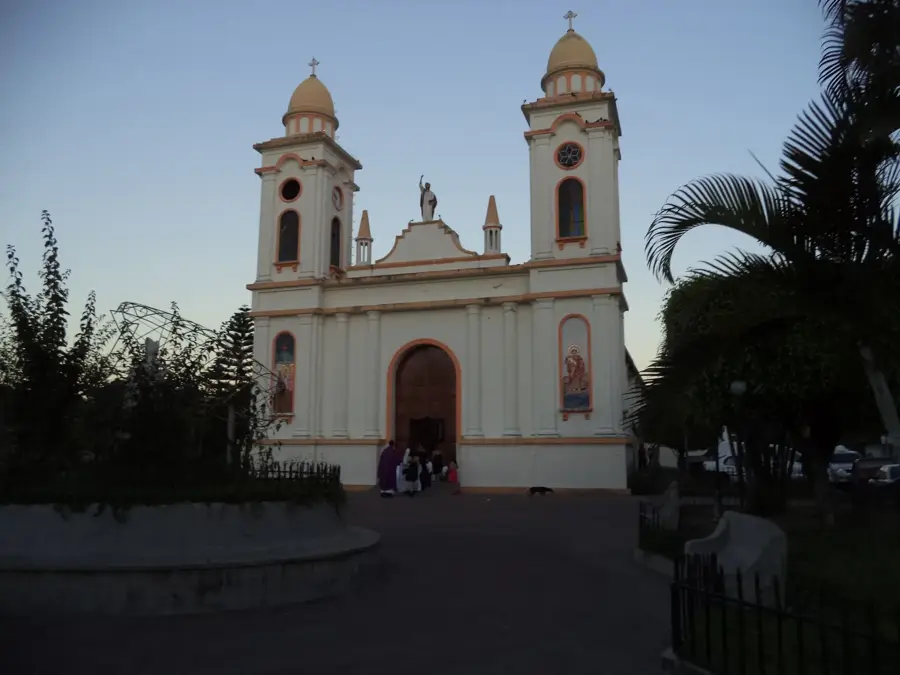
- Visit the Santa Lucía Church between 7:00 and 9:00 AM for the most peaceful atmosphere and the best photographic light.
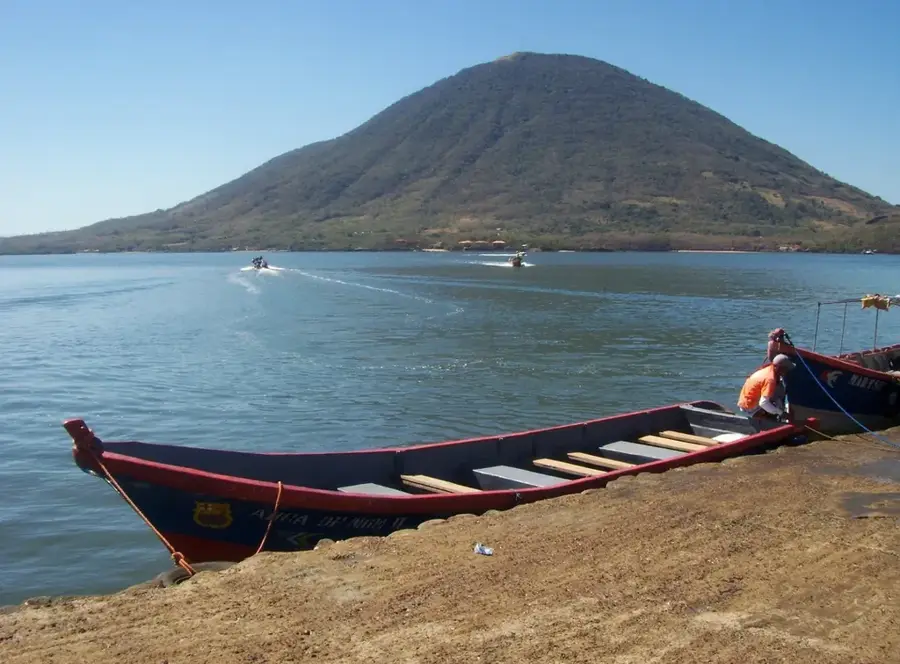
- Take a local bus or mototaxi back up from the lake (Puerto San Juan) to avoid the very steep uphill climb.
- Suchitoto is very quiet during the week but comes alive on weekends with food festivals and live music in the plaza.
- Ask the Tourist Police (Politur) for a free escort if you plan to hike to the Los Tercios Waterfall.
🍽 Food
A traditional fermented corn drink found in small shops around the market (be careful, it can be strong!).
Try the pupusas with loroco flower buds here, one of the most authentic spots in town.
Visit 'Casa de la Abuela' for premium local coffee served in a beautiful historic setting.
🛍 Shopping · 🧘 Quiet spots
Suchitoto is famous for indigo dyeing; visit this shop for high-quality hand-dyed scarves and clothing.
Visit the town's last traditional cigar maker to see the rolling process and buy hand-rolled cigars.
Shop for handicrafts from local cooperatives, including pottery, textiles, and jewelry.
Located in a former convent, these quiet gardens are a true oasis for escaping the midday heat.
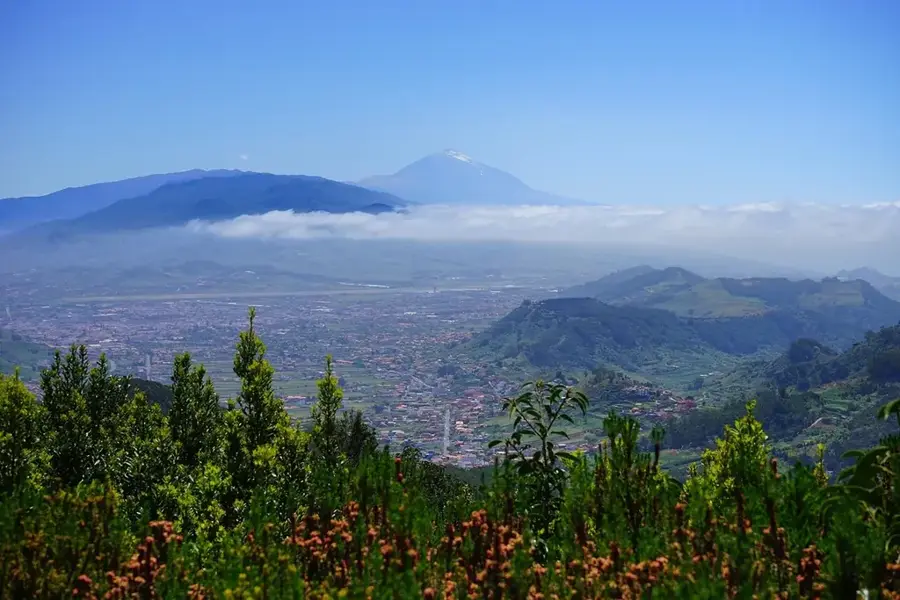
The former home of Alejandro Cotto gives one of the most peaceful viewpoints overlooking Lake Suchitlán.
Famous for its unique hexagonal basalt columns; a very quiet and scenic spot for a nature hike.
Water temperature…
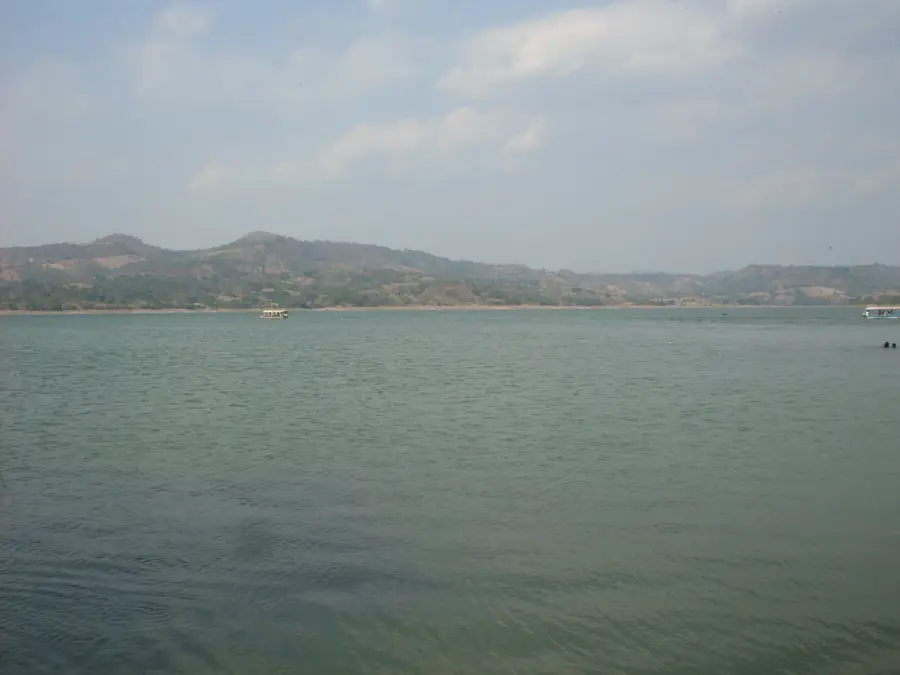
Often referred to as the "Cultural Capital of El Salvador," Suchitoto is a beautifully preserved colonial town located in the Cuscatlán Department. Its name in Nahuatl means "Place of Birds and Flowers," a fitting description for its scenic location overlooking the turquoise waters of Lake Suchitlán. The town served as the first capital of El Salvador for a brief period in the 16th century before the administration moved to San Salvador due to local resistance. Suchitoto is famous for its cobblestone streets, whitewashed houses with red tile roofs, and the iconic Santa Lucía Church, which dates back to 1853. During the 19th century, it was a prosperous center for the indigo trade, which brought significant wealth to the local elites. Today, it is a premier tourist destination, hosting international arts festivals and offering a glimpse into the country's colonial past.
Explore on the map
How well do you know El Salvador?
Find cities, landscapes and regions in 10 varied challenges on the interactive map.
Your journey, your memory
A postcard from Suchitoto
Turn your own photo into a personal postcard with a local stamp. Free and no sign-up required.
Create a postcard- Location: El Salvador
- Highlights: Teatro Alejandro Cotto · Cascada Los Tercios · Museo de Arte Alejandro Coto
- Nearby: Cinquera (8 km)
- Population: ~5.735 (2012)
Best time to visit & climate
The most pleasant time to visit is Jan, Nov, Dec.
| Jan | Feb | Mar | Apr | May | Jun | Jul | Aug | Sep | Oct | Nov | Dec | |
|---|---|---|---|---|---|---|---|---|---|---|---|---|
| Avg °C | 23 | 25 | 26 | 27 | 26 | 24 | 25 | 24 | 24 | 23 | 22 | 23 |
| Rain mm | 9 | 8 | 9 | 32 | 152 | 186 | 151 | 189 | 218 | 174 | 43 | 18 |
Geography
Facts
- Suchitoto was the capital of El Salvador province from 1528 to 1545.
- Lake Suchitlán is an artificial lake created by a dam in 1973.
- The Santa Lucía Church is one of the best examples of colonial architecture.
- The town is known for its workshops dedicated to natural indigo dyeing.
- The International Festival of Art and Culture is held every February.
- The village is situated at an elevation of 390 meters above sea level.
Explore nearby
Notable places around
Route planner — Car & Motorhome
Where do you start? We build the route here, with stops and country notes along the way.
© OpenStreetMap contributors · OpenRouteService
Sights in the town Suchitoto (8)
Frequently asked questions
What makes Suchitoto worth visiting?
How many days are ideal?
What can you do at the lake?
Are there good restaurants there?
Is the place family-friendly?
Suchitoto: where is it located?
Suchitoto: what is there to see?
Suchitoto: when is the best time to visit?
Suchitoto: why is it worth visiting?

Nearby cities
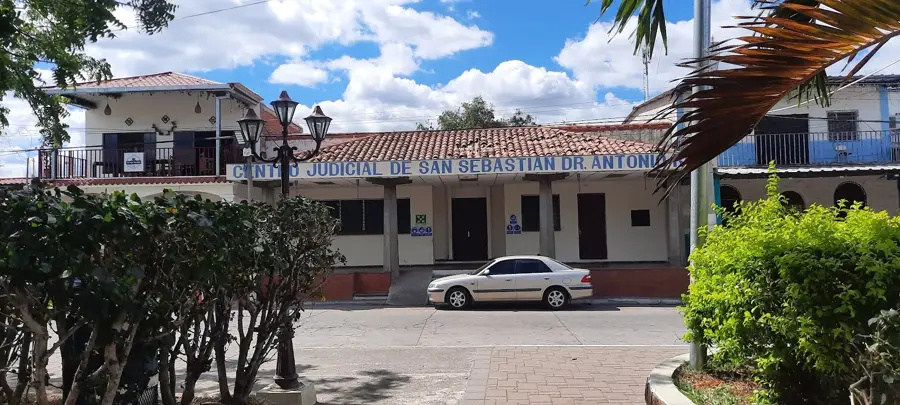
History & landmarks
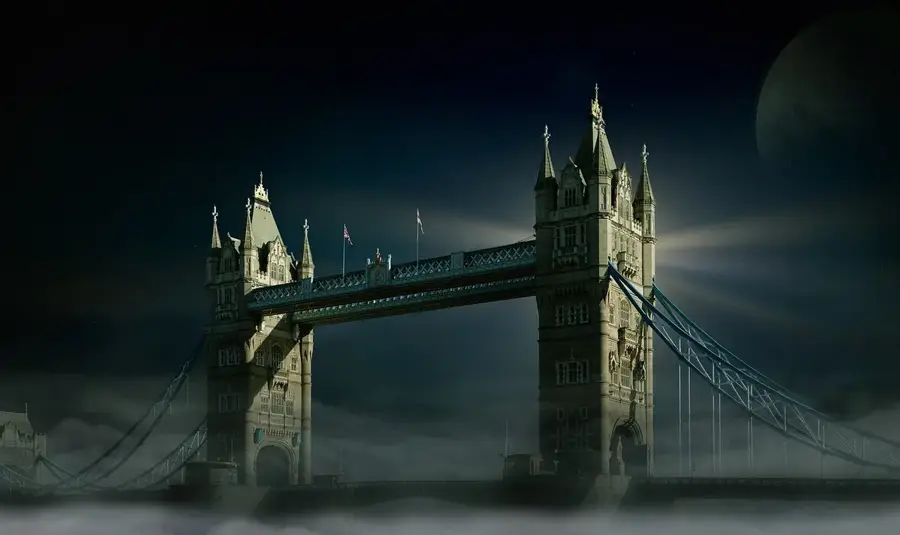
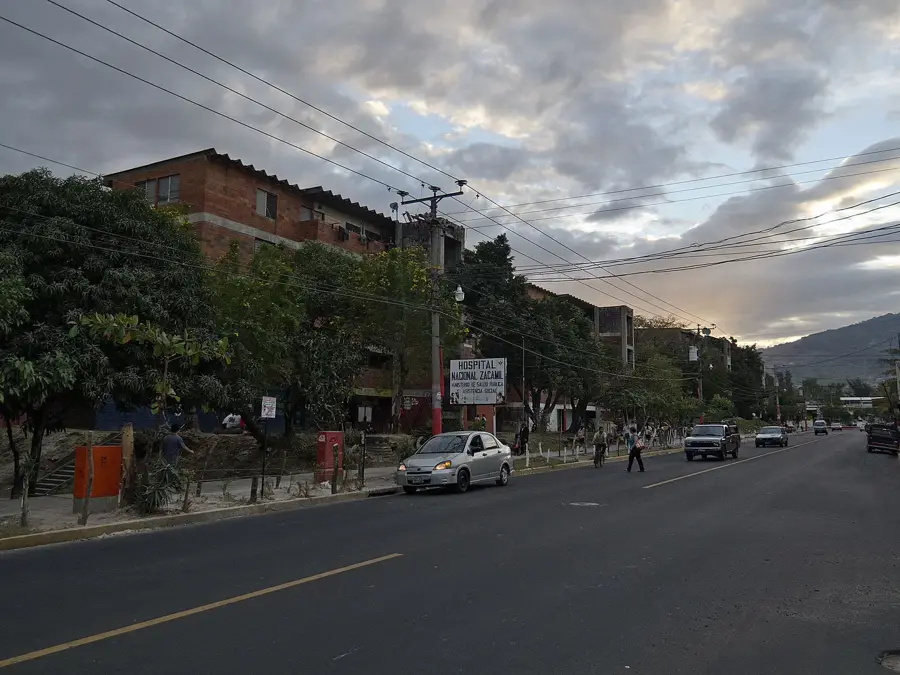
Nature
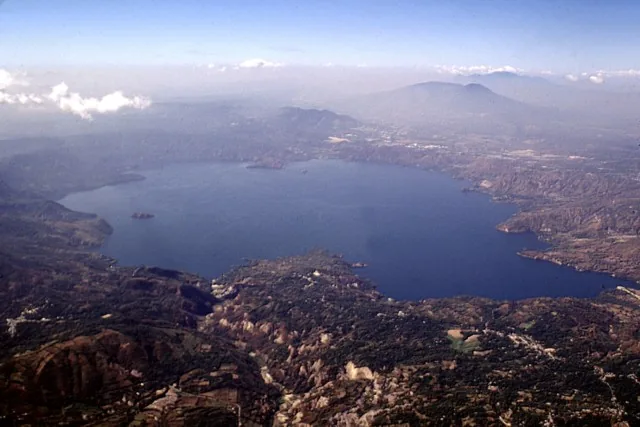
More places