Plizio Visual Lab
Sensuntepeque
ℹ️Practical info — Sensuntepeque
▾
🌤 Weather — 5 days
📍 Nearby
Sights nearby
💡 Tips
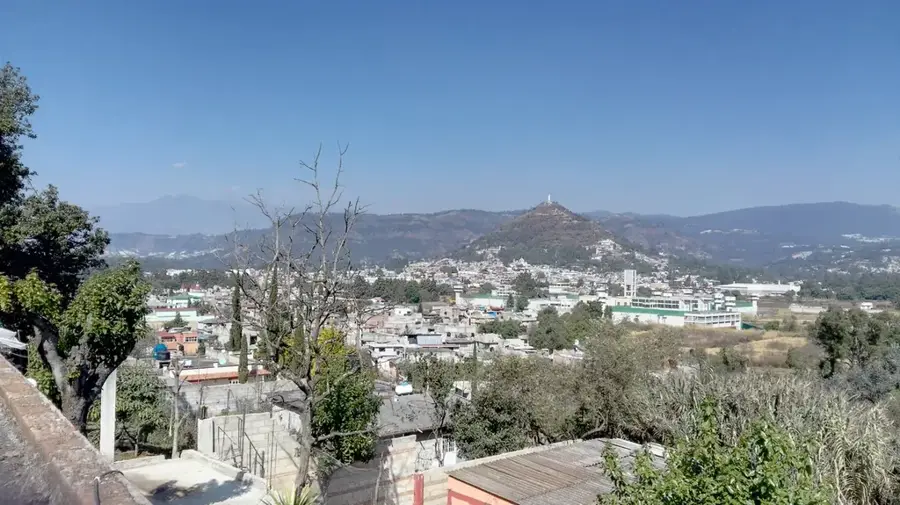
- Walk up to Cerro de la Cruz for a panoramic view of the town and surrounding mountains.
- The weather here is cooler than the coast due to the elevation; bring a light jacket for the evenings.
- Colectivos (shared vans) are the cheapest way to get around the region, but be prepared for them to be crowded.
- Visit the central plaza in the late afternoon when locals gather and the heat of the day has passed.
🍽 Food
The national dish of El Salvador. Find them at traditional pupuserías near the central park.
Cassava with fried pork belly, served at local eateries and market stalls.
A warm, sweet corn beverage, first-rate for the cooler mountain evenings, often sold by street vendors.
🛍 Shopping · 🧘 Quiet spots
The bustling central market where you can buy fresh regional produce and daily necessities.
The Cabañas department is famous for its ceramics; look for artisan stalls selling handcrafted clay items.
A peaceful spot with shade trees to relax and observe the daily life of the locals.
Apart from the view, this hilltop is a quiet retreat away from the busy streets.
Water temperature…
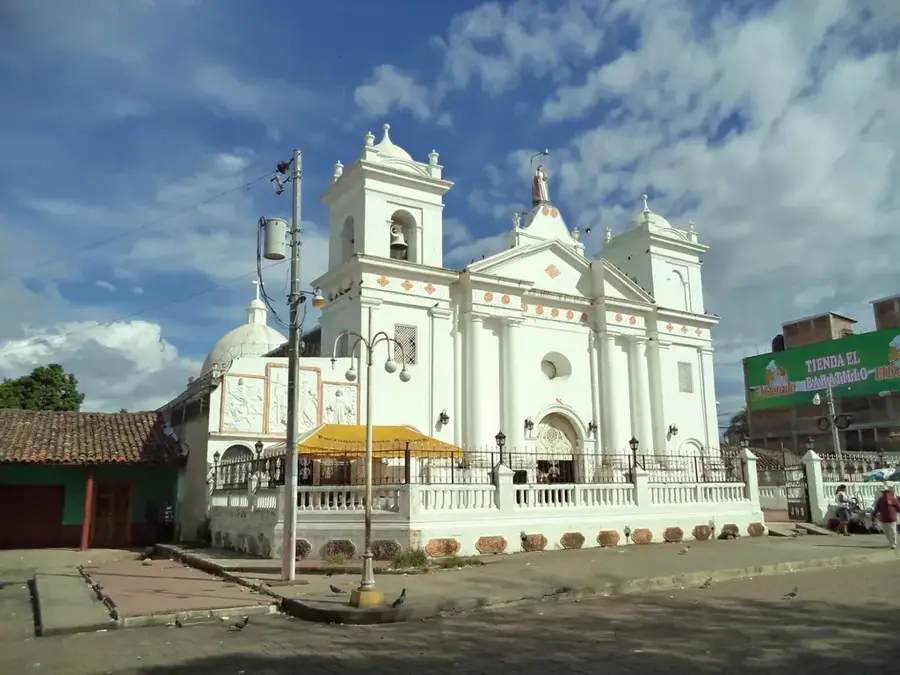
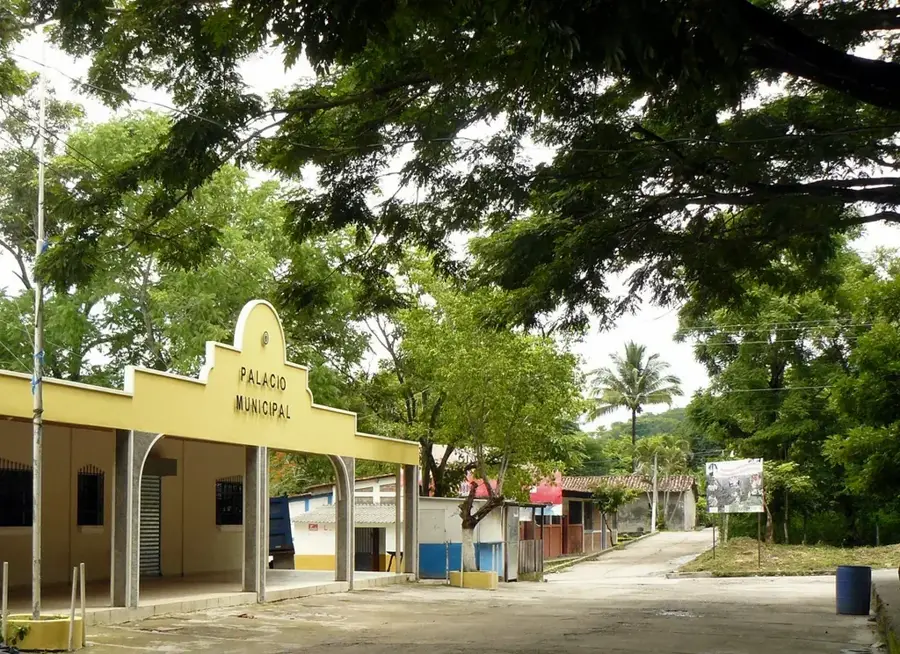
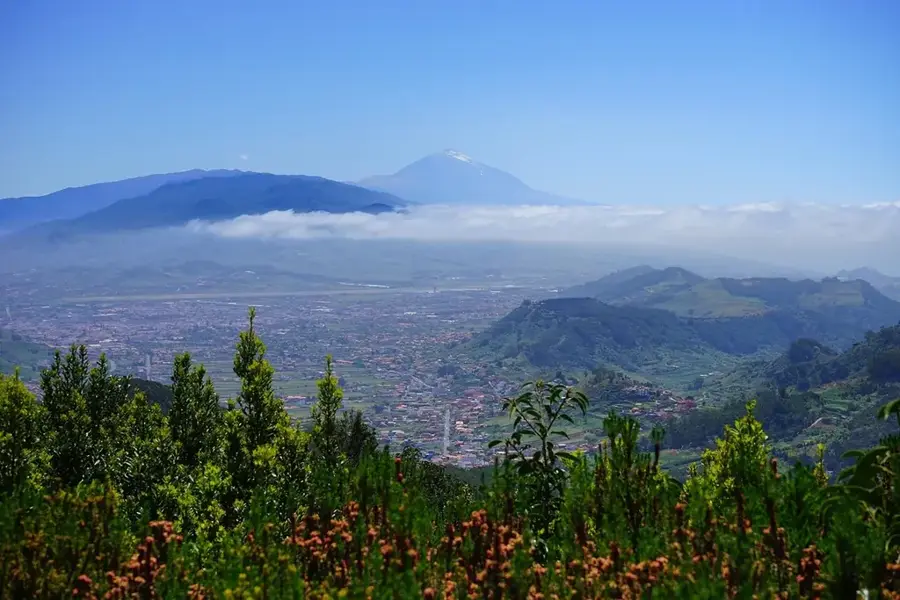
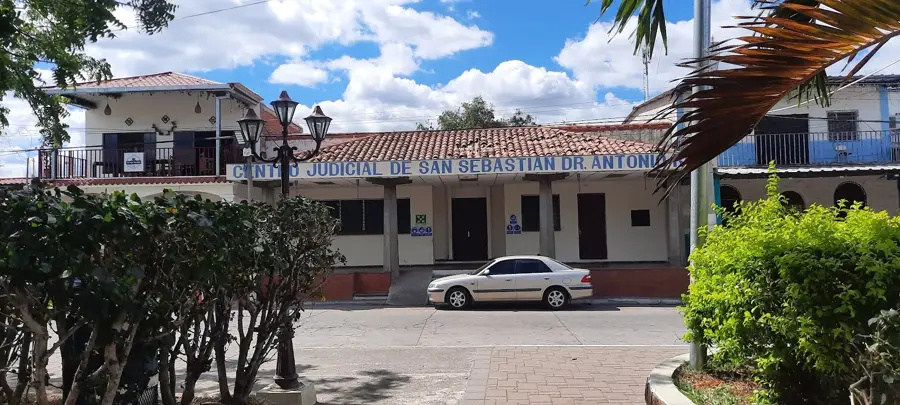
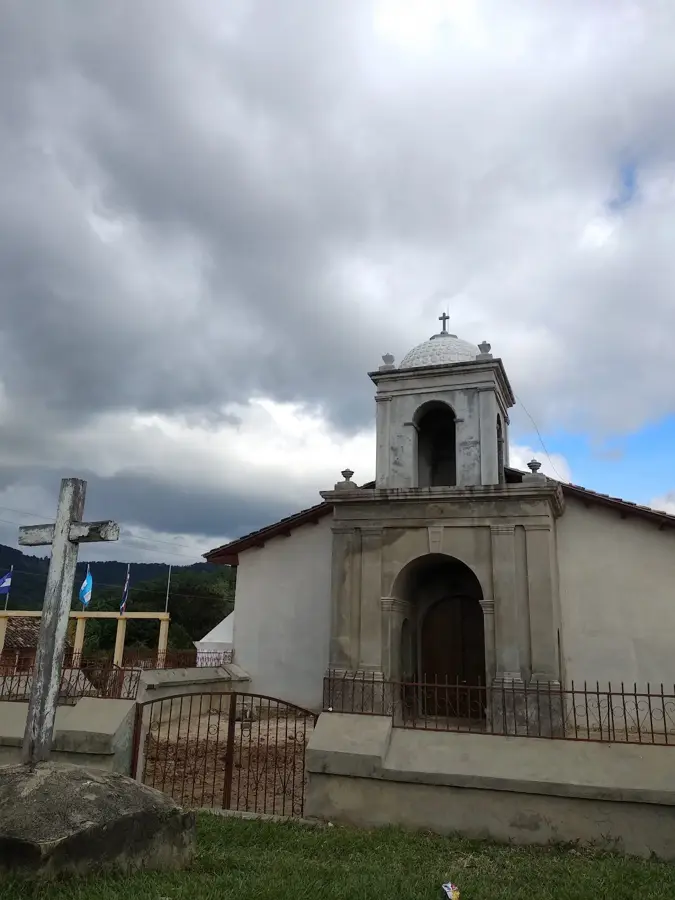
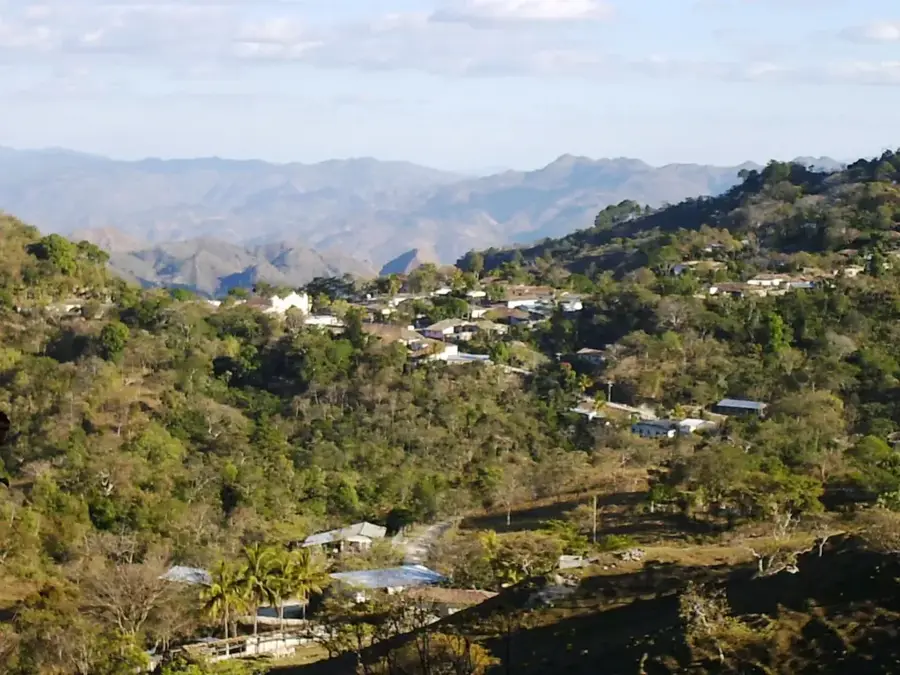
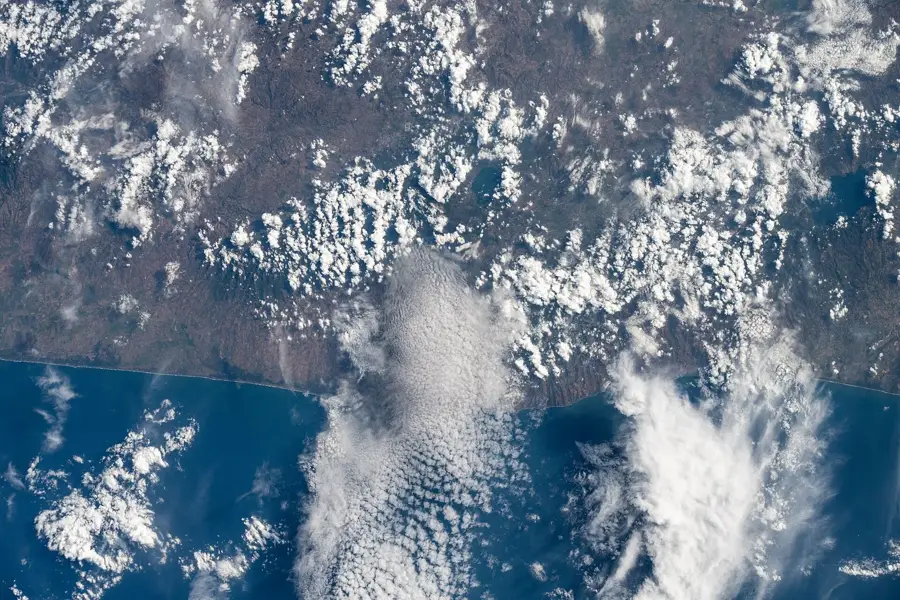
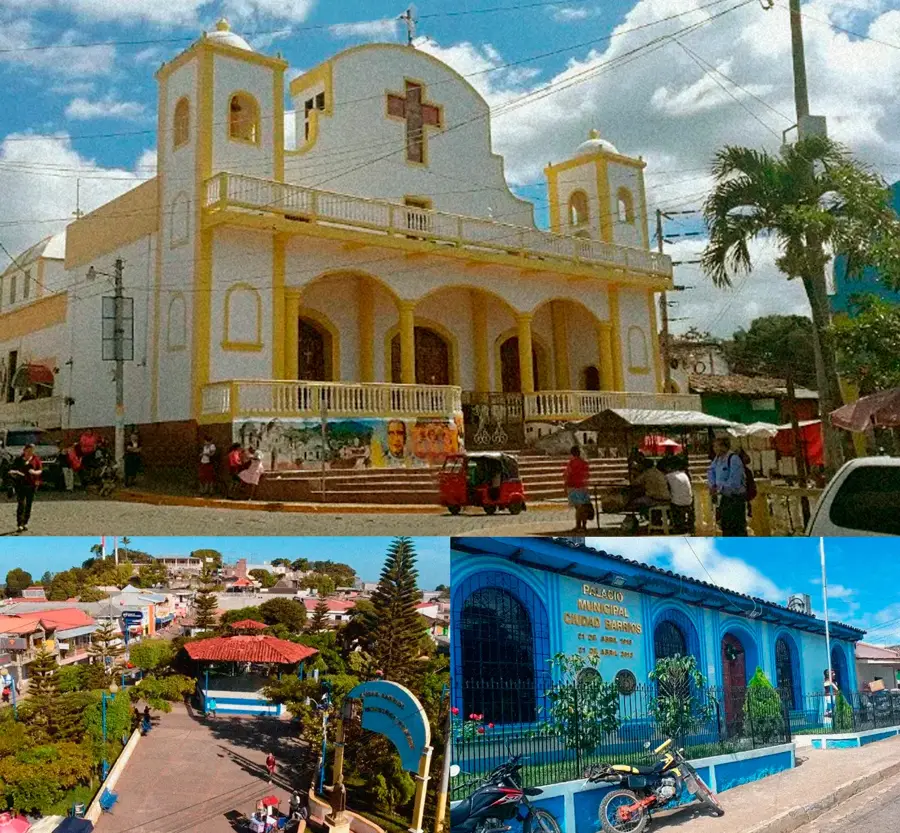
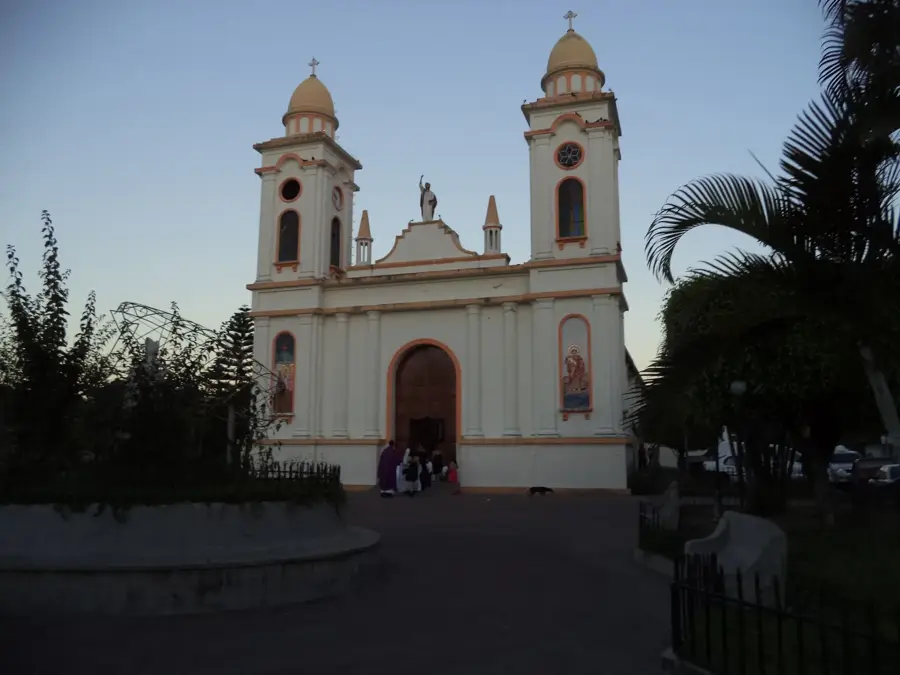
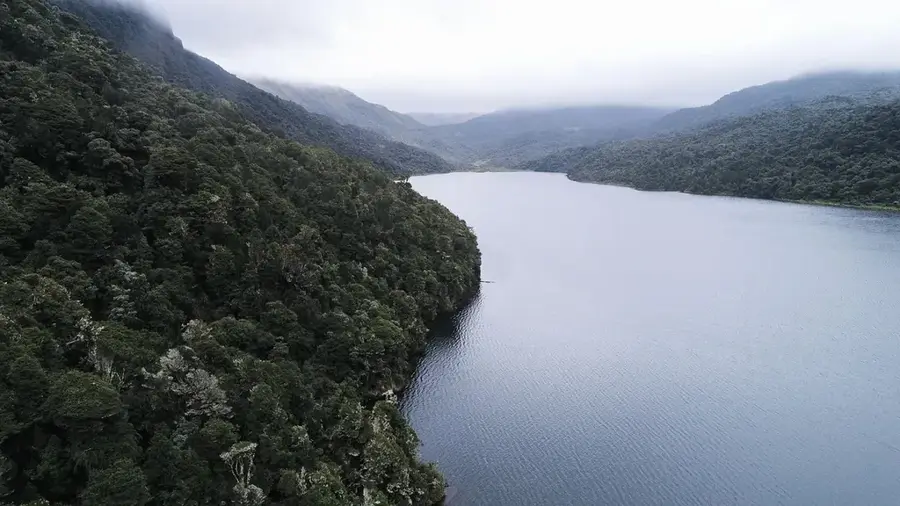
Sensuntepeque serves as the capital of the Cabañas Department in El Salvador, positioned within a region characterized by its rolling hills and dramatic landscapes. The city's name is derived from the Nahuatl language, meaning "City of Four Hundred Hills," an apt description of the surrounding topography that defines the visual character of the area. Founded in 1550, the settlement originated as a Lenca village before being integrated into the Spanish colonial administration, eventually evolving into a significant regional hub for trade and governance. Situated at an elevation of approximately 820 meters above sea level, Sensuntepeque enjoys a temperate climate that supports a diverse agricultural sector. Historically, the local economy thrived on coffee production, indigo, and grain farming, which remains foundational to the livelihoods of many residents today. The city is also celebrated for its artisanal traditions, particularly in ceramics and textile weaving, reflecting a cultural heritage that bridges indigenous roots and colonial influences. Architecturally, the city center retains elements of traditional Salvadoran style, centered around the Church of Santa Bárbara, an edifice that serves as a cornerstone for the community’s spiritual life. Every December, the city hosts its titular festivities, a period of bustling processions, traditional music, and public markets that draw visitors from across Central America. Beyond its cultural significance, Sensuntepeque acts as a vital service center for the northeastern highlands, providing essential education and healthcare infrastructure to the broader department. The nearby Cerro Grande peak gives panoramic views of the Lempa River valley and the northern mountain ranges, making it a popular destination for those seeking natural beauty. Despite its modest size, the city maintains a robust identity, characterized by its historical resilience and its role as a guardian of the rural traditions that define the heart of El Salvador.
Explore on the map
How well do you know El Salvador?
Find cities, landscapes and regions in 10 varied challenges on the interactive map.
Your journey, your memory
A postcard from Sensuntepeque
Turn your own photo into a personal postcard with a local stamp. Free and no sign-up required.
Create a postcard- Location: El Salvador
- Nearby: El Carmen (25 km)
- Population: ~20.386 (2026)
Best time to visit & climate
The most pleasant time to visit is Jan, Nov, Dec.
| Jan | Feb | Mar | Apr | May | Jun | Jul | Aug | Sep | Oct | Nov | Dec | |
|---|---|---|---|---|---|---|---|---|---|---|---|---|
| Avg °C | 23 | 25 | 26 | 27 | 26 | 24 | 25 | 24 | 24 | 23 | 22 | 23 |
| Rain mm | 9 | 8 | 9 | 32 | 152 | 186 | 151 | 189 | 218 | 174 | 43 | 18 |
Geography
Facts
- The city was officially established on December 4, 1550.
- It sits at a median elevation of 820 meters (2,690 feet).
- Its Nahuatl name translates to 'City of Four Hundred Hills'.
- It serves as the administrative seat of the Cabañas Department.
- The municipality was elevated to the rank of city in 1865.
- Coffee production is the leading economic activity in the region.
- The Feast of Saint Barbara is the largest annual local celebration.
- The city is a major producer of traditional Salvadoran pottery.
Explore nearby
Notable places around
Route planner — Car & Motorhome
Where do you start? We build the route here, with stops and country notes along the way.
© OpenStreetMap contributors · OpenRouteService
Sights in the town Sensuntepeque (1)
Frequently asked questions
What is Sensuntepeque known for?
Is the journey difficult?
Can you buy handicrafts there?
Is there accommodation?
Is a day trip worth it?
Sensuntepeque: where is it located?
Sensuntepeque: when is the best time to visit?
Sensuntepeque: why is it worth visiting?

Nearby cities
History & landmarks
Nature
More places