Plizio Visual Lab
Pinar del Río
ℹ️Practical info — Pinar del Río
▾
🌤 Weather — 5 days
📍 Nearby
Sights nearby
💡 Tips
- Start your exploration of the tobacco fields early to avoid the midday heat.
- Always carry cash (CUP) for small purchases, as card payments are very rare.
- Look for 'Casa Particular' signs for authentic local accommodation and home-cooked meals.
- Shared taxis (colectivos) are a budget-friendly way to reach the nearby Viñales Valley.
🍽 Food
Shredded beef dish best enjoyed at local family-run restaurants (paladares).
Roasted pork; try it at traditional Cuban eateries.
Freshly roasted from surrounding farms, taste it in a small cafe.
🛍 Shopping · 🧘 Quiet spots
Fábrica de Tabacos Francisco Donatín is the place to go for authentic cigars.
Look for these traditional shirts in local markets and craft shops.
Admire the unique architecture from the peaceful courtyard.
A quiet square where locals like to relax.
Water temperature…
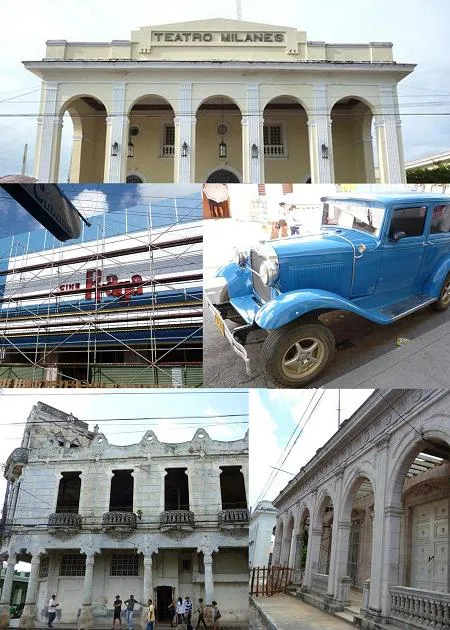
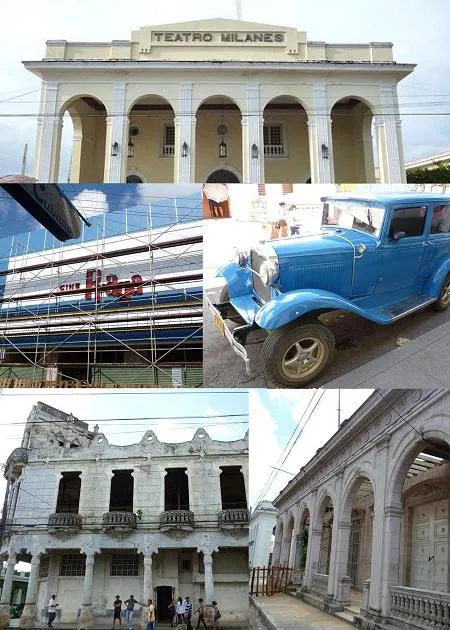
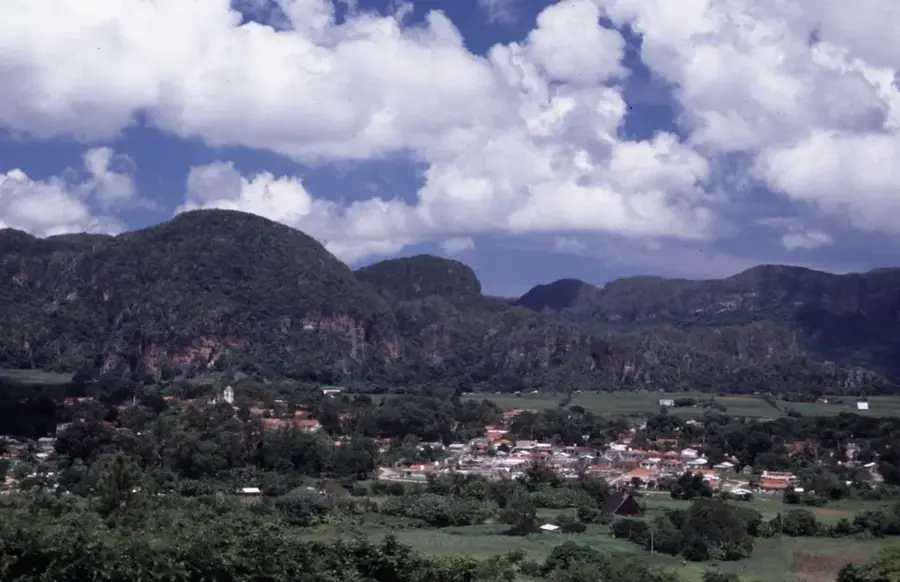
Pinar del Río, the capital of Cuba's westernmost province, is widely celebrated as the epicenter of the world's premium tobacco industry. Established in 1774 as Nueva Filipina, the city underwent a significant transformation during the 19th century when the global appetite for luxury cigars turned this remote outpost into a prosperous commercial hub. The surrounding Vueltabajo region possesses a unique combination of mineral-rich soil and a great microclimate, making it the only place on Earth capable of producing the finest wrapper leaves for Habanos cigars. This economic boom left an indelible mark on the city's architecture, characterized by ornate neoclassical facades, grand columns, and sprawling porches designed to mitigate the Caribbean heat. A notable landmark is the Palacio de Guasch, an eclectic architectural marvel that defies simple classification with its blend of various historical styles. Beyond agriculture, Pinar del Río is a vital educational center, housing a university renowned for its contributions to forestry and sustainable agricultural research. The city's cultural landscape is deeply intertwined with its rural heritage; the local Guayabita del Pinar distillery produces a unique guava-based liqueur that has become a national symbol. Strategically located near the mogotes of the Sierra de los Órganos, the city acts as a gateway to the Viñales Valley, a UNESCO World Heritage site, which draws international travelers and supports a growing service economy. Despite the modernization of its infrastructure, the city maintains a distinctive provincial charm, where horse-drawn carriages share the roads with vintage cars. The demographic profile reflects a rich tapestry of Spanish and Afro-Cuban influences, visible in the city's lively festivals and religious traditions. Pinar del Río remains a cornerstone of the Cuban economy, blending its historical role as a colonial trading post with its modern status as a center of scientific innovation and cultural preservation.
Explore on the map
How well do you know Cuba?
Find cities, landscapes and regions in 10 varied challenges on the interactive map.
Your journey, your memory
A postcard from Pinar del Río
Turn your own photo into a personal postcard with a local stamp. Free and no sign-up required.
Create a postcard- Location: Cuba
- Highlights: Cathedral of San Rosendo (Pinar del Río) · Diocese of Pinar del Río · Vuelta Abajo
- Nearby: Consolación del Sur (21 km)
- Population: ~186.990 (2026)
Best time to visit & climate
The most pleasant time to visit is Jan, Feb, Dec.
| Jan | Feb | Mar | Apr | May | Jun | Jul | Aug | Sep | Oct | Nov | Dec | |
|---|---|---|---|---|---|---|---|---|---|---|---|---|
| Avg °C | 22 | 23 | 24 | 26 | 28 | 28 | 29 | 29 | 28 | 27 | 25 | 23 |
| Rain mm | 35 | 28 | 25 | 35 | 76 | 124 | 95 | 120 | 119 | 93 | 38 | 24 |
Geography
Facts
- Founded on September 10, 1774, originally named Nueva Filipina.
- Provincial capital with a population of approximately 140,000 residents.
- The surrounding Vueltabajo region is the world's premier tobacco-growing area.
- Home to the Palacio de Guasch, a landmark of eclectic architecture.
- The Francisco Donatíen factory is famous for its hand-rolled cigars.
- Host to the University of Pinar del Río, specializing in forestry sciences.
- Situated at an elevation of 174 meters above sea level.
- Exclusive producer of the traditional Guayabita del Pinar liqueur.
Explore nearby
Notable places around
Route planner — Car & Motorhome
Where do you start? We build the route here, with stops and country notes along the way.
© OpenStreetMap contributors · OpenRouteService
Sights in the town Pinar del Río (3)
Frequently asked questions
What is Pinar del Río known for?
Can you visit tobacco factories?
What local liqueur specialty is found there?
How far is Viñales?
Are there museums there?
Pinar del Río: where is it located?
Pinar del Río: what is there to see?
Pinar del Río: when is the best time to visit?
Pinar del Río: why is it worth visiting?

Nearby cities

More places