Plizio Visual Lab
Gibara
ℹ️Practical info — Gibara
▾
🌤 Weather — 5 days
📍 Nearby
Sights nearby
💡 Tips
- Gibara is known as the 'White Town' (Villa Blanca); a stroll along the malecon at sunrise is highly recommended.
- Internet access can be patchy; download offline maps and any needed reservations before arriving.
- The town hosts a famous low-budget cinema festival; check dates in advance if you want to experience the bustling street life.
- Private casas particulares offer the best insight into local life and are often more reliable than hotels.
🍽 Food
Being a fishing town, look for local paladares serving grilled fish or lobster caught the same day.
Try the traditional Cuban shrimp cocktail often found in restaurants near the waterfront.
Cuban coffee is strong and sweet; grab a quick cafecito at a small local window stand (ventanita).
🛍 Shopping · 🧘 Quiet spots
Explore small galleries near the town center where local artists sell paintings and handmade jewelry.
Look for official state-run stores if you plan to buy cigars to ensure authenticity and proper pricing.
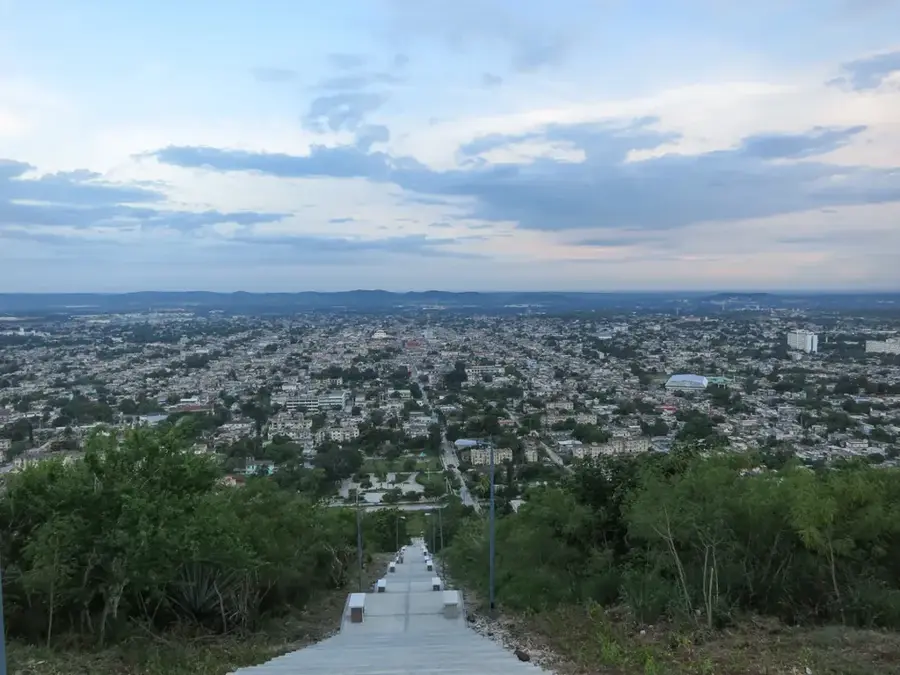
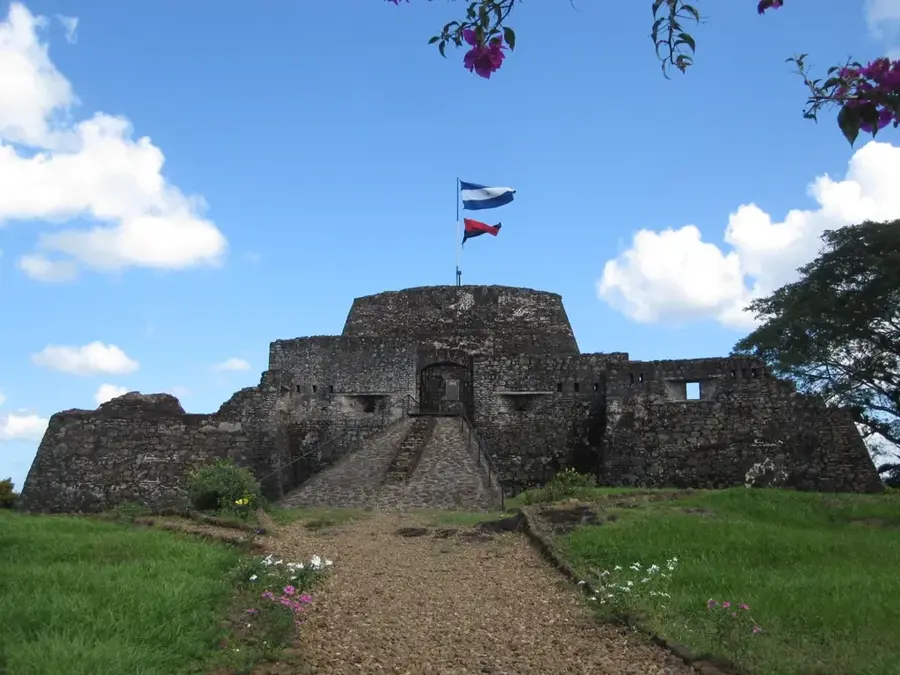
Walk up to these ruins of a Spanish fort for a sweeping panoramic view over the ocean and the town.
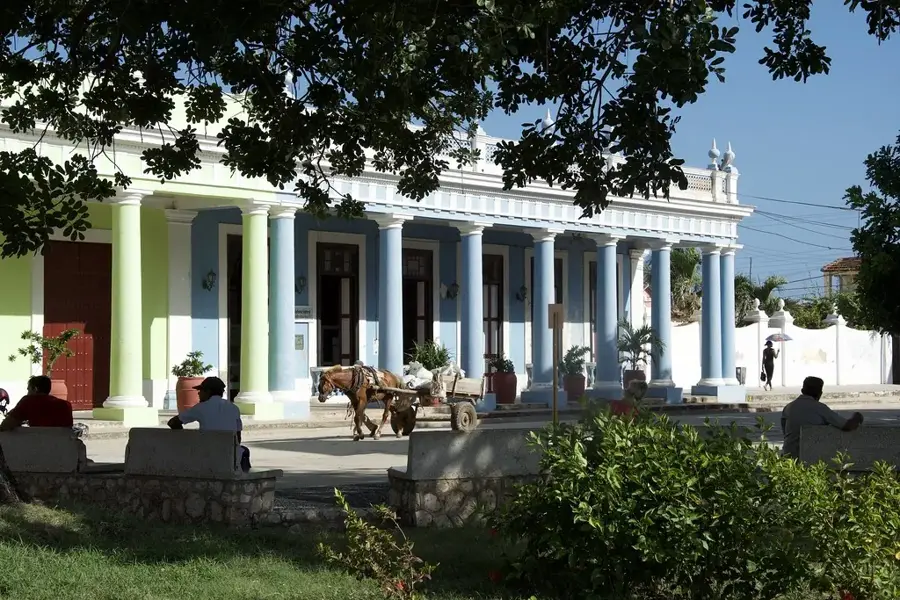
The main square is first-rate for sitting on a shaded bench and people-watching in the late afternoon.
Water temperature…
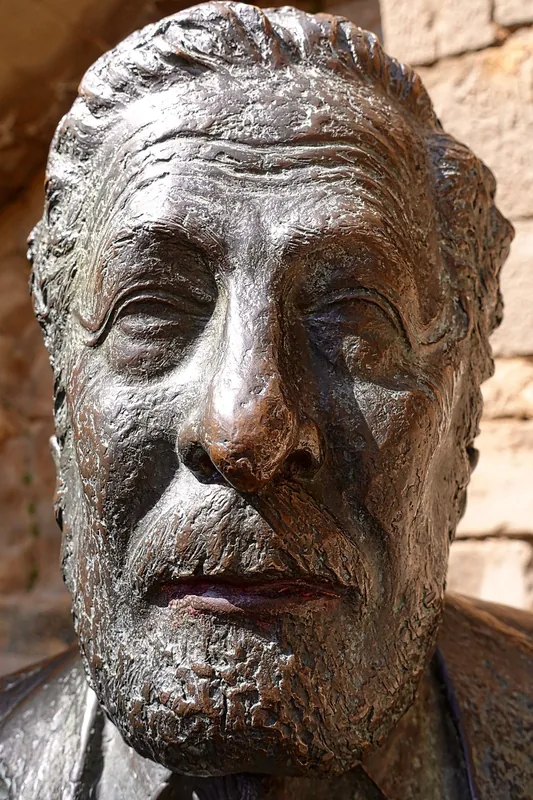
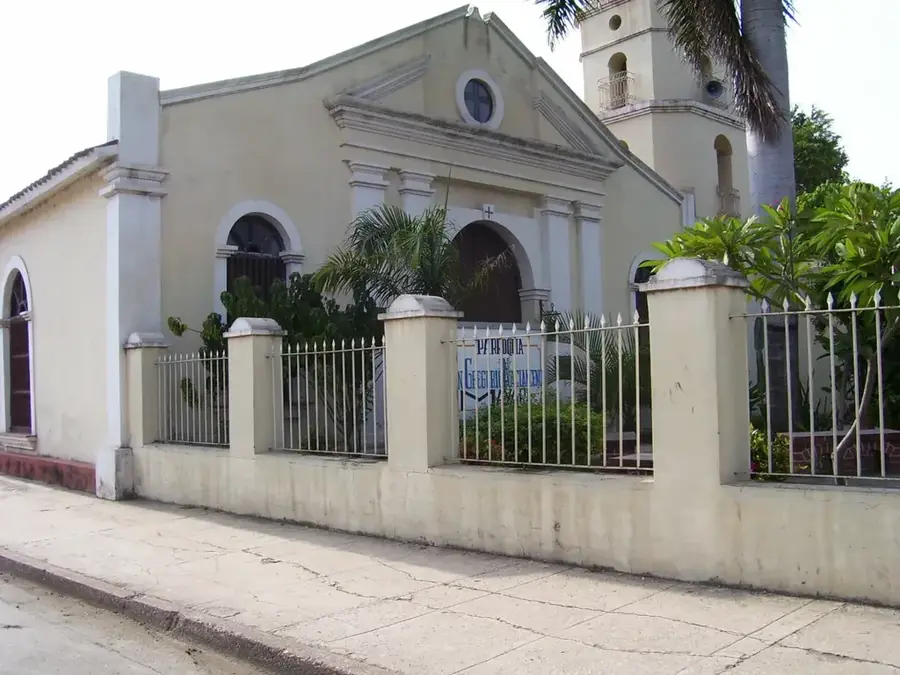
Gibara, widely known as the White City (La Villa Blanca), is located on the northern coast of Holguín Province in eastern Cuba. The settlement was officially founded on January 16, 1817, with the San Fernando de Gibara fortification serving as a vital defense against pirate incursions. The historical center is distinguished by its well-preserved neoclassical architecture and colonial houses featuring characteristic red-tiled roofs that create a harmonious urban landscape. Culturally, Gibara achieved international recognition through the Festival de Cine Pobre, an event dedicated to alternative cinema founded by filmmaker Humberto Solás. Its geographic location on the Bay of Gibara historically facilitated its growth as a major export hub for sugar and tobacco from the surrounding region. Today, the city maintains its coastal charm and historical integrity, standing as a significant cultural bastion in the Cuban north.
Explore on the map
How well do you know Cuba?
Find cities, landscapes and regions in 10 varied challenges on the interactive map.
Your journey, your memory
A postcard from Gibara
Turn your own photo into a personal postcard with a local stamp. Free and no sign-up required.
Create a postcard- Location: Cuba
- Nearby: Playa Pesquero (19 km)
- Population: ~27.603 (2023)
Best time to visit & climate
The most pleasant time to visit is Jan, Feb, Dec.
| Jan | Feb | Mar | Apr | May | Jun | Jul | Aug | Sep | Oct | Nov | Dec | |
|---|---|---|---|---|---|---|---|---|---|---|---|---|
| Avg °C | 24 | 25 | 26 | 27 | 27 | 28 | 29 | 29 | 29 | 27 | 26 | 25 |
| Rain mm | 26 | 22 | 25 | 41 | 100 | 97 | 58 | 77 | 86 | 122 | 62 | 31 |
Geography
Facts
- The city was officially founded on January 16, 1817.
- San Fernando Fort was constructed in 1817 to defend against pirates.
- The Festival de Cine Pobre was established here in 2003.
- In the 19th century, it was the primary export port for Holguín.
- The historic center was declared a National Monument in 2004.
- Neoclassical architecture defines the urban layout of the center.
Explore nearby
Notable places around
Route planner — Car & Motorhome
Where do you start? We build the route here, with stops and country notes along the way.
© OpenStreetMap contributors · OpenRouteService
Frequently asked questions
Why the White Villa?
What film festival is here?
Are there fortifications?
How is the food?
Is it worth a visit?
Gibara: where is it located?
Gibara: when is the best time to visit?
Gibara: why is it worth visiting?

Nearby cities
More places