Plizio Visual Lab
Historic Sugar Mill

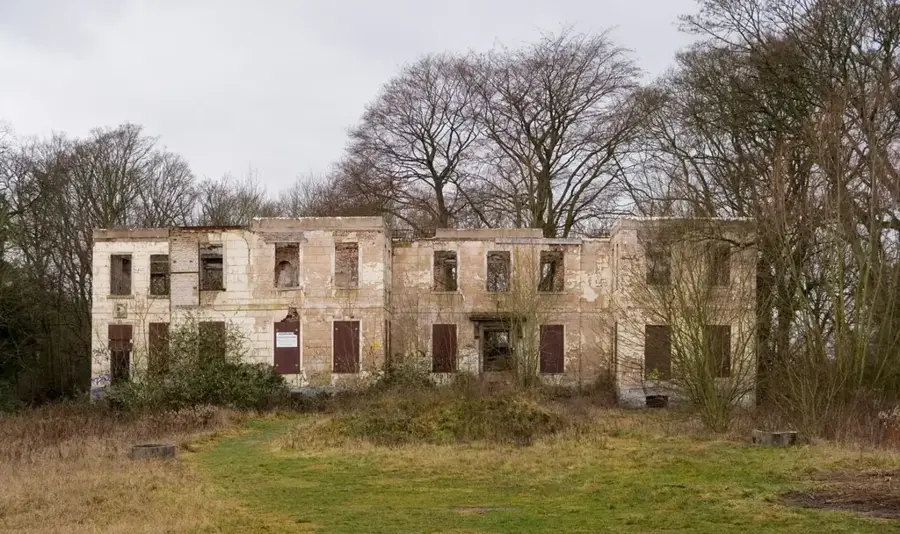
The remains of the historic sugar mill in Trinidad stand as a testament to an era when sugar cane formed the absolute economic backbone of the colony. These massive stone structures were predominantly erected in the late 18th and early 19th centuries, during a period when the island experienced a massive expansion of the plantation economy under British rule. The mills initially utilized wind power or animal traction before modern steam engines revolutionized extraction efficiency in the 19th century. Today, the ruins serve as silent witnesses to technological development, as well as the harsh working conditions and the history of slavery inextricably linked to sugar production. The architectural durability of the limestone walls allows visitors to trace the industrial processes of the time. As part of the cultural heritage, this site illustrates the transition from artisanal to industrial processing of agricultural products in the Caribbean region.
Explore on the map
How well do you know Trinidad and Tobago?
Find cities, landscapes and regions in 10 varied challenges on the interactive map.
Your journey, your memory
A postcard from Historic Sugar Mill
Turn your own photo into a personal postcard with a local stamp. Free and no sign-up required.
Create a postcard- Location: Trinidad and Tobago
- Nearby: Preysal (6 km)
Best time to visit & climate
The most pleasant time to visit is Feb–Apr.
| Jan | Feb | Mar | Apr | May | Jun | Jul | Aug | Sep | Oct | Nov | Dec | |
|---|---|---|---|---|---|---|---|---|---|---|---|---|
| Avg °C | 26 | 26 | 27 | 28 | 28 | 27 | 27 | 27 | 27 | 27 | 27 | 26 |
| Rain mm | 100 | 61 | 52 | 56 | 117 | 222 | 202 | 202 | 141 | 176 | 213 | 178 |
📋 Practical info
Geography
Facts
- Trinidad had over 300 active sugar mills across the island around the year 1830.
- The introduction of the steam engine in Trinidad's sugar industry occurred as early as 1804.
- Raw sugar exports reached their historical peak during the middle of the 19th century.
- Many mills were constructed using local coral stone and bricks imported from Britain.
- Following the abolition of slavery in 1834, the profitability of smaller mills declined sharply.
- The ruins are now often overgrown by tropical vegetation and protected as historical monuments.
Explore nearby
Notable places around

Route planner — Car & Motorhome
Where do you start? We build the route here, with stops and country notes along the way.
© OpenStreetMap contributors · OpenRouteService
Sights in the town Historic Sugar Mill (1)
Sights nearby
Frequently asked questions
What is the historical sugar cane mill?
Is the mill suitable for children?
Are there guided tours?
How long does the visit take?
Is the location barrier-free?
Historic Sugar Mill: where is it located?
Historic Sugar Mill: when is the best time to visit?
Historic Sugar Mill: why is it worth visiting?
Nearby cities



History & landmarks





Nature
More places