Plizio Visual Lab
Spanish Settlement Ruins

Weather…
Water temperature…
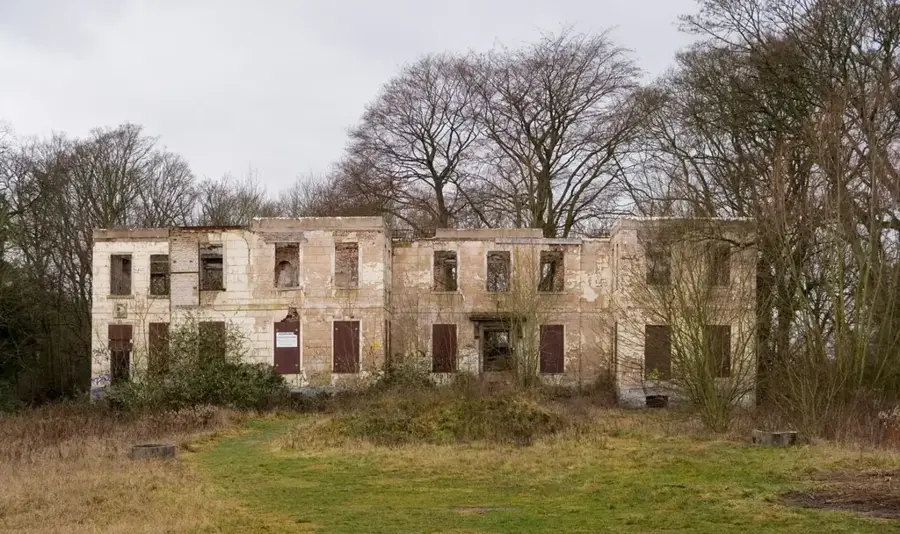
The ruins of the Spanish settlement mark the location of Trinidad's first capital, San José de Oruña, which was founded in 1592. Established by Antonio de Berrío, the town served as a strategic base for Spanish expansion in the Caribbean and as a starting point for the search for the legendary El Dorado. In 1595, the settlement was attacked and burned by the English explorer Sir Walter Raleigh, highlighting the instability of colonial power dynamics. The remaining foundations and archaeological finds provide insights into early urban planning and the defensive structures of the Spanish settlers. Despite its destruction, San José remained the capital of the island until 1784, when Port of Spain assumed this role. Today, the ruins offer a deep look into the early colonial period and the encounter between European powers and the indigenous population. The site is a central element in Trinidad's historical narrative as a melting pot of different cultures.
Explore on the map
How well do you know Trinidad and Tobago?
Find cities, landscapes and regions in 10 varied challenges on the interactive map.
Your journey, your memory
A postcard from Spanish Settlement Ruins
Turn your own photo into a personal postcard with a local stamp. Free and no sign-up required.
Create a postcard- Location: Trinidad and Tobago
- Highlights: China Clipper · Piarco · Kelly Village
- Nearby: Arouca (4 km)
Best time to visit & climate
The most pleasant time to visit is Feb–Apr.
| Jan | Feb | Mar | Apr | May | Jun | Jul | Aug | Sep | Oct | Nov | Dec | |
|---|---|---|---|---|---|---|---|---|---|---|---|---|
| Avg °C | 26 | 26 | 27 | 28 | 28 | 27 | 27 | 27 | 27 | 27 | 27 | 26 |
| Rain mm | 100 | 61 | 52 | 56 | 117 | 222 | 202 | 202 | 141 | 176 | 213 | 178 |
📋 Practical info
Geography
Facts
- The town was founded in 1592 by Antonio de Berrío after several failed attempts.
- Sir Walter Raleigh kidnapped Governor Berrío during the attack in 1595.
- San José de Oruña is located approximately 11 kilometers east of modern-day Port of Spain.
- The town served as the administrative center of Trinidad for over 190 years.
- Archaeologists have found ceramic fragments of both Spanish and indigenous origin here.
- The site was chosen for its inland strategic location to provide protection against pirates.
Explore nearby
Notable places around
Route planner — Car & Motorhome
Where do you start? We build the route here, with stops and country notes along the way.
© OpenStreetMap contributors · OpenRouteService
Sights in the town Spanish Settlement Ruins (3)
Sights nearby
Frequently asked questions
What are the Spanish settlement ruins?
Is a visit worth it?
Is it safe to explore the ruins?
Are there museums nearby?
Can you also hike there?
Spanish Settlement Ruins: where is it located?
Spanish Settlement Ruins: what is there to see?
Spanish Settlement Ruins: when is the best time to visit?
Spanish Settlement Ruins: why is it worth visiting?
Nearby cities

History & landmarks
Nature
More places