Plizio Visual Lab
Nariva Swamp
Weather…
Water temperature…
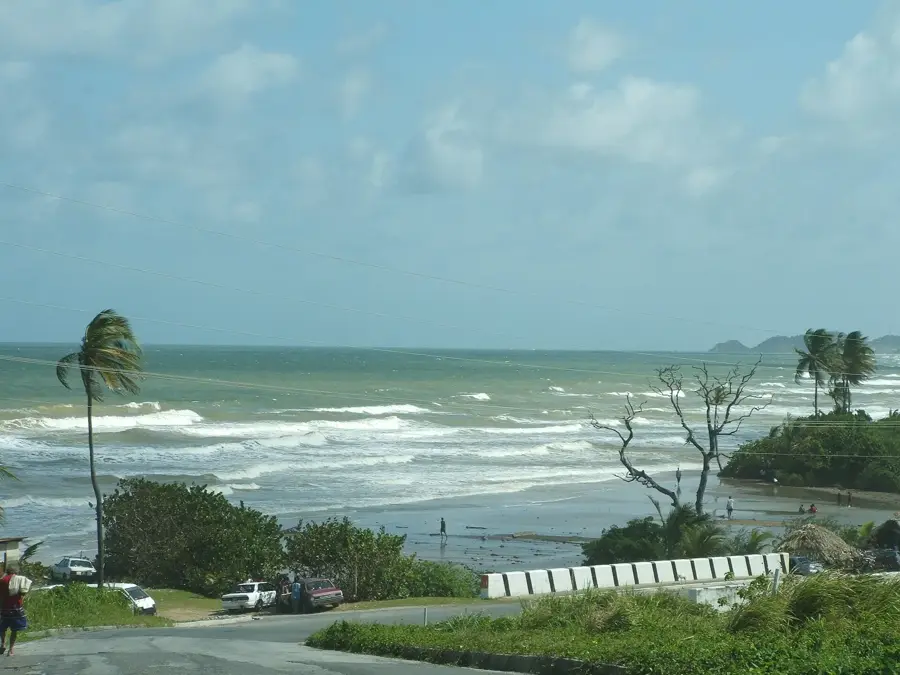
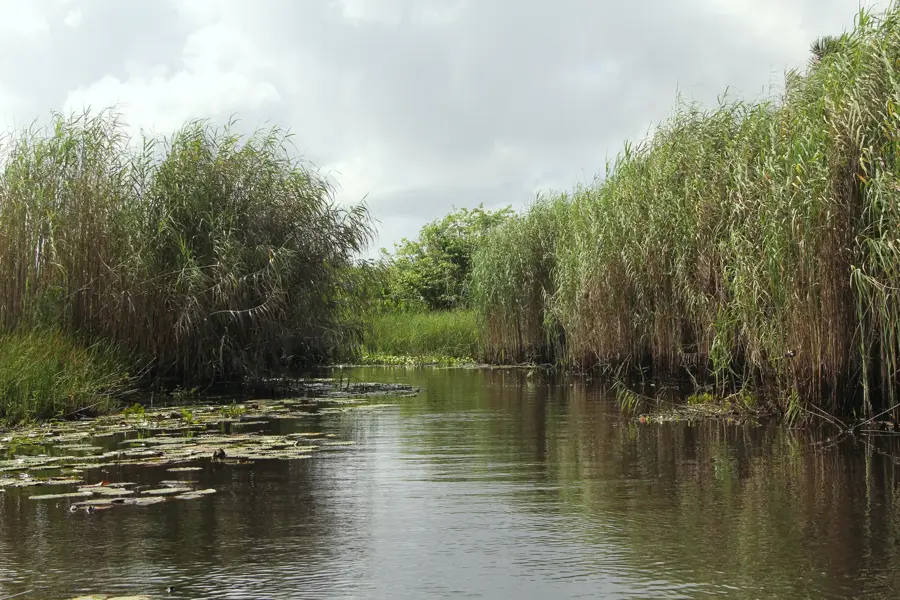
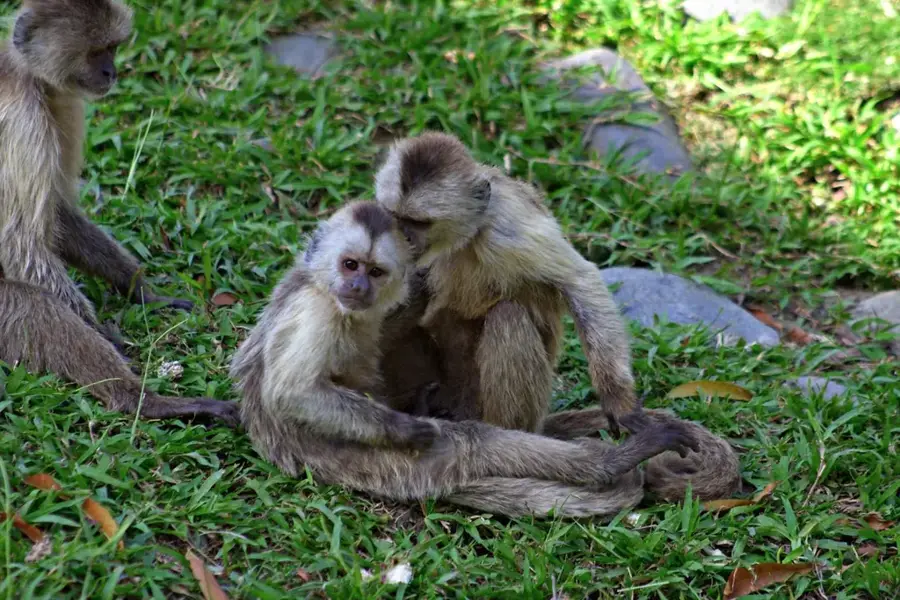
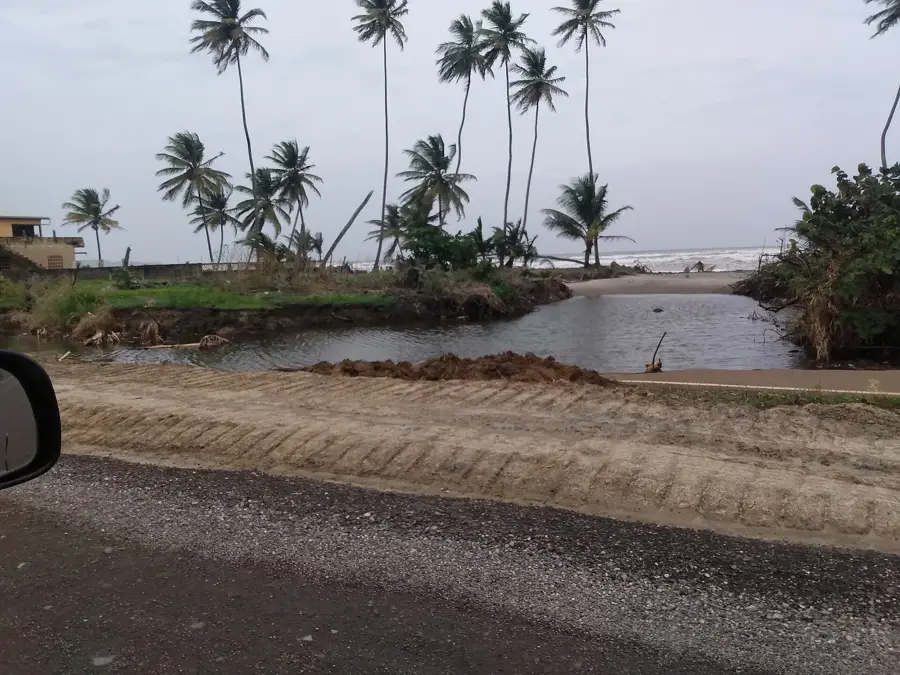
The Nariva Swamp, located on the east coast of Trinidad, is the largest and most diverse freshwater wetland in the country, encompassing an area of over 7,000 hectares. This ecologically significant site is composed of a complex mosaic of freshwater marshes, swamp forests, palm islands, and mangroves, separated from the Atlantic Ocean by the Manzanilla coastline's sand bar. Geologically, the basin is a depression filled with sediments deposited by local watercourses, including the Nariva River. In 1993, the area was designated as a Ramsar site of international importance, providing a refuge for endangered species such as the West Indian manatee and the red-bellied macaw. Historically, parts of the swamp were subjected to large-scale rice cultivation, which led to ecological conflicts and eventually sparked major reforestation initiatives. Currently, biodiversity conservation is the primary focus, with the Bush Bush Wildlife Sanctuary at its core serving as a strictly protected zone for monkeys and migratory birds. It also plays a vital role in coastal protection and the natural filtration of surface waters.
Explore on the map
How well do you know Trinidad and Tobago?
Find cities, landscapes and regions in 10 varied challenges on the interactive map.
Your journey, your memory
A postcard from Nariva Swamp
Turn your own photo into a personal postcard with a local stamp. Free and no sign-up required.
Create a postcard- Location: Trinidad and Tobago
- Nearby: Mayaro (8 km)
Best time to visit & climate
The most pleasant time to visit is Feb–Apr.
| Jan | Feb | Mar | Apr | May | Jun | Jul | Aug | Sep | Oct | Nov | Dec | |
|---|---|---|---|---|---|---|---|---|---|---|---|---|
| Avg °C | 26 | 26 | 27 | 28 | 28 | 27 | 27 | 27 | 27 | 27 | 27 | 26 |
| Rain mm | 100 | 61 | 52 | 56 | 117 | 222 | 202 | 202 | 141 | 176 | 213 | 178 |
📋 Practical info
Geography
Facts
- The swamp was designated as a Ramsar site on December 21, 1993.
- It covers a total surface area of approximately 7,113 hectares.
- It supports one of the last remaining populations of West Indian manatees in T&T.
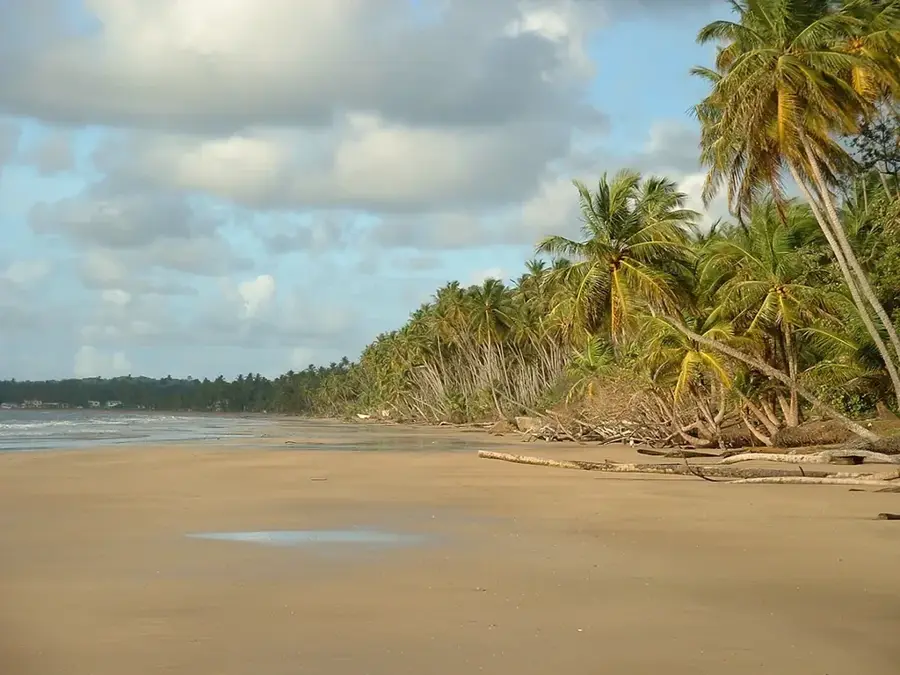
- The Cocal sand bar acts as a barrier between the swamp and the Atlantic.
- The Bush Bush Wildlife Sanctuary is home to red howler and capuchin monkeys.
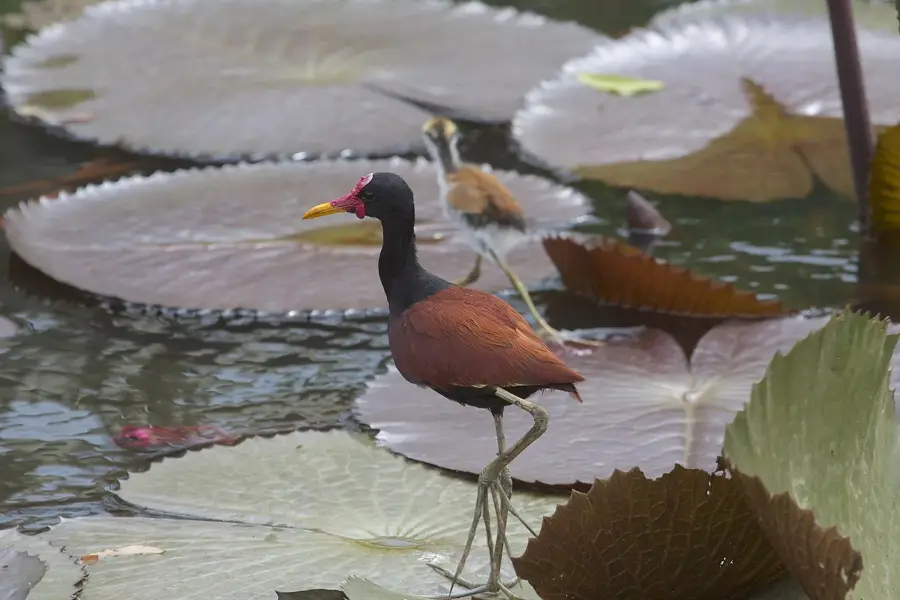
- More than 175 species of birds have been documented within the wetland.
Explore nearby
Notable places around
Route planner — Car & Motorhome
Where do you start? We build the route here, with stops and country notes along the way.
© OpenStreetMap contributors · OpenRouteService
Sights nearby
Frequently asked questions
Why is Nariva Swamp protected?
Is fishing allowed there?
What is the best season?
How to protect against mosquitoes?
Is there a visitor center there?
Nariva Swamp: where is it located?
Nariva Swamp: when is the best time to visit?
Nariva Swamp: why is it worth visiting?
More places