Plizio Visual Lab
Montaña de la Flor

Weather…
Water temperature…
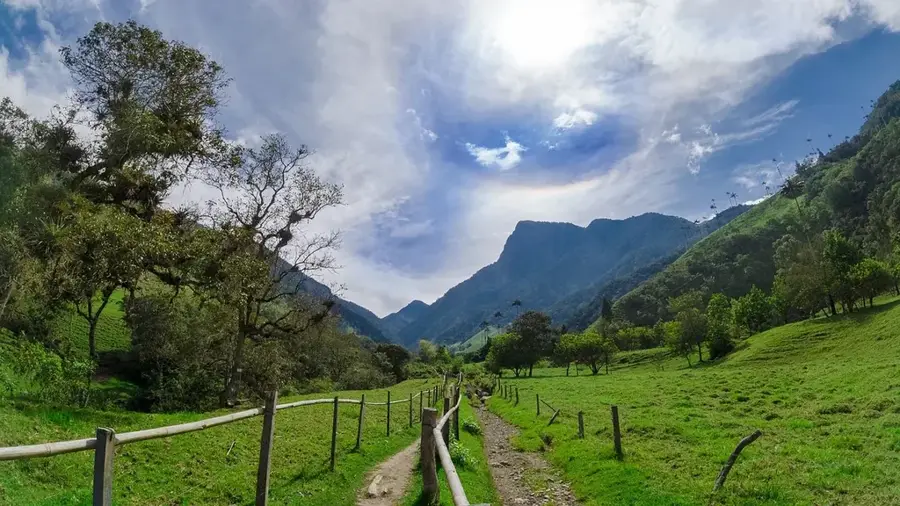
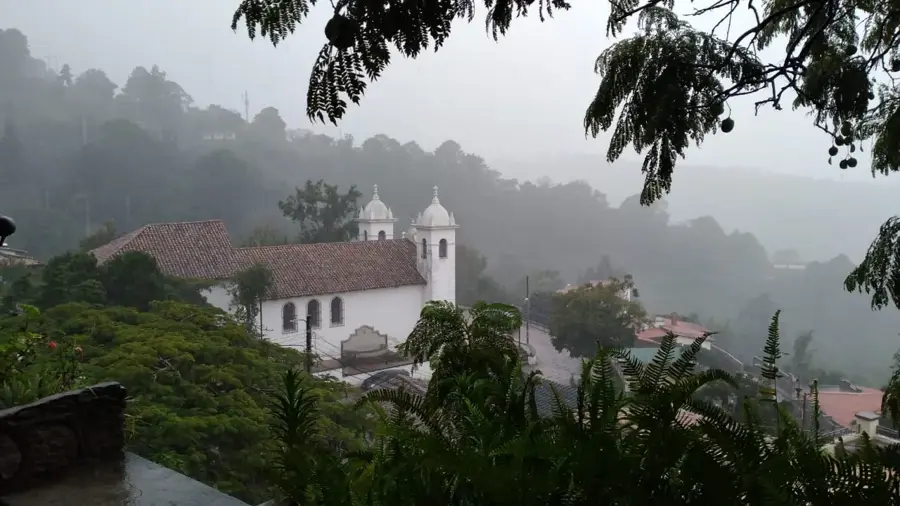
Montaña de la Flor is a remote mountainous region in the Francisco Morazán department, renowned for its immense cultural significance. It serves as the primary ancestral sanctuary for the Tolupán (or Xicaque) indigenous people, who have preserved their traditional lifestyle, language, and customs here for centuries. Geographically, the area is defined by rugged peaks and dense pine forests that act as a natural fortress. This geographic isolation has been instrumental in safeguarding the Tolupán's unique cultural identity from outside influence. The communities here practice sustainable subsistence farming in harmony with the highland environment. History: The territory is recognized as a protected indigenous reserve to preserve the heritage of one of Honduras's oldest ethnic groups, who famously resisted total assimilation during the colonial era.
Explore on the map
How well do you know Honduras?
Find cities, landscapes and regions in 10 varied challenges on the interactive map.
Your journey, your memory
A postcard from Montaña de la Flor
Turn your own photo into a personal postcard with a local stamp. Free and no sign-up required.
Create a postcard- Location: Honduras
- Nearby: Guaimaca (31 km)
Best time to visit & climate
The most pleasant time to visit is Jan–Mar.
| Jan | Feb | Mar | Apr | May | Jun | Jul | Aug | Sep | Oct | Nov | Dec | |
|---|---|---|---|---|---|---|---|---|---|---|---|---|
| Avg °C | 20 | 22 | 23 | 25 | 25 | 23 | 23 | 23 | 23 | 22 | 21 | 20 |
| Rain mm | 34 | 25 | 24 | 39 | 131 | 174 | 112 | 121 | 159 | 157 | 76 | 59 |
📋 Practical info
Geography
Facts
- Primary home of the Tolupán (Xicaque) indigenous group.
- Famous for being the last stronghold of the Tol language.
- Remote mountain region dominated by pine forests.
- Recognized indigenous reserve with traditional leadership.
- Local economy based on traditional subsistence farming.
- Vital site for the preservation of pre-Columbian heritage.
Explore nearby
Notable places around
Route planner — Car & Motorhome
Where do you start? We build the route here, with stops and country notes along the way.
© OpenStreetMap contributors · OpenRouteService
Sights nearby
Frequently asked questions
Who lives in Montaña de la Flor?
Can you visit the Tolupán communities?
What is the terrain like in this area?
What transportation is needed?
What should you bring when visiting?
Montaña de la Flor: where is it located?
Montaña de la Flor: when is the best time to visit?
Montaña de la Flor: why is it worth visiting?

Nearby cities

History & landmarks
More places