Plizio Visual Lab
Ceibal Ruins
Weather…
Water temperature…
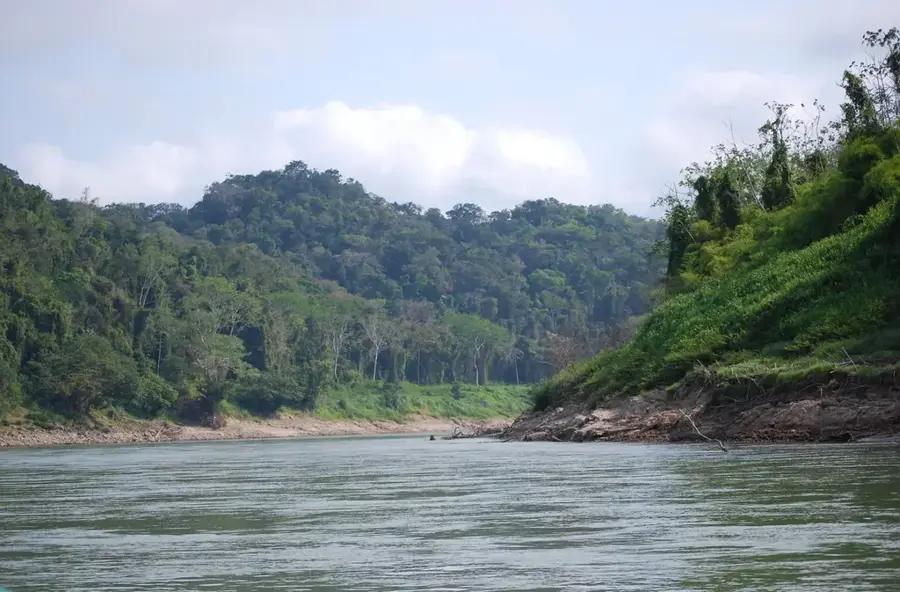
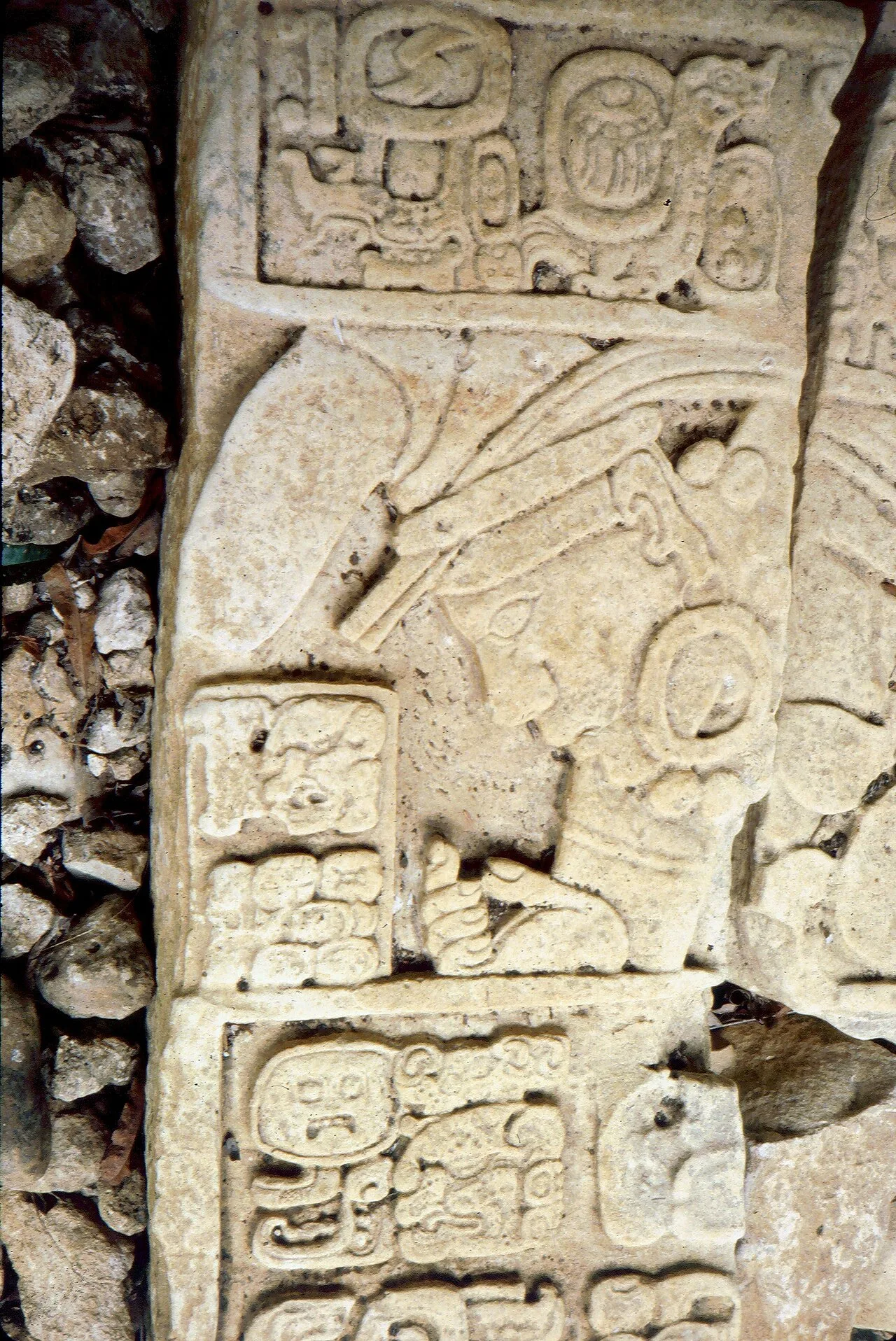
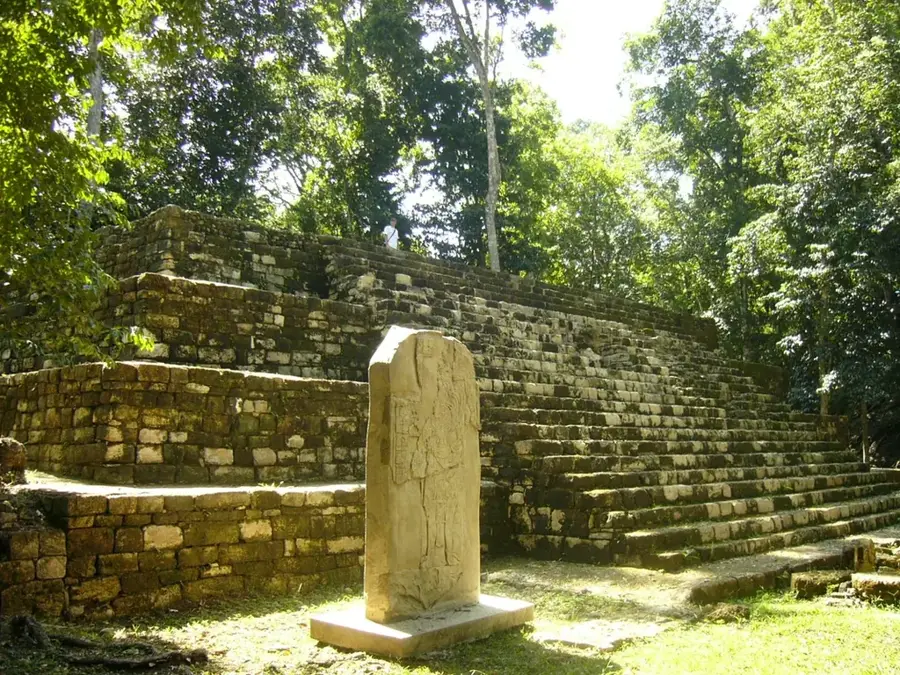
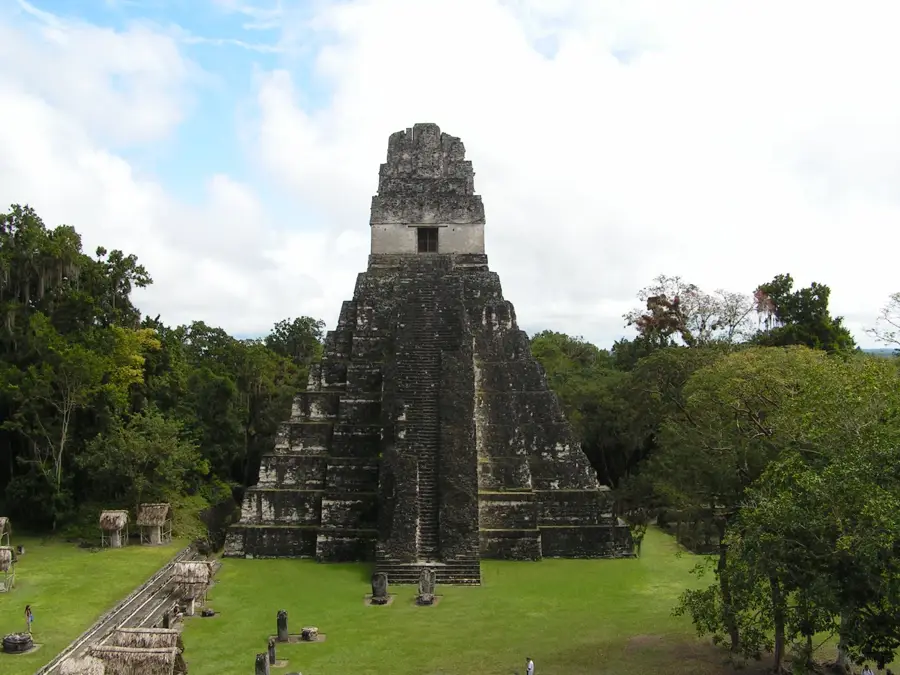
Ceibal, also known as Seibal, is a major Maya archaeological site located on the banks of the Pasión River in the Petén department. Occupation of the site began as early as 1000 BC and lasted into the Late Classic period. Ceibal is particularly famous for its exceptionally well-preserved stelae dating from the 9th century AD, which display a distinct foreign, possibly non-classic Maya influence. The architecture includes Structure C-79, a rare circular platform believed to have served ritual purposes. While many Maya cities collapsed during the 9th century, Ceibal experienced a late florescence, providing archaeologists with valuable information about the transitional period. Its strategic location on the river made the city an important hub for trade and communication in the lowlands. Today, the site is surrounded by dense rainforest and provides insights into the late political dynamics of the Maya world. The stelae of Ceibal are considered among the finest artworks of the postclassic transitional phase.
Explore on the map
How well do you know Guatemala?
Find cities, landscapes and regions in 10 varied challenges on the interactive map.
Your journey, your memory
A postcard from Ceibal Ruins
Turn your own photo into a personal postcard with a local stamp. Free and no sign-up required.
Create a postcard- Location: Guatemala
- Nearby: Sayaxché (8 km)
Best time to visit & climate
The most pleasant time to visit is Jan, Feb, Dec.
| Jan | Feb | Mar | Apr | May | Jun | Jul | Aug | Sep | Oct | Nov | Dec | |
|---|---|---|---|---|---|---|---|---|---|---|---|---|
| Avg °C | 22 | 24 | 26 | 29 | 29 | 26 | 26 | 26 | 26 | 25 | 23 | 22 |
| Rain mm | 93 | 58 | 51 | 46 | 145 | 269 | 189 | 242 | 307 | 257 | 153 | 110 |
📋 Practical info
Geography
Facts
- Ceibal was occupied as early as 1000 BC.
- The site is famous for its finely carved stelae.
- The circular platform C-79 is unique in the region.
- The city experienced a late peak in the 9th century AD.
- Ceibal is located on an important river route for Maya trade.
- Inscriptions suggest influences from the Mexican highlands.
Explore nearby
Notable places around
Route planner — Car & Motorhome
Where do you start? We build the route here, with stops and country notes along the way.
© OpenStreetMap contributors · OpenRouteService
Sights in the town Ceibal Ruins (1)
Sights nearby
Frequently asked questions
What are the Ceibal ruins known for?
How do you get to Ceibal?
Are there restrooms or food available there?
When is the best time to visit?
How long does a visit take?
Ceibal Ruins: where is it located?
Ceibal Ruins: when is the best time to visit?
Ceibal Ruins: why is it worth visiting?
Nearby cities
Nature
More places