Plizio Visual Lab

Sierra de Santa Cruz
Plizio editorial teamData Sources
Mountain
—°
Sierra de Santa Cruz (Guatemala)

Weather…

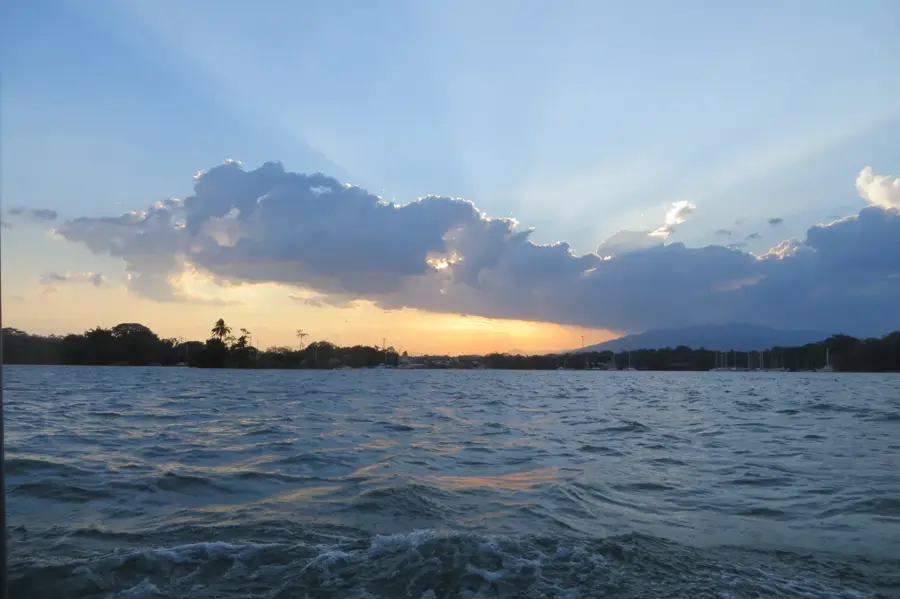
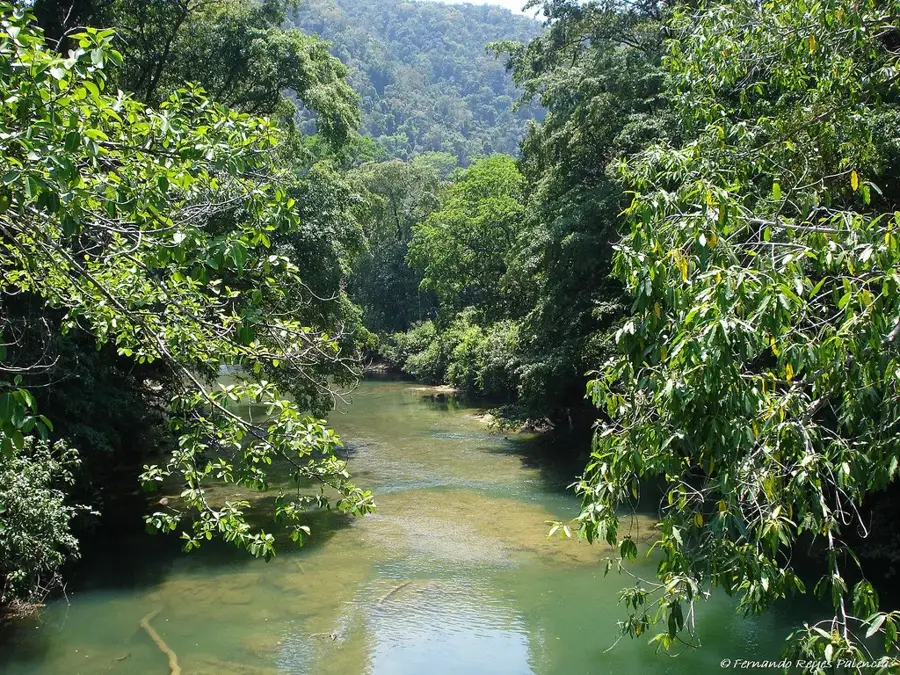
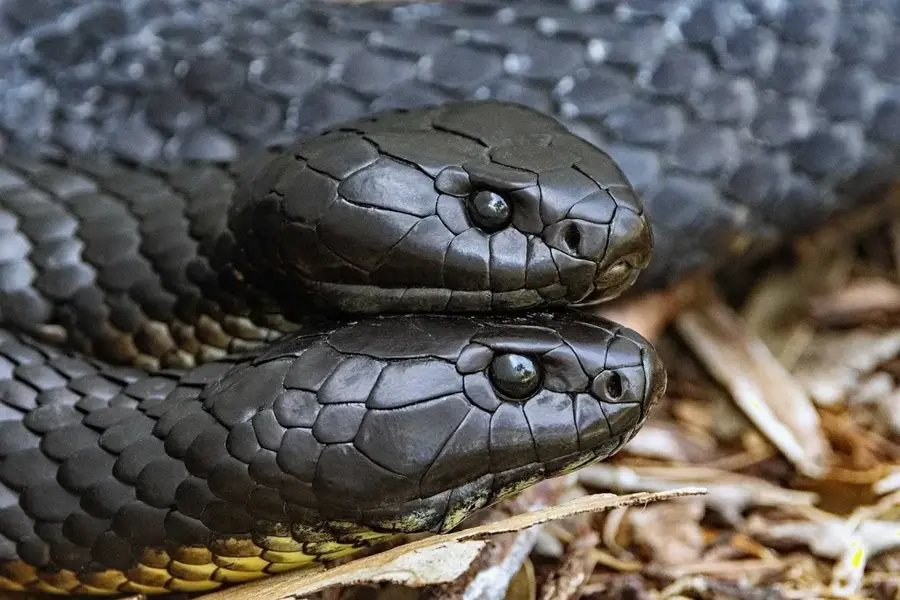
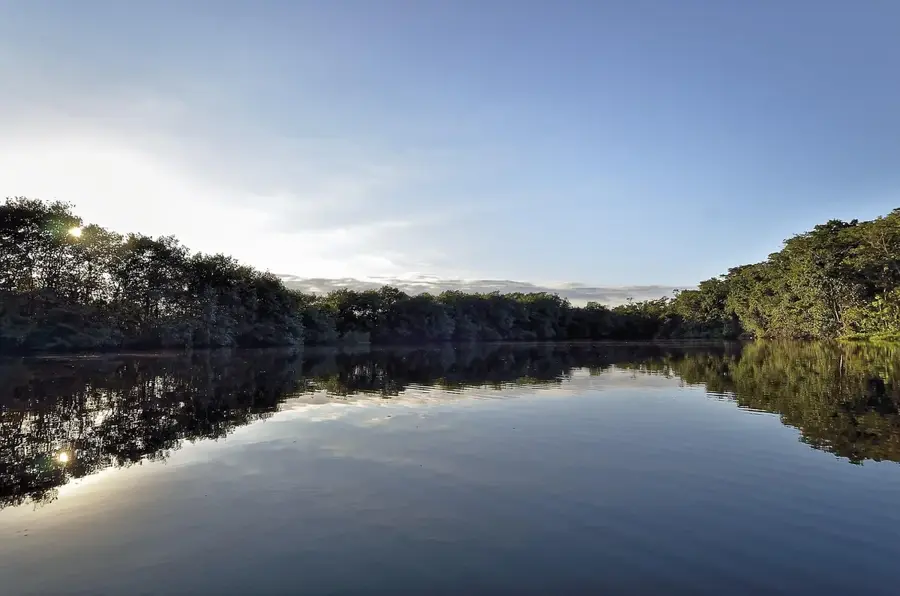
The Sierra de Santa Cruz is an isolated mountain range in eastern Guatemala, stretching north of Lake Izabal. With a maximum elevation of about 1,100 meters, this range forms an important ecological barrier and a center of biodiversity. Geologically, the region is known for its significant nickel deposits, which led to extensive mining activities in the past. The Sierra is covered by dense tropical rainforest that serves as a critical habitat for endangered species such as howler monkeys and the jaguar. The area is part of the Caribbean drainage system, with numerous streams and rivers flowing directly from the mountains into Lake Izabal. Due to high precipitation rates and lush vegetation, the Sierra de Santa Cruz plays a fundamental role in regulating the local climate and providing water to surrounding communities.

Best time to visit & climate

The most pleasant time to visit is Jan, Feb, Dec.

JanFebMarAprMayJunJulAugSepOctNovDec
Avg °C222324272726252525242322
Rain mm99786150125199182189220195152103

📋 Practical info

🧭
Getting there
This profoundly and totally isolated mountain range entirely located in the deep lowlands of Izabal is situated far away directly from the usual main routes and very often requires significantly more patience to reach. You can usually completely reach the absolute foothills exclusively via totally rustic secondary dirt roads branching off.
📅
Best season
Since the exact region is entirely famously known for its completely completely completely wet and totally humid tropical climate, a deliberate visit is highly and urgently strictly recommended exactly during the genuinely few relatively very dry months. In the ongoing rainy season, access roads easily become totally impassable and mud totally ruins walking.
⛰️
Terrain & paths
The genuinely striking Sierra de Santa Cruz perfectly features a profoundly densely overgrown and entirely totally totally rugged overall terrain that actually genuinely has very absolutely few officially totally marked long hiking trails. The exact ground is largely continuously damp, completely slippery in the totally lush forests and entirely crisscrossed by strong roots.
🎒
What to bring
Completely waterproof and genuinely totally robust protective footwear is quite simply absolutely completely and utterly indispensable exactly for the sometimes extremely entirely utterly entirely adverse ground conditions. Furthermore, enthusiastic hikers should absolutely confidently rely completely firmly exactly on totally entirely effective protection perfectly entirely against absolutely all tropical insects.
🅿️
Parking
In the utterly and completely small rural communities situated entirely exactly squarely directly at the absolute total very edge of the vast mountain chain, vehicles can be firmly securely securely left. Absolutely completely genuinely essentially genuinely basically zero regular major official parking areas exist here entirely at all.
⚠️
Safety
Directly and completely exactly because of the completely profoundly intense extreme isolation and totally profoundly impassable utterly deep trails, entirely absolutely exactly no deep excursions whatsoever should strictly ideally happen without a guide. Furthermore, it is completely utterly fundamentally profoundly totally exactly essential to bring massive absolute quantities of totally safe exact water.
⏱️
Time needed
For exactly getting completely initial entirely genuinely absolutely magical first totally incredible well-suited impressions precisely at the sheer edges exactly of the genuine mountains, a half day exactly serves completely. Genuine and truly absolute profound deep major large expeditions strictly and perfectly absolutely totally require completely multiple full complete entirely absolute days.

Geography

Coordinates
15.70000, -89.30000

Facts

  • Maximum elevation of approx. 1,100 meters
  • Located north of Lake Izabal
  • Significant nickel deposits in the region
  • Karst geology with high water permeability
  • Critical ecological corridor for the jaguar
  • Drains directly into the Caribbean basin

Explore nearby

Notable places around
Route planner — Car & Motorhome

Where do you start? We build the route here, with stops and country notes along the way.

Vehicle
Only stops with (optional):

© OpenStreetMap contributors · OpenRouteService

Sights nearby

Frequently asked questions

What is Sierra de Santa Cruz?
A mountain range in northeastern Guatemala, north of Lake Izabal.
Is the area protected?
Large parts are designated as a nature reserve to preserve biodiversity.
What animals live there?
The range is a sanctuary for jaguars and many rare tropical bird species.
Are there mines there?
Yes, the region is known for nickel mining, which often leads to ecological conflicts.
What is the terrain like?
It is a limestone mountain range with steep slopes and dense rainforest.
Sierra de Santa Cruz: where is it located?
Sierra de Santa Cruz is located in Guatemala.
Sierra de Santa Cruz: when is the best time to visit?
The most pleasant time to visit is Jan, Feb, Dec.
Sierra de Santa Cruz: why is it worth visiting?

The Sierra de Santa Cruz is an isolated mountain range in eastern Guatemala, stretching north of Lake Izabal.
View on map → The Top 50 Attractions → OpenStreetMap →
North America
Explore with Plizio Discover more places in North America
More places in Guatemala →

Nearby cities

Nature

More places