Eifel Brass Festival 2027
Experience a celebration of brass music in the heart of the Eifel at Camp Tannenhof.
Plizio Visual Lab

Weather…
Water temperature…
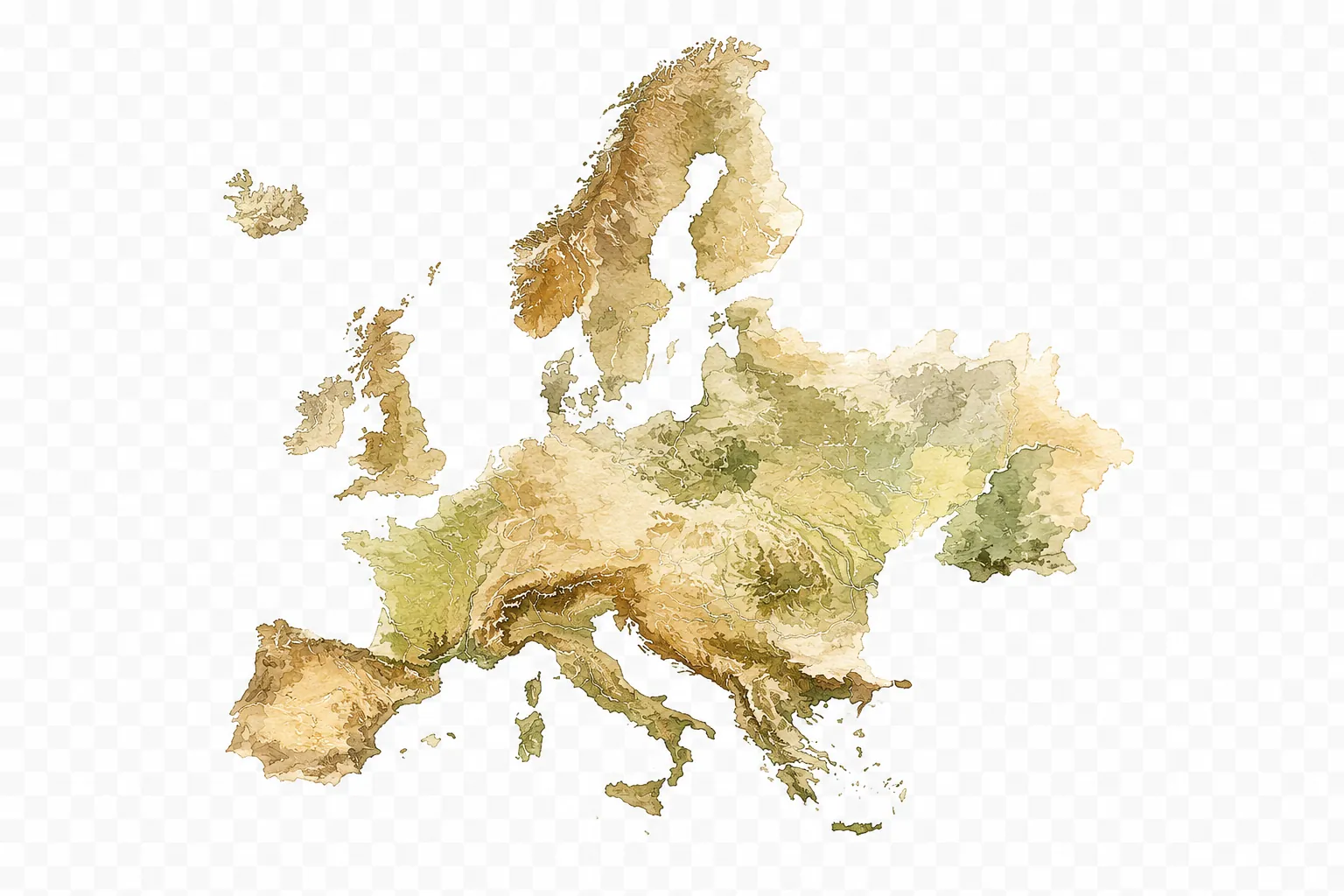
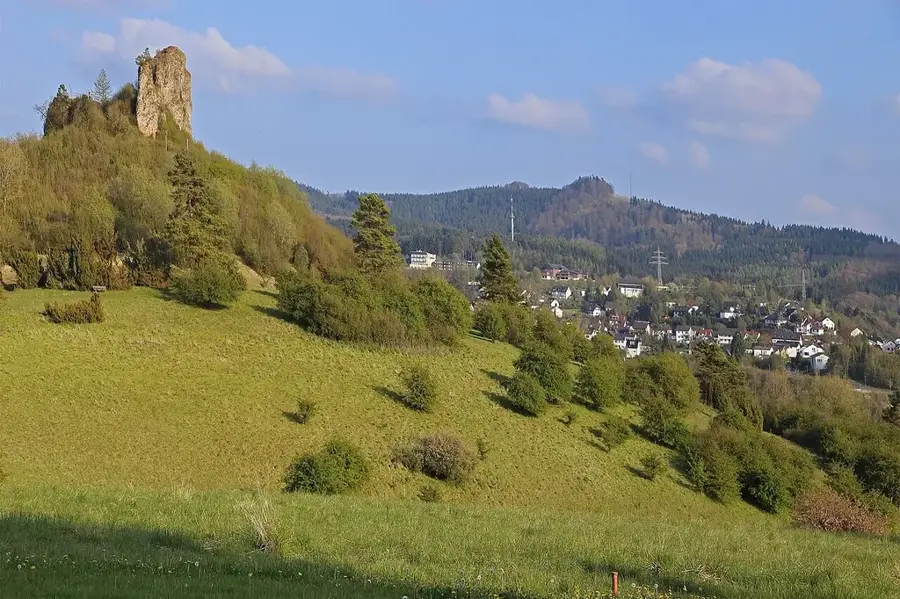
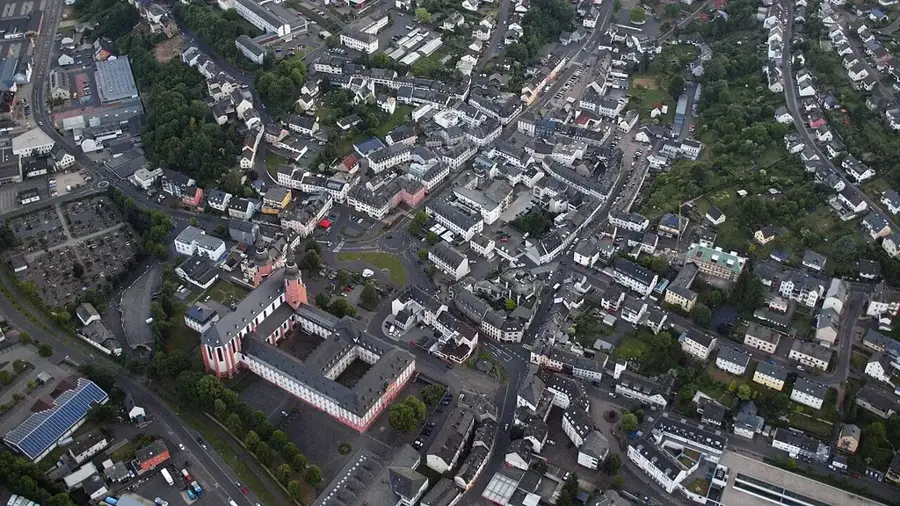
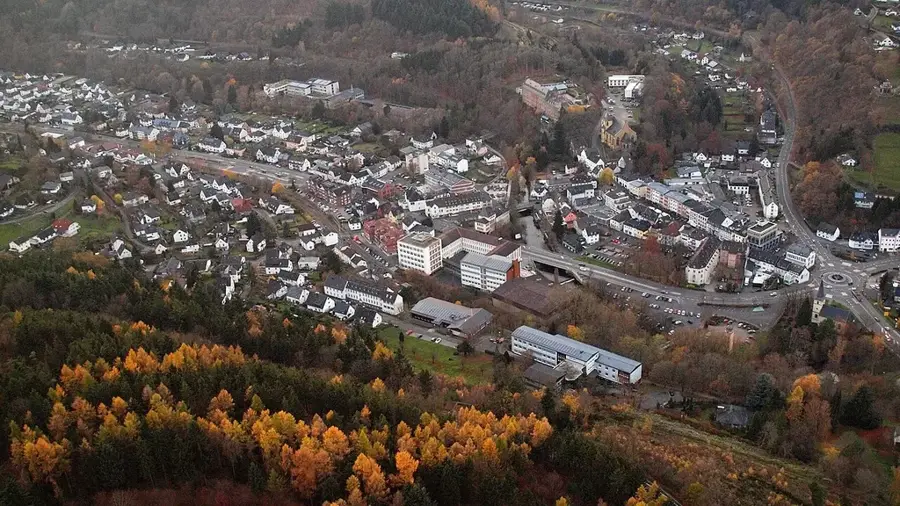
The Eifel is a prominent low mountain range in western Germany, distinguished in Rhineland-Palatinate by its unique volcanic history. Geologically part of the Rhenish Massif, the region is world-famous for its maars, water-filled crater lakes formed by massive steam explosions. The highest elevation in the Rhineland-Palatinate section is the Hohe Acht, reaching 747 meters above sea level. The landscape is characterized by dense forests, deep valleys, and expansive plateaus that host high biodiversity. Historically, the region was long regarded as poor and difficult to access, but it developed through basalt and iron ore mining, and later through tourism. Today, the Eifel is a significant recreational area, home to the famous Nürburgring racetrack and parts of the Eifel National Park. Subterranean geological activity remains present today, evidenced by CO2 emissions in various areas. The region is bordered to the east by the Rhine Valley and to the south by the Moselle River.
Explore on the map
Find cities, landscapes and regions in 10 varied challenges on the interactive map.
Your journey, your memory
Turn your own photo into a personal postcard with a local stamp. Free and no sign-up required.
Create a postcardThe most pleasant time to visit is Jun–Aug.
| Jan | Feb | Mar | Apr | May | Jun | Jul | Aug | Sep | Oct | Nov | Dec | |
|---|---|---|---|---|---|---|---|---|---|---|---|---|
| Avg °C | 0 | 1 | 4 | 8 | 12 | 16 | 18 | 18 | 14 | 9 | 5 | 1 |
| Rain mm | 63 | 55 | 56 | 47 | 72 | 75 | 77 | 80 | 58 | 59 | 63 | 67 |
Notable places around
Where do you start? We build the route here, with stops and country notes along the way.
© OpenStreetMap contributors · OpenRouteService
The remains of a medieval castle ruin in the scenic Eifel region.
A nature reserve in the Eifel region, centered around the Ahbach valley.
A well-known growing waterfall in the Eifel, formed by limestone sinter deposits.