Plizio Visual Lab
Jucuapa

ℹ️Practical info — Jucuapa
▾
🌤 Weather — 5 days
📍 Nearby
Sights nearby
💡 Tips
- Time your visit for the weekend food fair to sample the best local dishes in one place.
- Wear sturdy walking shoes, as some of the central streets have uneven paving.
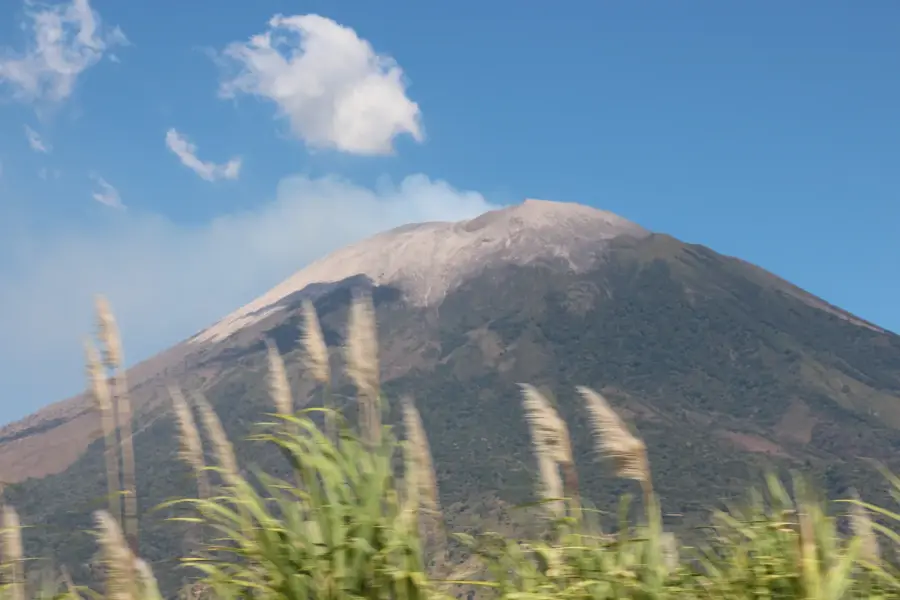
- If you plan to explore the nearby Chinameca volcano, start early in the morning to beat the midday heat.
- Buses to neighboring towns run frequently, but ask locals for the exact departure points as they can change.
🍽 Food
El Salvador's national dish; try them from the food stands around the main plaza, especially during the weekend fair.
Deep-fried cassava often served with crispy pork (chicharrón), a popular snack at the local market.
A refreshing sweet drink made from seeds and rice, excellent for cooling down on hot afternoons.
🛍 Shopping · 🧘 Quiet spots
A bustling spot to buy fresh tropical fruits, vegetables, and daily goods.
Look out for handmade textiles and small ceramics mixed in with the food stalls during the weekend fair.
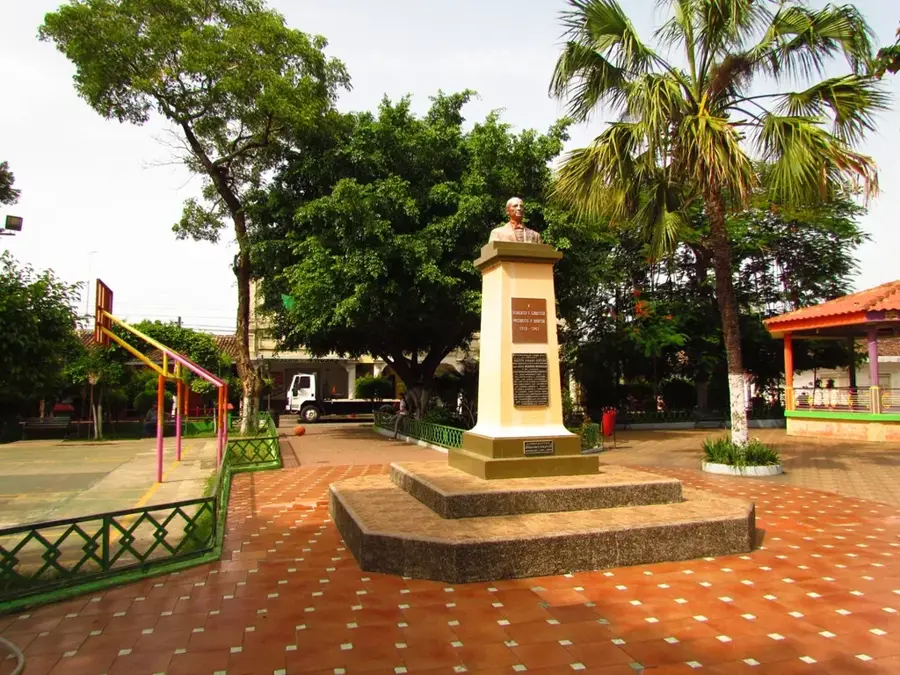
The main square features shaded benches, well-suited for taking a rest and people-watching.
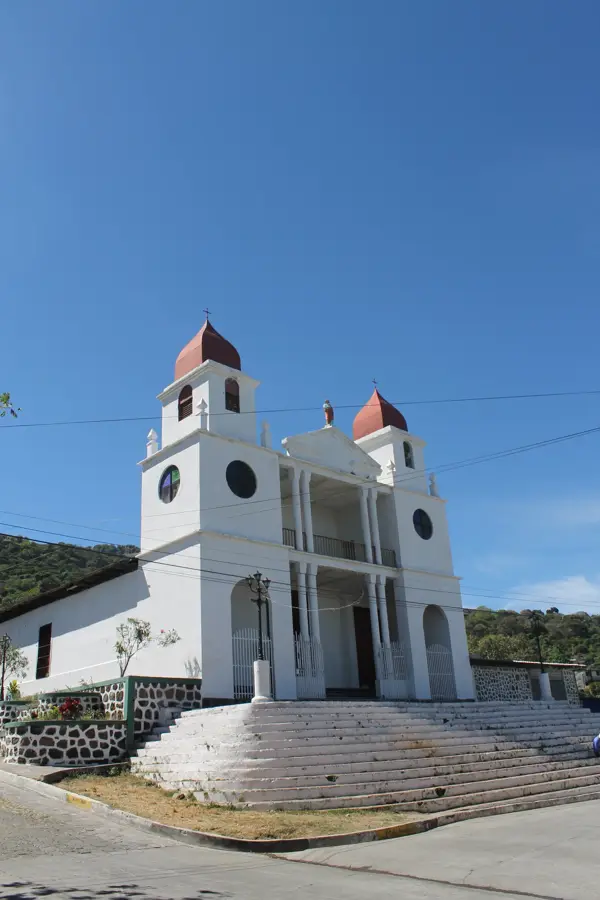
The local church provides a cool and quiet retreat from the sunny streets outside.
Water temperature…
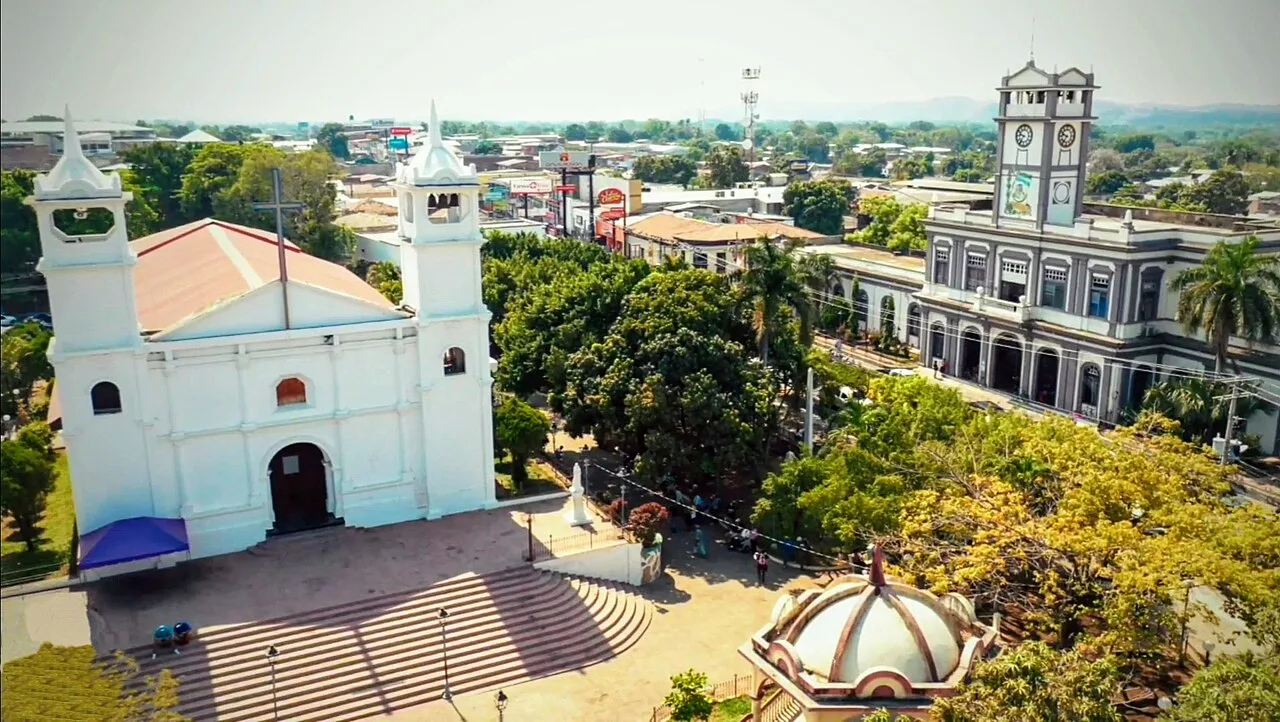
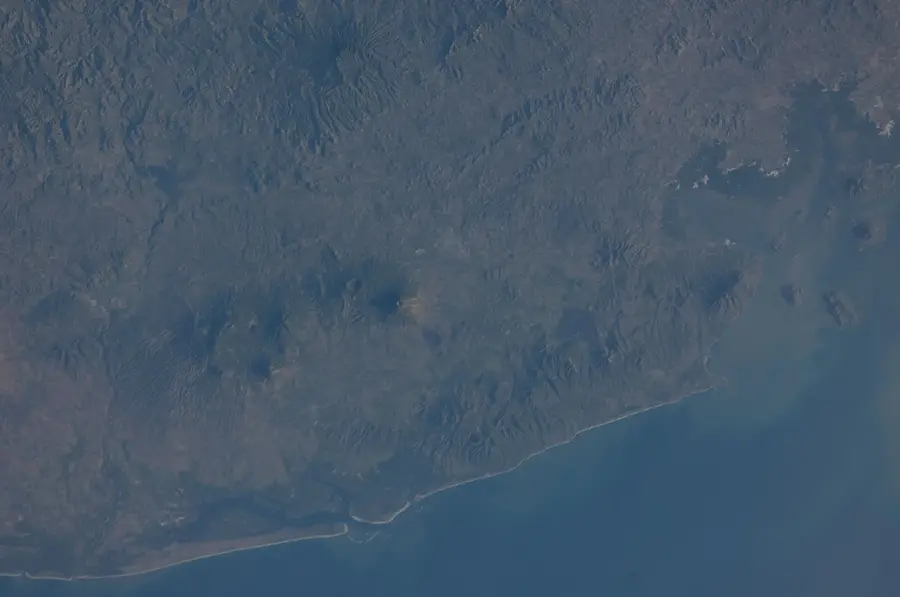
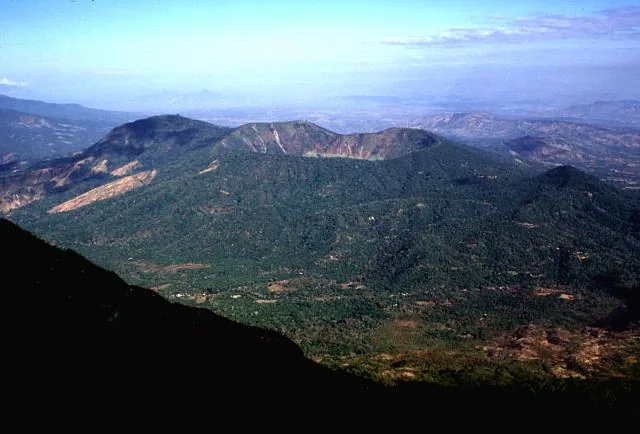
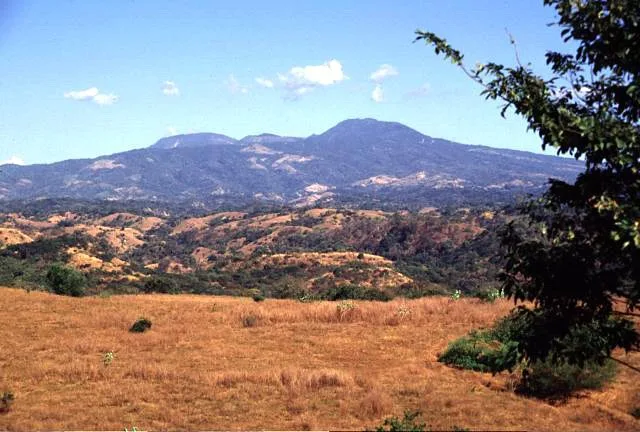
Jucuapa is a historic city in the Usulután Department, situated at the foothills of the El Tigre Volcano. The name Jucuapa originates from the Nahuatl language, meaning "River of the Purple Fruit," reflecting the lush vegetation of the region. The city gained international notoriety for its unique industrial specialization: it is known as the "City of Caskets" due to its numerous workshops dedicated to the artisanal manufacture of wooden coffins. Tragically, Jucuapa was the epicenter of a devastating earthquake on May 6, 1951, which almost completely destroyed the urban center and claimed many lives. Following this disaster, the city was meticulously rebuilt with wider streets and reinforced structures, preserving its commercial importance in eastern El Salvador. Beyond its coffin industry, Jucuapa is an important center for coffee processing and commerce.
Explore on the map
How well do you know El Salvador?
Find cities, landscapes and regions in 10 varied challenges on the interactive map.
Your journey, your memory
A postcard from Jucuapa
Turn your own photo into a personal postcard with a local stamp. Free and no sign-up required.
Create a postcard- Location: El Salvador
- Nearby: Santiago de María (9 km)
- Population: ~10.601 (2012)
Best time to visit & climate
The most pleasant time to visit is Jan, Nov, Dec.
| Jan | Feb | Mar | Apr | May | Jun | Jul | Aug | Sep | Oct | Nov | Dec | |
|---|---|---|---|---|---|---|---|---|---|---|---|---|
| Avg °C | 27 | 28 | 29 | 29 | 28 | 27 | 28 | 27 | 26 | 26 | 26 | 26 |
| Rain mm | 3 | 4 | 6 | 32 | 169 | 193 | 155 | 198 | 234 | 204 | 41 | 10 |
Geography
Facts
- Jucuapa officially received the title of city on March 9, 1874.
- The 1951 earthquake had an estimated magnitude of 6.2.
- Over 50 workshops in the city produce handcrafted caskets.
- The El Tigre Volcano dominates the landscape north of the city.
- The name comes from the Nahuatl words 'jucua' (purple) and 'apa' (river).
- The town celebrates its festivities in honor of Saint Simon and Saint Jude.
Explore nearby
Notable places around
Route planner — Car & Motorhome
Where do you start? We build the route here, with stops and country notes along the way.
© OpenStreetMap contributors · OpenRouteService
Frequently asked questions
What is special about Jucuapa?
How many days should I plan for?
How do I get there?
What is nearby?
Are there accommodations there?
Jucuapa: where is it located?
Jucuapa: when is the best time to visit?
Jucuapa: why is it worth visiting?

Nearby cities
Nature
More places