Plizio Visual Lab
Banes
ℹ️Practical info — Banes
▾
🌤 Weather — 5 days
📍 Nearby
Sights nearby
💡 Tips
- Transportation can be unreliable; consider hiring a local private taxi (taxi particular) for a day to explore the surrounding archaeological sites.
- The local currency situation in Cuba can be complex. Bring cash in Euros or USD, as they are widely accepted or easily exchanged on the informal market.
- Internet access (Wi-Fi) is usually restricted to public squares and requires purchasing a pre-paid ETECSA card.
- Visit the Indo-Cuban Museum Bani early in the day when it is cooler and generally quieter.
🍽 Food
Look for local paladares (private restaurants) near the town center serving slow-roasted pork with congrí (rice and beans).
Fried plantains. A staple side dish available at almost every local eatery.
Buy fresh mangoes, guavas, or papayas from small street carts or local farmers in the morning.
🛍 Shopping · 🧘 Quiet spots
Look for small vendors selling wood carvings and souvenirs inspired by Taíno indigenous culture.
Experience local life by visiting the produce market where locals buy their daily vegetables and fruits.
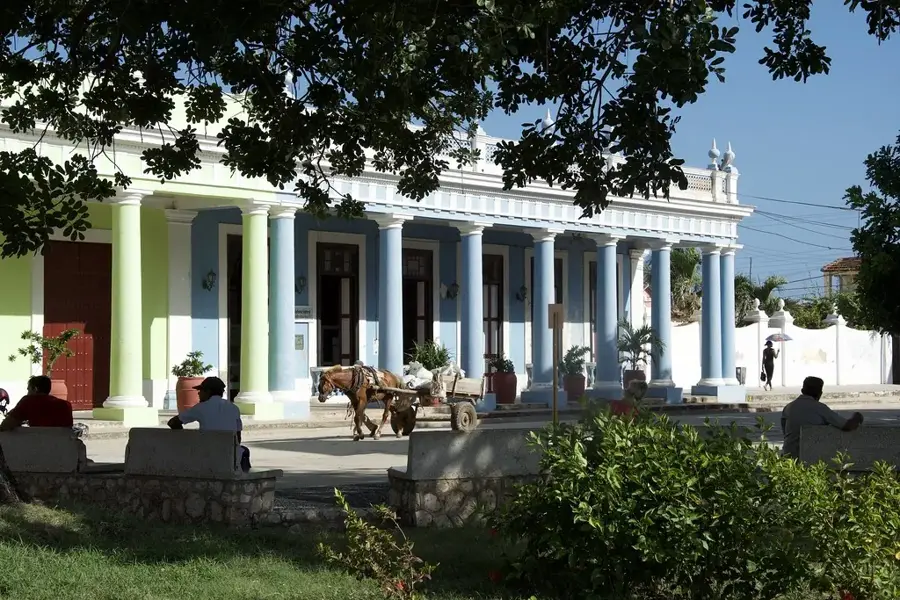
The central park of Banes, a shaded spot to sit on a bench, people-watch, and relax.
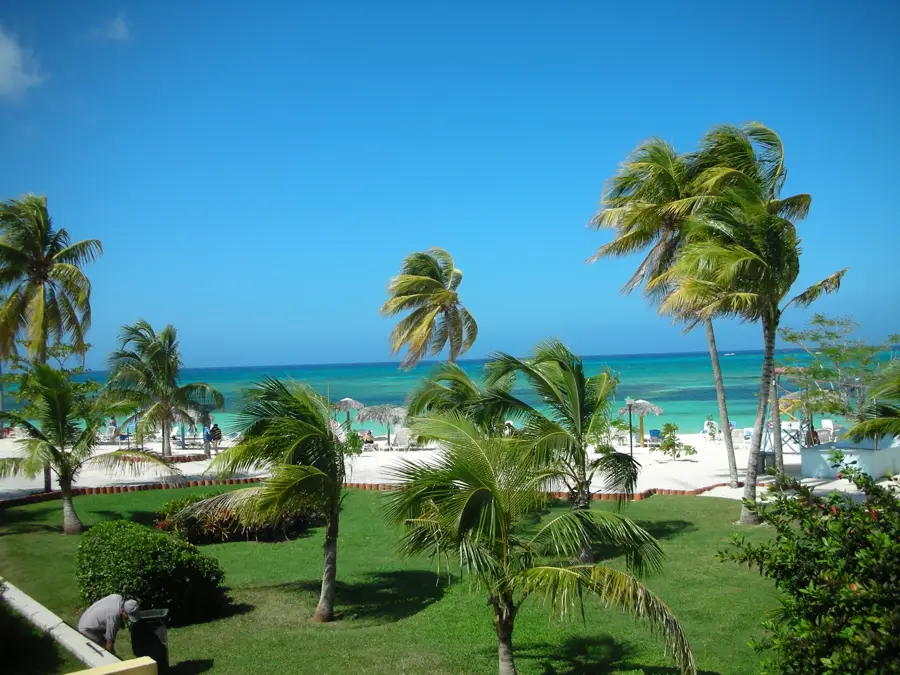
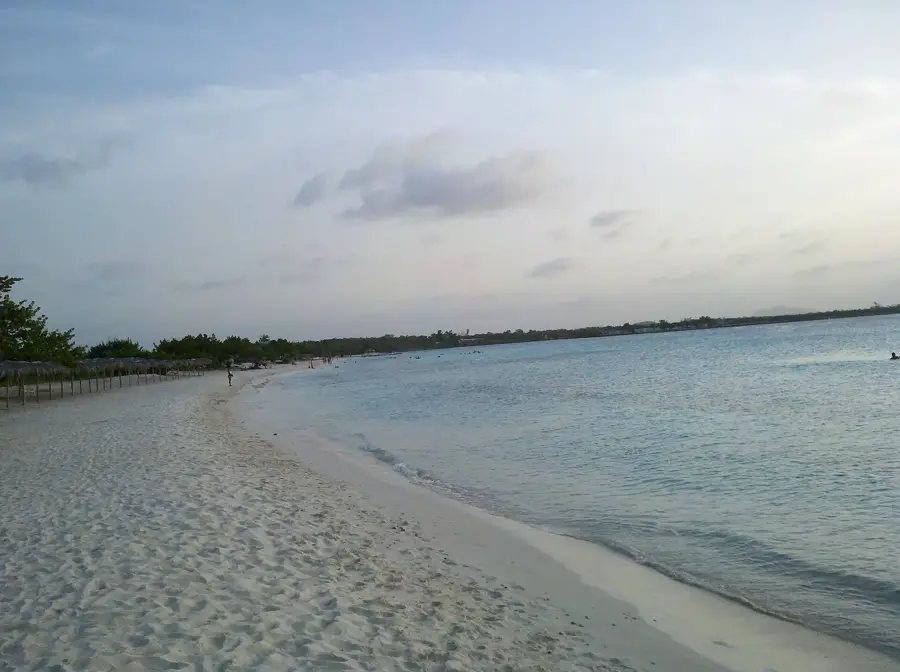
Located a short drive away from the city, find a quieter spot on the eastern end of the beach to avoid resort crowds.
Water temperature…
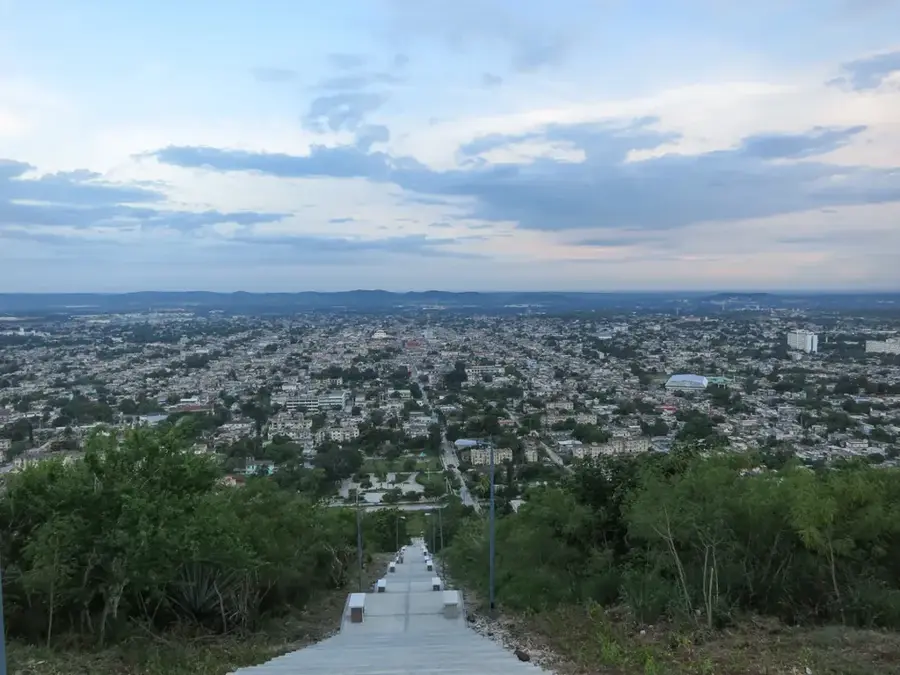
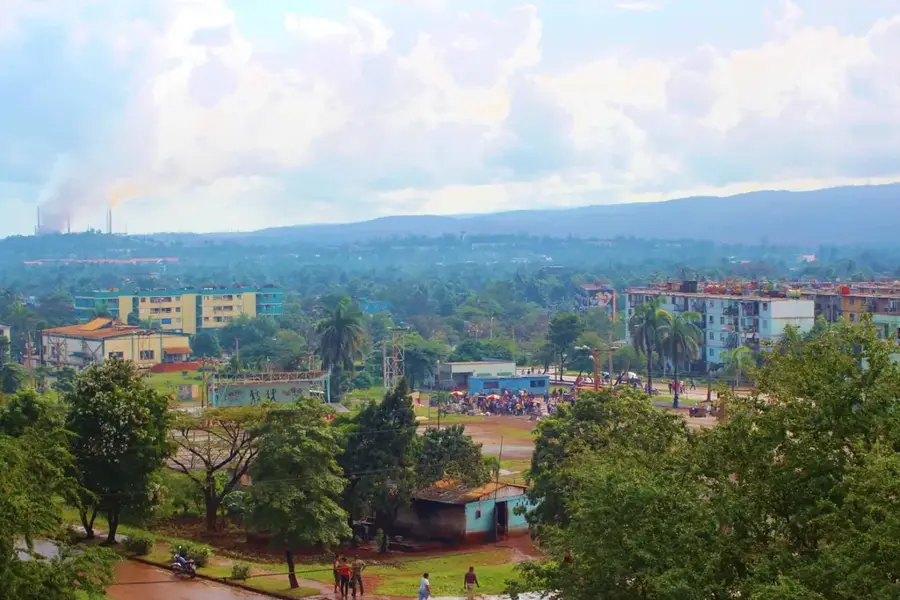
Banes is widely regarded as the archaeological capital of Cuba, situated in the northern part of Holguín Province. The region is internationally famous for its pre-Columbian sites, most notably El Chorro de Maíta, a significant indigenous cemetery dating back to before the Spanish conquest. The town itself underwent rapid development in the early 20th century due to the influence of the United Fruit Company, which established Banes as a major center for sugar production. This industrial era left a distinct mark on the urban layout, including American-style wooden architecture that is rare elsewhere in Cuba. In addition to agriculture, tourism is a key factor as the city serves as a gateway to the nearby beaches of Guardalavaca. The Bani Archaeological Museum houses one of the most valuable collections of indigenous artifacts in the Antilles, featuring rare gold objects. Banes thus represents a unique intersection of ancient pre-Columbian history and 20th-century industrial heritage.
Explore on the map
How well do you know Cuba?
Find cities, landscapes and regions in 10 varied challenges on the interactive map.
Your journey, your memory
A postcard from Banes
Turn your own photo into a personal postcard with a local stamp. Free and no sign-up required.
Create a postcard- Location: Cuba
- Highlights: Salón de reuniones · Museo Arqueológico Indocubano "Baní" · Palacio de los Matrimonios
- Nearby: Guardalavaca (19 km)
- Population: ~53.104 (2023)
Best time to visit & climate
The most pleasant time to visit is Jan–Mar.
| Jan | Feb | Mar | Apr | May | Jun | Jul | Aug | Sep | Oct | Nov | Dec | |
|---|---|---|---|---|---|---|---|---|---|---|---|---|
| Avg °C | 25 | 25 | 25 | 26 | 27 | 28 | 28 | 28 | 28 | 28 | 26 | 26 |
| Rain mm | 42 | 30 | 38 | 60 | 145 | 131 | 87 | 112 | 126 | 172 | 92 | 49 |
Geography
Facts
- El Chorro de Maíta is the most significant indigenous archaeological site in Cuba.
- The Bani Archaeological Museum was opened in the city in 1965.
- The United Fruit Company began acquiring land in Banes in 1899.
- Banes was the birthplace of former Cuban President Fulgencio Batista.
- The town features unique 20th-century American-style wooden houses.
- There are over 90 registered archaeological sites in the Banes area.
Explore nearby
Notable places around
Route planner — Car & Motorhome
Where do you start? We build the route here, with stops and country notes along the way.
© OpenStreetMap contributors · OpenRouteService
Sights in the town Banes (4)
Frequently asked questions
Why the archaeological capital?
What is the most important museum?
Where is Banes located?
Are there beaches nearby?
What is typical?
Banes: where is it located?
Banes: what is there to see?
Banes: when is the best time to visit?
Banes: why is it worth visiting?
Nearby cities
More places