Plizio Visual Lab
Arima Mission Ruins
Weather…
Water temperature…
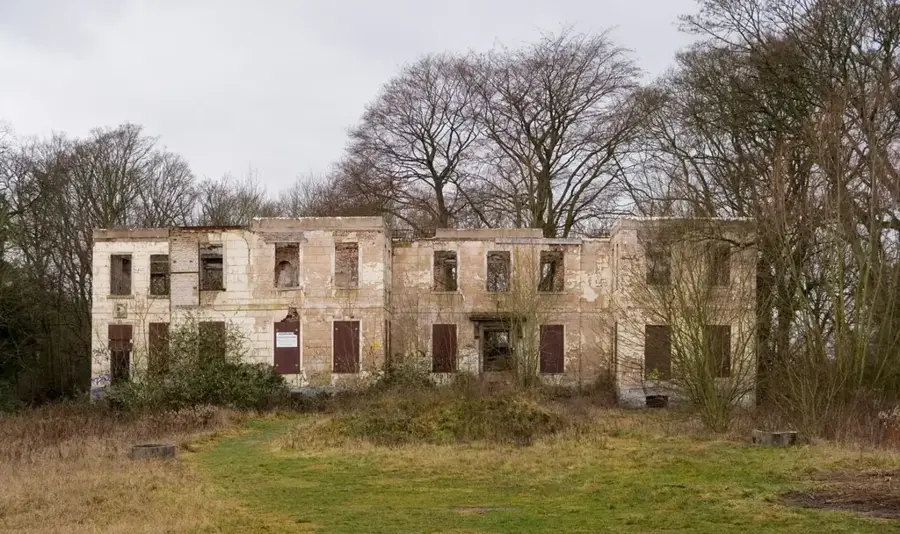
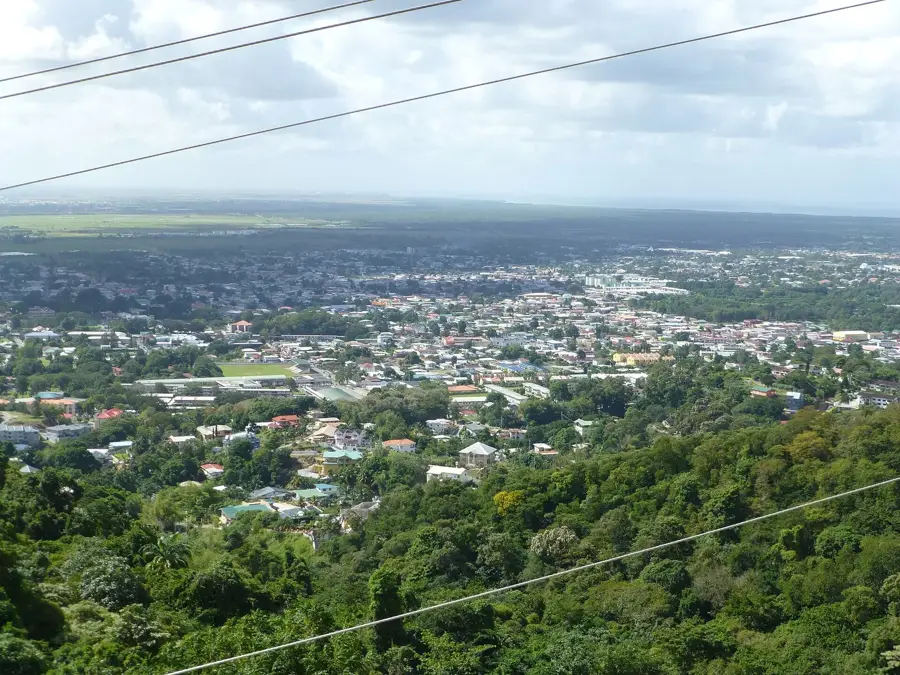
The Arima Mission ruins represent the legacy of the Santa Rosa de Arima mission, established by the Spanish in 1789. Arima was the last major mission in Trinidad, specifically created to consolidate the remaining indigenous Amerindian populations, primarily Arawaks and Caribs. Under Spanish colonial rule, over 1,000 indigenous people were gathered here to be converted to Christianity and utilized as a centralized labor force. The Santa Rosa de Lima Church, which now stands in the center of Arima, was built on the site of the original mission chapel. The site's history is deeply intertwined with the resistance and cultural preservation of Trinidad’s First Peoples, who still maintain their spiritual and administrative center in Arima today. The remnants and commemorative sites in the area testify to the hardships of the mission era and the eventual blending of Christian faith and indigenous traditions, a fusion celebrated in the annual Santa Rosa Festival.
Explore on the map
How well do you know Trinidad and Tobago?
Find cities, landscapes and regions in 10 varied challenges on the interactive map.
Your journey, your memory
A postcard from Arima Mission Ruins
Turn your own photo into a personal postcard with a local stamp. Free and no sign-up required.
Create a postcard- Location: Trinidad and Tobago
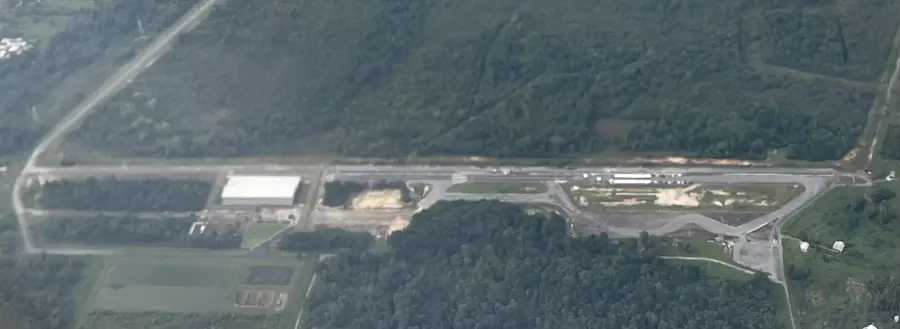
- Highlights: Cumuto · Waller Air Force Base
- Nearby: Arima (10 km)
Best time to visit & climate
The most pleasant time to visit is Feb–Apr.
| Jan | Feb | Mar | Apr | May | Jun | Jul | Aug | Sep | Oct | Nov | Dec | |
|---|---|---|---|---|---|---|---|---|---|---|---|---|
| Avg °C | 26 | 26 | 27 | 28 | 28 | 27 | 27 | 27 | 27 | 27 | 27 | 26 |
| Rain mm | 100 | 61 | 52 | 56 | 117 | 222 | 202 | 202 | 141 | 176 | 213 | 178 |
📋 Practical info
Geography
Facts
- The mission was consolidated in 1789 by Spanish Governor Chacon.
- Arima is the only town in Trinidad with an organized First Peoples community.
- The Santa Rosa de Lima Church was consecrated at its current site in 1891.
- The Santa Rosa Festival has been celebrated annually for over 200 years.
- The name 'Arima' translates to 'water' in the indigenous Amerindian tongue.
- The mission served as a vital trade link between Port of Spain and the East.
Explore nearby
Notable places around
Route planner — Car & Motorhome
Where do you start? We build the route here, with stops and country notes along the way.
© OpenStreetMap contributors · OpenRouteService
Sights in the town Arima Mission Ruins (2)
Sights nearby
Frequently asked questions
What are the mission ruins Arima?
Is the site well signposted?
Are there admission fees?
Is the place suitable for photography?
What is special about the history of Arima?
Arima Mission Ruins: where is it located?
Arima Mission Ruins: what is there to see?
Arima Mission Ruins: when is the best time to visit?
Arima Mission Ruins: why is it worth visiting?
Nearby cities
History & landmarks
Nature
More places