Plizio Visual Lab
Chamois
Weather…
Water temperature…
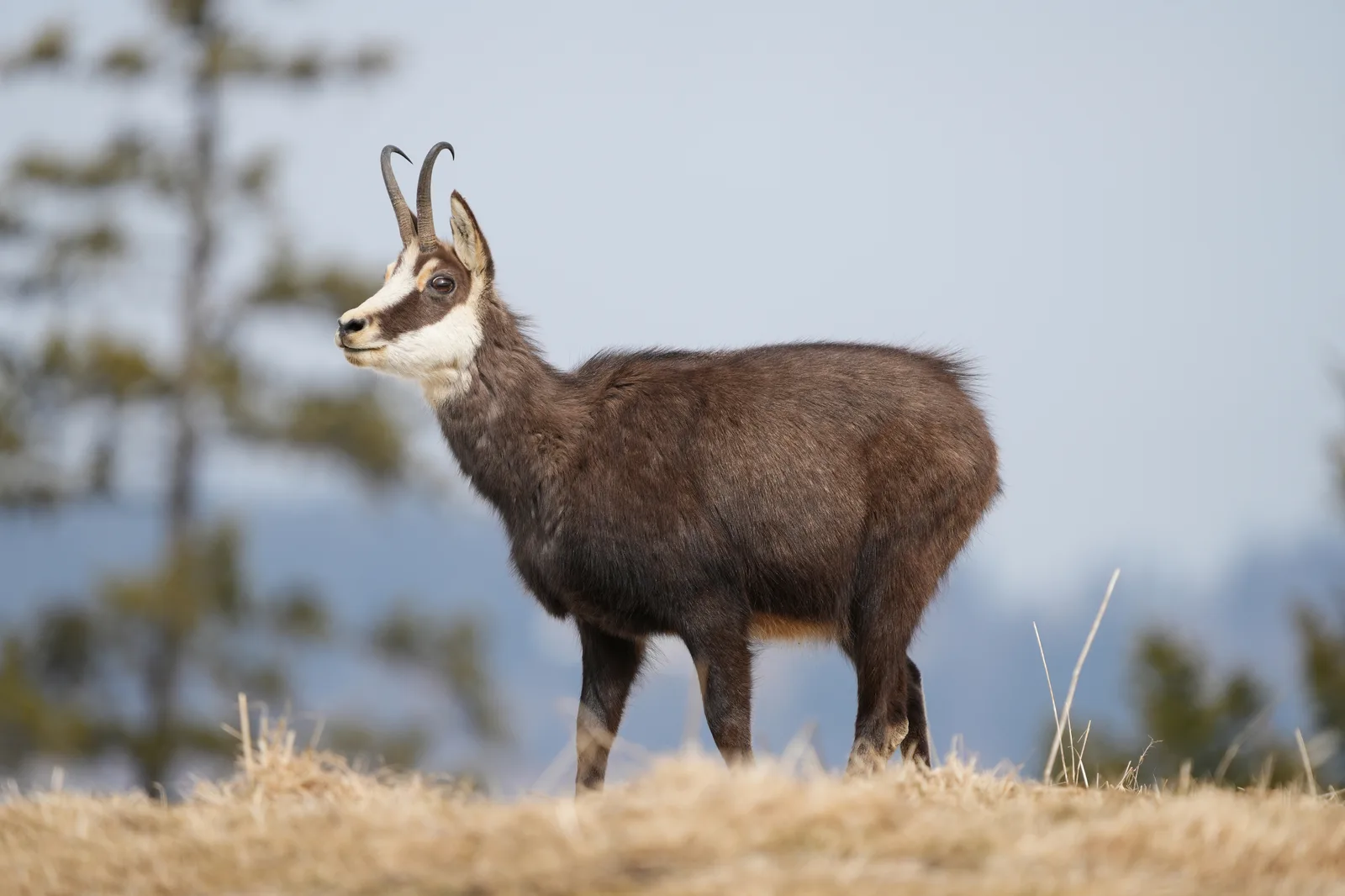
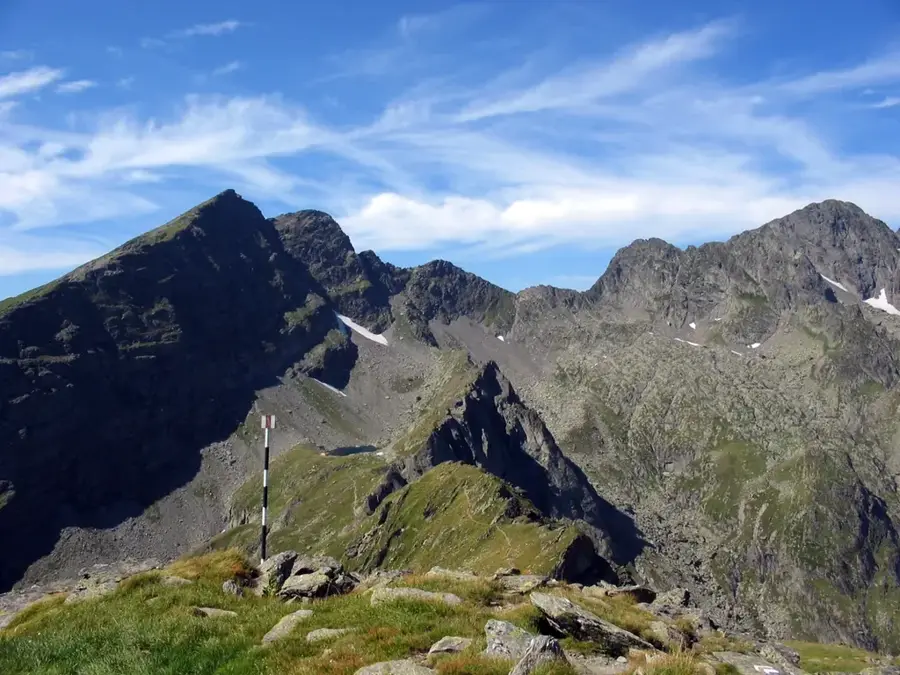
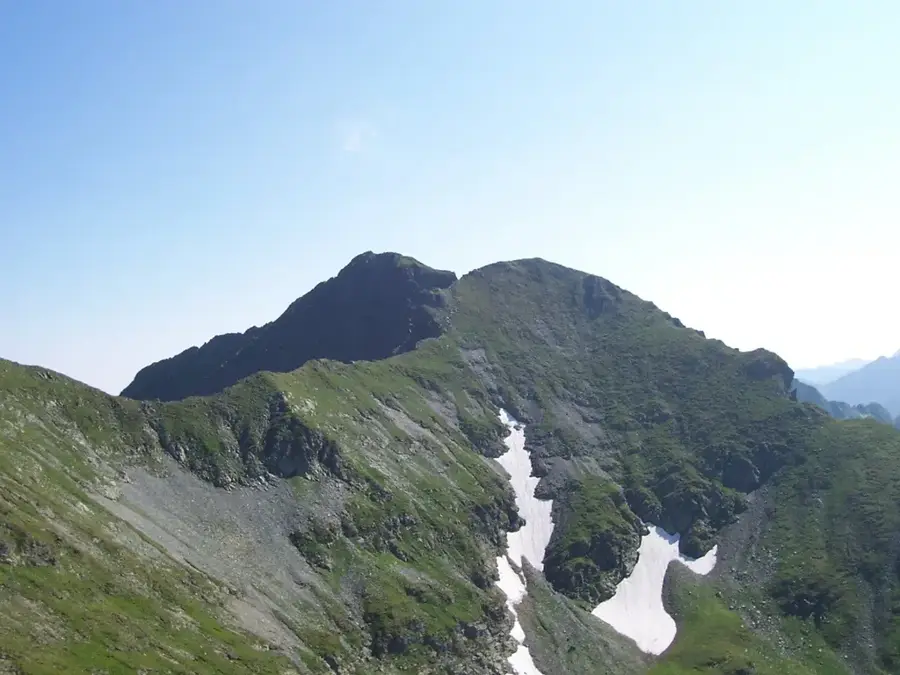
The chamois (Rupicapra rupicapra), known in Romania as 'Capra Neagră', is a highly specialized mountain-dwelling species that thrives in the steep, rocky terrains of the high Carpathians. Major populations are found in the Retezat, Făgăraș, and Bucegi mountains, often at altitudes exceeding 2,000 meters. Its physical build is designed for extreme agility; its unique hooves with elastic pads and hard edges provide incredible grip on slippery rocks and precipitous slopes. Both males and females possess short, hook-shaped horns that remain throughout their lives. Their diet consists of alpine grasses, herbs, and lichens, supplemented in winter by buds and shoots of mountain pines. The chamois is remarkably resilient to harsh weather, enduring sub-zero temperatures and high winds on exposed ridges. Protected by law in Romania since 1933, it stands as a living symbol of the pristine alpine wilderness and the success of early conservation efforts.
Explore on the map
How well do you know Romania?
Find cities, landscapes and regions in 10 varied challenges on the interactive map.
Your journey, your memory
A postcard from Chamois
Turn your own photo into a personal postcard with a local stamp. Free and no sign-up required.
Create a postcard- Location: Sibiu, Romania
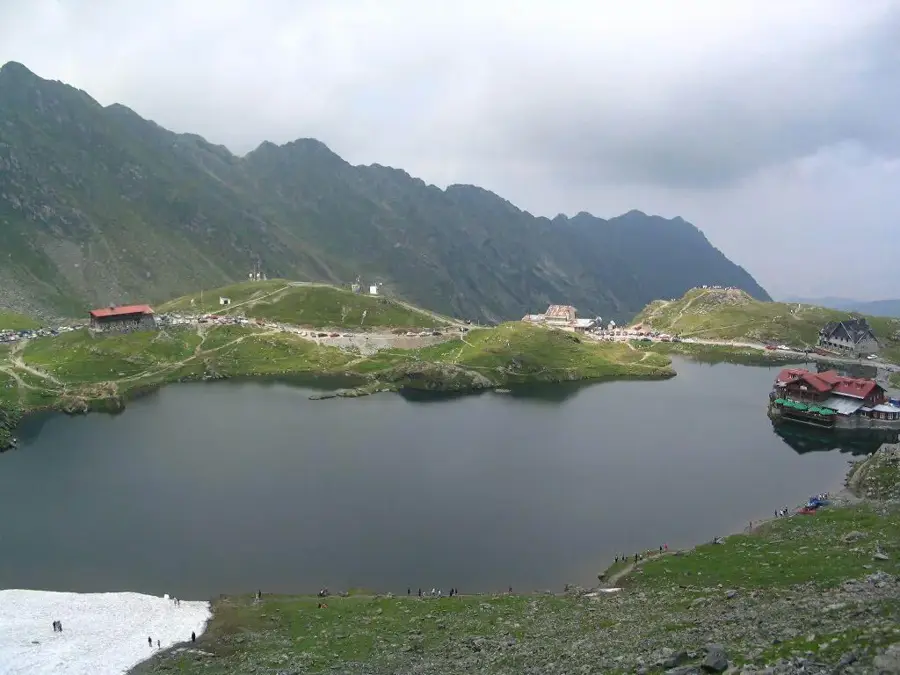
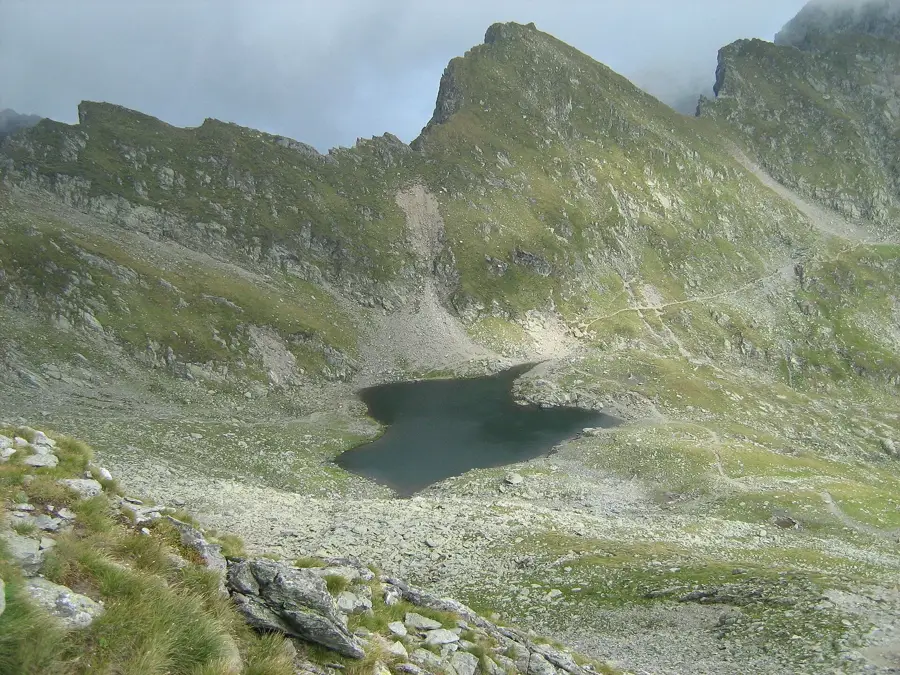
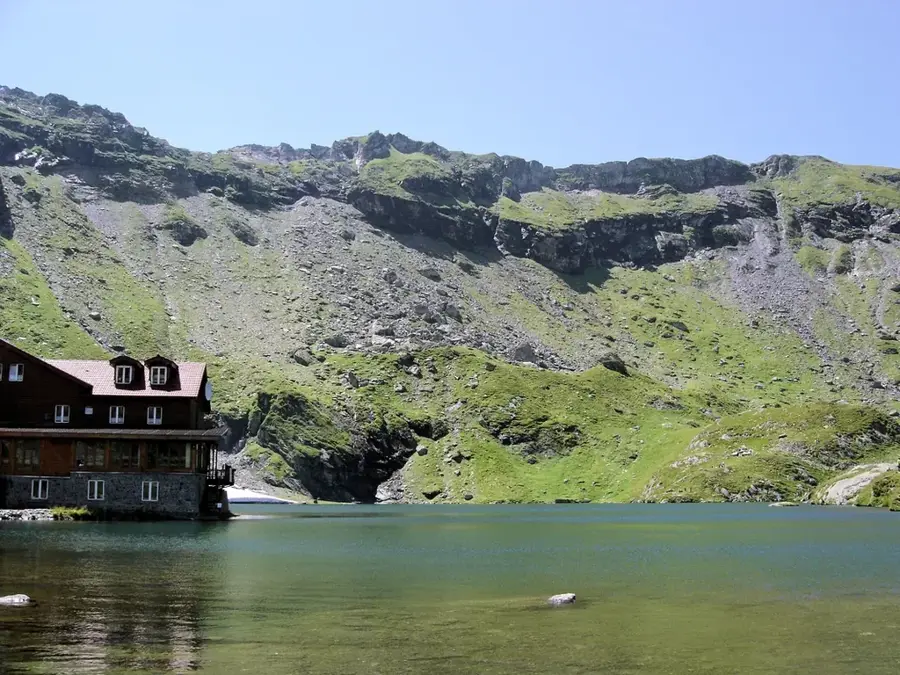
- Highlights: Panoramă Transfăgărășan · Lăițel · Iezerul Caprei
- Nearby: Victoria (10 km)
Best time to visit & climate
The most pleasant time to visit is Jul–Sep.
| Jan | Feb | Mar | Apr | May | Jun | Jul | Aug | Sep | Oct | Nov | Dec | |
|---|---|---|---|---|---|---|---|---|---|---|---|---|
| Avg °C | -5 | -3 | 1 | 7 | 12 | 16 | 18 | 18 | 13 | 8 | 2 | -3 |
| Rain mm | 41 | 37 | 48 | 62 | 96 | 117 | 105 | 76 | 62 | 62 | 48 | 46 |
📋 Practical info
Geography
Facts
- Chamois can jump up to 6 meters (20 feet) horizontally and 2 meters vertically.
- Both sexes have permanent horns that can grow up to 25 cm (10 inches).
- Their hooves feature a flexible heart that works like a natural suction cup.
- Romania's chamois population is estimated at between 7,000 and 8,000.
- The species was first legally protected in Romania in 1933.
- In winter, they rely on 'mountain pine' needles as a primary food source.
Explore nearby
Notable places around
Route planner — Car & Motorhome
Where do you start? We build the route here, with stops and country notes along the way.
© OpenStreetMap contributors · OpenRouteService
Sights in the town Chamois (6)
Văiuga
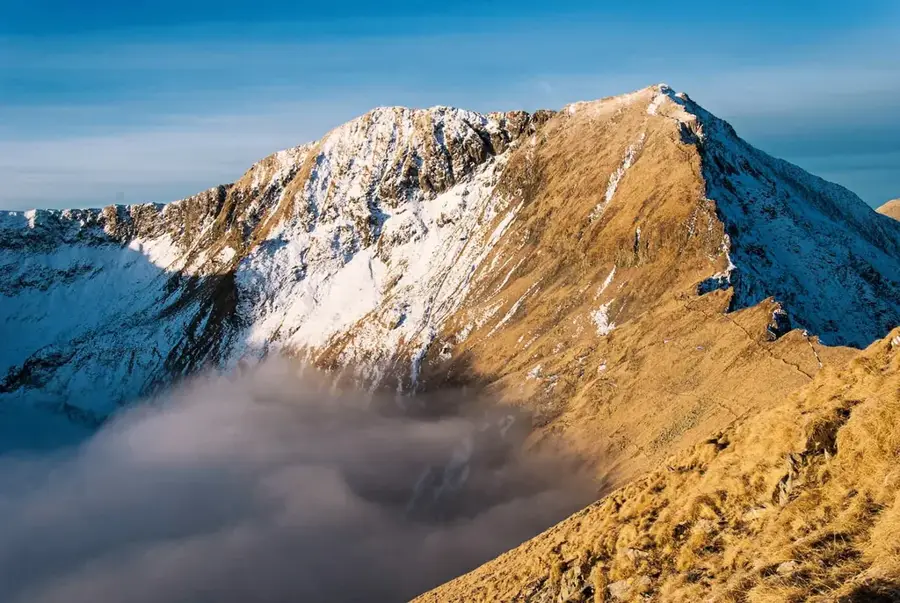
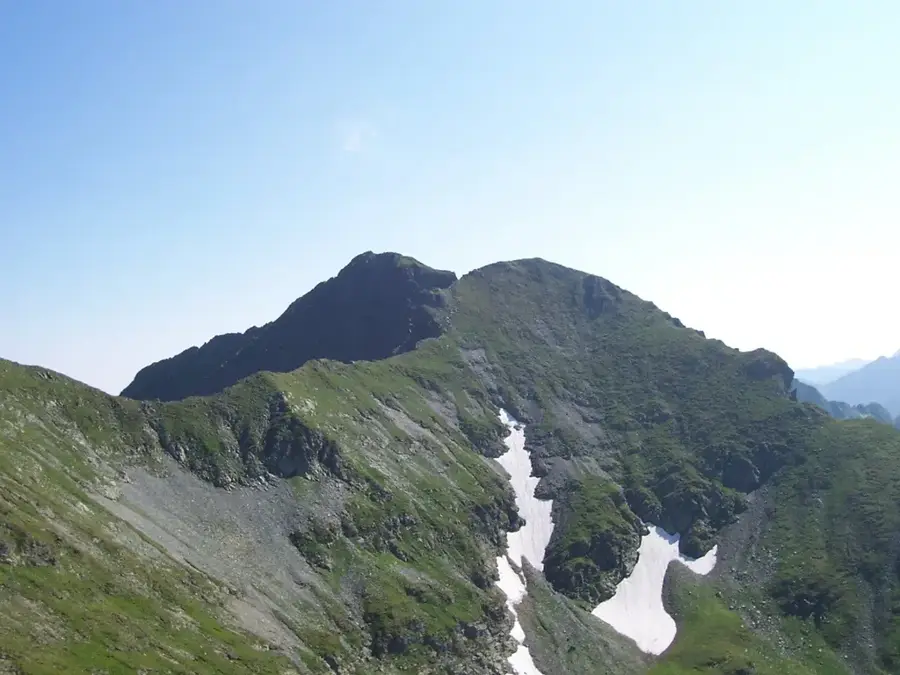
Mountain peak in Romania, near Capra Lake.
Capra Waterfall
Waterfall in the Carpathians, fed by snowmelt.
Fresh-meat
Theme park with activities related to meat processing.
Sights nearby
Frequently asked questions
Where can chamois be spotted in the Carpathians?
Can chamois be seen all year round?
How do chamois climb steep rocks?
What do they eat in winter?
Are chamois protected in Romania?
Chamois: where is it located?
Chamois: what is there to see?
Chamois: when is the best time to visit?
Chamois: why is it worth visiting?

Nearby cities
History & landmarks

Nature
More places