3 Sud Est - “Amintiri pentru o viață” concert
The pop group 3 Sud Est brings its “Amintiri pentru o viață” tour to Sala Traube in Mediaș.
Plizio Visual Lab
Look for traditional Saxon sweets like 'Lichiu' (a fruit or cheese cake) in local bakeries around the main square.
Hearty local stews are best enjoyed in the traditional restaurants tucked away in the historic center's cellars.
The area is close to the Târnave wine region; ask for local crisp white wines when dining.
Purchase bottles of regional white wine directly from specialized wine shops in the city center.
Small shops along the cobblestone streets offer handmade ceramics and traditional Transylvanian textiles.
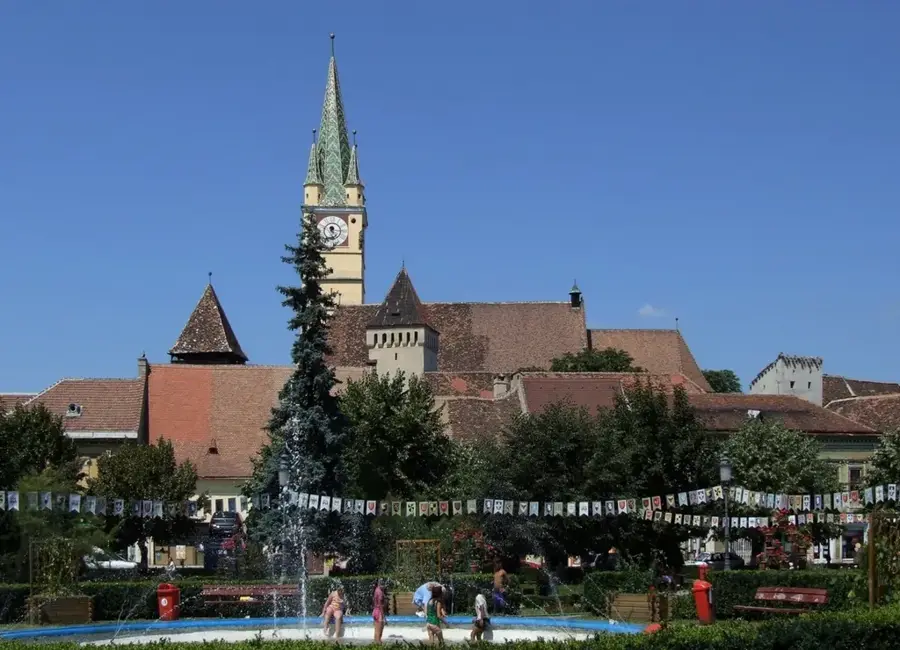
The courtyard inside the medieval walls of St. Margaret's Church provides a peaceful retreat from the city.
Take a relaxing stroll along the banks of the Târnava Mare river, especially pleasant in the early morning.
Water temperature…
The pop group 3 Sud Est brings its “Amintiri pentru o viață” tour to Sala Traube in Mediaș.
At the start of September, Traube Hotel & Restaurant presents a live stand-up show with Dan Țuțu and Cristi Manolescu.
Traube Hotel & Restaurant hosts a summer stand-up evening with comedians Nae Nicolae and Popica.
Annual medieval festival in the Saxon old town with costumes, craft fair, knight shows and fire shows, usually in summer.
An annual summer festival in the old town of Medias featuring a crafts fair, knightly tournaments, medieval dances and music. Around 70 craftsmen show ceramic, wood and leather work.
An annual town celebration marking the first documentary mention of Medias on 3 June 1267, with concerts, cultural performances and open air events.
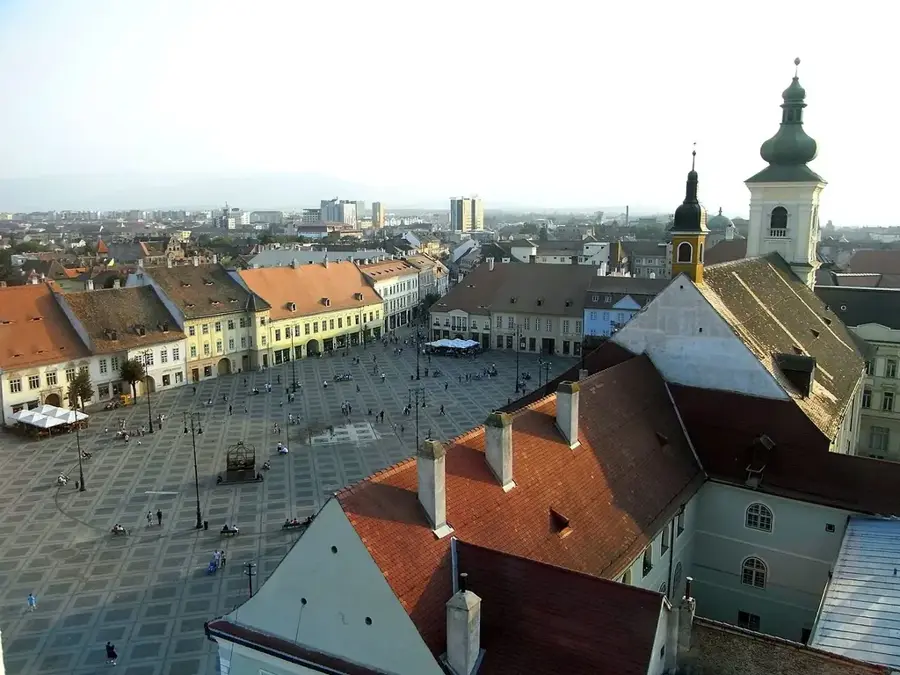
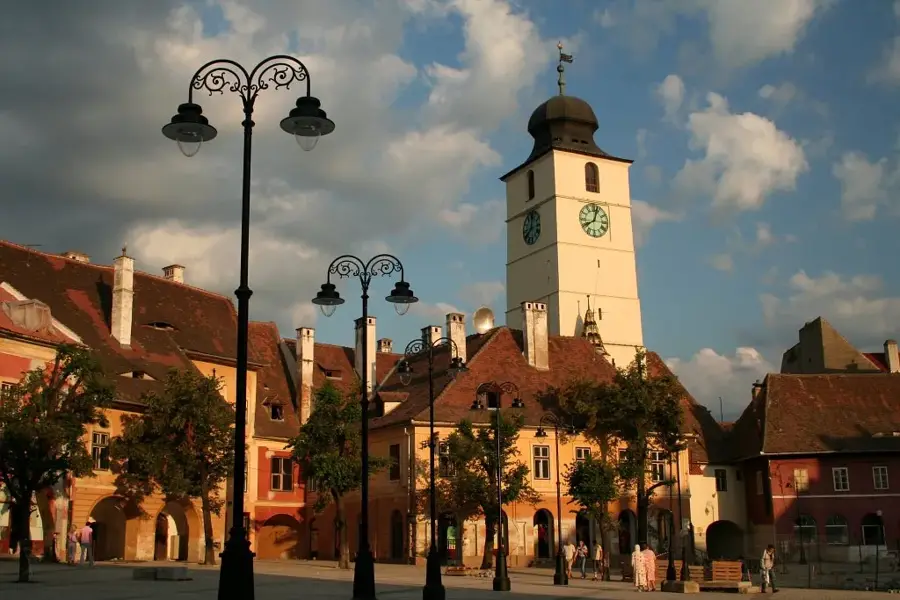
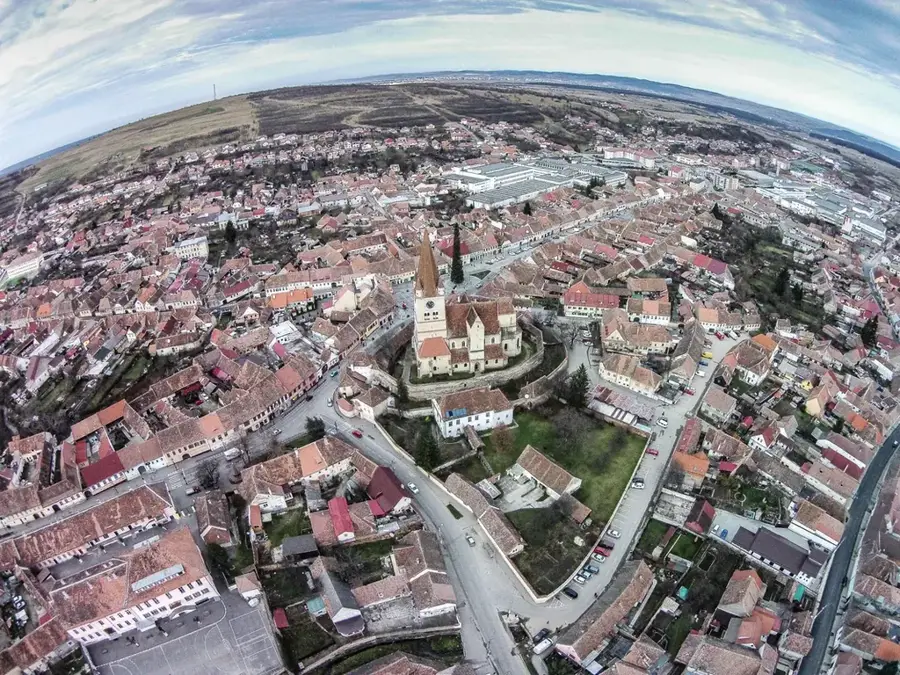
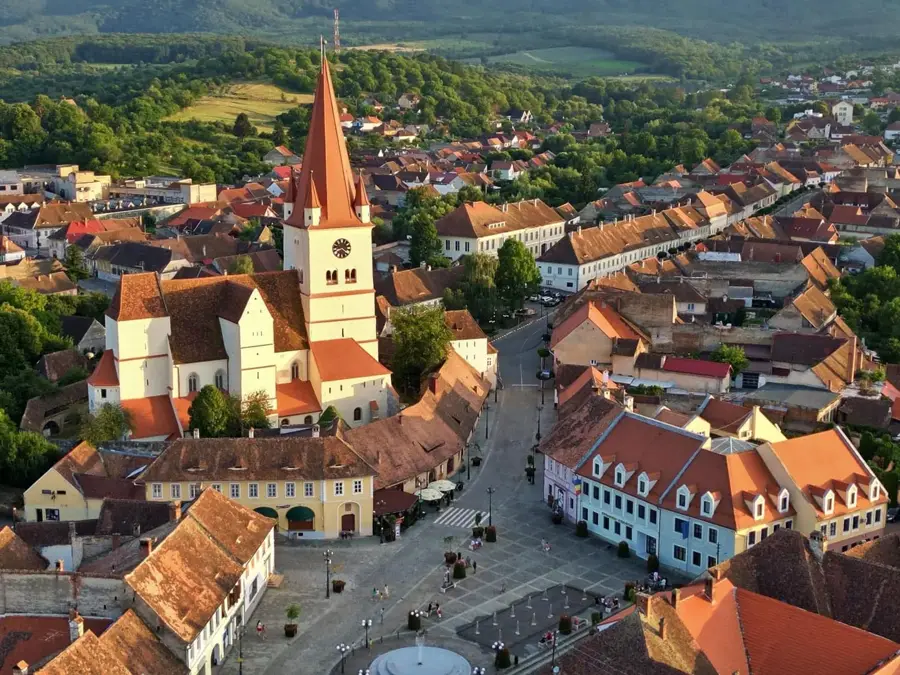
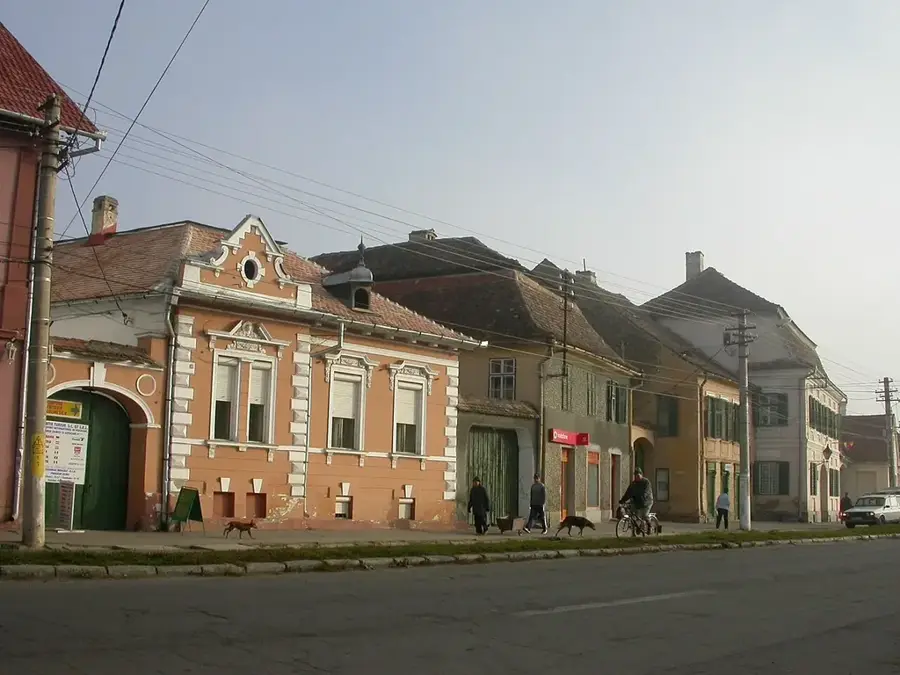
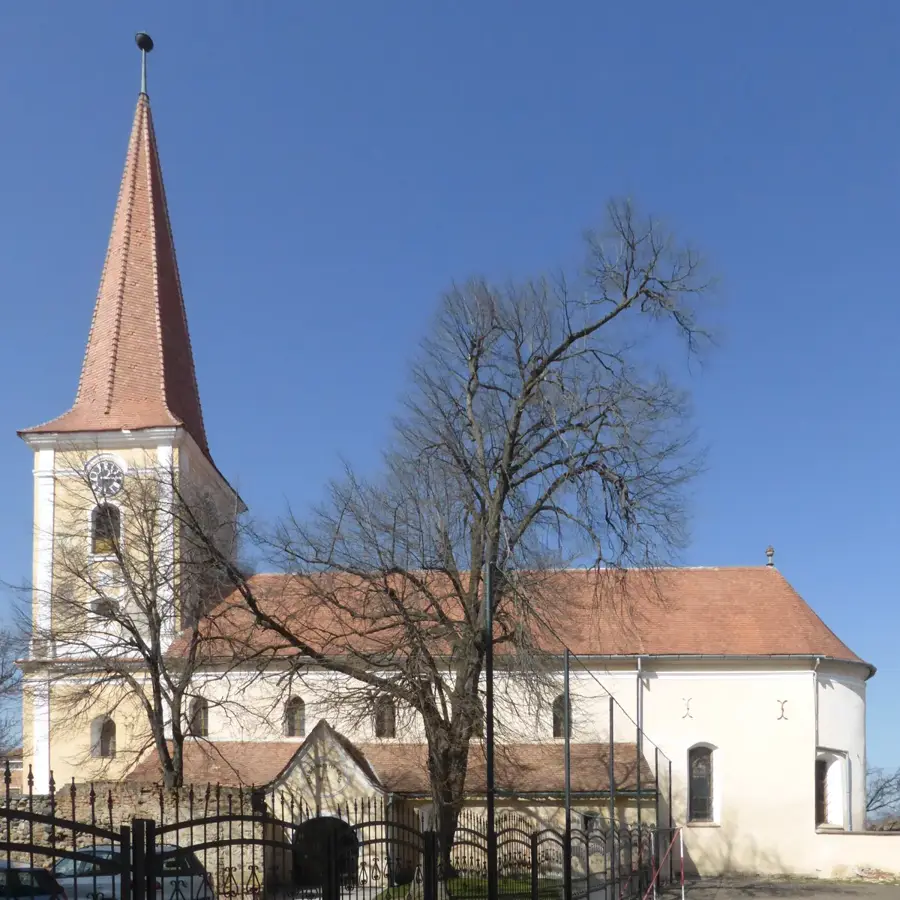
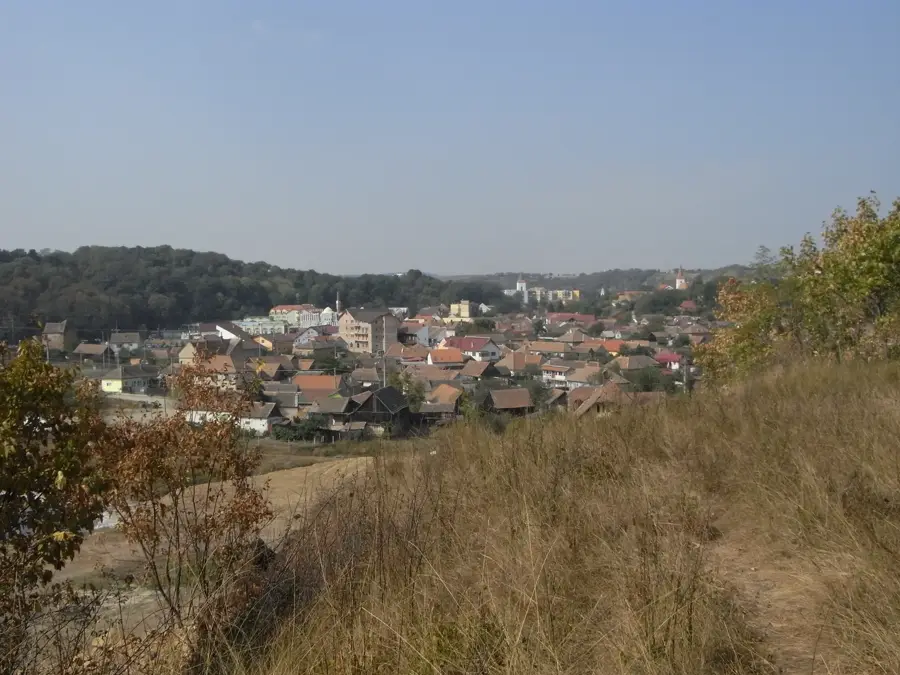
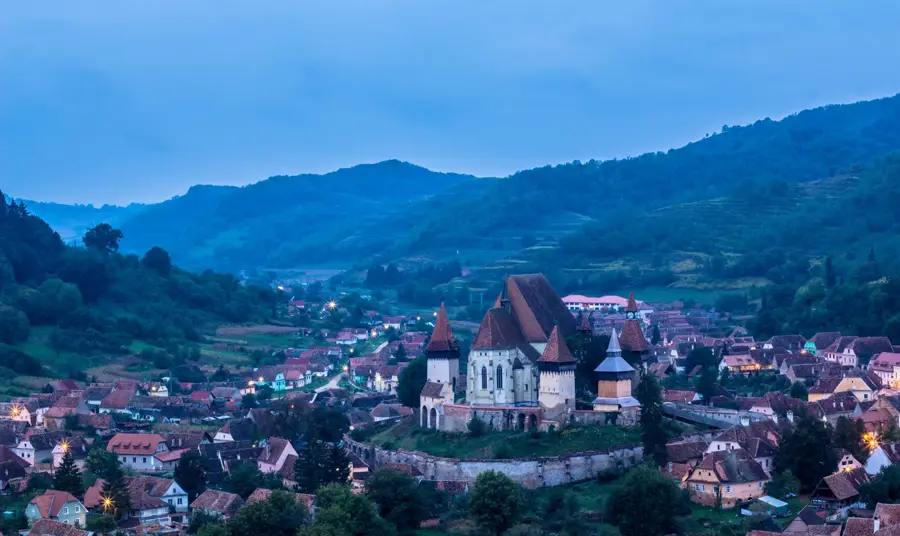
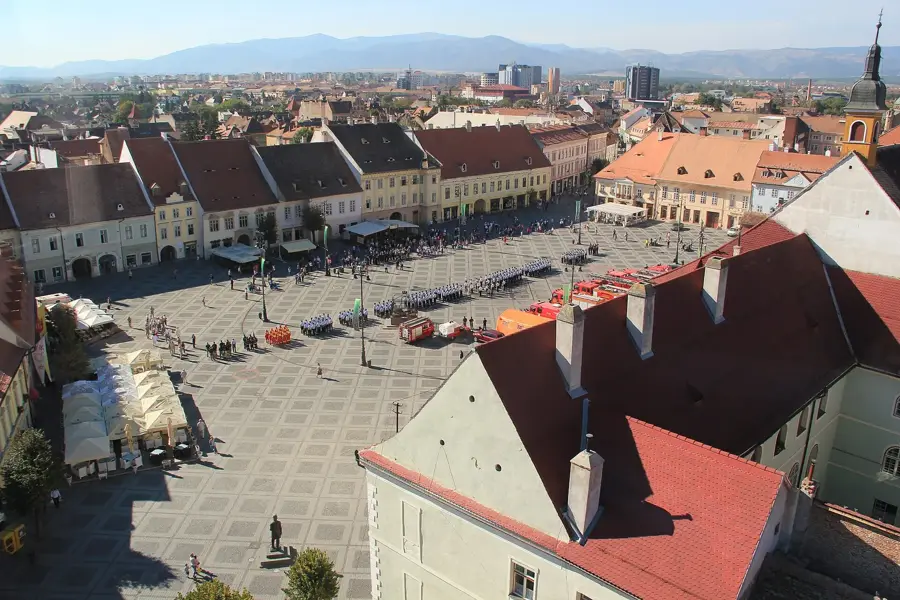
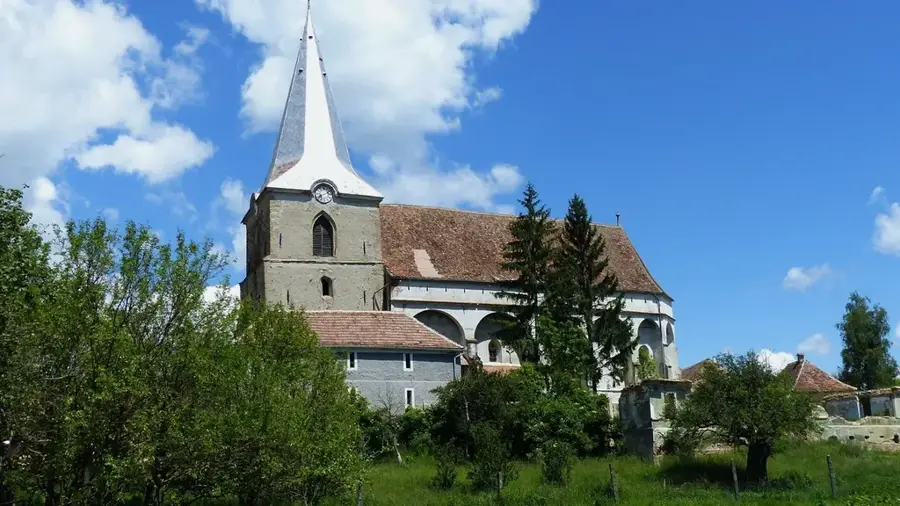
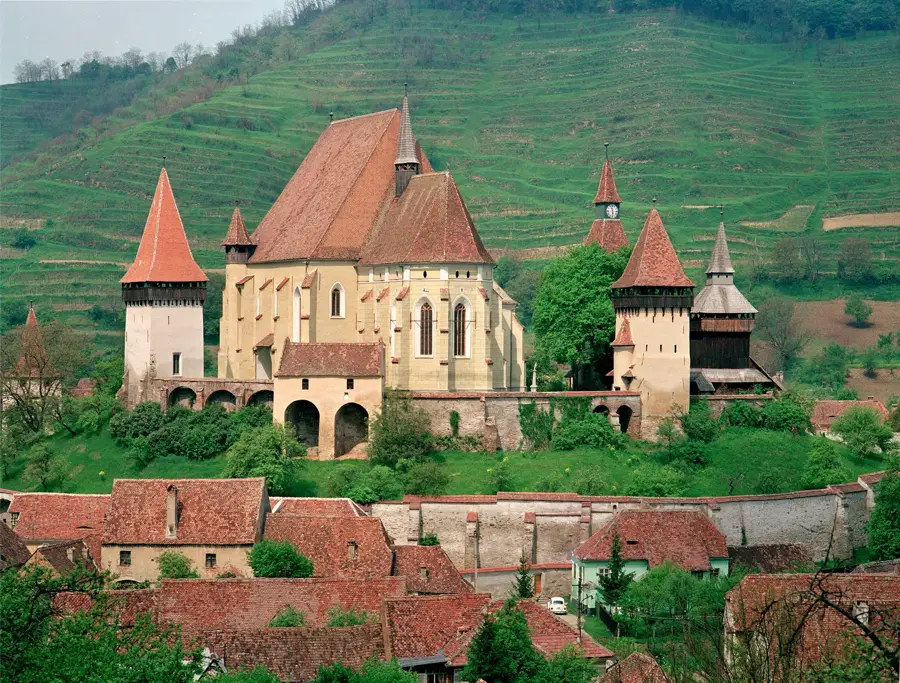
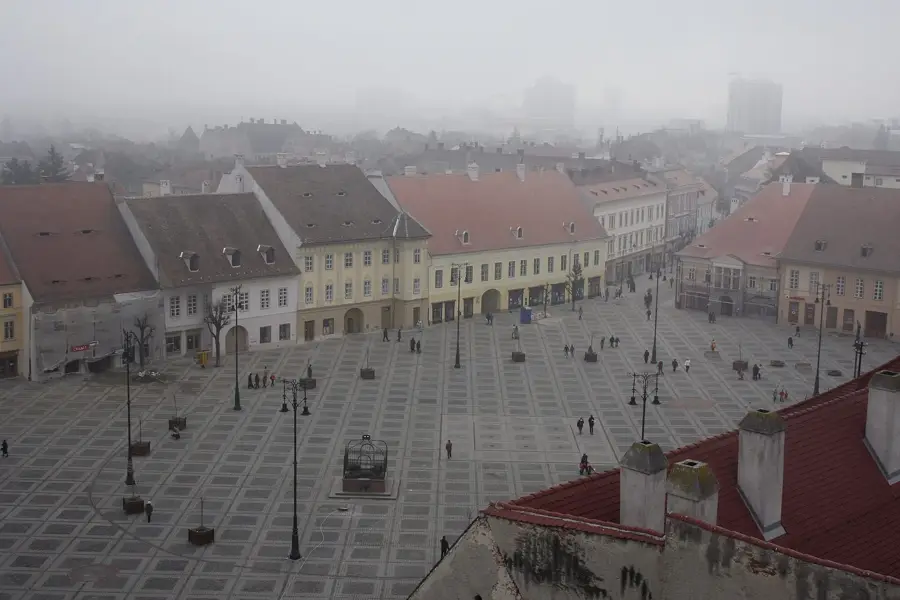
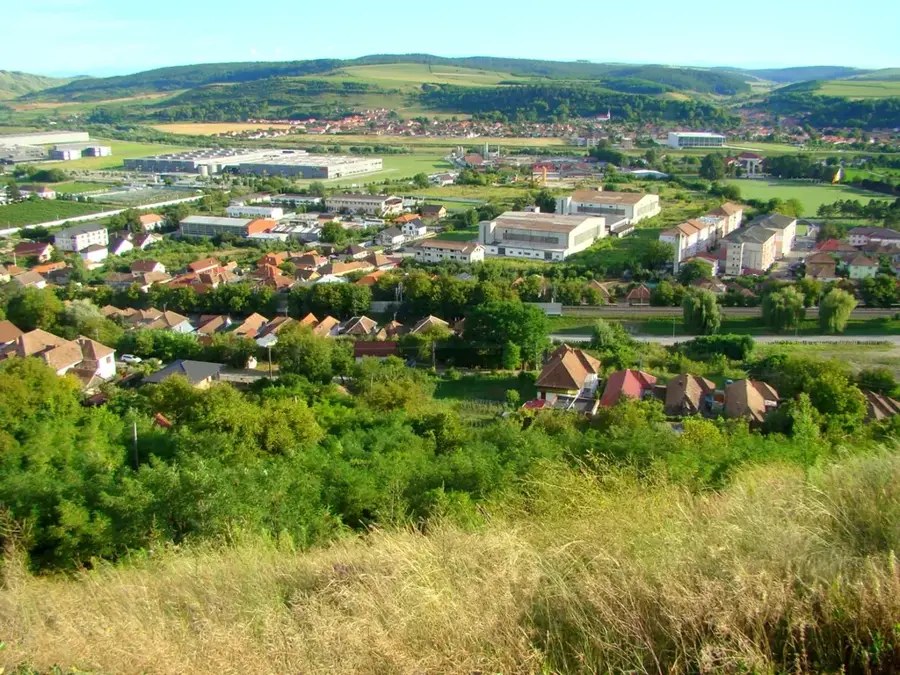
Mediaș, located in the Transylvanian Basin on the Târnava Mare River, is one of the oldest and best-preserved cities in Romania. Founded in the 13th century by Transylvanian Saxons, the city maintains a medieval core with impressive fortifications to this day. The landmark of the city is St. Margaret's Church, featuring its distinctive leaning tower, known as the Trumpeters' Tower. Mediaș evolved into the center of the Romanian natural gas industry in the early 20th century after the first gas field was discovered nearby in 1909. Today, the city hosts the headquarters of Romgaz and Transgaz, earning it the nickname 'Capital of Natural Gas'. Culturally, Mediaș is shaped by the heritage of Saxons, Romanians, and Hungarians, reflected in its architecture and local traditions. The city's surroundings are also renowned for viticulture in the Târnava wine region.
Explore on the map
Find cities, landscapes and regions in 10 varied challenges on the interactive map.
Your journey, your memory
Turn your own photo into a personal postcard with a local stamp. Free and no sign-up required.
Create a postcardThe most pleasant time to visit is Jul–Sep.
| Jan | Feb | Mar | Apr | May | Jun | Jul | Aug | Sep | Oct | Nov | Dec | |
|---|---|---|---|---|---|---|---|---|---|---|---|---|
| Avg °C | -3 | -1 | 4 | 10 | 15 | 19 | 21 | 21 | 16 | 10 | 5 | -1 |
| Rain mm | 33 | 31 | 41 | 56 | 85 | 107 | 95 | 71 | 54 | 52 | 39 | 36 |
Notable places around
Where do you start? We build the route here, with stops and country notes along the way.
© OpenStreetMap contributors · OpenRouteService
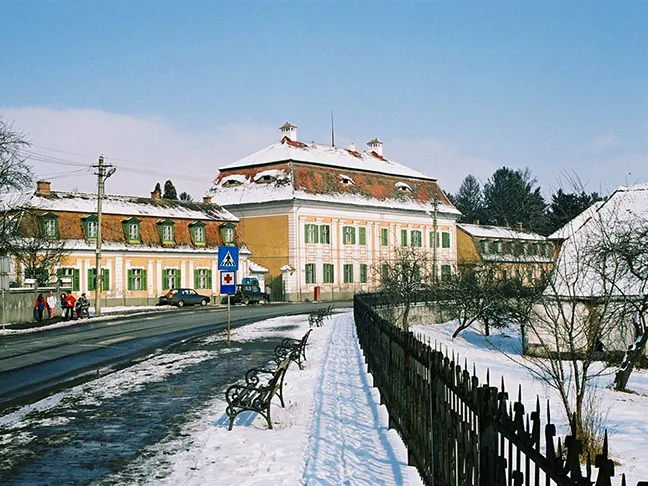
Start your day in the fortified heart of Mediaș. Spend the morning at St. Margaret's Church and the iconic Trumpeters' Tower. At noon, explore the Saxon architecture around Schuller House. The afternoon is perfect for the Municipal Museum and a walk along the medieval walls. End your tour visiting the Synagogue and the Franciscan Church.
Discover Mediaș on two wheels. This tour connects the historic towers and churches of the center with the outer sections of the city walls. By bike, you can quickly reach more distant spots like the Synagogue. The flat city center is ideal for a relaxed ride through centuries of Saxon history.
By car, you can comfortably visit the most important clusters of Mediaș. Start in the historic core around the fortified church. Then drive to the Municipal Museum, located in an old monastery. End your tour at the massive towers of the southern wall and the Synagogue, reaching them directly without long walks.
Housed in the former Franciscan monastery, it displays rich collections reflecting local history and ethnography.
This specialized museum in Mediaș documents the history of natural gas extraction in Romania.