Plizio Visual Lab
Tawahka Asangni Biosphere Reserve

Weather…
Water temperature…
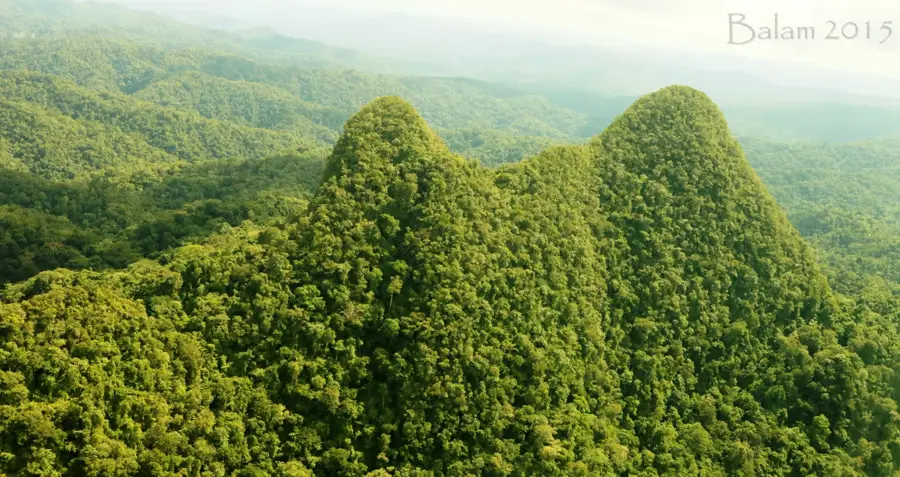
The Tawahka Asangni Biosphere Reserve in eastern Honduras is a cornerstone of the Mesoamerican Biological Corridor. It protects not only vast tracts of dense tropical rainforest but also the ancestral lands of the indigenous Tawahka people. Bordering the famous Río Plátano Biosphere Reserve and Patuca National Park, it forms part of one of the largest contiguous forest areas in Central America. The mighty Patuca River flows through the heart of the reserve, serving as the sole transportation route for its remote communities. The region is celebrated for its incredible biodiversity, sheltering species like the harpy eagle and jaguar. This reserve stands as a model for integrating cultural heritage with environmental conservation.
Explore on the map
How well do you know Honduras?
Find cities, landscapes and regions in 10 varied challenges on the interactive map.
Your journey, your memory
A postcard from Tawahka Asangni Biosphere Reserve
Turn your own photo into a personal postcard with a local stamp. Free and no sign-up required.
Create a postcard- Location: Honduras
- Nearby: Balfate (71 km)
Best time to visit & climate
The most pleasant time to visit is Jan–Mar.
| Jan | Feb | Mar | Apr | May | Jun | Jul | Aug | Sep | Oct | Nov | Dec | |
|---|---|---|---|---|---|---|---|---|---|---|---|---|
| Avg °C | 22 | 23 | 24 | 26 | 27 | 26 | 25 | 25 | 25 | 25 | 23 | 23 |
| Rain mm | 114 | 73 | 52 | 47 | 118 | 187 | 185 | 171 | 144 | 277 | 224 | 143 |
📋 Practical info
Geography
Facts
- The reserve encompasses an area of approximately 2,330 km².
- It was officially established in 1999.
- The Patuca River is the second longest in Central America.
- The Tawahka are among the smallest indigenous groups in Honduras.
- The area contains vast tracts of primary, virgin rainforest.
- Key component of the 'Heart of the Corridor' conservation project.
Explore nearby
Notable places around
Route planner — Car & Motorhome
Where do you start? We build the route here, with stops and country notes along the way.
© OpenStreetMap contributors · OpenRouteService
Sights nearby
Frequently asked questions
Where is the Tawahka Asangni Reserve located?
Which indigenous group lives there?
How do you reach the reserve?
Is there any tourist infrastructure there?
Is a guide mandatory?
Tawahka Asangni Biosphere Reserve: where is it located?
Tawahka Asangni Biosphere Reserve: when is the best time to visit?
Tawahka Asangni Biosphere Reserve: why is it worth visiting?

Nearby cities