Plizio Visual Lab
Sico Tinto River
Weather…
Water temperature…
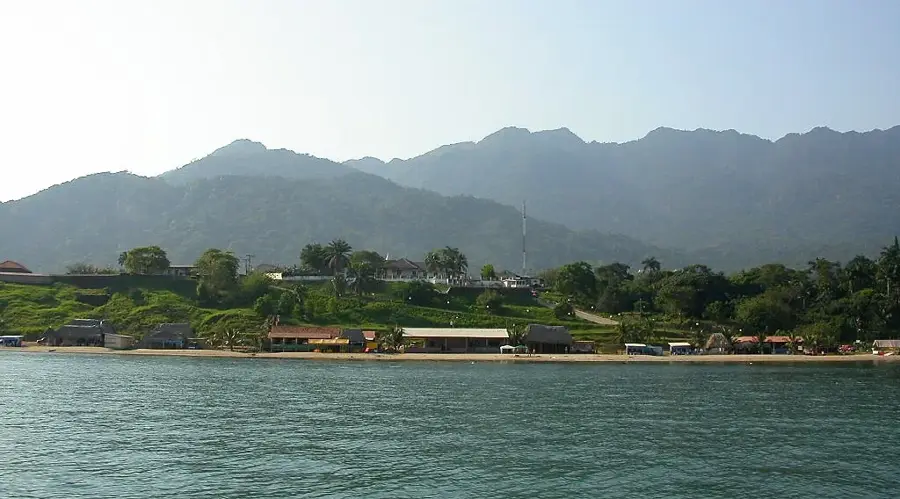
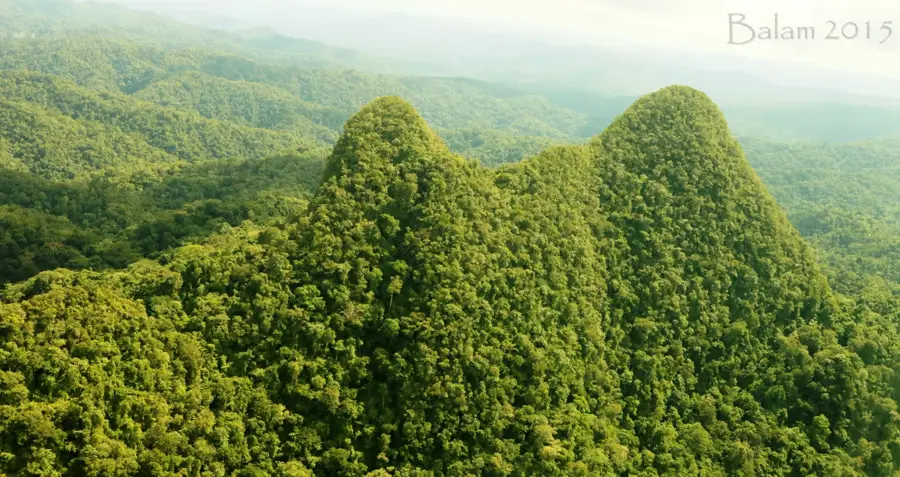
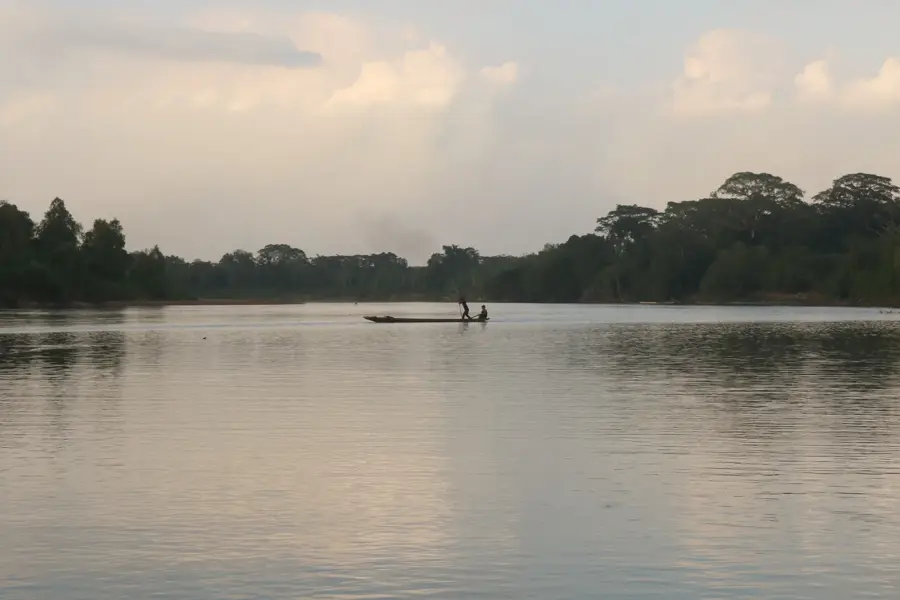
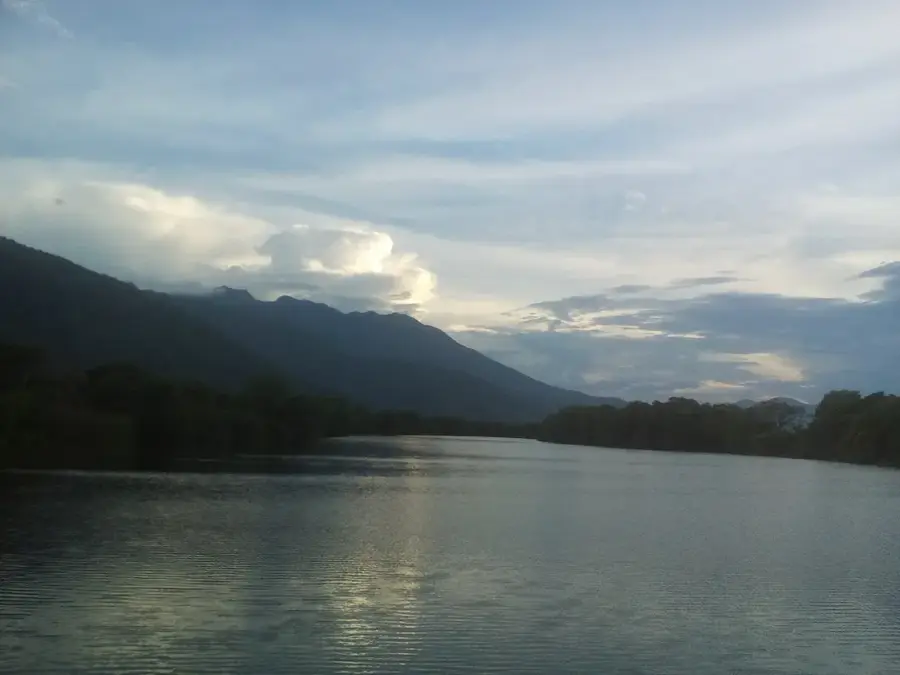
The Sico Tinto River, frequently referred to as the Río Negro or Río Tinto, is a wild and remote waterway in eastern Honduras. Rising in the mountains of Olancho, it carves its way through the pristine rainforests of the Mosquitia region before reaching the Caribbean Sea. The river is celebrated for its lush surroundings and is a critical habitat for Baird's tapirs, crocodiles, and an array of rare bird species. For the indigenous communities along its banks, the river is the primary lifeline, providing the only feasible means of transportation through the dense jungle. Flowing partially through the Río Plátano Biosphere Reserve, the Sico Tinto is an emblem of Honduras' enduring wilderness. Its remote nature makes it one of the least explored rivers in Central America.
Explore on the map
How well do you know Honduras?
Find cities, landscapes and regions in 10 varied challenges on the interactive map.
Your journey, your memory
A postcard from Sico Tinto River
Turn your own photo into a personal postcard with a local stamp. Free and no sign-up required.
Create a postcard- Location: Honduras
- Nearby: Iriona (9 km)
Best time to visit & climate
The most pleasant time to visit is Feb–Apr.
| Jan | Feb | Mar | Apr | May | Jun | Jul | Aug | Sep | Oct | Nov | Dec | |
|---|---|---|---|---|---|---|---|---|---|---|---|---|
| Avg °C | 25 | 25 | 26 | 27 | 28 | 27 | 27 | 27 | 28 | 27 | 26 | 25 |
| Rain mm | 183 | 112 | 77 | 62 | 140 | 248 | 258 | 231 | 206 | 395 | 352 | 229 |
📋 Practical info
Geography
Facts
- The river has a total length of approximately 215 km.
- It empties into the Brus Lagoon on the Caribbean coast.
- Historically served as a hideout for smugglers and pirates.
- Supports a significant population of American crocodiles.
- Its upper reaches are defined by challenging white-water rapids.
- Part of the Río Plátano Biosphere Reserve, a UNESCO World Heritage site.
Explore nearby
Notable places around
Route planner — Car & Motorhome
Where do you start? We build the route here, with stops and country notes along the way.
© OpenStreetMap contributors · OpenRouteService
Sights in the town Sico Tinto River (1)
Sights nearby
Frequently asked questions
Why does the river have two names?
Which region does it flow through?
Is the river suitable for adventure travel?
How is the access to the river?
What can you see on the banks?
Sico Tinto River: where is it located?
Sico Tinto River: when is the best time to visit?
Sico Tinto River: why is it worth visiting?

Nearby cities
History & landmarks
Nature
More places