Plizio Visual Lab
Fort La Crête
Weather…
Water temperature…
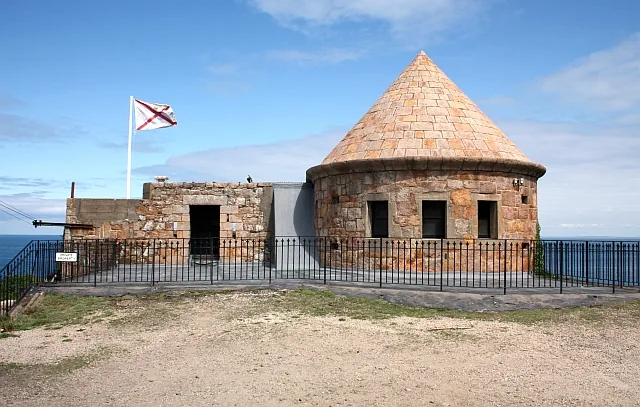
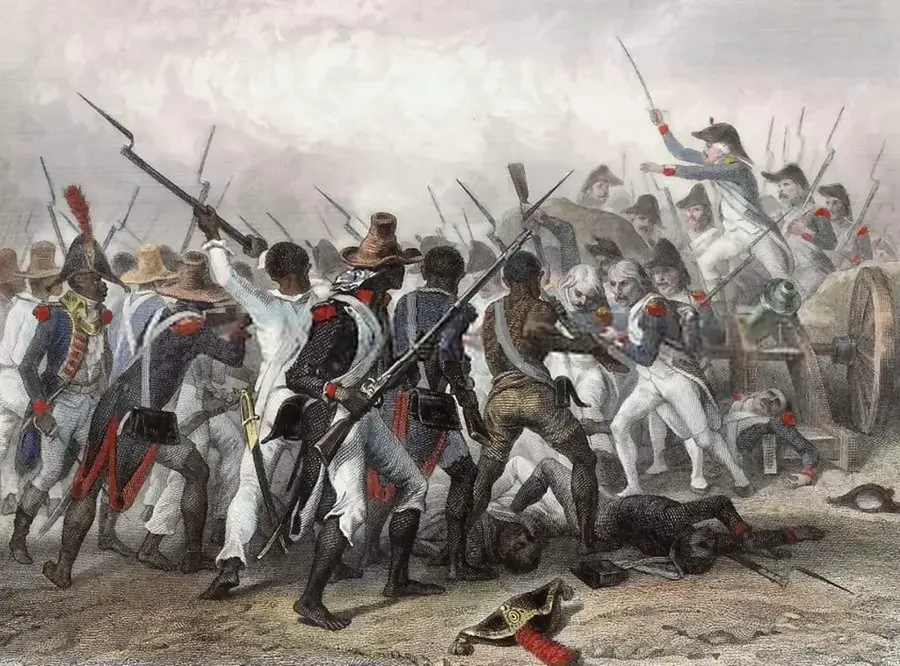
Fort La Crête is a historic fortification closely tied to the defense of Haiti's West Department in the late 18th and early 19th centuries. The fort was constructed at a strategic pass to control the movements of enemy troops between the coast and the interior. Its architecture is characterized by the clever utilization of the terrain, with natural rock formations integrated into the defensive ramparts. During the Haitian Revolution, the fort played a decisive role in delaying the advance of the French expeditionary forces under General Leclerc in 1802. The battles for this position were often prolonged and resulted in heavy casualties, underscoring the determination of the Haitian independence fighters. Today, the ruins of Fort La Crête serve as a memorial to the military sacrifices made for the country's freedom and offer visitors deep insight into the partisan warfare tactics of that era.
Explore on the map
How well do you know Haiti?
Find cities, landscapes and regions in 10 varied challenges on the interactive map.
Your journey, your memory
A postcard from Fort La Crête
Turn your own photo into a personal postcard with a local stamp. Free and no sign-up required.
Create a postcard- Location: Haiti
- Nearby: Gonaïves (37 km)
Best time to visit & climate
The most pleasant time to visit is Jan, Feb, Dec.
| Jan | Feb | Mar | Apr | May | Jun | Jul | Aug | Sep | Oct | Nov | Dec | |
|---|---|---|---|---|---|---|---|---|---|---|---|---|
| Avg °C | 25 | 25 | 26 | 27 | 28 | 29 | 29 | 29 | 28 | 27 | 26 | 25 |
| Rain mm | 25 | 18 | 24 | 35 | 60 | 39 | 34 | 56 | 48 | 73 | 60 | 29 |
📋 Practical info
Geography
Facts
- The fort was originally reinforced in 1780 for border security.
- It controlled access to the fertile valley of the Artibonite River.
- In 1802, the fort withstood a two-week siege.
- The walls reach a thickness of two meters in some places.
- It featured an underground system for rainwater storage.
- The fort was abandoned as a military outpost after 1820.
Explore nearby
Notable places around

Route planner — Car & Motorhome
Where do you start? We build the route here, with stops and country notes along the way.
© OpenStreetMap contributors · OpenRouteService
Sights nearby
Frequently asked questions
Is Fort La Crête safe for tourists?
Are there dining options nearby?
Is the site accessible for wheelchair users?
Which is the best season to visit?
Can cannons be seen in the fort?
Fort La Crête: where is it located?
Fort La Crête: when is the best time to visit?
Fort La Crête: why is it worth visiting?

Nearby cities
History & landmarks


Nature
More places