Plizio Visual Lab
Battle of Puerto Caballos
Weather…
Water temperature…
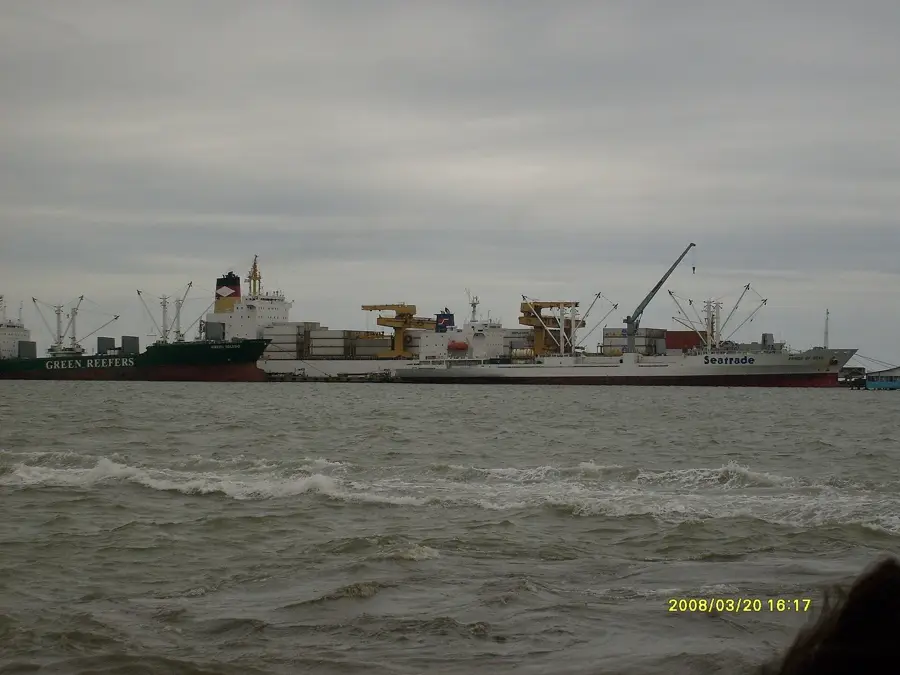
The Battle of Puerto Caballos in 1603 was a significant naval and land engagement on the Caribbean coast of modern-day Honduras, then part of the Captaincy General of Guatemala. Spanish defenders, commanded by Juan de Monasterio, faced a large-scale assault by English and Dutch pirates intent on plundering the strategic port. Puerto Caballos served as a vital transit point for silver and other commodities from the interior, making it a lucrative target for privateers. Despite stubborn resistance, the pirates succeeded in capturing and burning the town, underscoring the vulnerability of Spanish colonial maritime centers. This event forced the Spanish Crown to re-evaluate its regional defense strategies, eventually leading to the relocation of port operations to the more defensible site of Omoa. The battle exemplifies the ongoing struggle between European powers for dominance and wealth in the New World during the 17th century.
Explore on the map
How well do you know Guatemala?
Find cities, landscapes and regions in 10 varied challenges on the interactive map.
Your journey, your memory
A postcard from Battle of Puerto Caballos
Turn your own photo into a personal postcard with a local stamp. Free and no sign-up required.
Create a postcard- Location: Guatemala
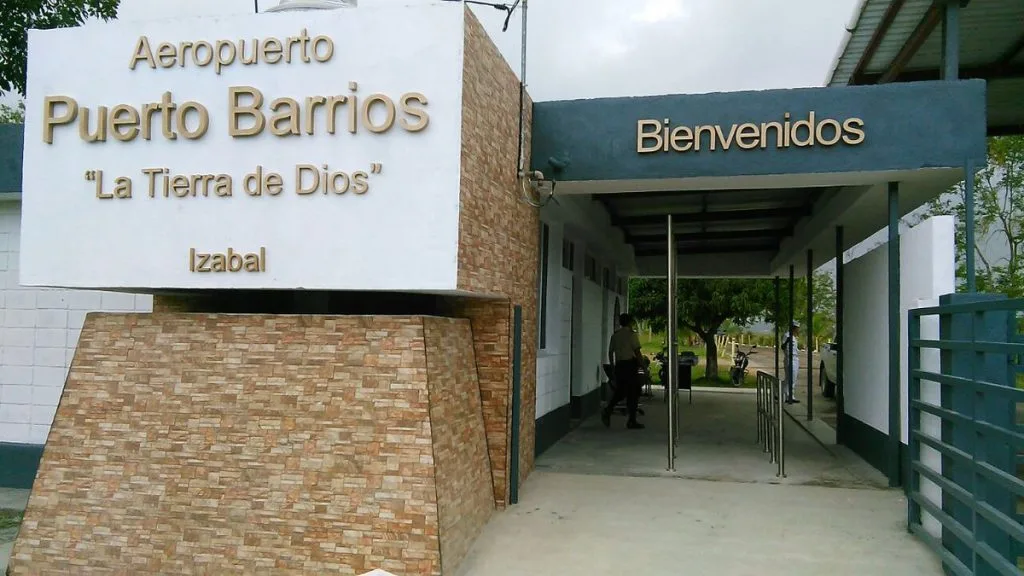
- Highlights: Santo Tomás de Castilla · Puerto Barrios · Apostolic Vicariate of Izabal
- Nearby: Río Dulce (30 km)
Best time to visit & climate
The most pleasant time to visit is Jan–Mar.
| Jan | Feb | Mar | Apr | May | Jun | Jul | Aug | Sep | Oct | Nov | Dec | |
|---|---|---|---|---|---|---|---|---|---|---|---|---|
| Avg °C | 22 | 23 | 24 | 26 | 27 | 26 | 25 | 25 | 25 | 24 | 23 | 22 |
| Rain mm | 105 | 78 | 61 | 51 | 127 | 214 | 188 | 195 | 227 | 205 | 174 | 113 |
📋 Practical info
Geography
Facts
- The pirate fleet consisted of eight ships and over 800 armed men.
- Christopher Newport was one of the primary English captains involved.
- Puerto Caballos was nearly abandoned in 1605 due to frequent raids.
- The name 'Puerto Caballos' originates from horses cast overboard in 1524.
- Spanish forces relied on a single small fortification named San Juan for defense.
- The plundering of the town lasted several days before the pirates retreated.
Explore nearby
Notable places around
Route planner — Car & Motorhome
Where do you start? We build the route here, with stops and country notes along the way.
© OpenStreetMap contributors · OpenRouteService
Sights in the town Battle of Puerto Caballos (3)
Sights nearby
Frequently asked questions
What was the Battle of Puerto Caballos?
Where did it take place?
Who was Christopher Newport?
Why was the port so important?
Are there museums there today?
Battle of Puerto Caballos: where is it located?
Battle of Puerto Caballos: what is there to see?
Battle of Puerto Caballos: when is the best time to visit?
Battle of Puerto Caballos: why is it worth visiting?

Nearby cities
Nature
More places