Plizio Visual Lab
Liberal Revolution of 1871

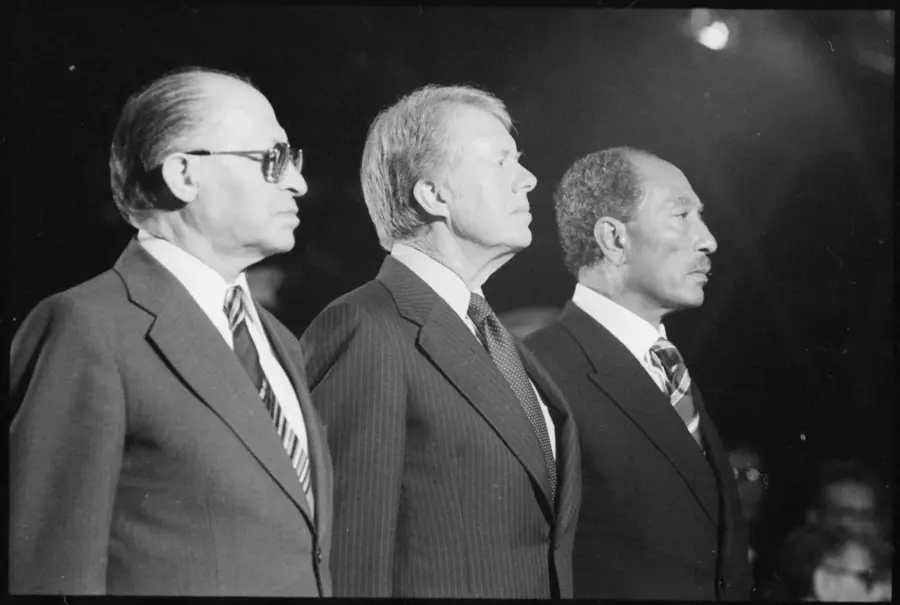
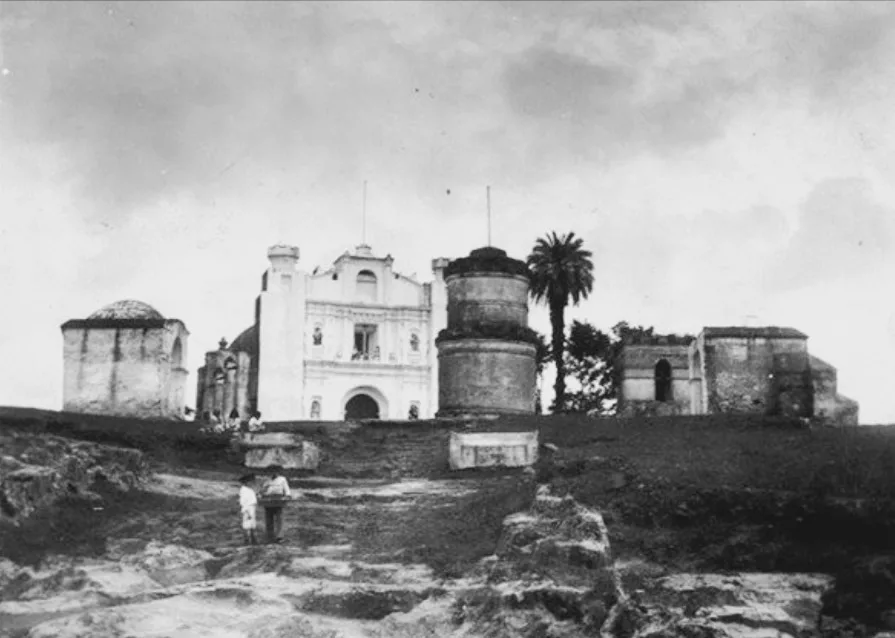
The Liberal Revolution of 1871 was a defining moment in Guatemalan history, marking the overthrow of Vicente Cerna's conservative regime by forces led by Miguel García Granados and Justo Rufino Barrios. Starting their campaign from Chiapas, Mexico, the revolutionaries marched victoriously into the capital, ending decades of conservative rule. This movement sought to modernize the nation through secularization, infrastructure expansion, and the promotion of coffee exports as the economic backbone. Radical reforms included the expropriation of church lands, the introduction of civil marriage, and the strict separation of church and state. While the revolution fostered economic growth for the elite, it also led to the systemic marginalization of indigenous populations through forced labor practices. The legacy of this upheaval deeply influenced Guatemala's political and social landscape well into the 20th century.
Explore on the map
How well do you know Guatemala?
Find cities, landscapes and regions in 10 varied challenges on the interactive map.
Your journey, your memory
A postcard from Liberal Revolution of 1871
Turn your own photo into a personal postcard with a local stamp. Free and no sign-up required.
Create a postcard- Location: Guatemala
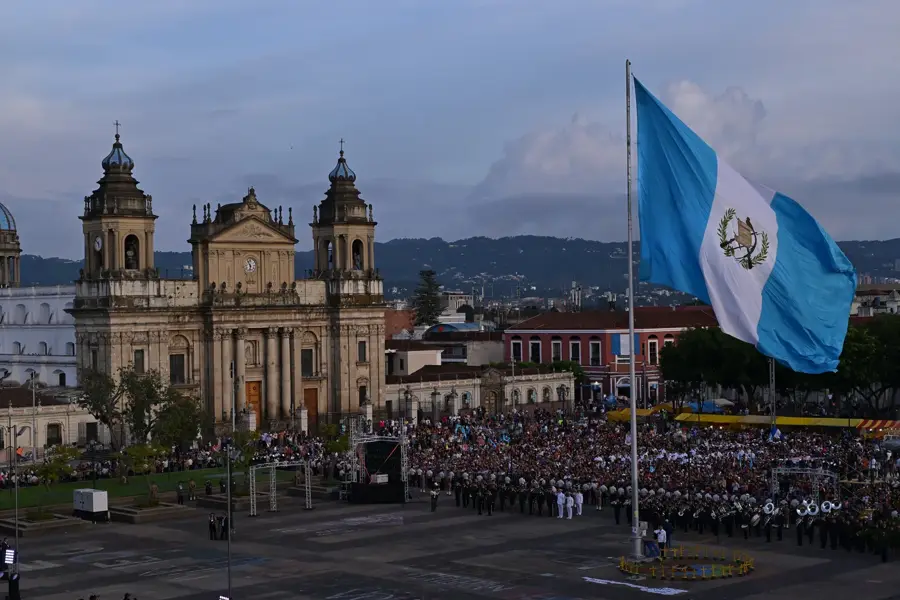
- Highlights: Guatemalan National History Museum · Cathedral of Guatemala City · Archdiocese of Santiago de Guatemala
- Nearby: Santa Catarina Pinula (7 km)
Best time to visit & climate
The most pleasant time to visit is Jan–Mar.
| Jan | Feb | Mar | Apr | May | Jun | Jul | Aug | Sep | Oct | Nov | Dec | |
|---|---|---|---|---|---|---|---|---|---|---|---|---|
| Avg °C | 19 | 21 | 22 | 23 | 23 | 22 | 21 | 21 | 21 | 20 | 19 | 19 |
| Rain mm | 5 | 7 | 12 | 41 | 163 | 225 | 172 | 223 | 243 | 191 | 43 | 8 |
📋 Practical info
Geography
Facts
- The decisive battle of the revolution occurred on June 30, 1871.
- Miguel García Granados served as the first provisional president.
- Justo Rufino Barrios was known as the movement's radical 'Reformer'.
- The revolution ended the political supremacy of the Catholic Church.
- Coffee became the primary export commodity following the reforms.
- The current design of the Guatemalan flag was established in 1871.
Explore nearby
Notable places around

Route planner — Car & Motorhome
Where do you start? We build the route here, with stops and country notes along the way.
© OpenStreetMap contributors · OpenRouteService
Sights in the town Liberal Revolution of 1871 (3)
Sights nearby
Frequently asked questions
What was the Liberal Revolution of 1871?
Who were the main leaders?
What impact did it have on the church?
Where can monuments to this event be seen today?
Why was coffee important to this revolution?
Liberal Revolution of 1871: where is it located?
Liberal Revolution of 1871: what is there to see?
Liberal Revolution of 1871: when is the best time to visit?
Liberal Revolution of 1871: why is it worth visiting?
Nearby cities
History & landmarks
More places