Plizio Visual Lab
Lüneburg Heath
Weather…
Water temperature…
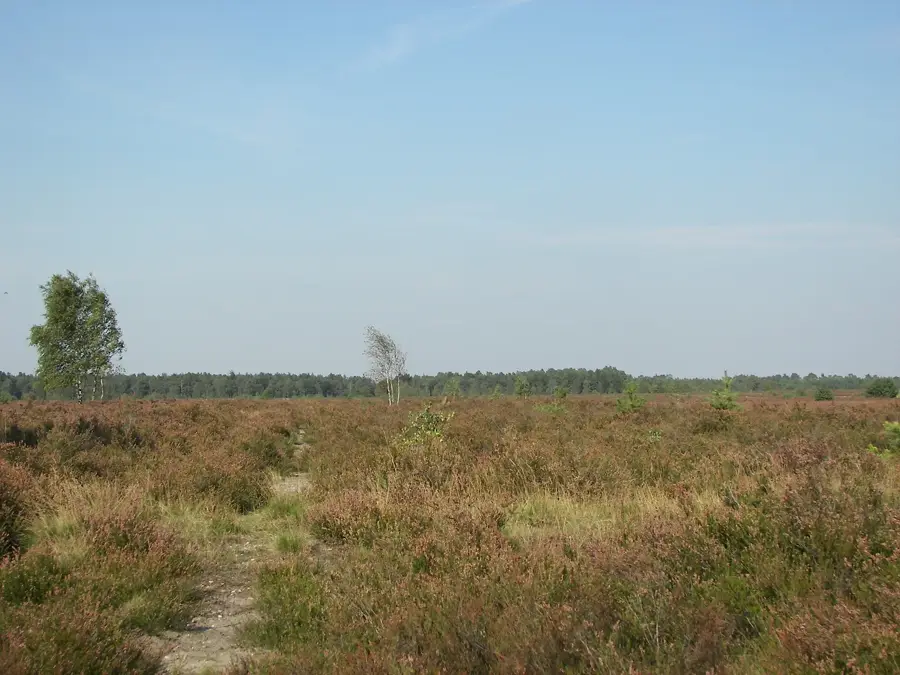
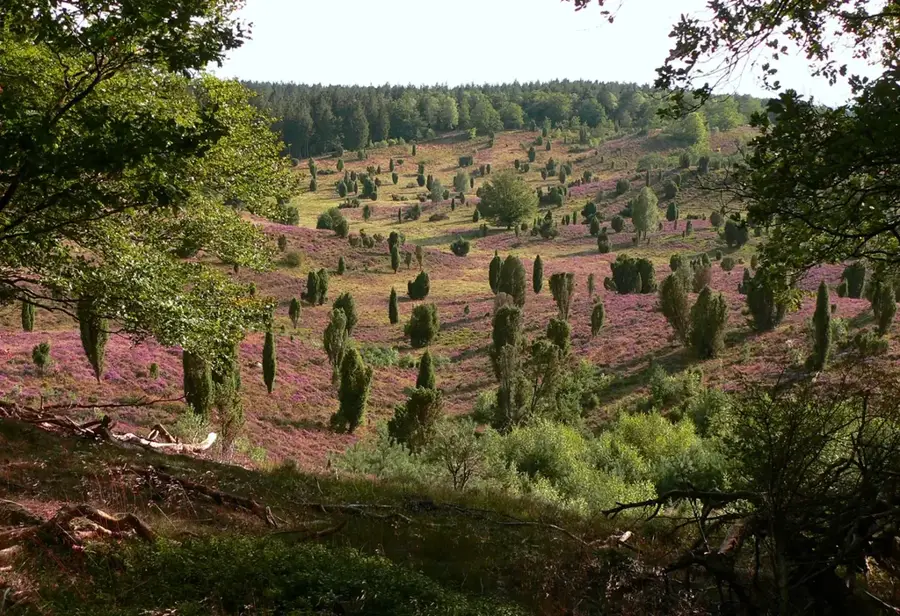
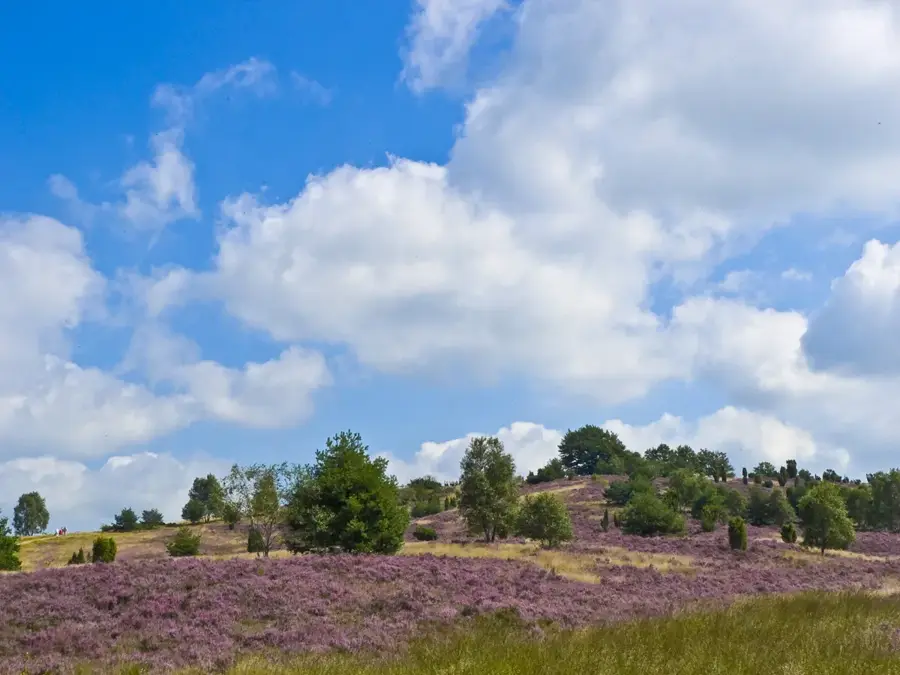
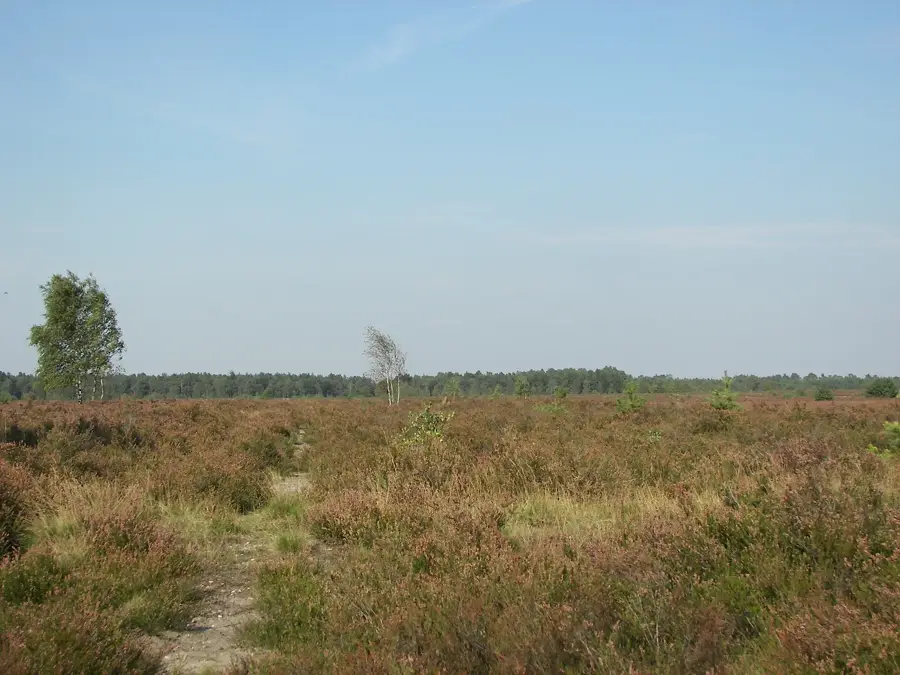
The Lüneburg Heath is a vast heathland and geest landscape in northeastern Lower Saxony, situated between the cities of Hamburg, Bremen, and Hanover. It acquired its current form primarily during the Weichselian glaciation through deposits of sand and glacial till. Originally, the area was forested, but intensive use during the Middle Ages, particularly for salt mining in Lüneburg, led to massive deforestation. The characteristic common heather spread across the nutrient-poor sandy soils and is maintained today through grazing by Heidschnucke sheep to prevent scrub growth. At 169 meters, Wilseder Berg is the highest elevation in the region, offering a wide view over the car-free nature reserve. The heather bloom in August and September attracts millions of visitors annually. In addition to its natural beauty, the region is known for its traditional half-timbered farmhouses and the historical significance of the salt city of Lüneburg. Today, the Lüneburg Heath is one of the oldest and largest nature parks in Germany.
Explore on the map
How well do you know Germany?
Find cities, landscapes and regions in 10 varied challenges on the interactive map.
Your journey, your memory
A postcard from Lüneburg Heath
Turn your own photo into a personal postcard with a local stamp. Free and no sign-up required.
Create a postcard- Location: Lower Saxony, Germany
- Highlights: Lopautal · Oberes Lopautal
- Nearby: Soltau (26 km)
Best time to visit & climate
The most pleasant time to visit is Jun–Aug.
| Jan | Feb | Mar | Apr | May | Jun | Jul | Aug | Sep | Oct | Nov | Dec | |
|---|---|---|---|---|---|---|---|---|---|---|---|---|
| Avg °C | 0 | 1 | 4 | 9 | 13 | 17 | 19 | 18 | 14 | 10 | 5 | 2 |
| Rain mm | 70 | 52 | 51 | 40 | 58 | 66 | 85 | 69 | 56 | 61 | 62 | 69 |
📋 Practical info
Geography
Facts
- The Lüneburg Heath nature reserve was established as early as 1921.
- Wilseder Berg is the highest elevation in the North German Plain at 169 m.
- About 10,000 Heidschnucke sheep currently maintain the heathlands through grazing.
- The heather bloom usually reaches its peak around August 8th each year.
- In the Middle Ages, wood from the area was used for the Lüneburg salt works.
- The region contains the largest contiguous heathland area in Central Europe.
Explore nearby
Notable places around

Route planner — Car & Motorhome
Where do you start? We build the route here, with stops and country notes along the way.
© OpenStreetMap contributors · OpenRouteService
Sights in the town Lüneburg Heath (2)
Sights nearby
Frequently asked questions
When does the Lüneburger Heide bloom?
How best to explore the heath?
Are there Heidschnucke sheep here?
What is the Wilseder Berg?
Is park entry free?
Lüneburg Heath: where is it located?
Lüneburg Heath: what is there to see?
Lüneburg Heath: when is the best time to visit?
Lüneburg Heath: why is it worth visiting?

Nearby cities