Yorick Thiede - Polygon
Comedian Yorick Thiede presents his 'Polygon' show at Salon Hansen. A night filled with dry humor and sharp-witted observations.
Plizio Visual Lab
Meat from a special breed of heath sheep, famous for its gamey flavor; look for it in traditional German restaurants.
A small smelt fish traditionally eaten in springtime (fried and eaten whole); highly popular in riverside taverns.
Regional potatoes from the heath, known for their excellent quality and served as a staple side dish.
Buy artisan salt products (like herb salts or bath salts) from local specialty shops or the Salt Museum as a great souvenir.
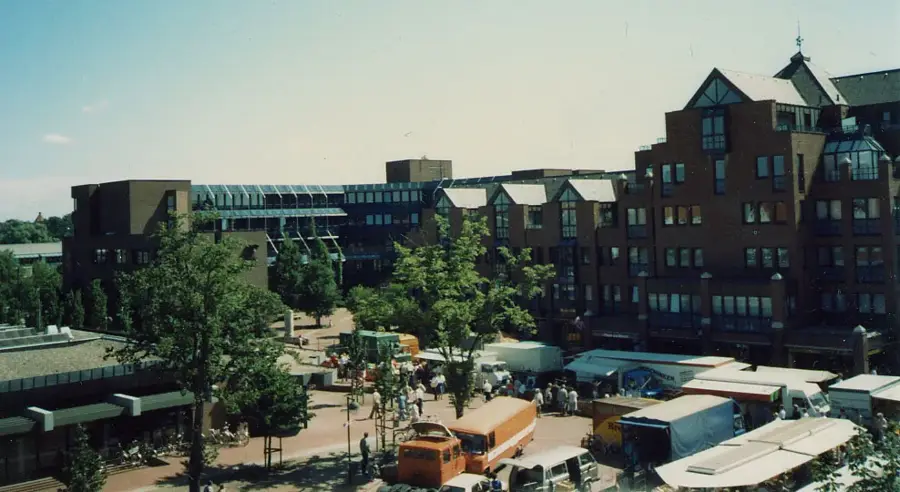
The historic central square is surrounded by grand merchant houses and has a variety of specialty shops.
A beautiful spa park styled like an English landscape garden, complete with a graduation tower for salty air.
A small limestone hill offering a peaceful short climb and a great panoramic view over the old town roofs.
Water temperature…
Comedian Yorick Thiede presents his 'Polygon' show at Salon Hansen. A night filled with dry humor and sharp-witted observations.
Two extraordinary voices live at the Lüneburg Summer of Culture. Enjoy soulful songs and great entertainment under the open sky.
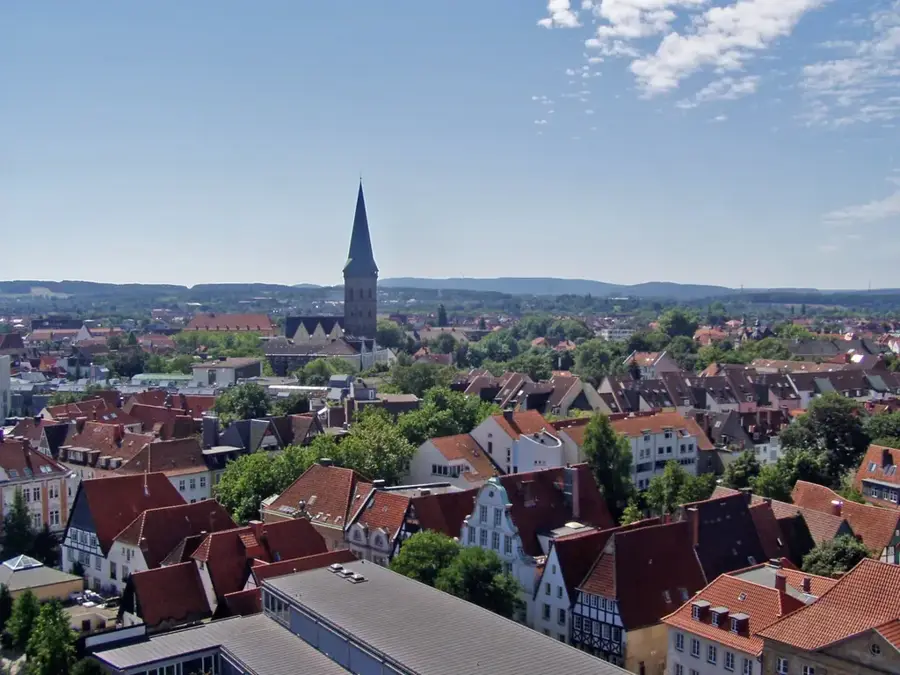
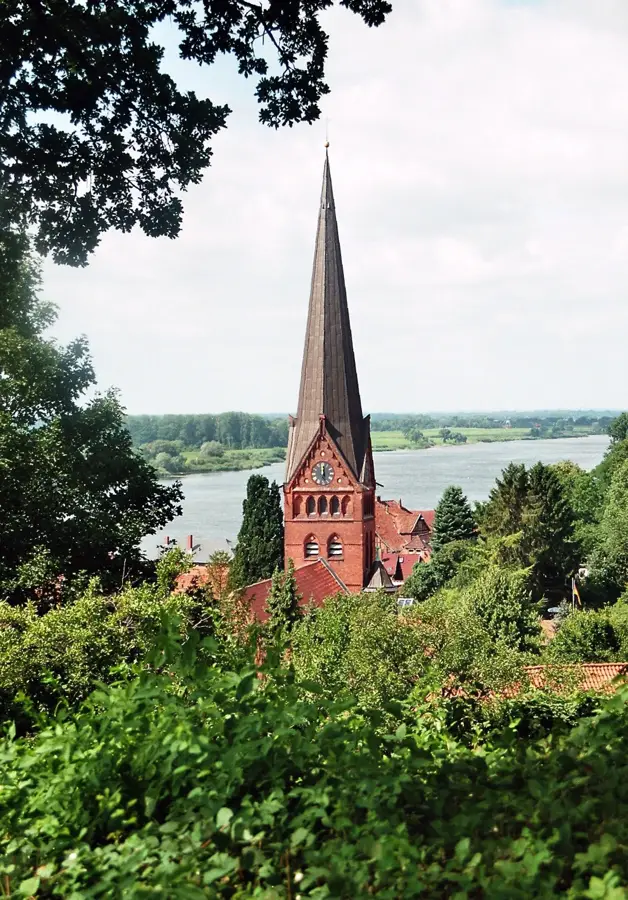
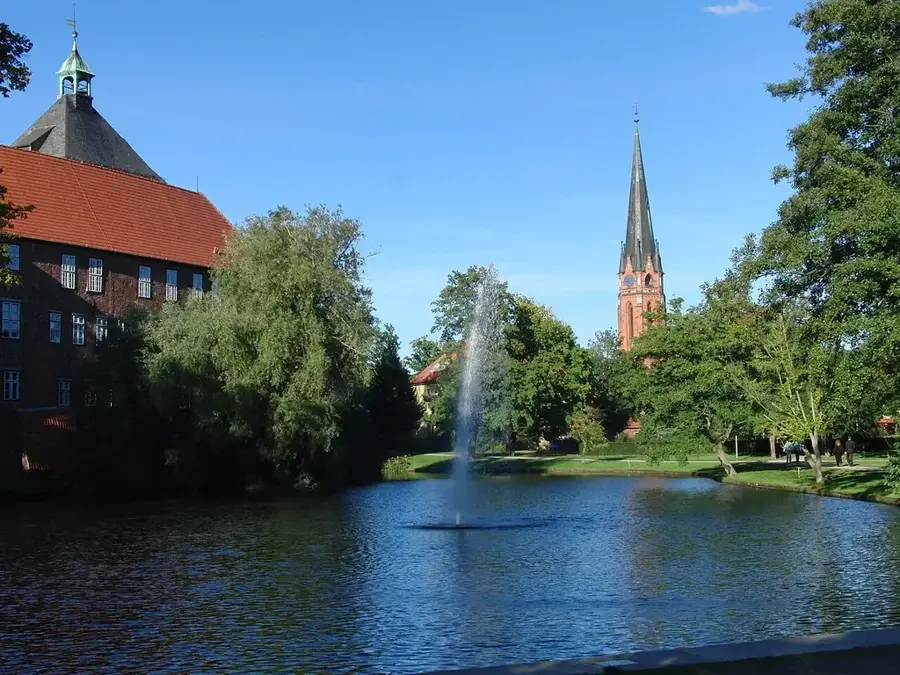
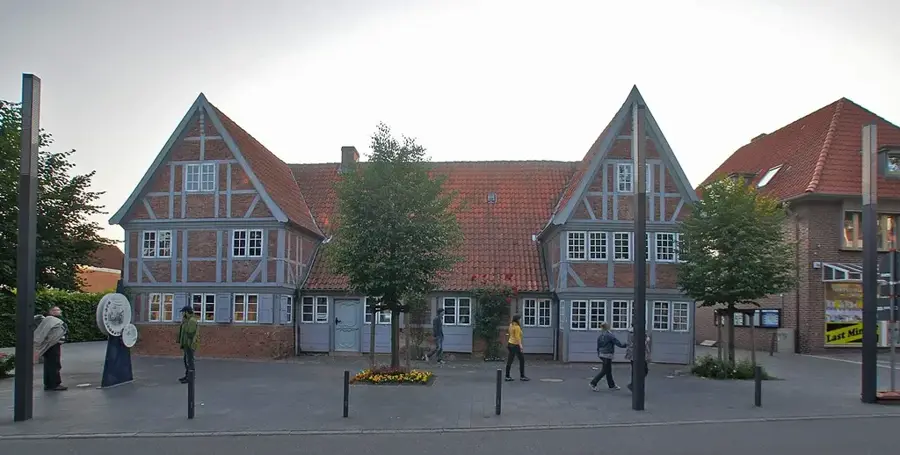
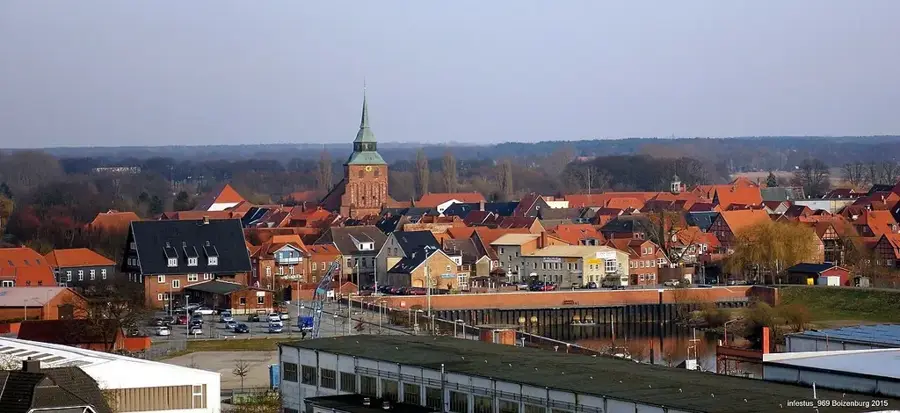
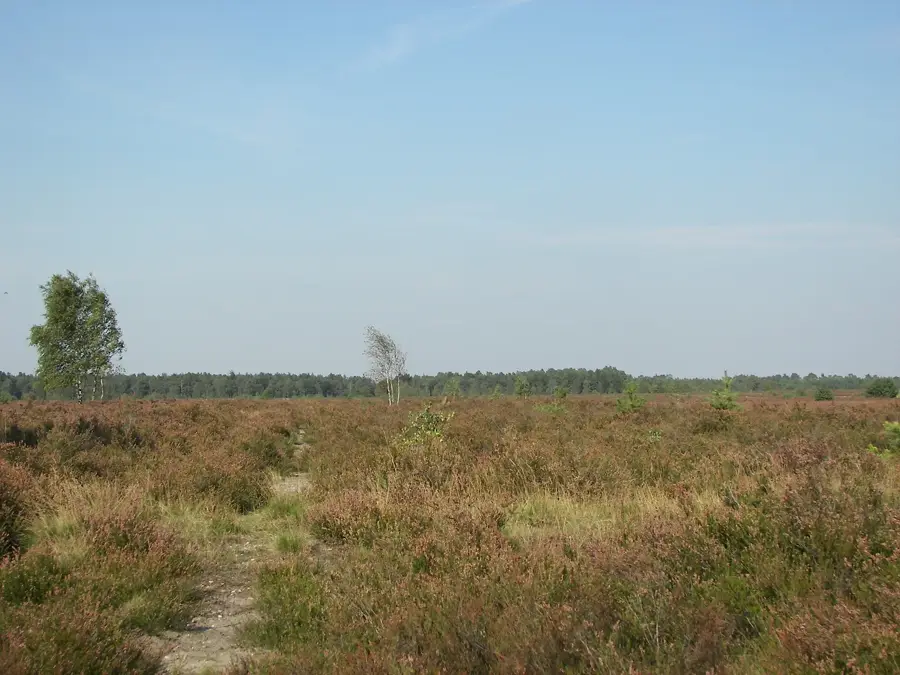
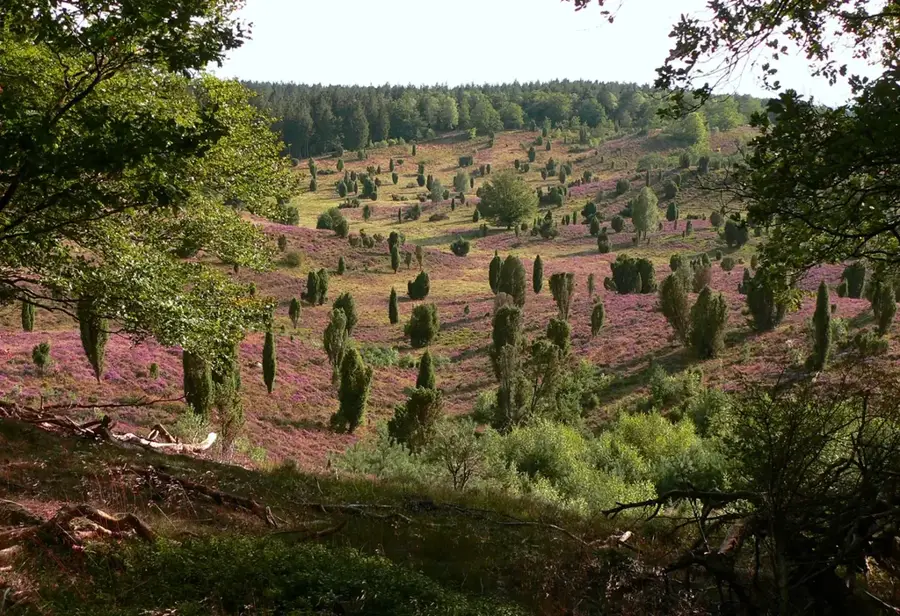
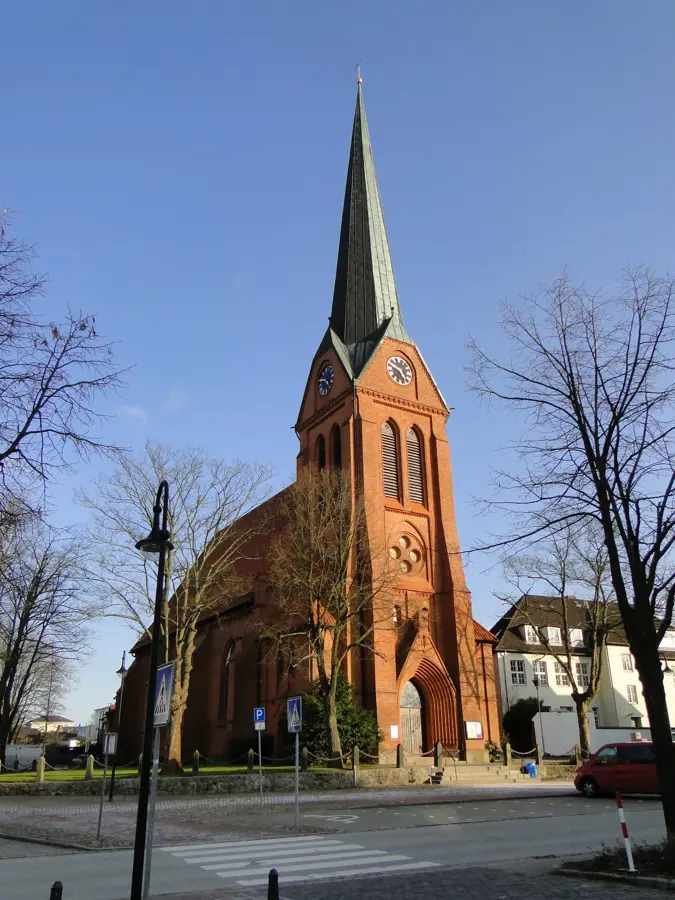
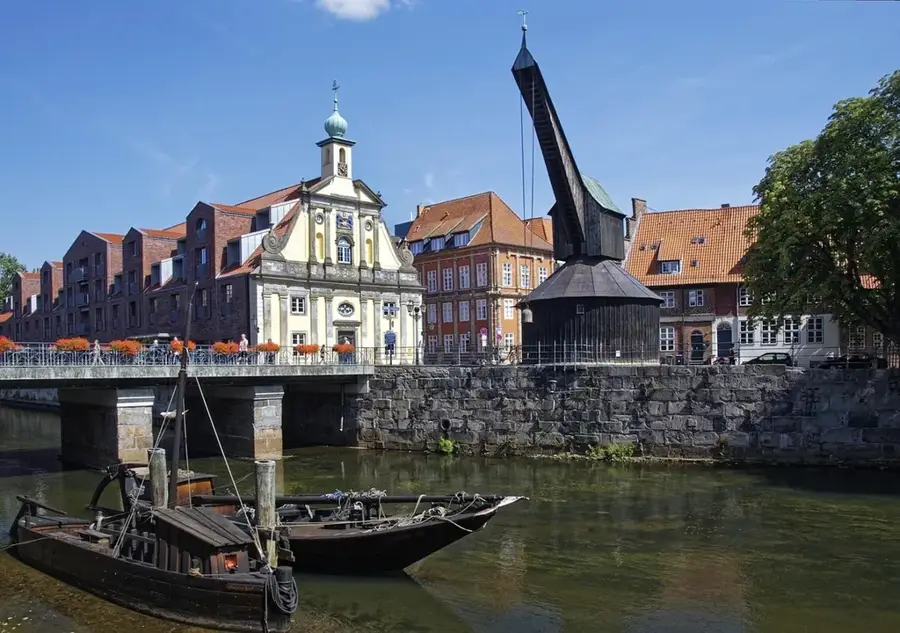
Lüneburg, once one of the wealthiest cities in the Hanseatic League, owes its historical prosperity to salt, which was mined here for over 1,000 years. Because the town was largely spared from destruction during World War II, its center presents a remarkably intact medieval architectural ensemble today. Characteristic features include the elaborate brick gables of old patrician houses, the massive town hall on the market square, and the historic harbor on the banks of the Ilmenau River with its wooden treadwheel crane. A section of the old town is slowly subsiding due to the historical underground salt mining, resulting in leaning facades and uneven cobblestone streets. The German Salt Museum, located on the site of the former saline works, thoroughly documents the history of the "white gold" that made Lüneburg so powerful. Beyond its historical monuments, the town is heavily shaped by Leuphana University, giving it a bustling, youthful atmosphere with countless student pubs and cafés. In late summer, Lüneburg serves as the well-suited starting point for excursions into the nearby Lüneburg Heath (Lüneburger Heide), just as the vast heathlands bloom in an animated, rich shade of purple.
Explore on the map
Find cities, landscapes and regions in 10 varied challenges on the interactive map.
Your journey, your memory
Turn your own photo into a personal postcard with a local stamp. Free and no sign-up required.
Create a postcardThe most pleasant time to visit is Jun–Aug.
| Jan | Feb | Mar | Apr | May | Jun | Jul | Aug | Sep | Oct | Nov | Dec | |
|---|---|---|---|---|---|---|---|---|---|---|---|---|
| Avg °C | 0 | 1 | 4 | 9 | 13 | 17 | 19 | 18 | 15 | 10 | 5 | 2 |
| Rain mm | 64 | 47 | 47 | 38 | 56 | 64 | 84 | 65 | 53 | 56 | 56 | 62 |
Notable places around
Where do you start? We build the route here, with stops and country notes along the way.
© OpenStreetMap contributors · OpenRouteService
Start at the monumental Am Sande square and visit the Gothic St. John's Church. The Water Tower offers a great panoramic view. Enjoy lunch at the historic Stintmarkt harbor. In the afternoon, explore the magnificent Town Hall and St. Michael's Church, before diving into Hanseatic history at the Salt Museum.
By bike, you can explore not only the old town but also the Kalkberg hill and the Kurpark. From Am Sande, head to the Water Tower, then via the harbor to the Town Hall. After visiting St. Michael's, cycle to the Salt Museum and finish with relaxation in the Kurpark.
By car, park centrally for the old town tour (Sande, Stintmarkt, Town Hall). Then drive to the Salt Museum in the south of the city. Finally, take a short drive to the nearby Lüne Abbey, an oasis of calm with significant textile art.
A memorial and documentation center dedicated to the victims of Nazi euthanasia in Lüneburg.