Plizio Visual Lab
Lüneburg Heath – Beekeeping
Weather…
Water temperature…
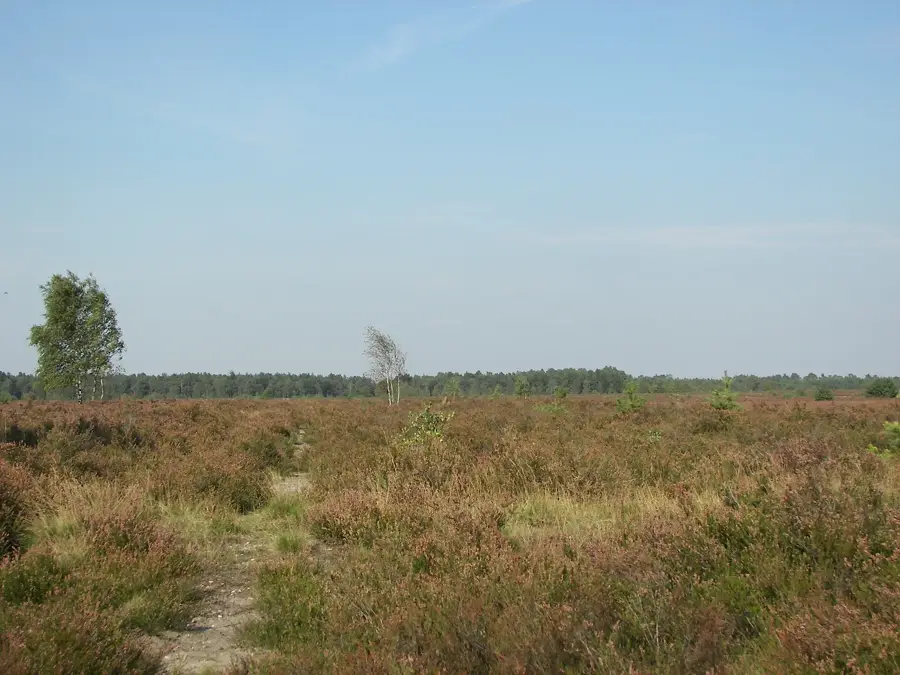
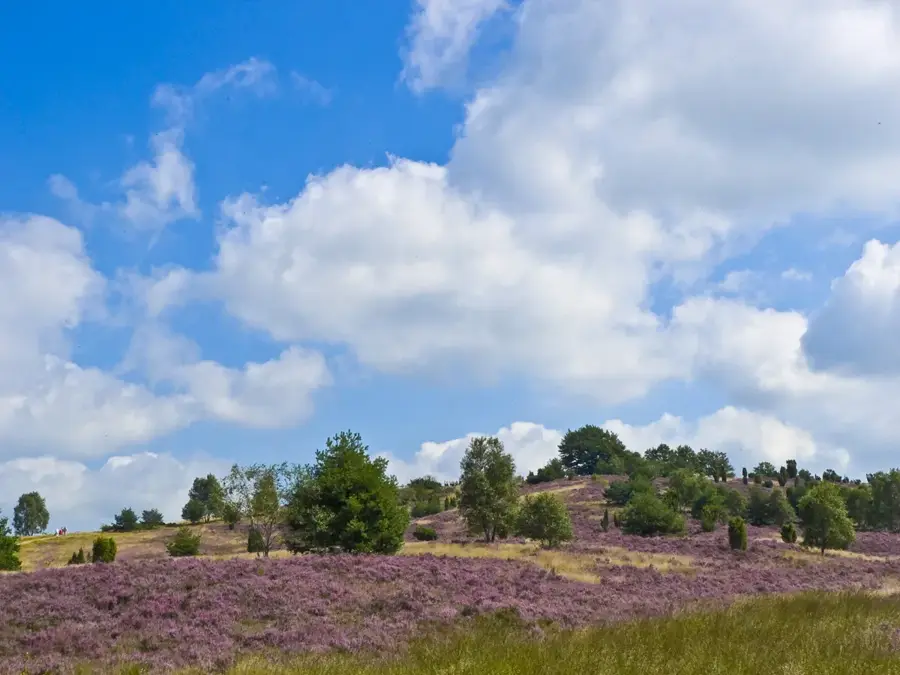
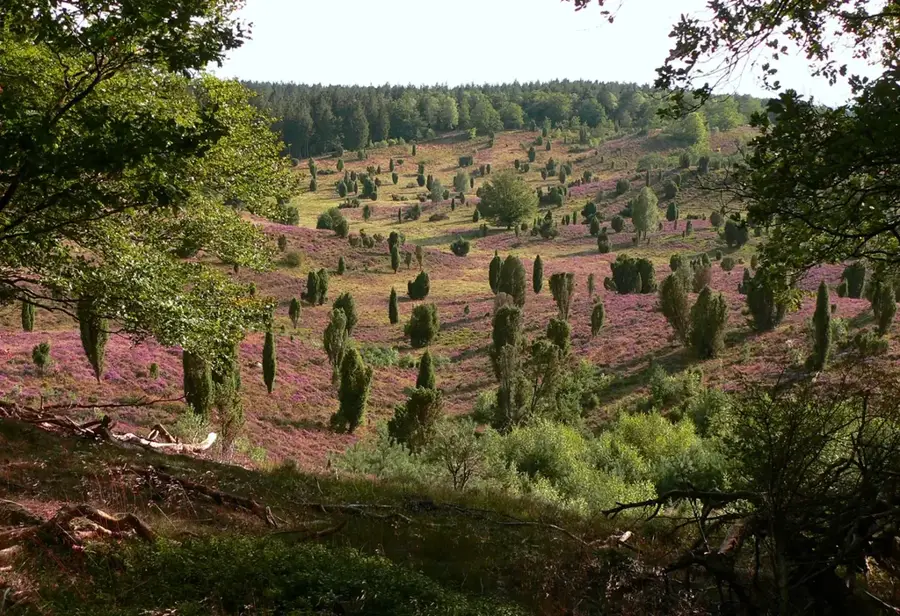
Beekeeping in the Lüneburg Heath has a centuries-old tradition and is intimately connected to the characteristic heathland landscape of Northern Germany. The heath honey produced here originates primarily from the nectar of common heather (Calluna vulgaris) and is distinguished by its jelly-like consistency and robust aroma. Historically, heath beekeeping was one of the region's primary sources of income, with beekeepers often managing hundreds of traditional straw skeps, known as 'Lüneburger Stülper.' While this traditional form of beekeeping has become less common today, it is sustained by dedicated apiarists committed to preserving the cultural landscape. Bees play a vital role in the heath ecosystem, as they are responsible for the pollination of numerous plant species. During the heather bloom in August and September, activity at the apiaries reaches its peak. Beekeepers often migrate their colonies from afar to harvest this coveted honey. Today, Lüneburg Heath honey is a protected quality product that represents the region's artisanal heritage.
Explore on the map
How well do you know Germany?
Find cities, landscapes and regions in 10 varied challenges on the interactive map.
Your journey, your memory
A postcard from Lüneburg Heath – Beekeeping
Turn your own photo into a personal postcard with a local stamp. Free and no sign-up required.
Create a postcard- Location: Lower Saxony, Germany
- Highlights: GeDenkMal · Eine-Welt-Kirche · Schafstall
- Nearby: Soltau (13 km)
Best time to visit & climate
The most pleasant time to visit is Jun–Aug.
| Jan | Feb | Mar | Apr | May | Jun | Jul | Aug | Sep | Oct | Nov | Dec | |
|---|---|---|---|---|---|---|---|---|---|---|---|---|
| Avg °C | 0 | 1 | 4 | 9 | 13 | 17 | 19 | 18 | 14 | 10 | 5 | 2 |
| Rain mm | 70 | 52 | 51 | 40 | 58 | 66 | 85 | 69 | 56 | 61 | 62 | 69 |
📋 Practical info
Geography
Facts
- Heath honey is the only honey that is pressed rather than centrifuged due to its thick consistency.
- A traditional Lüneburg skep (Stülper) is made from woven rye straw.
- The heather bloom traditionally occurs from August 8th to September 9th.
- Up to 20 kg of heath honey can be harvested per colony in a good season.
- Bees can visit up to 3,000 flowers per day during the heather bloom.
- Lüneburg Heath honey has been a protected designation within the EU since 1999.
Explore nearby
Notable places around

Route planner — Car & Motorhome
Where do you start? We build the route here, with stops and country notes along the way.
© OpenStreetMap contributors · OpenRouteService
Sights in the town Lüneburg Heath – Beekeeping (8)
Waldklassenzimmer
Outdoor classroom in the forest, used for environmental education.
Jettepark🌳 park
Park in Schneverdingen.
St. Peter und Paul⛪ church
Church building in Schneverdingen, Lower Saxony, Germany.
St. Ansgar⛪ church
Church in Schneverdingen.
Sights nearby
Frequently asked questions
What makes heather honey so special?
When does the heather bloom?
What are bee fences (Bienenzaun)?
Can you visit the beekeepers?
How is the honey harvested?
Lüneburg Heath – Beekeeping: where is it located?
Lüneburg Heath – Beekeeping: what is there to see?
Lüneburg Heath – Beekeeping: when is the best time to visit?
Lüneburg Heath – Beekeeping: why is it worth visiting?
Nearby cities