Plizio Visual Lab
Bayamo

ℹ️Practical info — Bayamo
▾
🌤 Weather — 5 days
📍 Nearby
Sights nearby
💡 Tips
- Take a ride in a horse-drawn carriage (coche), which is the traditional and most popular form of local transport.
- Spend your Saturday evening at the 'Noche Cubana' street party for authentic music and food.
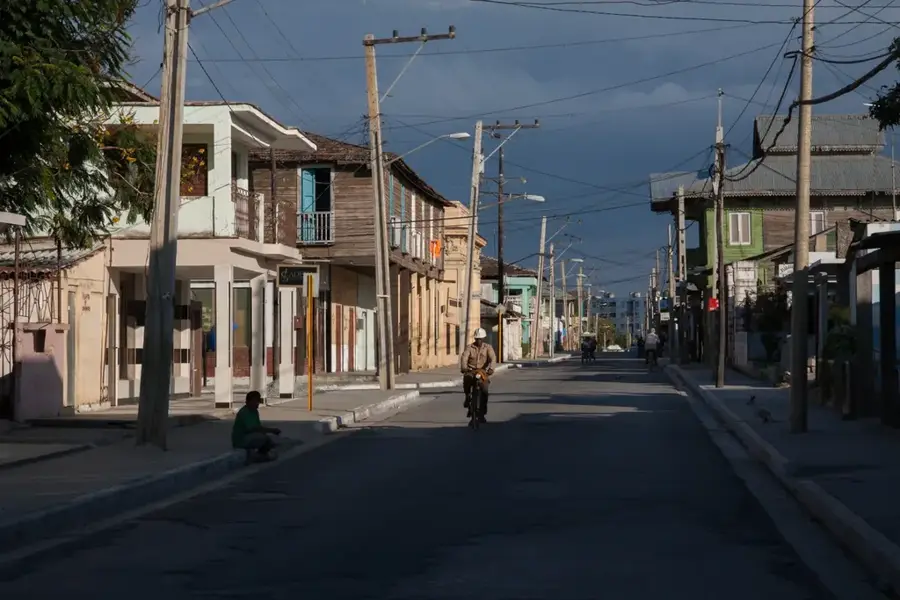
- The pedestrian boulevard is the heart of the city, best explored on foot.
- Visit Casa de la Trova to enjoy traditional Cuban acoustic music.
🍽 Food
Roast pork - try it at local paladares (private restaurants).
A traditional sweet alcoholic drink made with fruit, often served at celebrations.
A cheap and quick local favorite available from small vendor windows.
🛍 Shopping · 🧘 Quiet spots
The main pedestrian street lined with shops and local vendors.
Look for handmade crafts and traditional souvenirs.
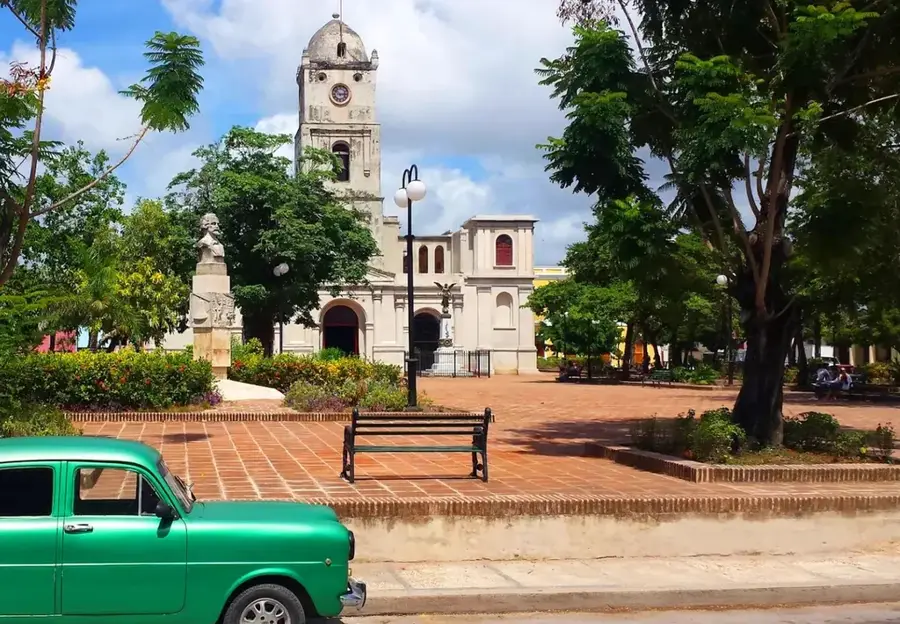
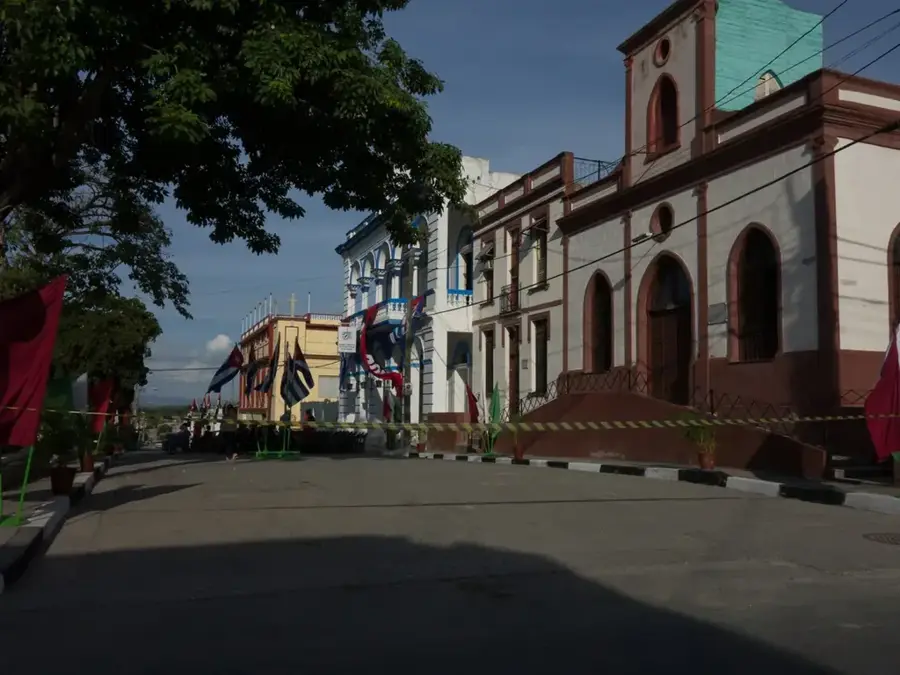
The main square, great for sitting in the shade of large trees.
A peaceful place for a walk away from the city center.
Water temperature…
Bayamo, the capital city of Granma Province in eastern Cuba, stands as one of the most historically significant urban centers in the nation. Established in 1513 by Diego Velázquez de Cuéllar, it was the second of the seven original townships founded by the Spanish. Known as the 'Cradle of Cuban Nationality,' Bayamo played a pivotal role in the struggle for independence. In 1868, Carlos Manuel de Céspedes launched the Ten Years' War from this region, and the city became the temporary capital of the Republic in Arms. A defining moment in its history occurred in 1869 when the inhabitants chose to set their city on fire rather than surrender it to the Spanish colonial forces. This legacy of resistance is reflected in the city's anthem, 'La Bayamesa,' which eventually became the national anthem of Cuba. Geographically, the city lies on a plain near the Bayamo River, with the Sierra Maestra mountains providing a dramatic backdrop to the south. The climate is tropical savanna, characterized by distinct wet and dry seasons. Today, Bayamo is famous for its horse-drawn carriages, a traditional mode of transport that has been preserved and remains a functional part of the city's infrastructure. The urban layout features wide streets and monuments dedicated to revolutionary heroes, with the Plaza de la Revolución serving as the social and cultural heart. The local economy is driven by agriculture, particularly rice, sugar cane, and cattle ranching, as well as light manufacturing and food processing. Education and culture are highly valued, with several museums, such as the birth house of Céspedes, attracting visitors interested in Cuban history. The city's atmosphere is one of quiet pride, offering a blend of colonial legacy, revolutionary fervor, and a high quality of life compared to other provincial capitals.
Explore on the map
How well do you know Cuba?
Find cities, landscapes and regions in 10 varied challenges on the interactive map.
Your journey, your memory
A postcard from Bayamo
Turn your own photo into a personal postcard with a local stamp. Free and no sign-up required.
Create a postcard- Location: Cuba
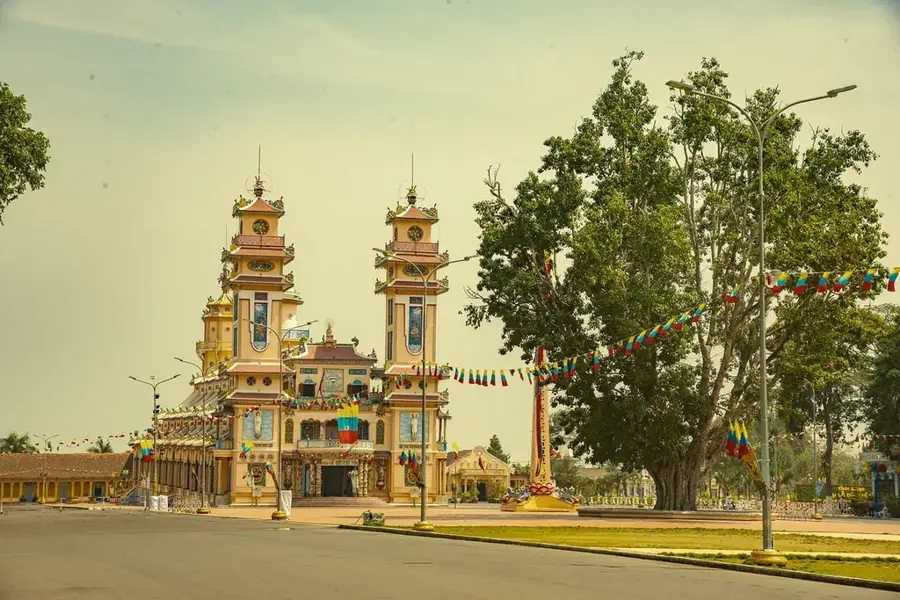
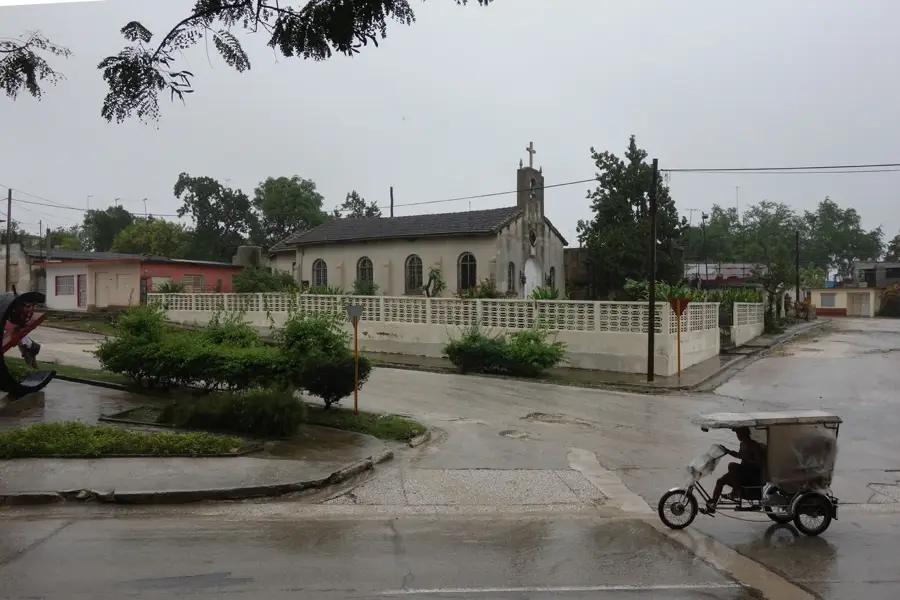
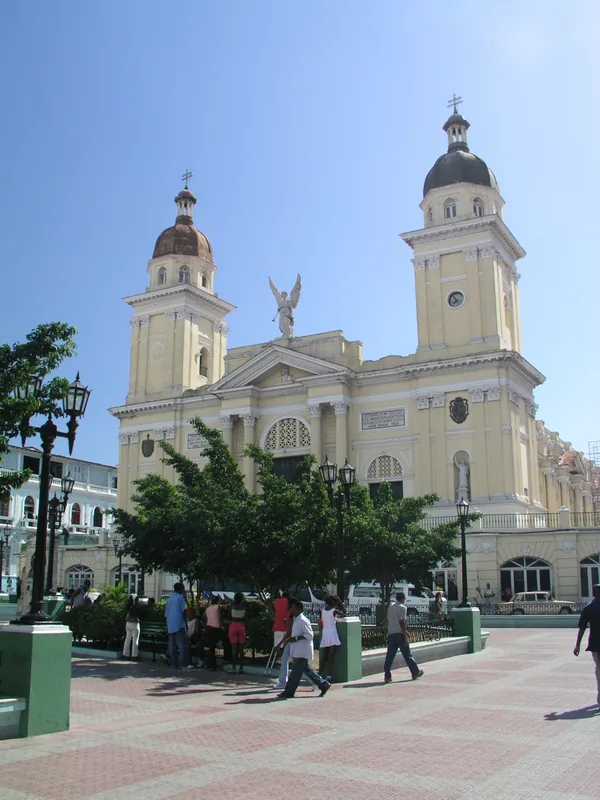
- Highlights: Diocese of Santísimo Salvador de Bayamo y Manzanillo · Circuito Sur de Oriente · Mártires de Barbados Stadium
- Nearby: Jiguaní (23 km)
- Population: ~192.632 (2026)
Best time to visit & climate
The most pleasant time to visit is Jan, Feb, Dec.
| Jan | Feb | Mar | Apr | May | Jun | Jul | Aug | Sep | Oct | Nov | Dec | |
|---|---|---|---|---|---|---|---|---|---|---|---|---|
| Avg °C | 24 | 25 | 26 | 27 | 28 | 28 | 29 | 29 | 28 | 27 | 25 | 25 |
| Rain mm | 16 | 15 | 18 | 33 | 68 | 61 | 38 | 50 | 58 | 90 | 41 | 21 |
Geography
Facts
- Founded on November 5, 1513, as San Salvador de Bayamo.
- Birthplace of the Cuban National Anthem, 'La Bayamesa'.
- Known as the 'Cradle of Cuban Nationality'.
- Massive fire in 1869 destroyed most colonial architecture.
- The city's main park is named after Carlos Manuel de Céspedes.
- Horse-drawn carriages are a protected cultural tradition.
- Key economic center for rice and sugar production in Granma.
- Coordinates: 20°22′41″N 76°38′31″W.
Explore nearby
Notable places around
Route planner — Car & Motorhome
Where do you start? We build the route here, with stops and country notes along the way.
© OpenStreetMap contributors · OpenRouteService
Sights in the town Bayamo (3)
Frequently asked questions
Why the city of carriages?
What is the historical significance?
What happened in 1869?
What is the wax museum?
What is the surroundings like?
Bayamo: where is it located?
Bayamo: what is there to see?
Bayamo: when is the best time to visit?
Bayamo: why is it worth visiting?

Nearby cities

History & landmarks
Nature
More places