Plizio Visual Lab
Yara
ℹ️Practical info — Yara
▾
🌤 Weather — 5 days
📍 Nearby
Sights nearby
💡 Tips
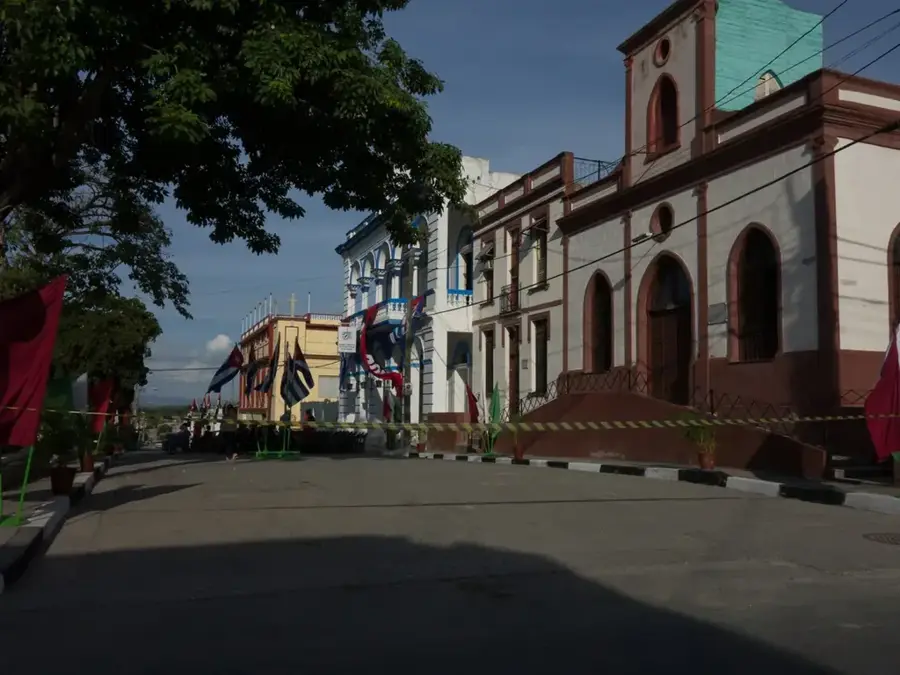
- Explore the main square to understand its historical significance; it's the site of the famous 'Grito de Yara'.
- Ask the locals about the legend of the 'Luz de Yara' (Yara Light), a famous piece of Cuban folklore.
- The climate here in Granma province can be very hot; carry a water bottle at all times.
- Horse-drawn carriages are a common and affordable way to get around the wider municipal area.
- Visit the local museum to learn about the indigenous roots and the start of the Ten Years' War.
🍽 Food
Given its location in Granma, local paladares often serve delicious freshwater fish caught in nearby rivers.
Roast pork is a specialty in the eastern provinces; look for places roasting it traditionally over an open fire.
A flatbread made from cassava root, reflecting the strong indigenous heritage of the region.
🛍 Shopping · 🧘 Quiet spots
Check small shops near the central plaza for items related to the indigenous history and the Ten Years' War.
A bustling spot to buy fresh tropical fruits and experience the daily rhythm of the locals.
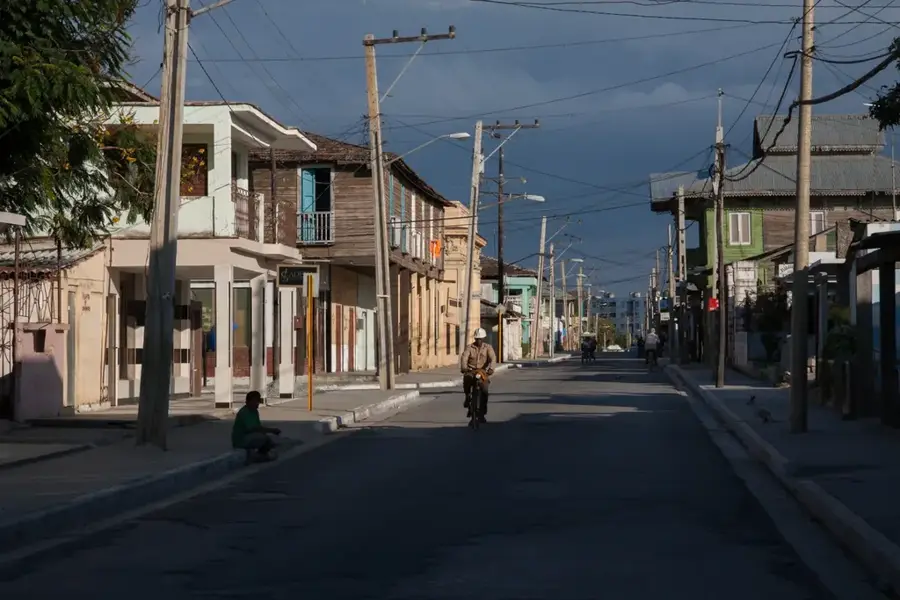
A beautiful, evocative time to sit in the square, watching the shadows and listening to local chatter.
Head outside the immediate town center for a quiet, reflective walk along the river.
Water temperature…
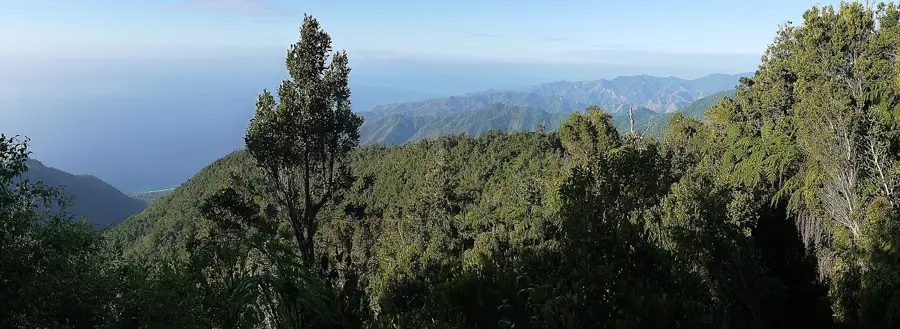
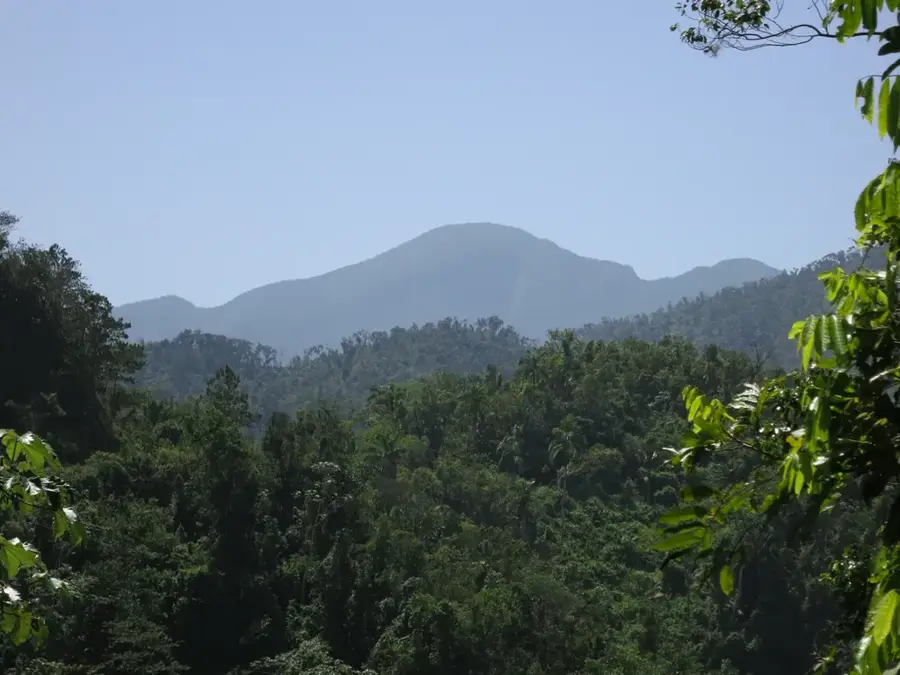
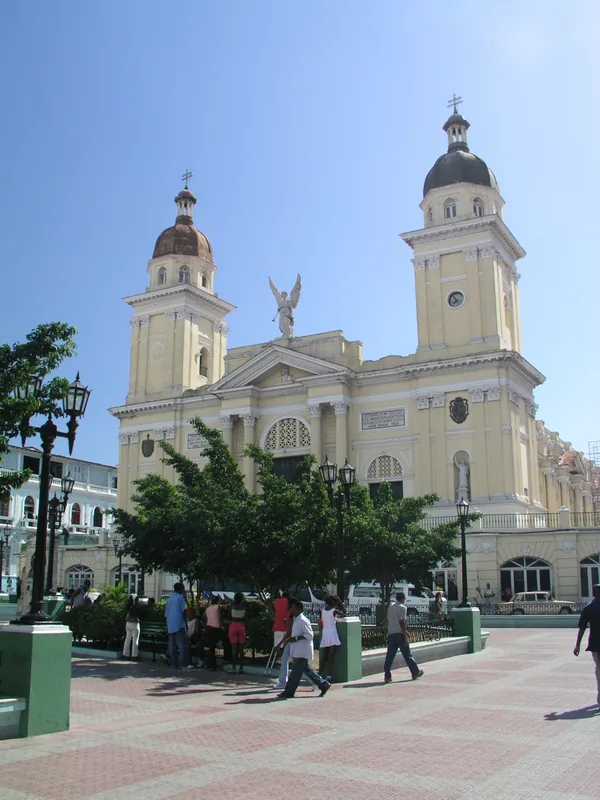
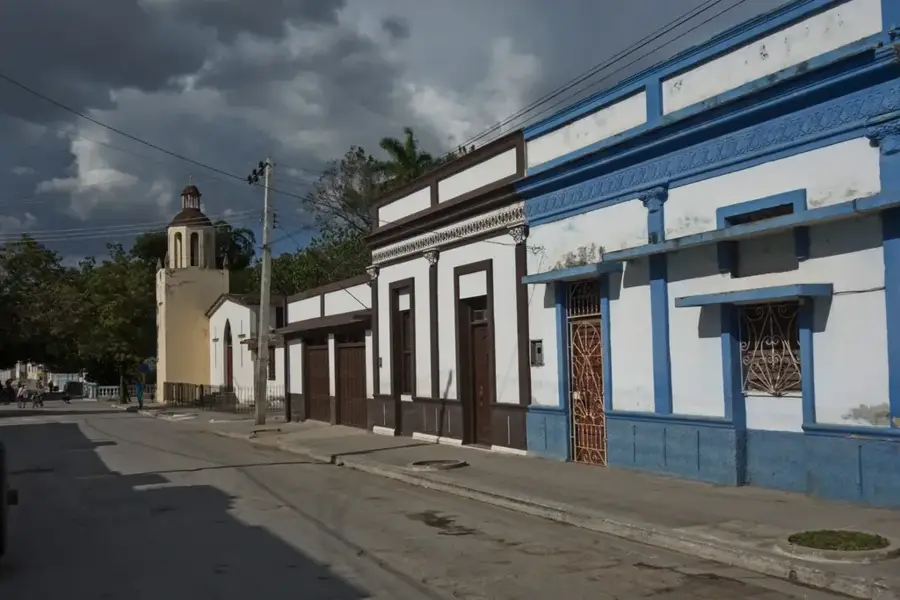
Yara is a historically prominent town in Granma province, considered the cradle of Cuban independence. It was here, on October 10, 1868, that the famous 'Grito de Yara' (Cry of Yara) occurred, when Carlos Manuel de Céspedes freed his slaves at his La Demajagua estate and proclaimed the armed struggle against Spanish colonial rule. Geographically, the town is located in the fertile plains of the Yara River at the foot of the Sierra Maestra. This location favors intensive agriculture, with rice cultivation being the region's most important source of income. The town itself is characterized by monuments and memorial sites commemorating the founding fathers of the nation. Beyond its historical significance, Yara plays an important role as a regional commercial center for agricultural products. The culture of the region is deeply rooted in peasant traditions, with the 'Décima' poetry and traditional musical forms being carefully preserved. Yara embodies the identity of Cuban patriotism and is an essential destination for history-inclined travelers.
Explore on the map
How well do you know Cuba?
Find cities, landscapes and regions in 10 varied challenges on the interactive map.
Your journey, your memory
A postcard from Yara
Turn your own photo into a personal postcard with a local stamp. Free and no sign-up required.
Create a postcard- Location: Cuba
- Nearby: Río Cauto (city) (33 km)
- Population: ~28.944 (2023)
Best time to visit & climate
The most pleasant time to visit is Jan, Feb, Dec.
| Jan | Feb | Mar | Apr | May | Jun | Jul | Aug | Sep | Oct | Nov | Dec | |
|---|---|---|---|---|---|---|---|---|---|---|---|---|
| Avg °C | 25 | 25 | 26 | 28 | 28 | 29 | 29 | 29 | 29 | 27 | 26 | 25 |
| Rain mm | 19 | 17 | 24 | 40 | 89 | 84 | 47 | 69 | 78 | 100 | 42 | 21 |
Geography
Facts
- The municipality was officially founded in the year 1912.
- Yara was an important center of the indigenous Taíno culture.
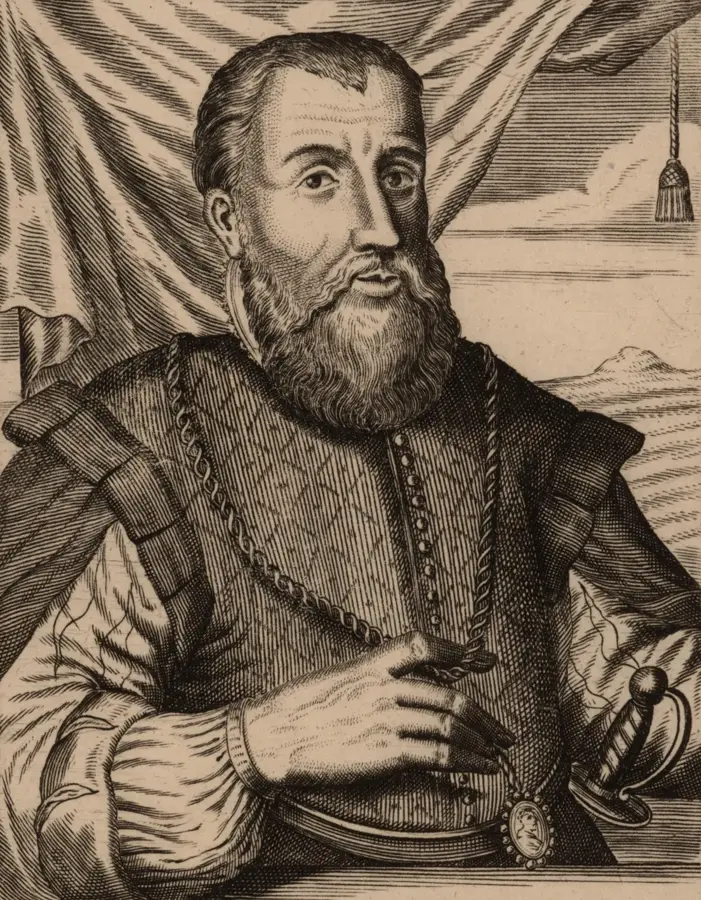
- The cacique Hatuey was executed here in the year 1512.
- The region is one of the largest rice producers in the country.
- The Yara Historical Museum displays artifacts from the colonial era.
- Yara is located on the main road between Bayamo and Manzanillo.
Explore nearby
Notable places around
Route planner — Car & Motorhome
Where do you start? We build the route here, with stops and country notes along the way.
© OpenStreetMap contributors · OpenRouteService
Sights in the town Yara (1)
Frequently asked questions
What is the historical significance of Yara?
Are there museums about the town history?
What is the Light of Yara (Luz de Yara)?
In which province is Yara located?
Is agriculture practiced in Yara?
Yara: where is it located?
Yara: when is the best time to visit?
Yara: why is it worth visiting?

Nearby cities

History & landmarks
Nature
More places