Plizio Visual Lab
Caibarién

ℹ️Practical info — Caibarién
▾
🌤 Weather — 5 days
📍 Nearby
Sights nearby
💡 Tips
- Don't miss the giant crab statue at the town entrance for a classic photo.
- Walk the Malecón (seafront promenade) at sunset for the best views.
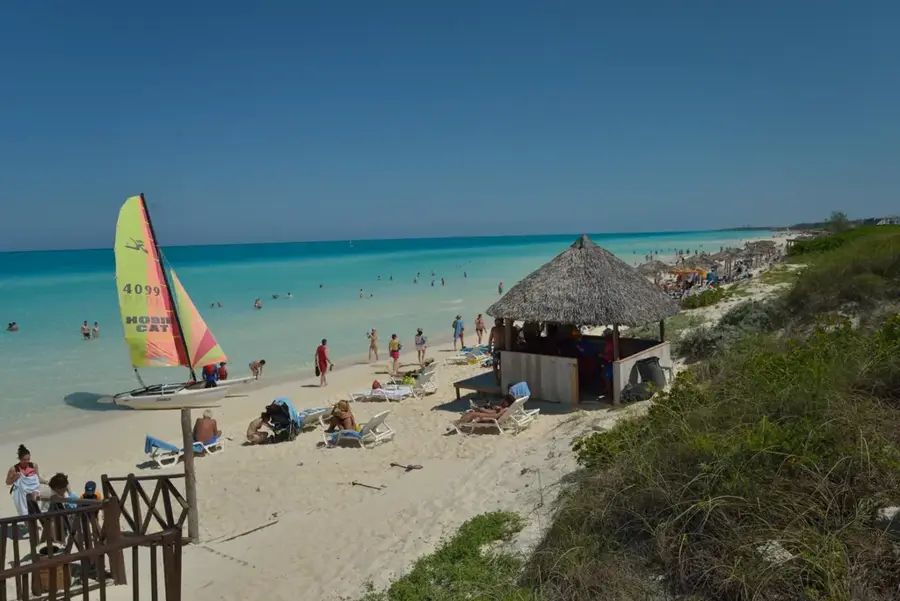
- Use Caibarién as a budget-friendly base to explore the luxurious northern cays (Cayo Santa María) via the Pedraplén causeway.
- Taxis and classic cars are readily available for trips to the cays, but negotiate the fare beforehand.
- If visiting in December, experience the spectacular local 'Parrandas' festival with its fireworks and floats.
🍽 Food
Try it at a paladar (private restaurant) near the waterfront.
A popular street snack found in small local cafeterias.
Look for local vendors selling these traditional Cuban sweets near the main squares.
🛍 Shopping · 🧘 Quiet spots
Available in specialized state-run shops in the town center.
Buy directly from fishermen at the small port area in the early morning.
Particularly peaceful in the early morning hours before the day gets hot.
Explore the quiet outskirts where remnants of the sugar industry offer unique photography spots.
Water temperature…
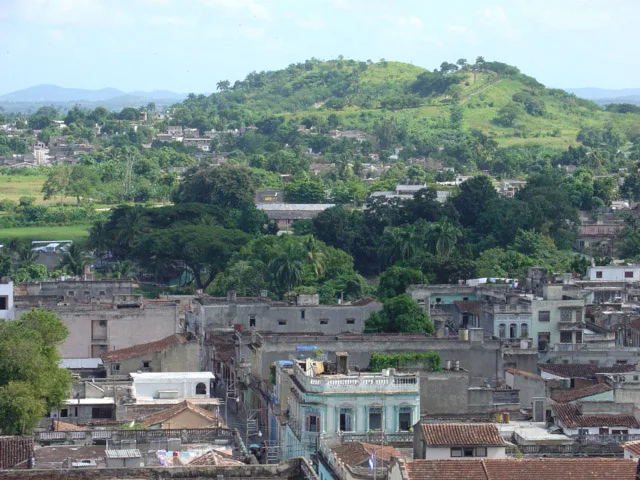
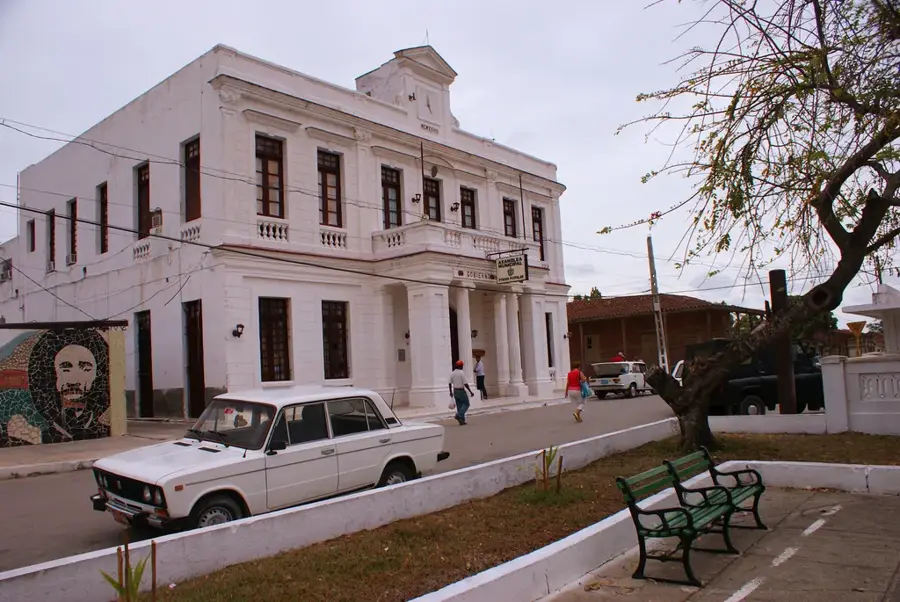
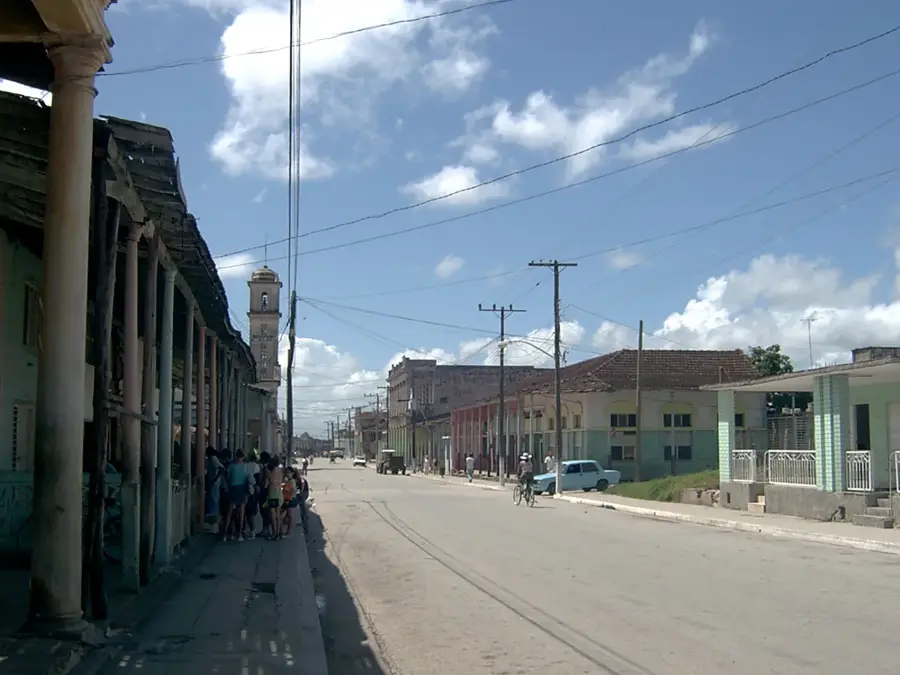
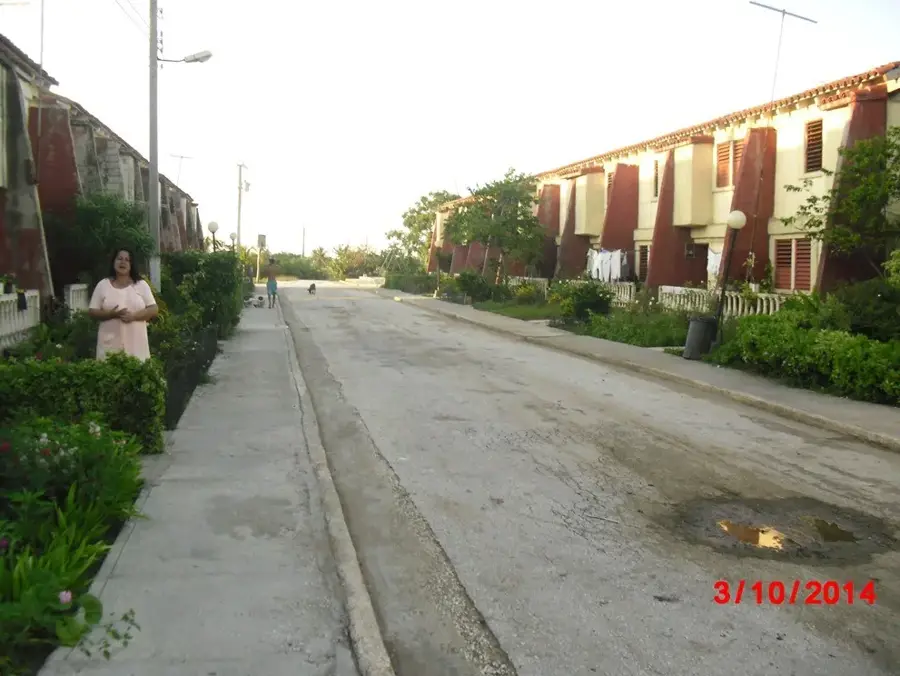
Caibarién, widely known as the "White Village" (Villa Blanca), is a coastal port city on the northern shore of Villa Clara province. It was officially established on October 26, 1832, although its origins trace back to earlier colonial times when it served as a crucial export terminal for the surrounding sugar industry. The city is famous for its Malecón (seafront promenade) and its deep-rooted fishing heritage, epitomized by the iconic giant crab statue (El Cangrejo) located at the town's entrance. Today, Caibarién acts as the strategic gateway to the Jardines del Rey tourism corridor, connected to Cayo Santa María by the Pedraplén, an impressive 48-kilometer causeway spanning the sea. Despite the influx of tourism, the city maintains an authentic atmosphere characterized by eclectic architecture and active local traditions. Historically, the town's growth was driven by maritime trade and the expansion of the railway system that once transported sugar from inland mills. Nowadays, Caibarién is a hub for seafood processing and a central point for exploring the region's diverse coastal ecosystems.
Explore on the map
How well do you know Cuba?
Find cities, landscapes and regions in 10 varied challenges on the interactive map.
Your journey, your memory
A postcard from Caibarién
Turn your own photo into a personal postcard with a local stamp. Free and no sign-up required.
Create a postcard- Location: Cuba
- Nearby: Remedios (8 km)
- Population: ~39.140 (2023)
Best time to visit & climate
The most pleasant time to visit is Jan, Feb, Dec.
| Jan | Feb | Mar | Apr | May | Jun | Jul | Aug | Sep | Oct | Nov | Dec | |
|---|---|---|---|---|---|---|---|---|---|---|---|---|
| Avg °C | 23 | 24 | 25 | 26 | 27 | 28 | 29 | 29 | 29 | 27 | 25 | 24 |
| Rain mm | 16 | 20 | 25 | 36 | 110 | 95 | 73 | 92 | 102 | 93 | 32 | 20 |
Geography
Facts
- Officially founded on October 26, 1832.
- Commonly referred to by the nickname "Villa Blanca" (White Village).
- The giant crab statue at the entrance is the town's landmark.
- Starting point of the 48 km Pedraplén causeway to Cayo Santa María.
- Major center for the Cuban commercial fishing industry.
- The port was a key export terminal for sugar in the 19th century.
Explore nearby
Notable places around
Route planner — Car & Motorhome
Where do you start? We build the route here, with stops and country notes along the way.
© OpenStreetMap contributors · OpenRouteService
Frequently asked questions
Why is it called the 'White City'?
What is the city's symbol?
Is it far to the Cayos?
Are there accommodations?
What to eat here?
Caibarién: where is it located?
Caibarién: when is the best time to visit?
Caibarién: why is it worth visiting?

Nearby cities
More places